


The more I learn about the Samurai, the more I wonder why they’ve become so beloved in the centuries since they all but disappeared. Actually, that might not be a correct framing.
To be sure, it’s easy to understand people’s affection for the Samurai—brave and highly-skilled warriors who maintained peace during Japan’s violent Sengoku period—as individuals and historical figures. It’s when I spend too much thinking about how many millions suffered through the time of “warring states” that the gravity of Japan’s past overwhelms me.
Which is neither here nor there. I’m here today, after all, to tell you about my favorite remaining Samurai towns in Japan, not to give you a lecture on Japanese history.
Why So Few Samurai Districts Remain
The reason why there aren’t that many “real” Japan Samurai towns is deceptively simple. The era of Samurai effectively came to an end after the Meiji Restoration, during which most of the places where the warriors had lived were either torn down completely or converted into something else. This is similar to what happened to all but 12 of the hundreds of castles that remained from Japan’s feudal era.
Now, in some cases, the towns I’ll be listing were basically intact before the modern era of mass tourism, and required a slightly sprucing up. This perfectly describes Kakunodate, which had basically sat in a state of disrepair (but intact disrepair) for centuries until about 1990. In other cases, a great deal of restoration (and, arguably, reconstruction) has occurred. Kanazawa’s Naga-machi falls more into this category.
The Best-Preserved Samurai Towns in Japan
Kakunodate, Akita

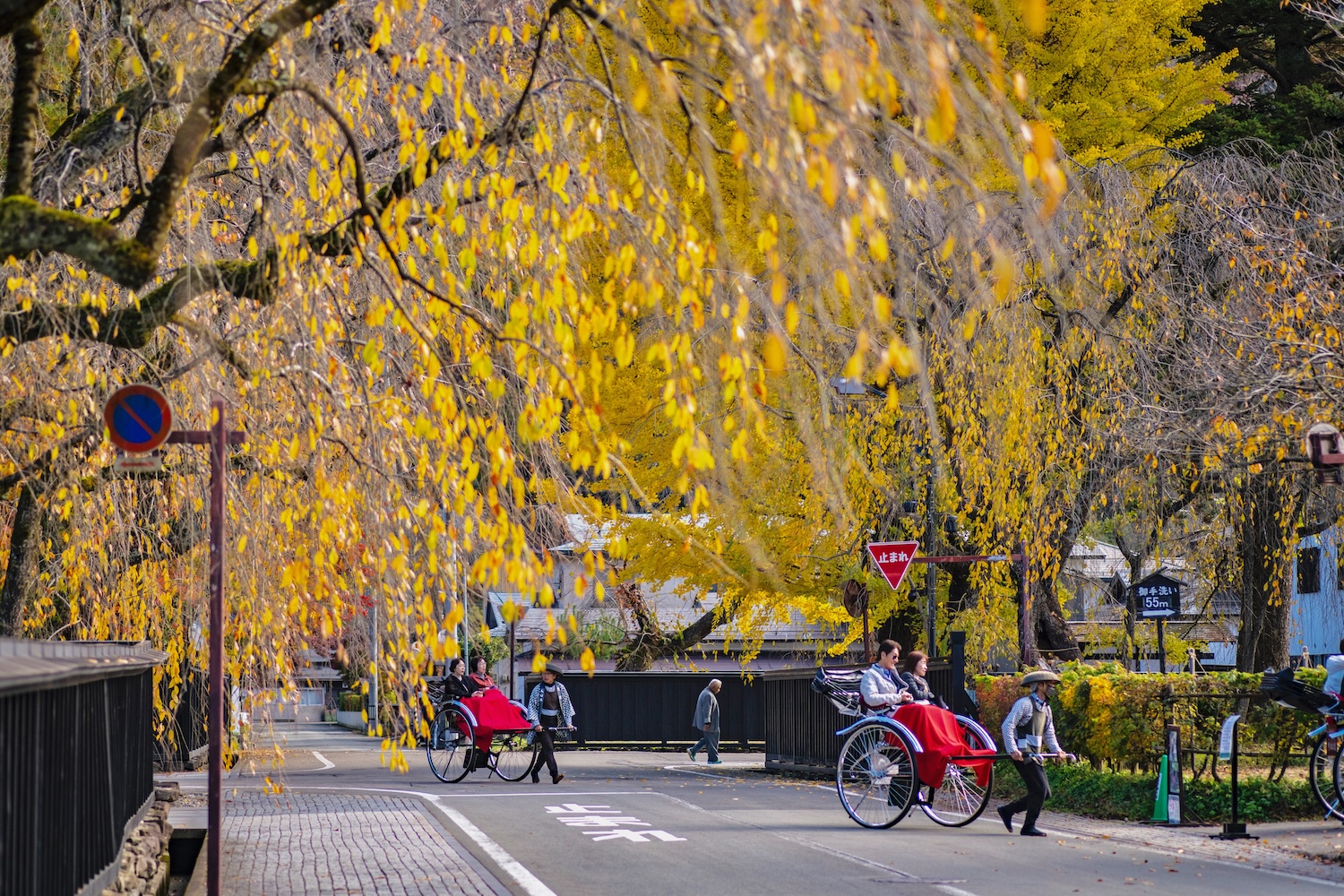
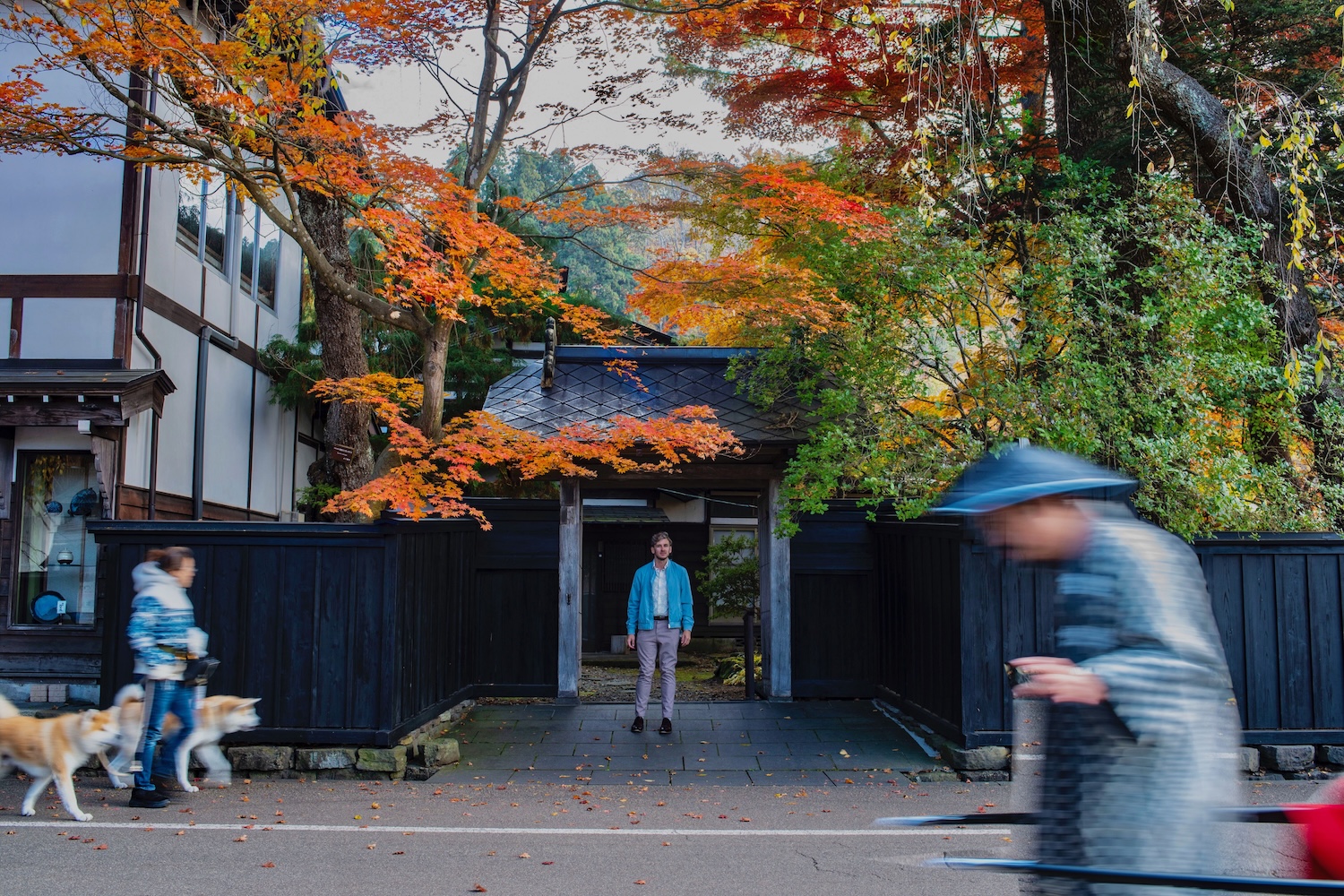
For my money, Kakunodate is the single-best Samurai village in Japan. It’s home to several former Samurai homes, many of which are still owned by the original families. Better yet? It’s beautiful all year long (especially in autumn and spring), and is accessible on foot just 15 minutes from Kakunodate Station (a stop along the Akita Shinkansen route).
Hagi, Yamaguchi

Another great example of a real Samurai town in Japan? Yamaguchi prefecture’s Hagi, officially known as “Hagi Castle Town.” Whether you simply traipse down its streets (where mikan and palm trees contrast with typical pines) or take a boat tour to see it all from water level, this interesting idyll is worth the trek of getting there. If the weather is right, you can even enjoy some time at the beach!
Aizu-Wakamatsu, Fukushima
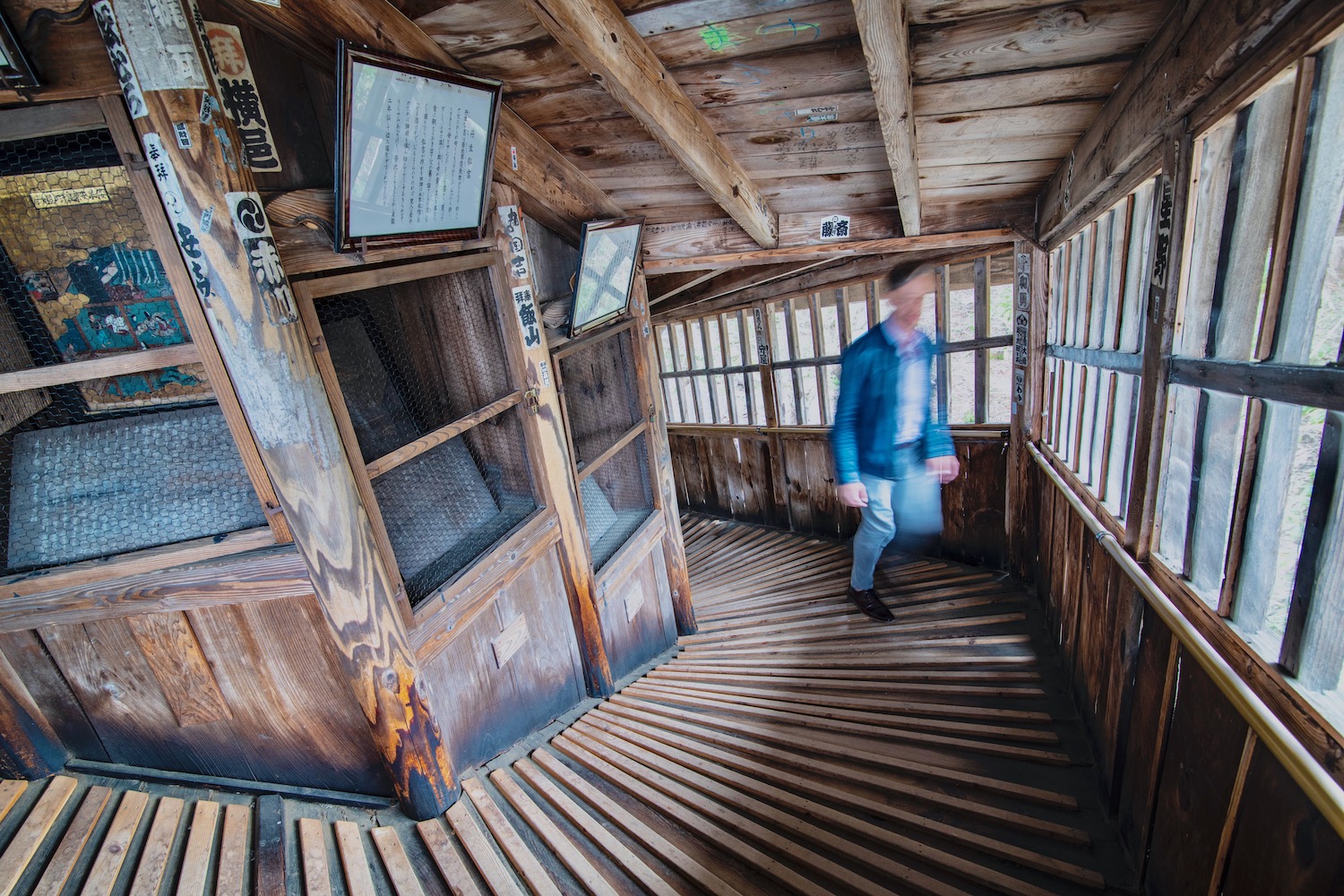
I’ll be honest that the first time I visited Aizu-Wakamatsu, in Fukushima prefecture, its Samurai heritage was not immediately clear. This makes sense, of course: Aizu, to which the town’s name is often abbreviated, is a huge city, and a mostly modern one at that. Still, whether you visit Tsuruga Castle or octogonal Sazaedo temple (the site of a Samurai’s last stand), there’s a lot here to discover.
Chiran, Kagoshima

This might just be the most off-the-beaten-path of all the Japan Samurai districts. To get here, you need to take a day trip from Kagoshima (the southwestern most major city of Japan’s four main islands) onto the Satsuma Peninsula, which basically requires a car. The trade-off? Even during busy seasons, the Chiran Samurai District is basically deserted, with only a few mostly local people exploring it.
Naga-machi, Kanazawa
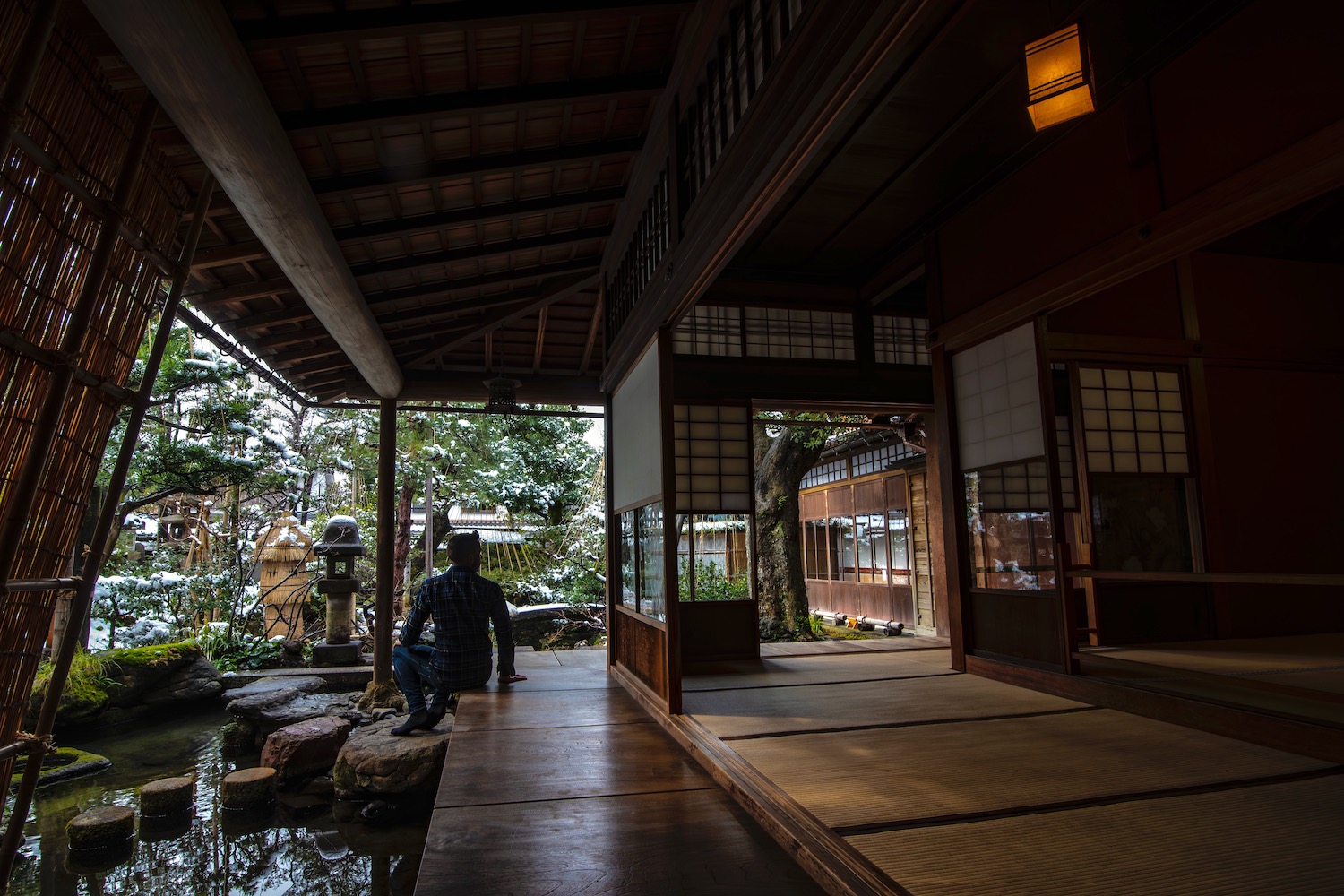
By contrast, Naga-machi (which is a district of central Kanazawa, and is actually closer to Kanazawa Station than Kanazawa Castle or Kenroku-en garden) can feel busy, on account of how convenient it is to one of Japan’s up-and-coming tourist cities. On the other hand, paying to enter a Samurai home (I like Nomura-ke) cuts out some of the more casual passers-by, and allows you to enjoy the district with a bit more peace and quiet.
Samurai Attractions in Major Japan Cities
Want to experience Samurai culture without leaving Tokyo or Kyoto? This is possible, albeit at a cost. For example at one of the Samurai centers in these cities (in Tokyo’s Asakusa district, or in Kyoto’s Nishiki Market), you can enjoy an experience that is at least aesthetically accurate. However, from the small and confined atmosphere to the contrived nature of the place in general, you leave feeling like you’ve done little more than engage in cosplay.
Other spots feel slightly more authentic, even if they fall short of constituting actual Samurai homes in Japan. I’m thinking in particular of Sengaku-ji temple in Tokyo, which is actually accessible on foot from Shinagawa Station (though it’s closer to the Sengaku-ji Station on the Toei Subway Asakusa Line). This is a spot made famous for its association with the 47 ronin, even if I can’t in good conscience recommend the movie of the same name.
Other FAQ About Samurai Towns in Japan
Are there any Samurai villages in Japan?
There are several towns and cities in Japan where you can visit authentic former Samurai homes. These include places like Naga-machi in Kanazawa city, which is more or less on the tourist trail, but also spots like Akita’s Kakunodate town and the Chiran Samurai district near Kagoshima in Kyushu.
What city in Japan is known for Samurai?
Fukushima prefecture’s Aizu-Wakamatsu is probably the largest Japanese city with a strong Samurai association. If we aren’t being technical about the size of the place, however, than the town of Kakunodate in Akita prefecture is definitely the most contained, comprehensive former Samurai settlement in Japan.
Where is the best place for Samurai history in Japan?
You can learn a lot of Samurai history even by visiting the Samurai experience centers in large cities like Tokyo and Kyoto. However, if you want a history lesson in the context of the architecture and urban design that reflects how the Samurai lived, towns like Kakunodate (in Akita) or Kanazawa’s Naga-machi district are your best best.
The Bottom Line
It’s reasonably easy to reach authentic Samurai towns in Japan, at least if you’ll be in the parts of Japan where they remain, or have enough slack in your itinerary that you can get there. Most notably, the Naga-machi district of Kanazawa is right in the heart of that city, so if you’re staying there, you almost can’t miss it. By contrast, other such towns in Japan range from the superlative but well-known Kakunodate in Akita prefecture, to more obscure towns like Yamaguchi’s Hagi and Chiran on the oft-missed Satsuma Peninsula near Kagoshima. Need personalized help incorporating Samurai history into your Japan trip? Commission a custom Japan itinerary today!