


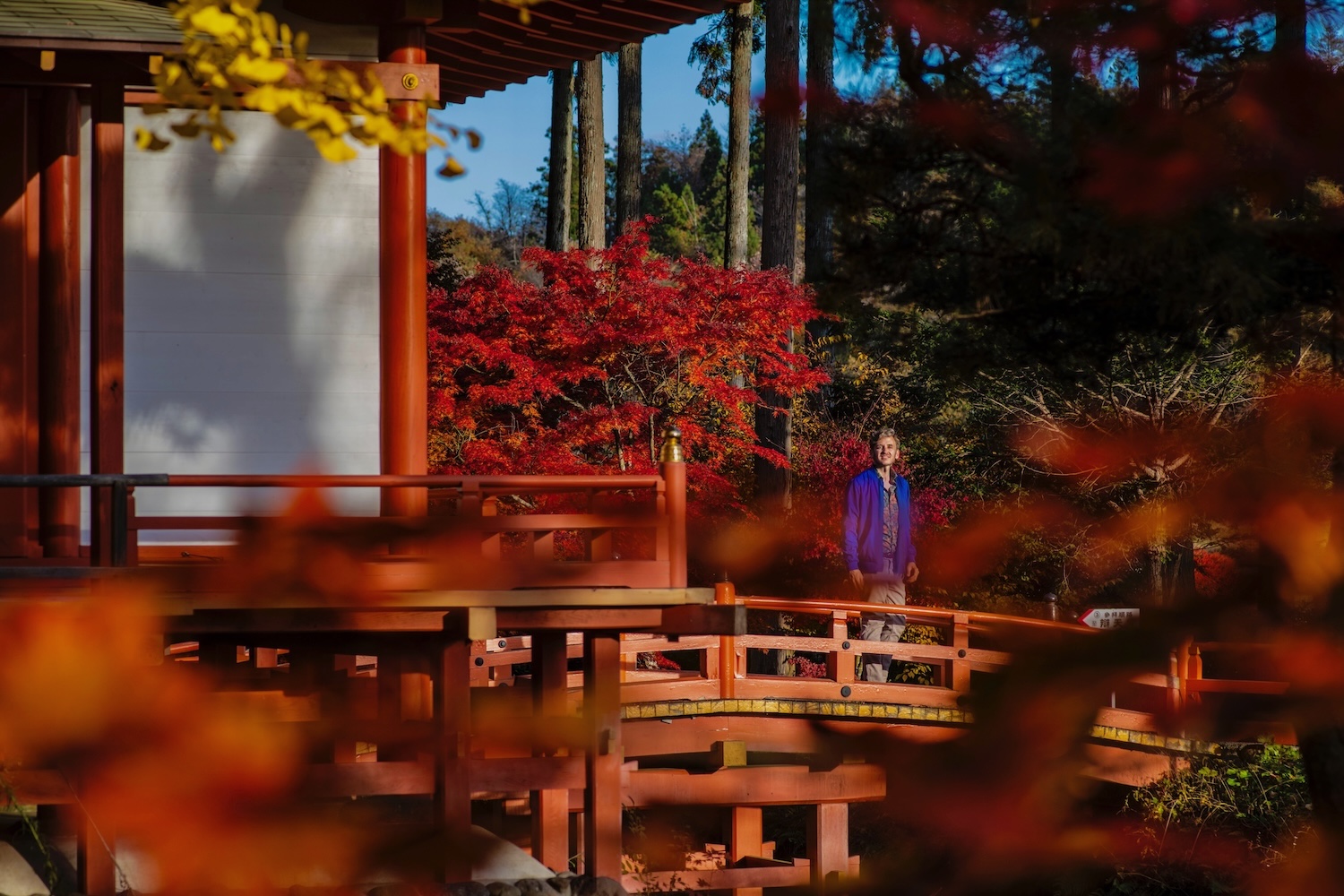
Japanese people are impressed when they hear that I’ve visited all 47 todōfuken, the collective noun that describes their various sorts of prefectures: One to or metropolis, one dō or circuit territory, two urban fu and 43 ordinary ken.
And they’re surprised with what I tell them next. “I still haven’t been everywhere,” I’ll concede, matter-of-factly, but without any disappointment. “Let alone everywhere I want to go.”
I bring this up not to brag, but to qualify my expertise: When I talk (or, in this case, write) about best places to visit in Japan, I know what I’m talking and/or writing about. I hope you’ll stay with me for the next little while—I’ll give you a decade-plus of information and insights in minutes.
You Can’t See “Everywhere” in Japan on One Trip
More bragging: I’ve visited Japan, conservatively, on ~100 separate occasions. Of course, I once again don’t bring this up to gloat, but to explain that in spite of this, I still haven’t seen all Japan destinations. I’ve been to most places—all prefectures, regions of Japan and islands, and most in multiple seasons—but the fact remains. Even if you visit Japan literally 100 times, you can’t see everywhere.
To address this from another angle, most travelers spend about two weeks in Japan, at most. This is simply not enough time to cover a substantial amount of ground in Japan, in spite of the country’s ubiquitous Shinkansen bullet trains, and how fast and easy you can travel using them. Even with a month in Japan, you need to have a clear idea of where you want to go in Japan, ideally in the form of a prioritized list.
How to Make Sense of Places to Visit in Japan
The Golden Route
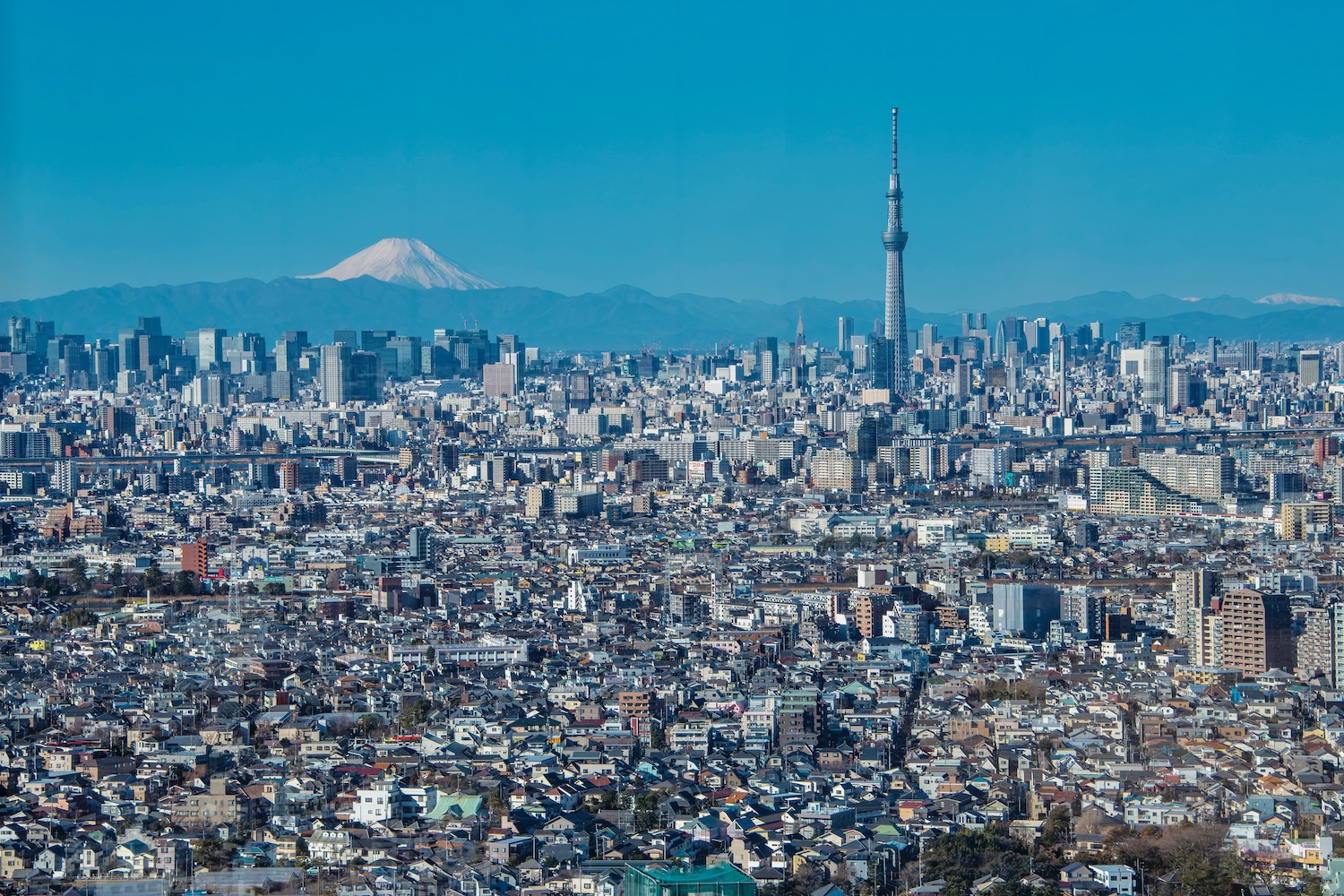

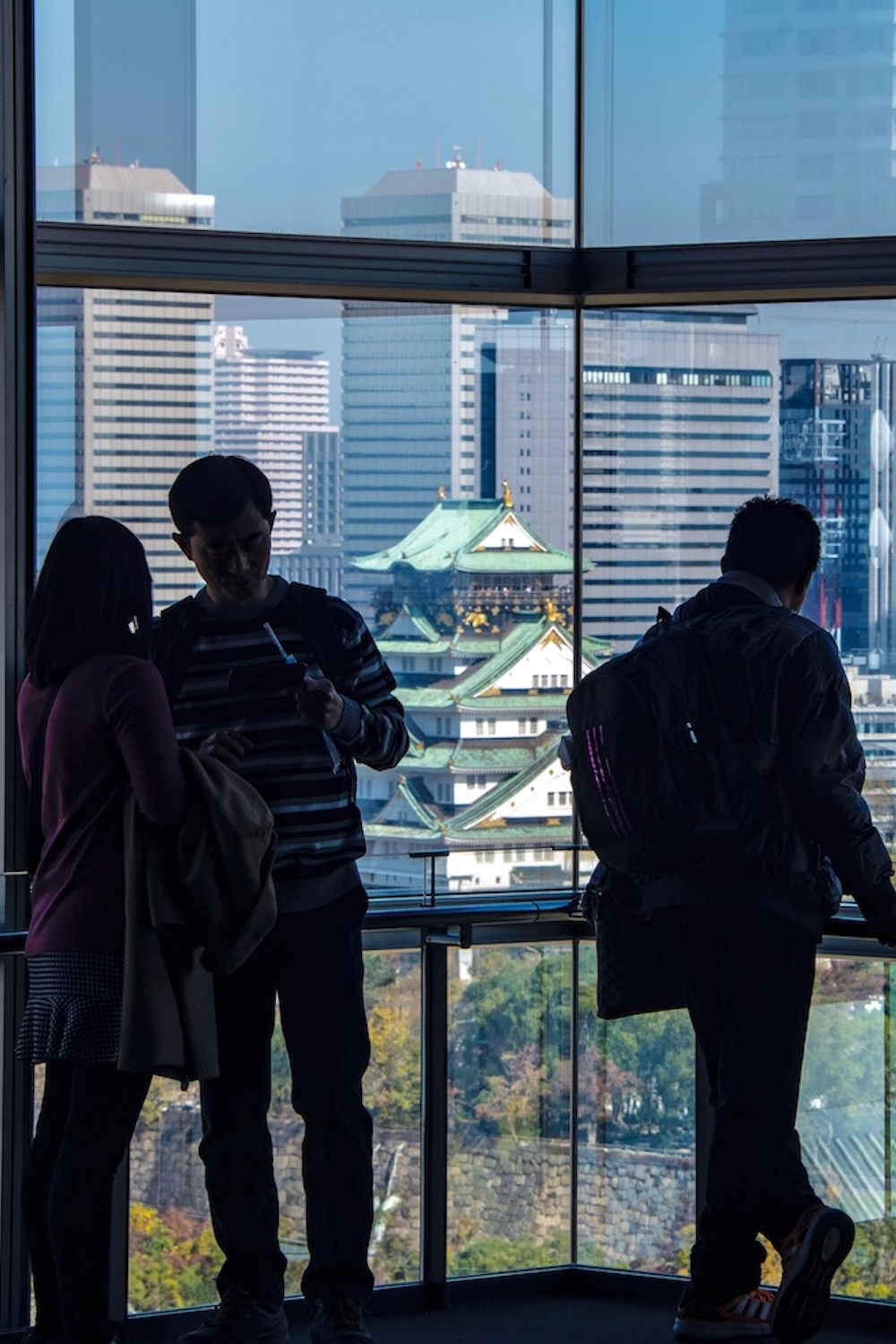

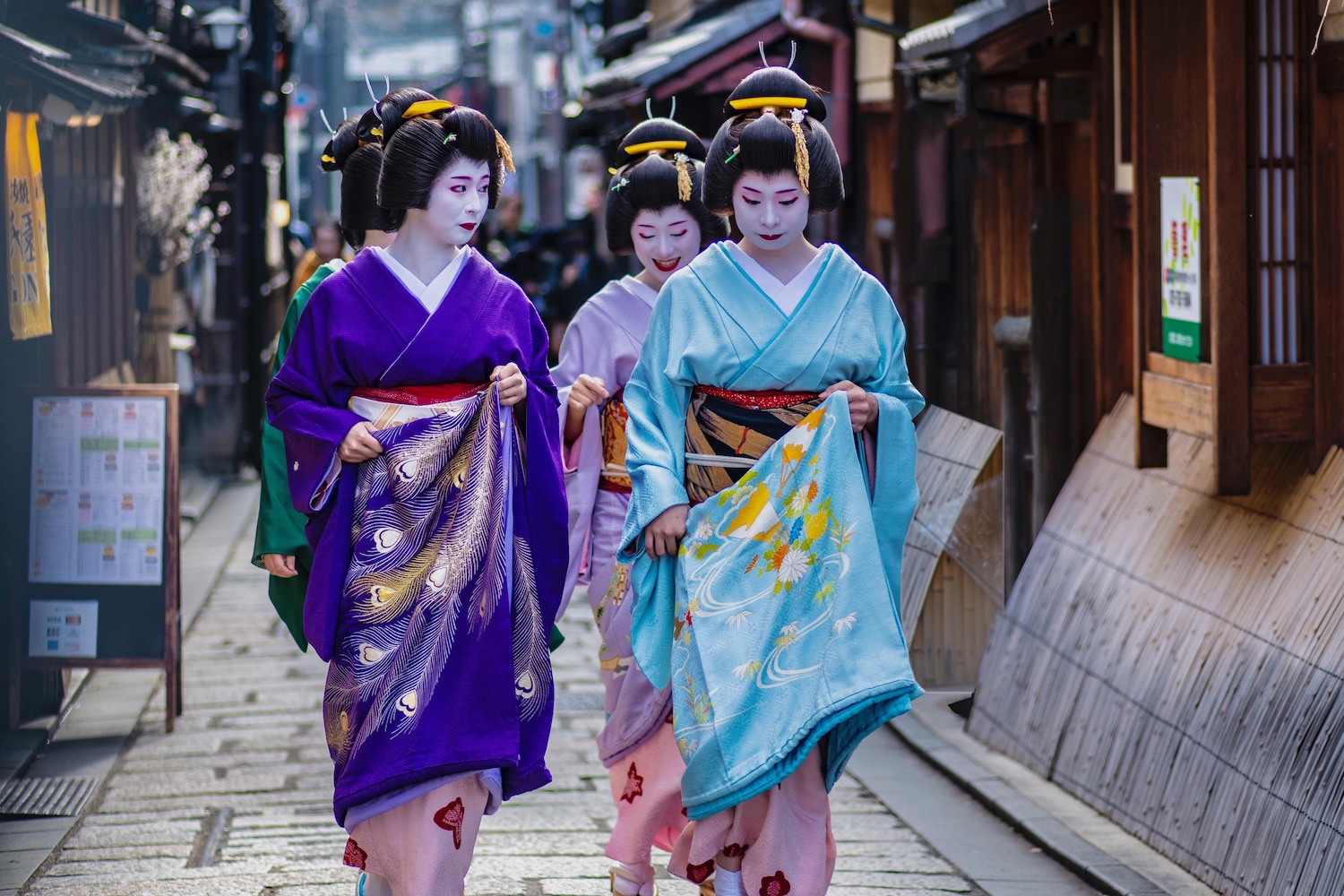
Although definitions of Japan’s tourist trail vary, they virtually always include Tokyo (duh!), and the cities of Kyoto and Osaka in the Kansai region. Some people leave it as this, while others consider the area around Mt. Fuji (which is on the way from Tokyo to Kyoto and Osaka) to be part of the “Golden Route.” Others continue past Kansai to Hiroshima, the hub of western Honshu island, not to mention a city that needs no introduction.
The “Back Way”
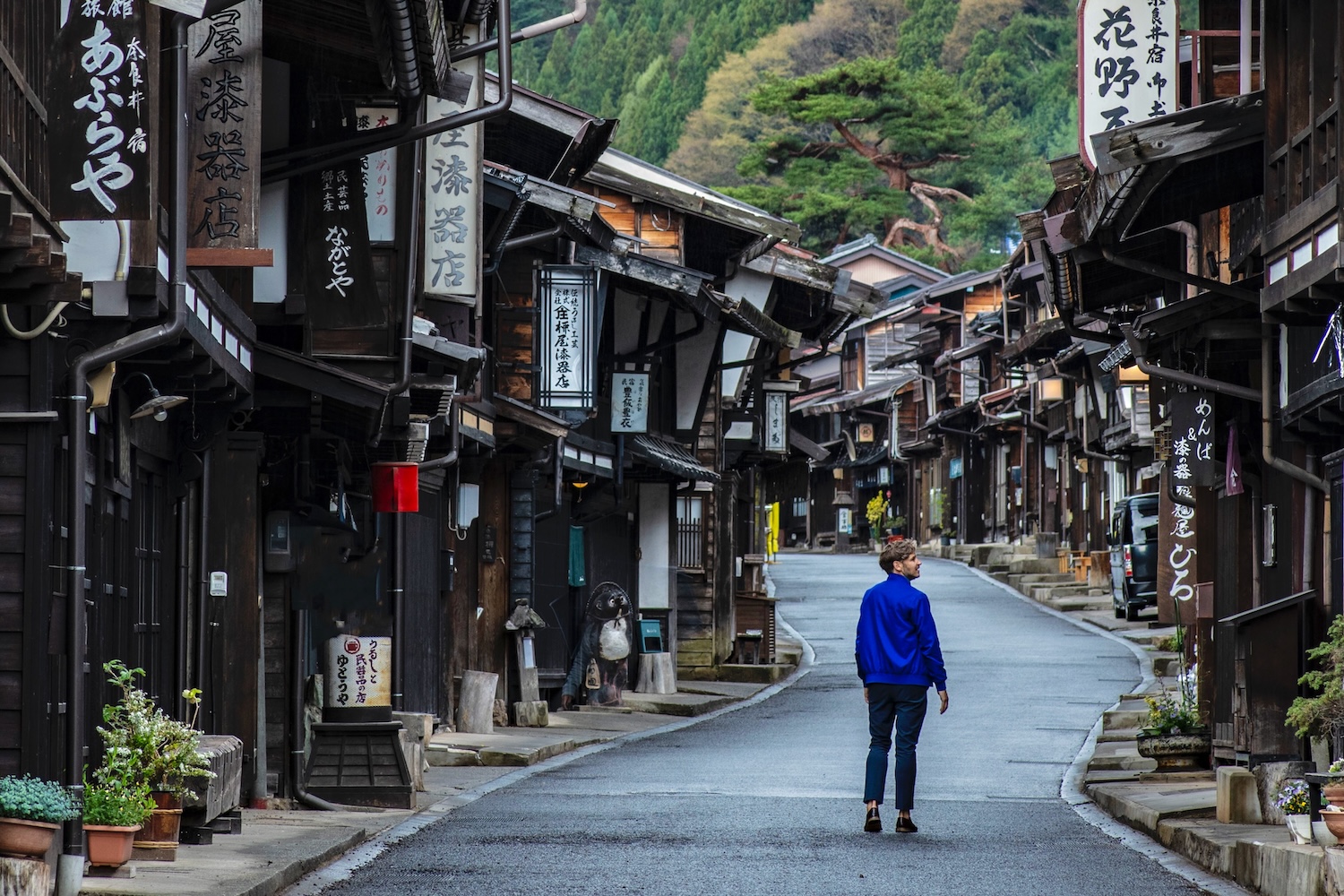
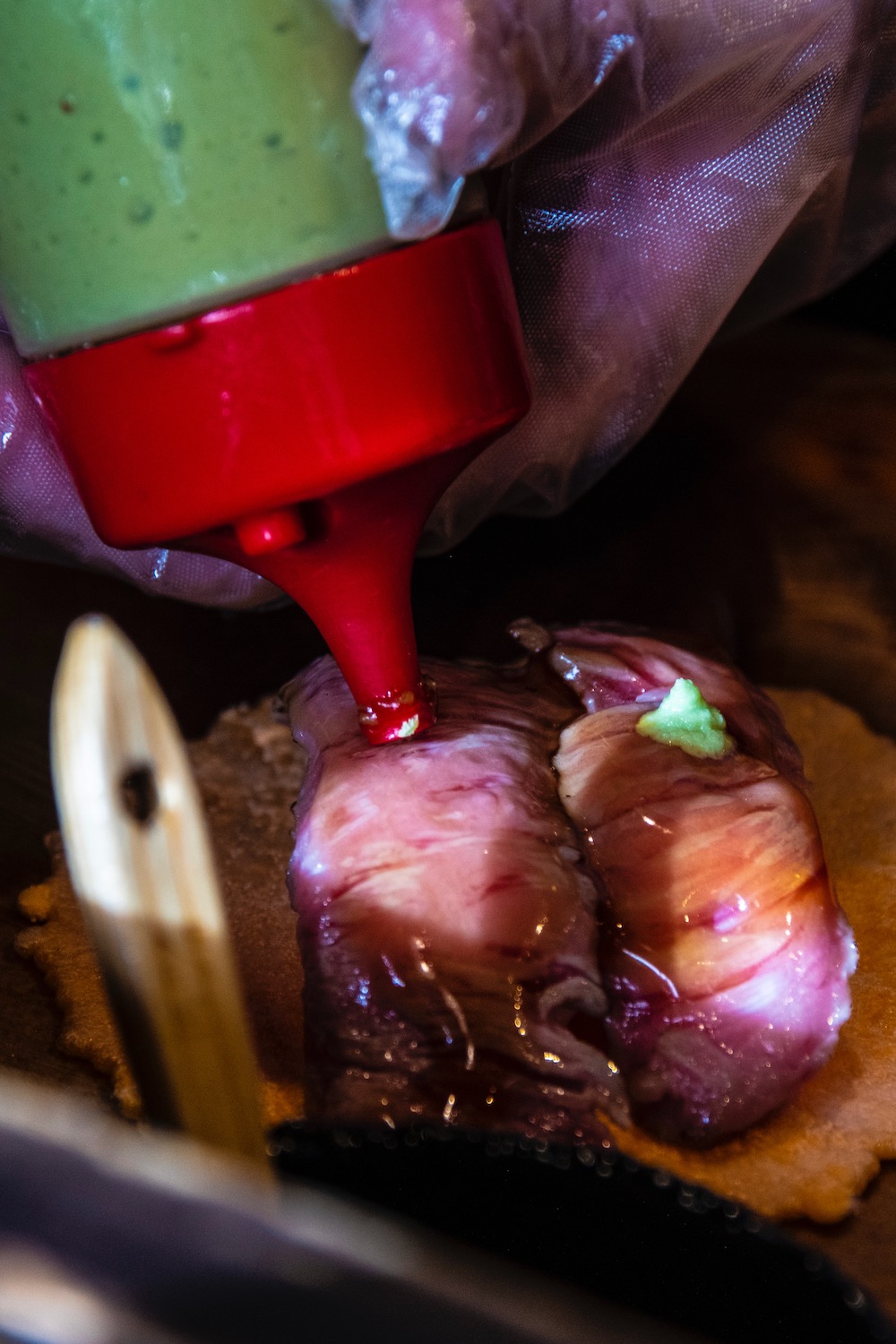

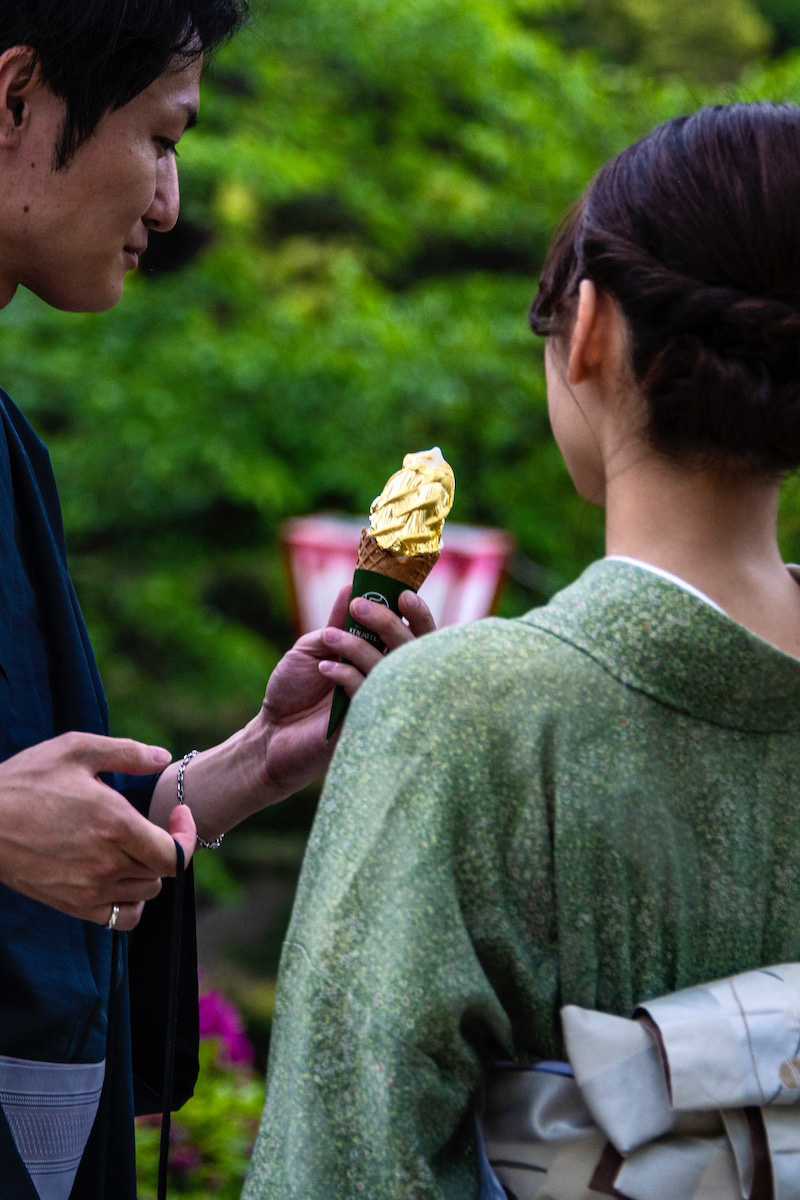
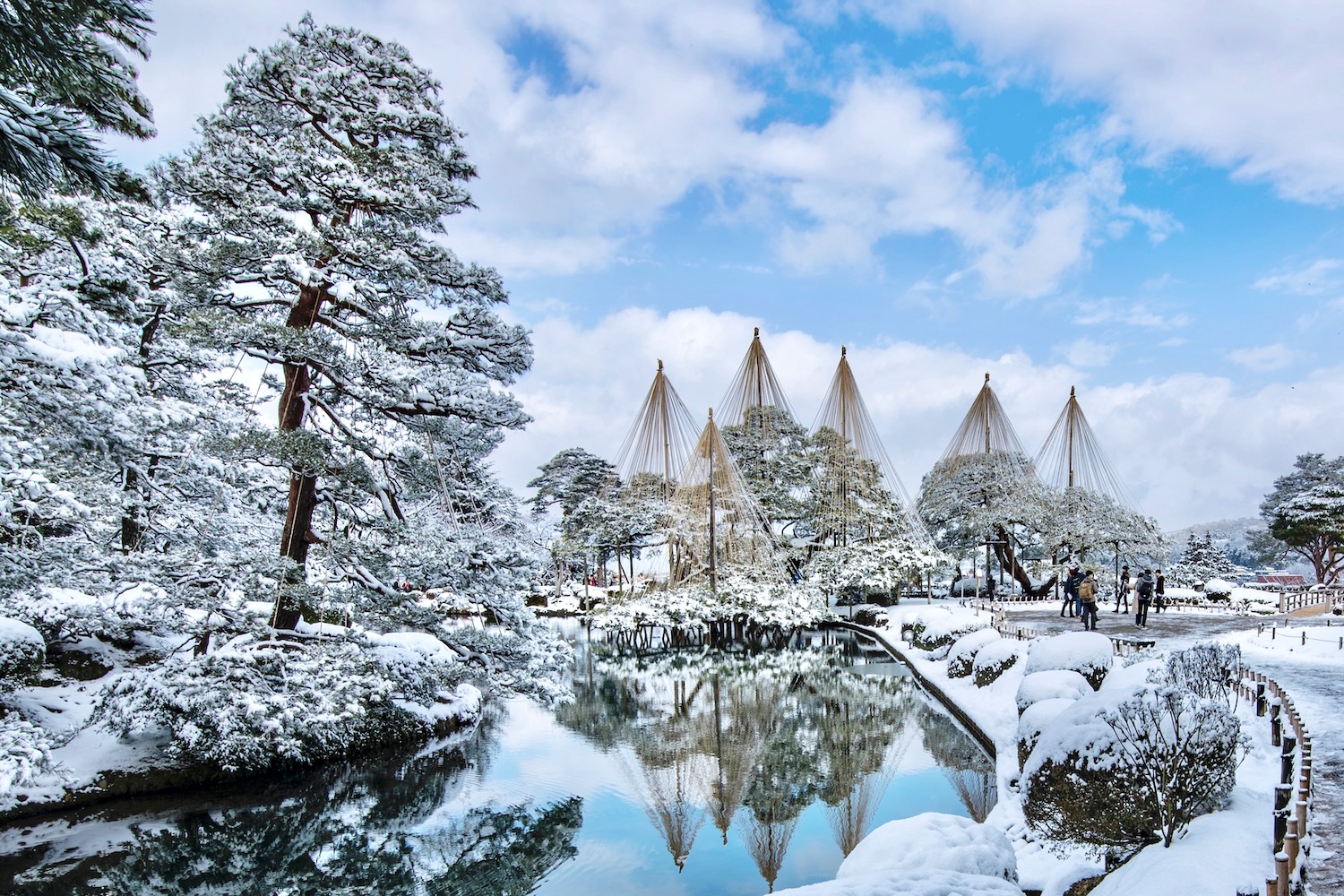
It might not surprise you to learn that many of the best cities to visit in Japan are off the aforementioned route. Specifically, I sometimes like to recommend that my private clients head northward from Kansai toward the Sea of Japan, specifically to underrated Kanazawa. From there, I suggest heading either along the coast via Toyama to Nagano (a hub of the Japanese Alps), or through the mountains (specifically Takayama and Matsumoto) and returning to Tokyo that way. In any case, this “Back Way” is an easy means of feeling like you’re off Japan’s beaten path, even though you really can’t.
Tohoku and San’in
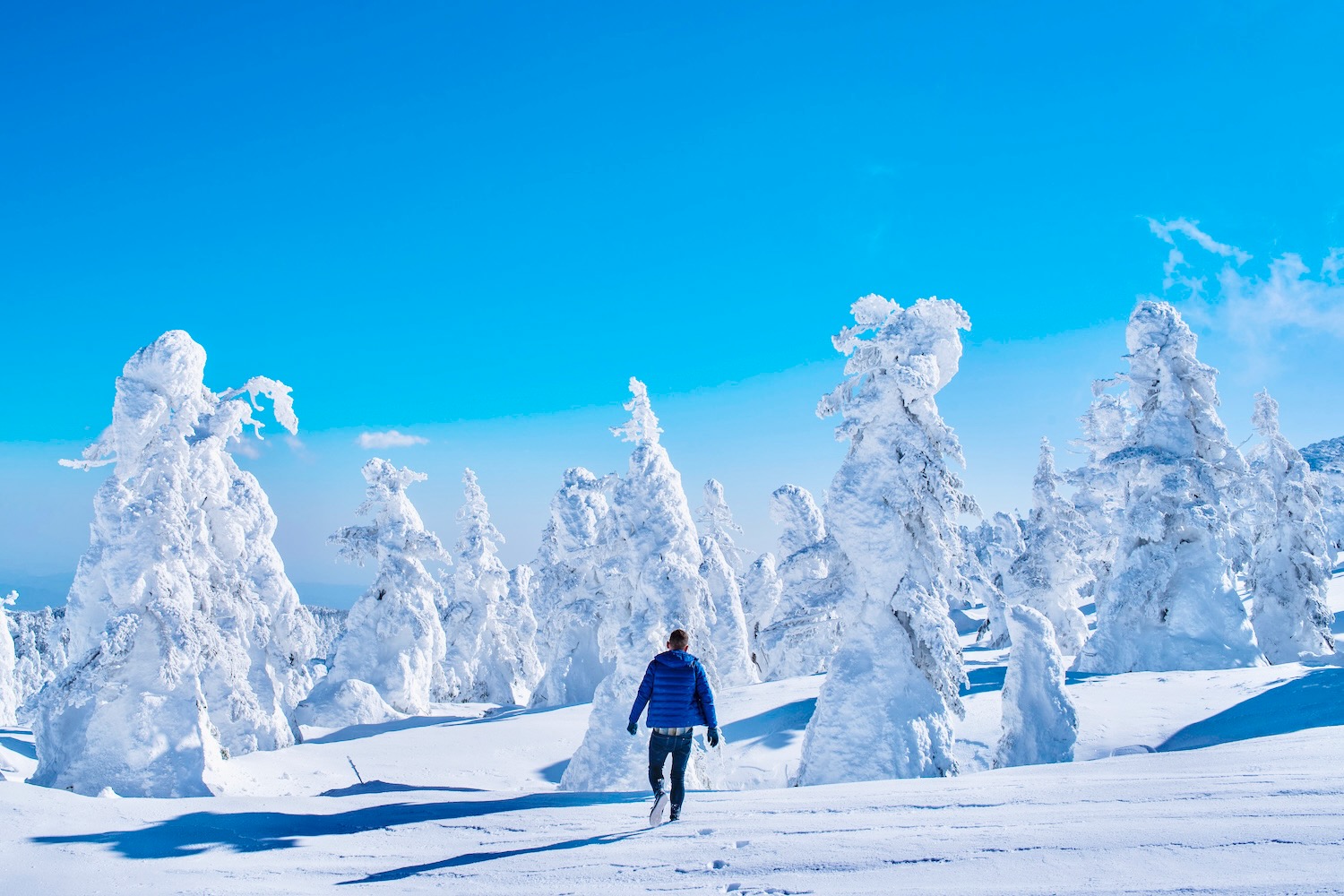
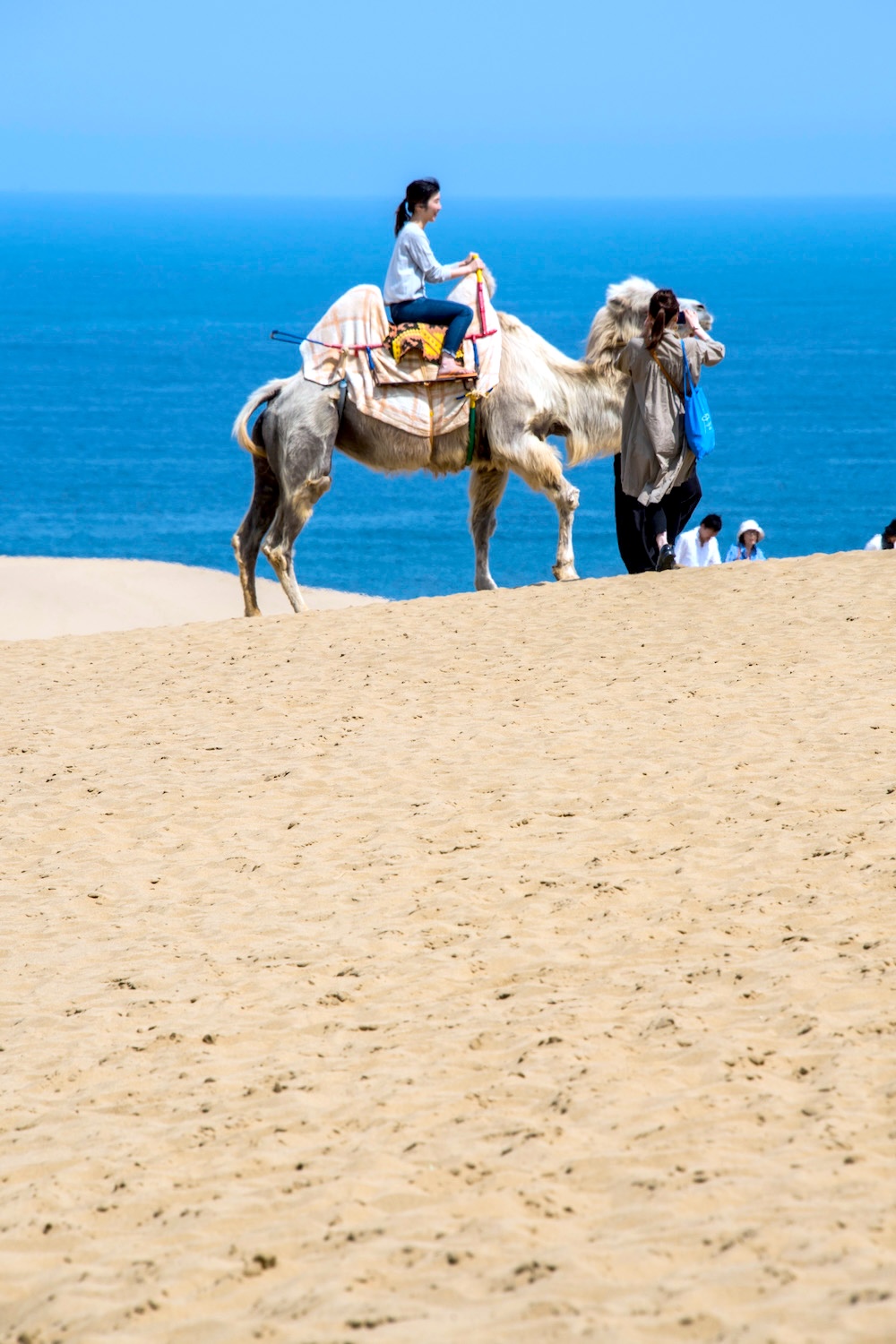

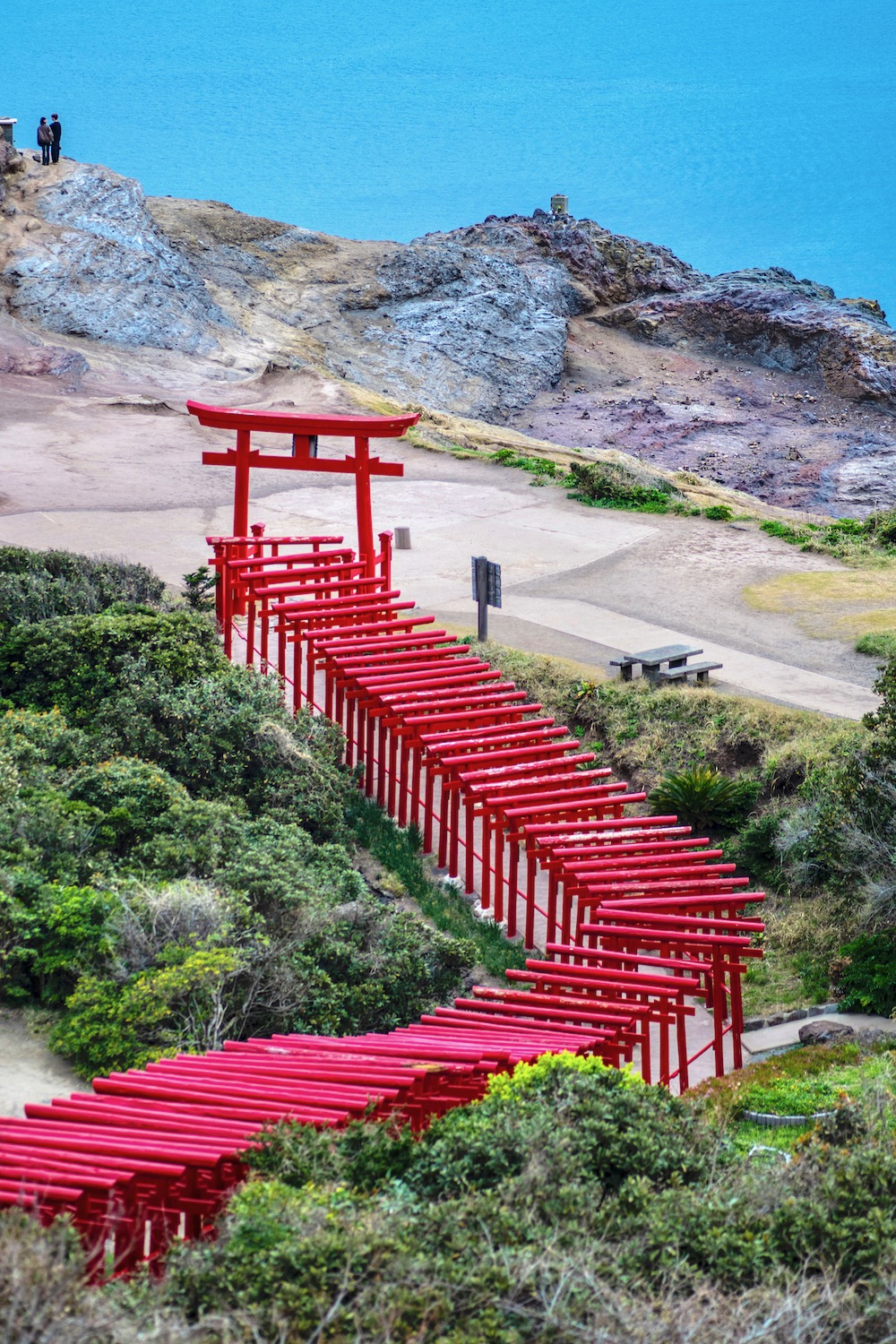
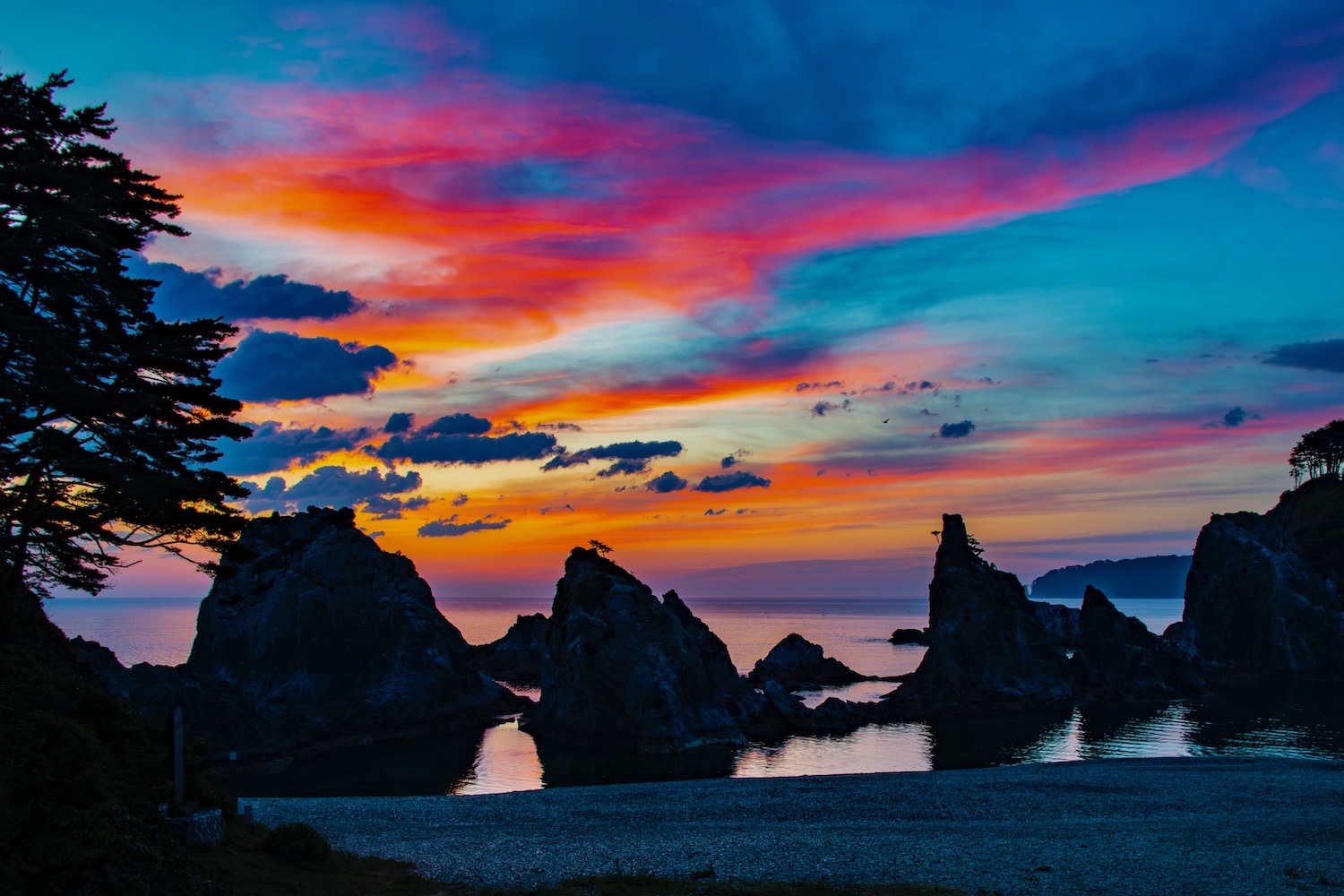
I tried to come up with a catch name for these two tertiary regions of Honshu island, but I failed. Thankfully, it doesn’t matter. If you happen to be in the southern and western parts of Japan (specifically near Okayama Station), ride a train from there up to Tottori, Yonago or Matsue, the three easiest entry points to the San’in region. Alternatively, head northward and eastward from Tokyo to Tohoku (a region whose name literally means “northeast”), where Samurai districts and dreamy beaches and literal “snow monsters” await.
Japan’s other islands
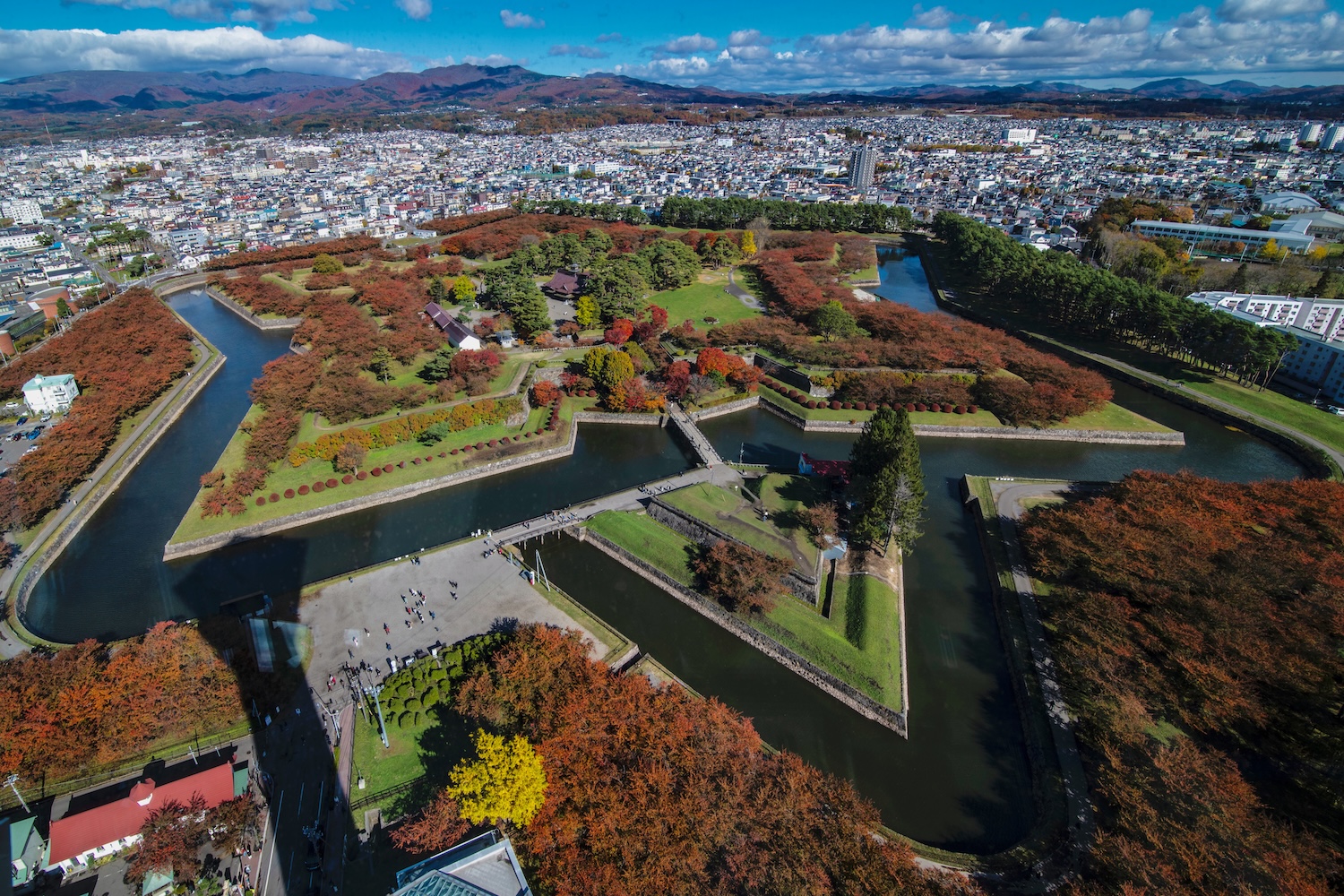


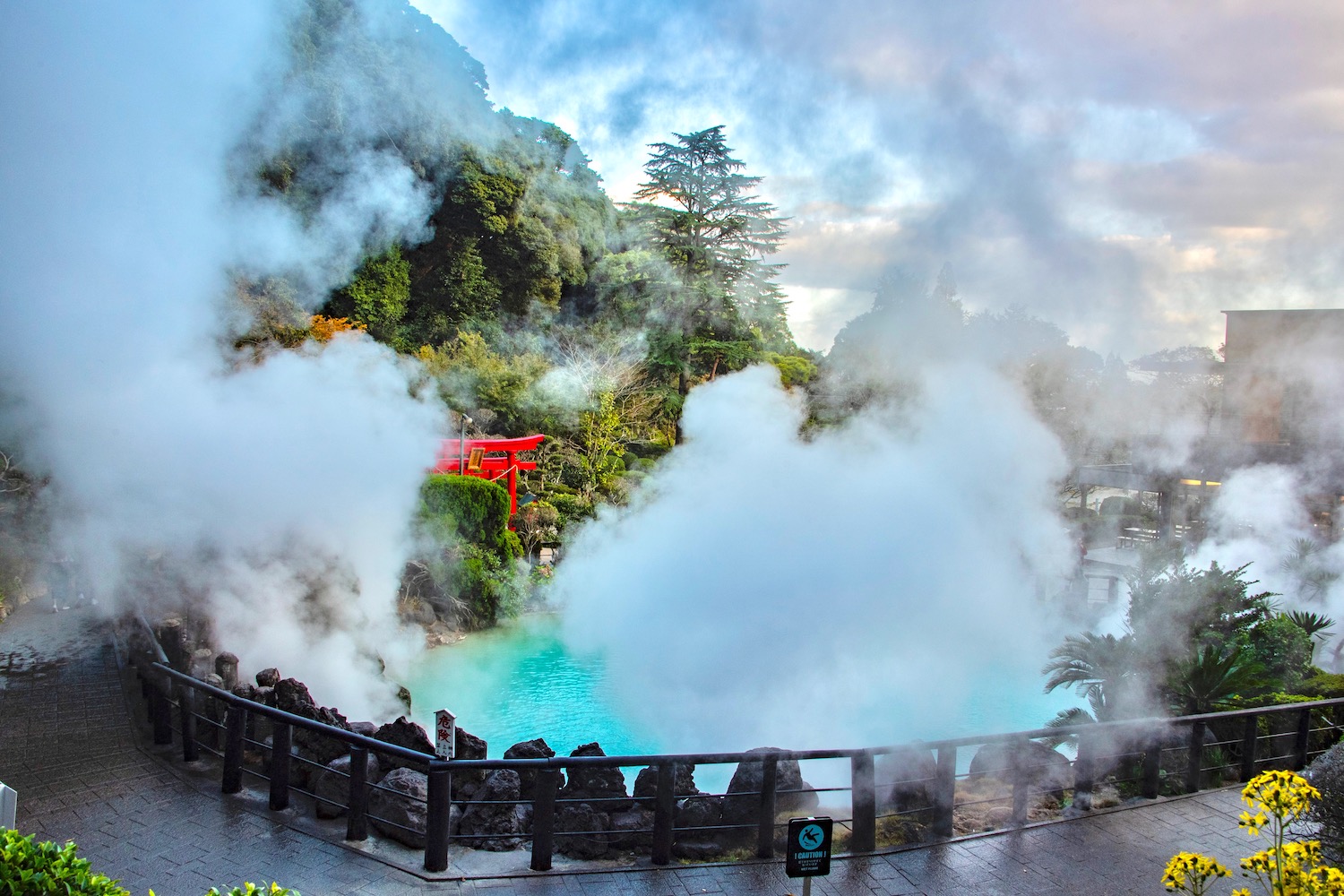
Honshu is a huge and amazing island, but the reality is that many of the best spots in Japan are located on one of Japan’s other three main islands. The northern wilderness of Hokkaido, for example, is home both to large cities like Sapporo and Hakodate, as well as the nearly uninhabited Shiretoko Peninsula. The southern island of Kyushu, meanwhile, is Japan’s best onsen hot springs destination, which makes sense given massive volcanoes like Mt. Aso. Finally, what small-but-might Shikoku lacks in a bullet train connection, it makes up for in having a disproportionate share of Japan’s 12 original castles.
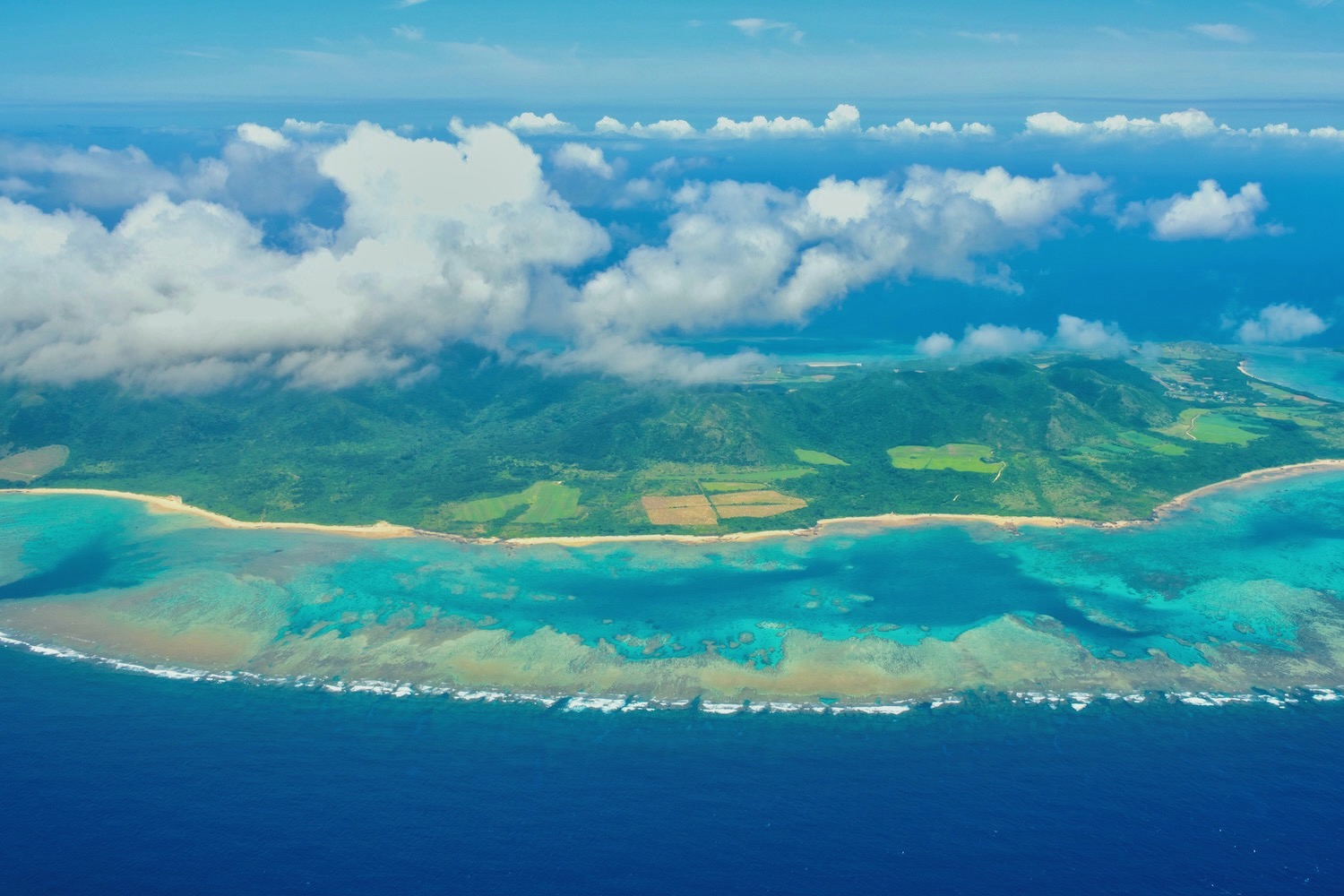
NOTE: Although some people include the Okinawa archipelago as part of the Kyushu region, I tend to consider them separately. You can explore these islands as much or as little as you’d like. Some travelers stick only to the main island and Naha city, while others explore Ishigaki, Miyakojima and points even further beyond.
Off Japan’s beaten path—really

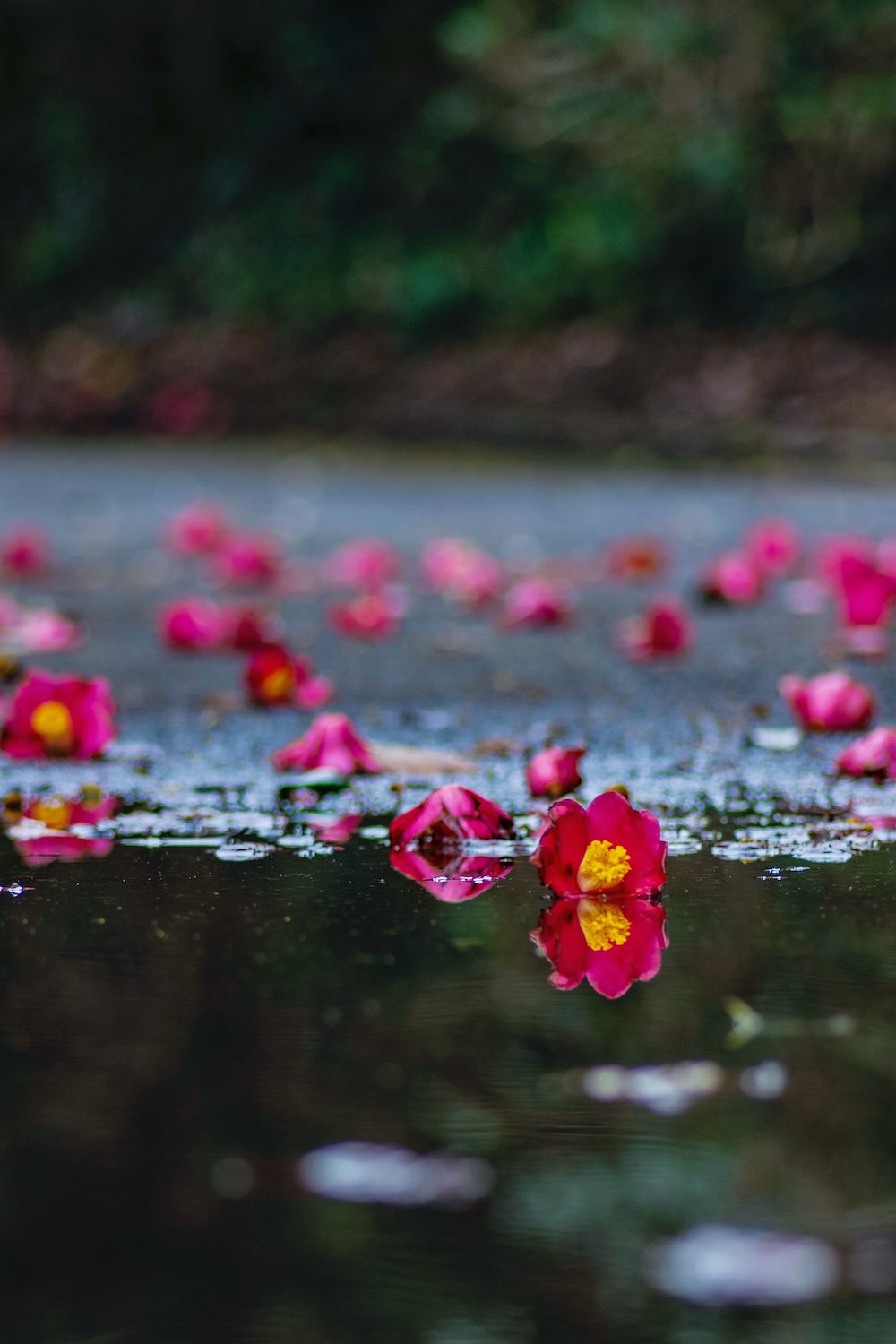


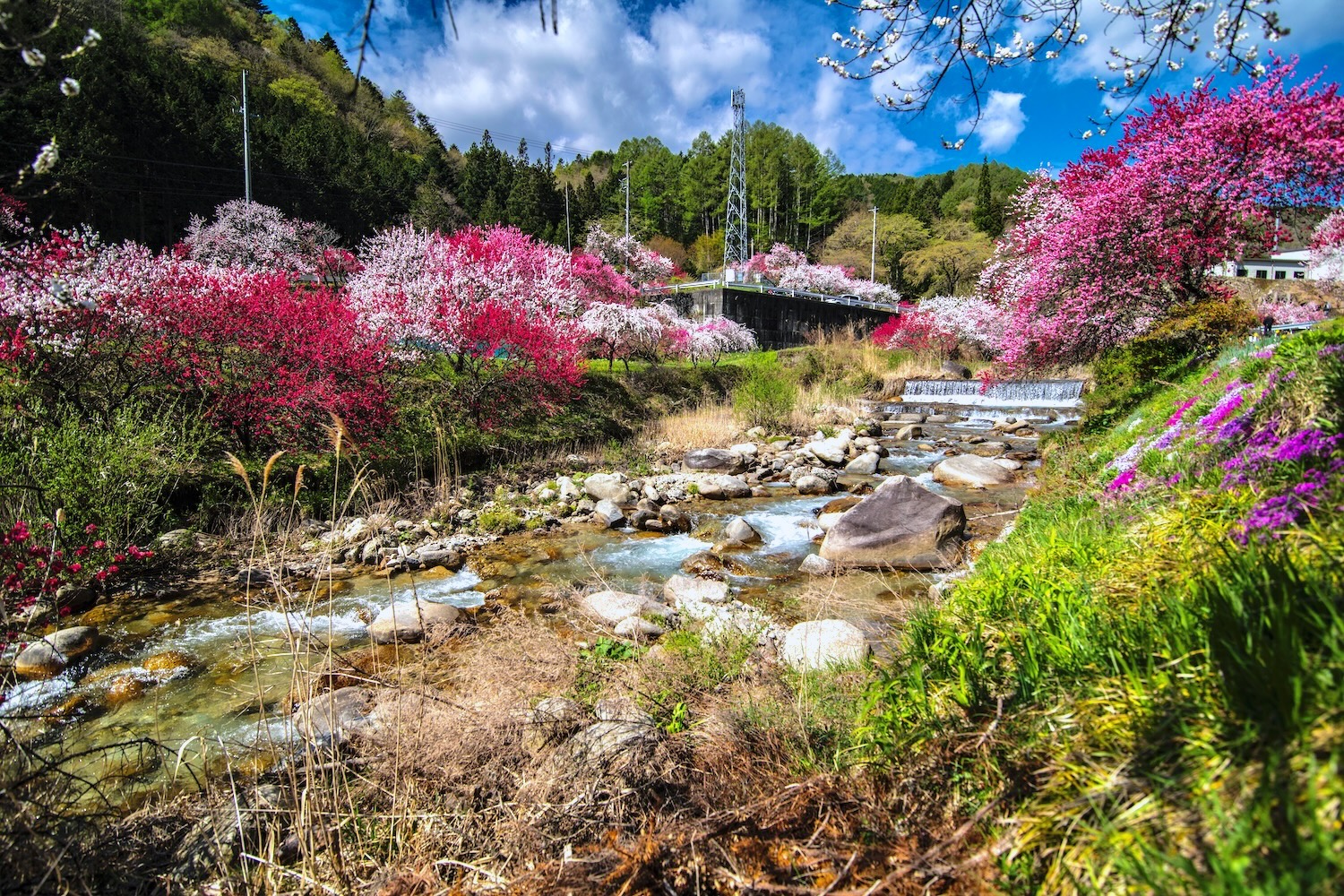
I’ll be honest: The more popular Japan gets as a travel hot spot, the harder it is to go truly off its beaten path. Hard, but not impossible. Obviously, one very easy way to do this is to visit Japan’s non-major islands, from the Izu Islands that extend up to 1,000 km south of Tokyo, to Rishiri and Rebun off the northern tip of Hokkaido, to remote Iki, Tsushima and Goto in Nagasaki prefecture. Another tactic is visiting places that aren’t far away, but that most people miss, from cities like Kesennuma and Matsumae, to oft-overlooked Tokyo-adjacent prefectures like Ibaraki and Saitama.
The Best Way to Make Sure You Visit Japan’s Top Destinations
If you are kind enough to read this guide through to its end—and I thank you in advance for doing so—you’ll be able to absorb more than a decade of information and insights in a matter of minutes. For many travelers, my website makes it quick and easy to plan a Japan trip all on your own. But what if you don’t have the time to physically put together a document that outlines your trip, or the mental bandwidth to collate the details therein?
This is where my custom Japan itinerary service comes in—helping you decide upon the best places to go in Japan is only the beginning. I’ll provide you with personalized daily recommendations for activities, meals and accommodation, and and give you detailed transportation advice to string it all together. Plus, I kick the process off with a one-on-one video chat, and offer email support up until the day you depart.
Other FAQ About the Best Places to Visit in Japan
What is the prettiest part of Japan to visit?
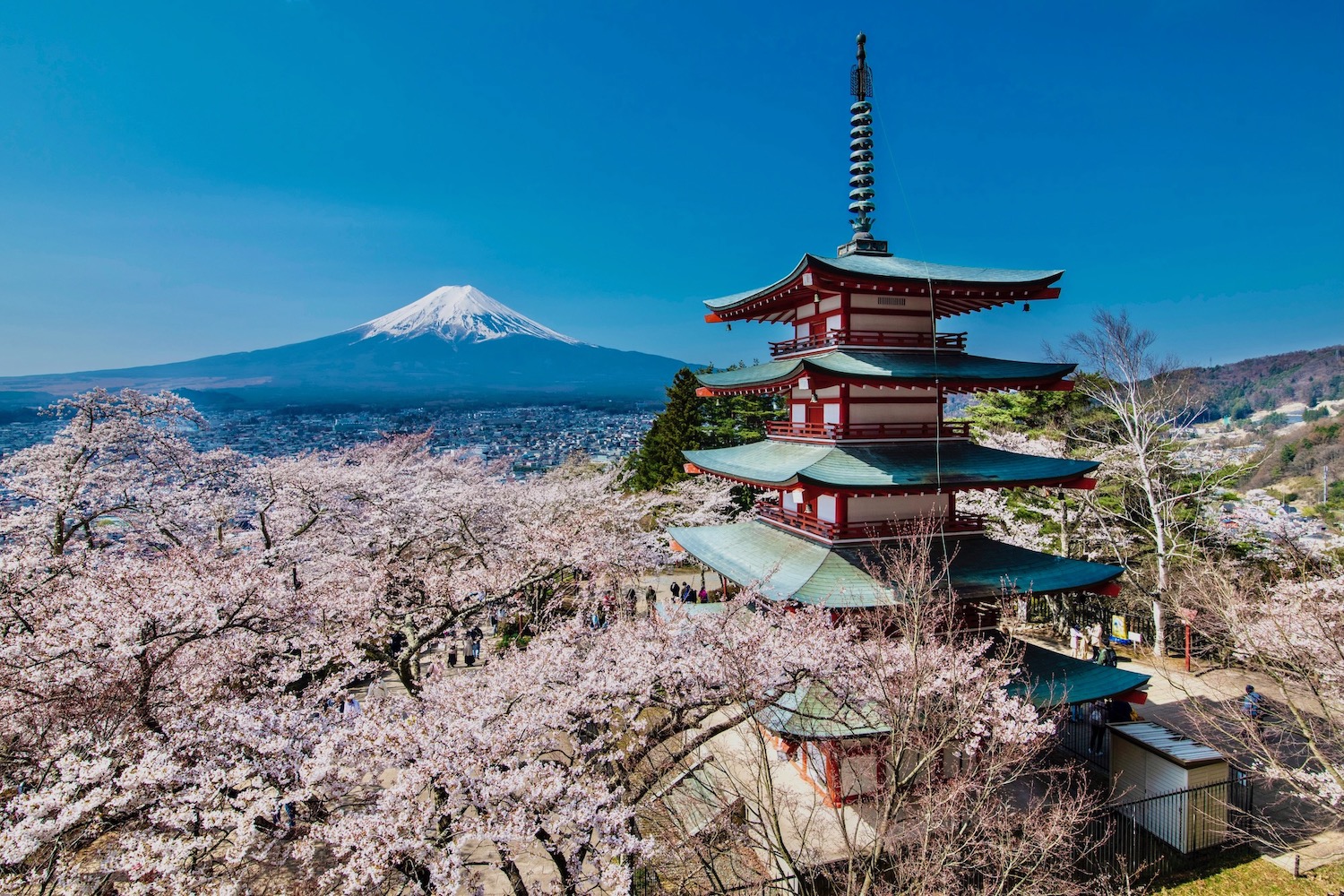
Japan is beautiful throughout, whether you’re on the tourist trail or off the beaten path. In the former category, I’d say that Mt. Fuji is every bit as iconic as its reputed to be, while for cities, Kyoto is worth enduring the crowds. If you’re seeking more alternative destinations, I suggest heading to the Sanriku Coast (where the tsunami came ashore in 2011, and which remains one of Japan’s most iconic destinations) or to the underrated island of Shikoku.
What are the top 5 tourist attractions in Japan?
Without looking at numbers (which can be deceiving), I’d say that the top 5 tourist attractions in Japan are probably as follows: Mt. Fuji; Shibuya Crossing in Tokyo; the “Big Buddha” of Kamakura; Osaka’s Dotonbori Canal; and the Arashiyama Bamboo Forest in Kyoto. However, don’t feel like only popular places in Japan are worth visiting. Almost anywhere you go in Japan has the potential to be life-changing!
What are the big 3 places to visit in Japan?
The big three destinations in Japan are usually listed as Tokyo, Kyoto and Osaka, aka the “Golden Route.” However, people sometimes group Kyoto and Osaka together (on account of their proximity to one another), listing either Mt. Fuji or Hiroshima as the third of the “big 3” place to visit in Japan.
The Bottom Line
There’s no single, universally applicable list of the best places to visit in Japan. Where you should go in Japan depends on a variety of factors. How much time do you have, and is it your first trip to Japan? What sorts of experiences have you enjoyed in other countries? Do you mind being around other tourists, or do you want a city or town that feels more your own? And perhaps most importantly, can you speak any Japanese? I’ve provided over a decade of insights over the preceding dozen or so paragraphs, but there’s another step you can take if you still need some help. Namely, you can hire me to plan a custom Japan itinerary for you.