



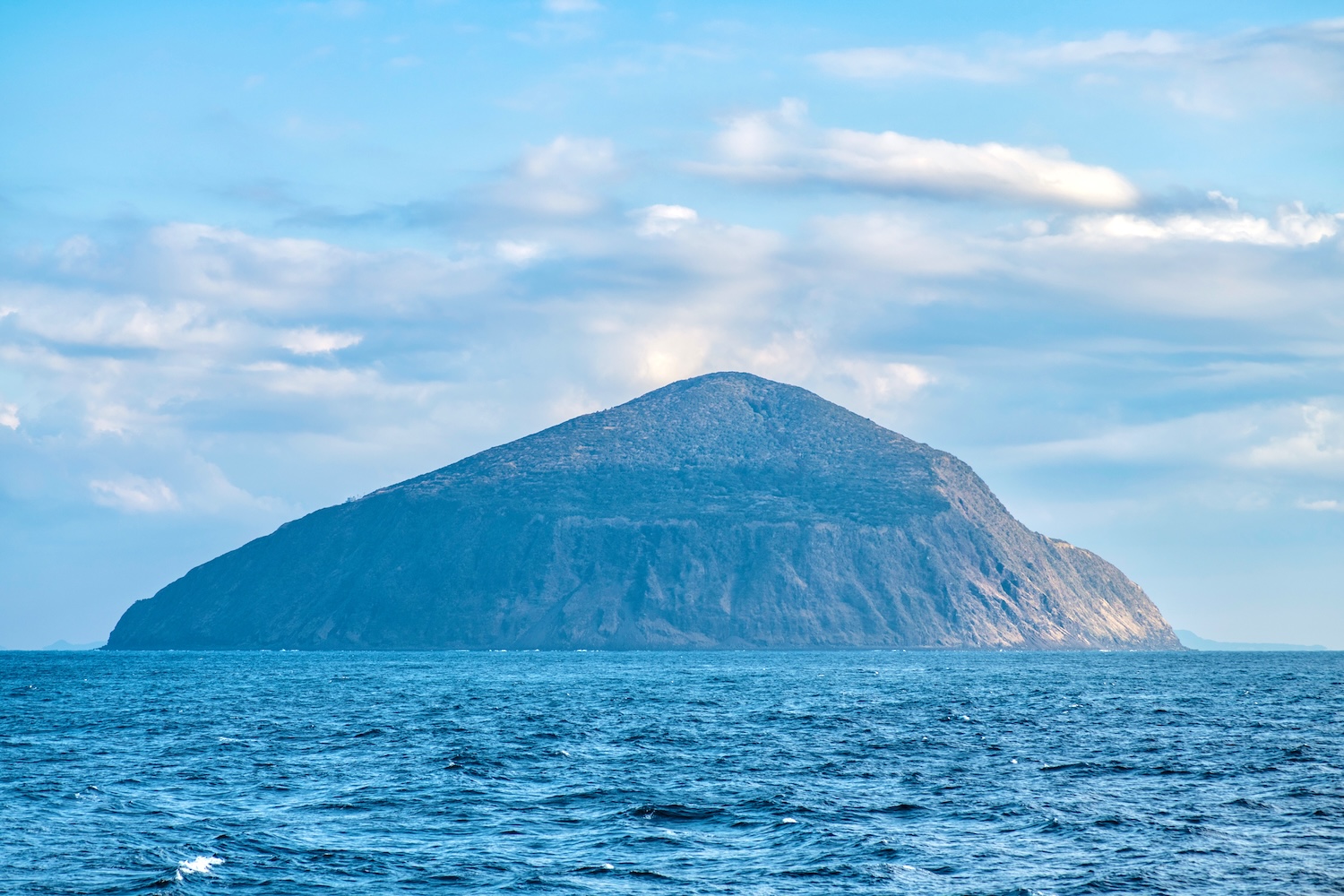
Toshima is an obscure destination—even many of the Japanese people I told I was going didn’t know where it was. This was true even when I shared the kanji (利島) for it.
“I didn’t know there was an island called ‘Toshima’ in the Izu chain,” one admitted, before following up with the obvious question. “Why would you go to a place like that, anyway?”
The reality (which I’m not embarrassed to admit, for the record) is that I went to Toshima island (in winter, no less) primarily to see its camellia bloom. But a lot more awaited me there—and not all of it good, I’m afraid—so I do hope you’ll continue reading.
Why Toshima Gets Overlooked So Often
The journey from Tokyo to Toshima isn’t long, at least not in the summer. The fast jetfoil ferry can get you door-to-door in under three hours, which is around the same amount of time it would take to reach Kyoto or Kanazawa. Unfortunately, summer isn’t the most compelling time to visit, in my opinion—I’ll explain more about that later. In winter, on all but a few days, you need to ride a large passenger ship to reach the island, taking up to 12 hours one-way.
Of course, a cumbersome journey isn’t the only reason so many travelers skip Toshima—many don’t even know it exists. For others, the thought of exploring a small island with only a few hundred residents isn’t a compelling enough reason to visit, particularly if they don’t like camellias or dolphins. Still others would like to visit, but can’t manage to find accommodation.
What to Do in Toshima
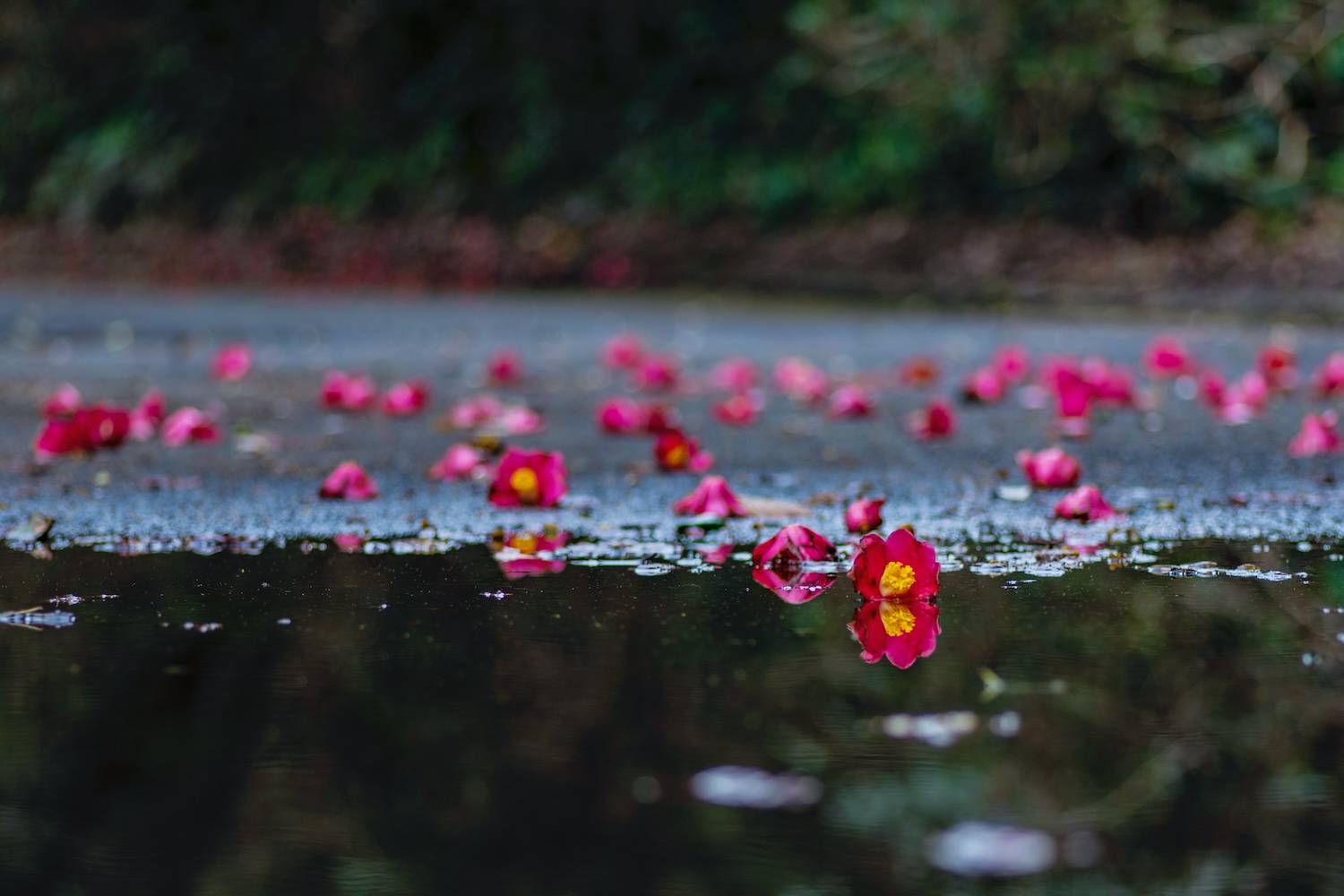
See the camellias (in winter)
Toshima was the first stop of what is, at the time of writing, my most recent winter trip to Japan. While tsubaki, for factors specific to their botany, are not as dramatic or impressive as sakura or even ume, they certainly added a unique accent to an island that is otherwise unremarkable in winter.
Or the dolphins (in summer)
When I travel from Tokyo to Izu islands this summer, I likely won’t return to Toshima—that’s probably more of a 2027 event. Still, when I do, I will enjoy some activity that involves the local dolphins who are almost as famous as the island’s camellia. Whether or not I actually swim with them will remain to be seen.
Take a jetfoil (if you can)
One advantage of visiting Toshima in summer? You can travel by high-speed jetfoil ferry, which takes less than three hours door-to-door from Takeshiba Pier, near Tokyo’s Hamamatsucho Station. It’s available on select dates outside of peak season as well, though this is definitely not reliable.
Or try the large passenger ship
In other times of the year, you’ll have to take a large (and slow) passenger ship for at least part of your journey. Some travelers will ride the fast ferry to Oshima (it operates all year) and then the slow boat from Oshima to Toshima. Others will take the slow boat the whole way, but stay in a private, “deluxe” cabin to soften the blow of the long journey.
Be careful what you eat
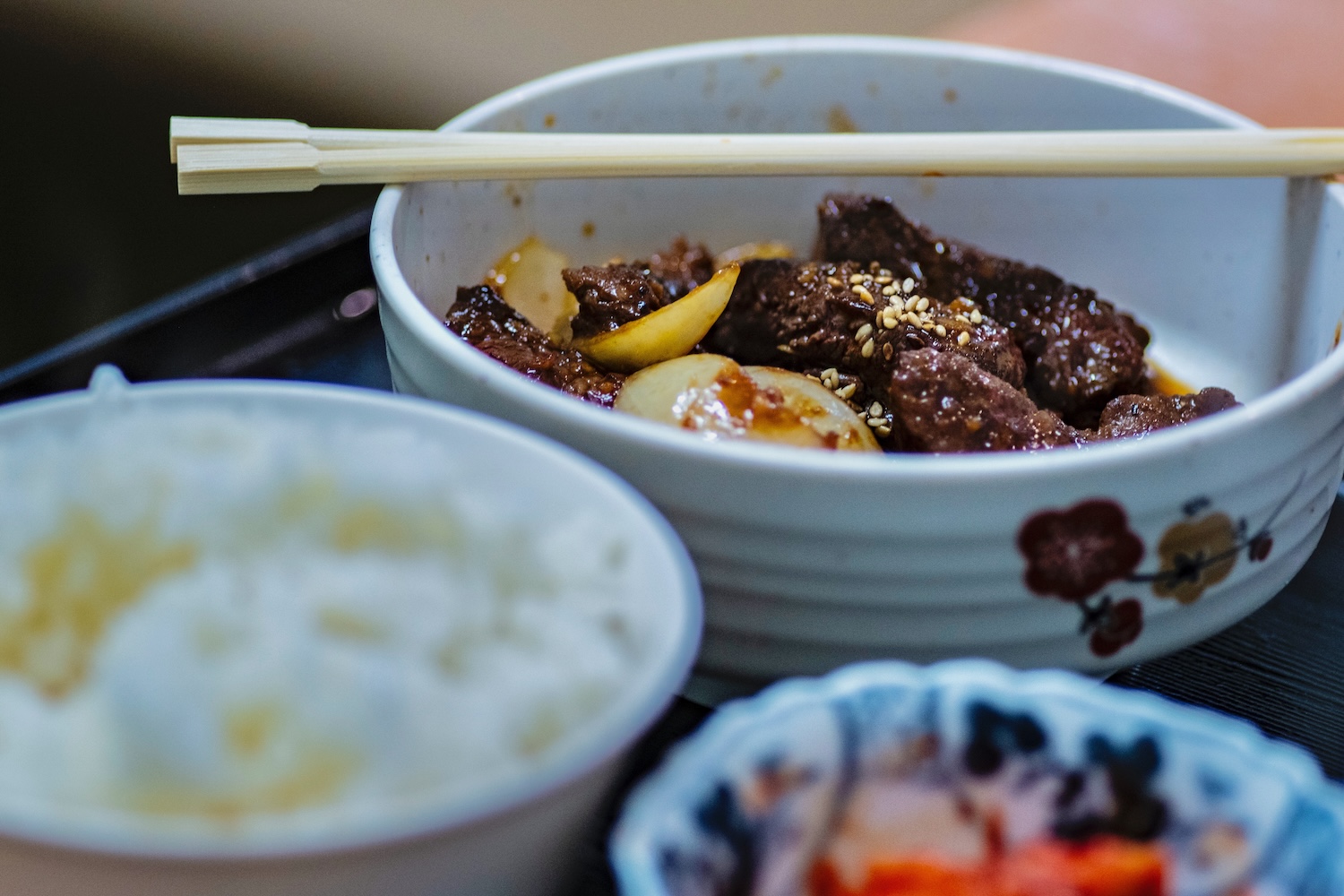
Food poisoning is uncommon in Japan, but unfortunately, not in Toshima. There is just one permanently open full-service restaurant on the island—and I fell ill just a few hours after eating there. My recommendation would be to purchase a meal plan with your room and, apart from eating there, get packaged food from a supermarket.
Where to Stay in Toshima
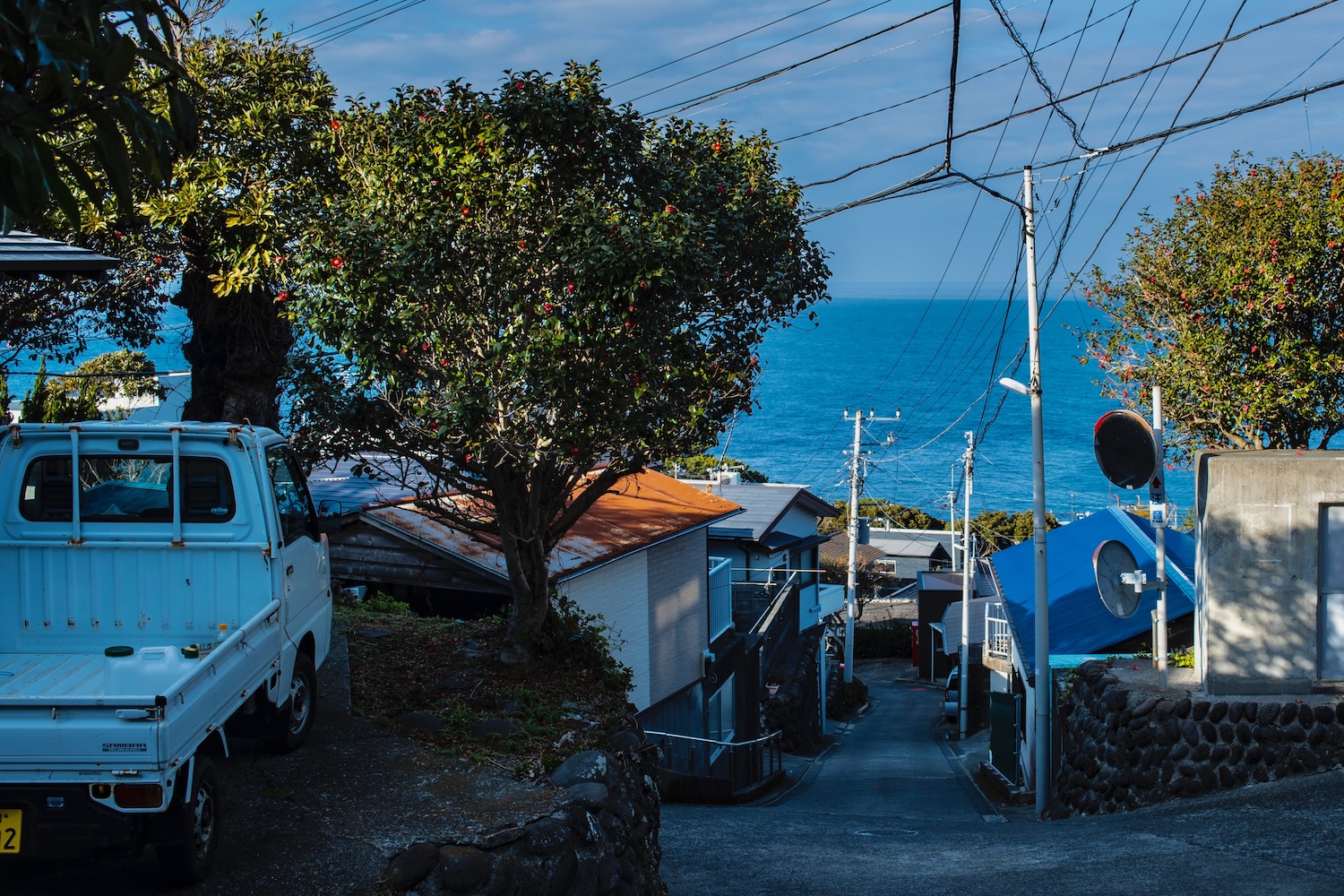
Let me start this section by reminding you that only ~300 people live on Toshima year-round. The are only a few accommodations, most of which are side businesses for residents whose focus is actually in some other industry. On top of this, no accommodation on Toshima lists with an online travel agency, meaning it isn’t possible to get instant confirmation for your booking. You need to email the provider and see what they say.
The bad news? My first choice, Sanwamaru, denied me within minutes of my reservation request, even though I emailed them on the day bookings opened. They lied and said they were “full”; I’m relatively certainly that they simply don’t allow foreigners to stay. The good news? My second choice, Soudaimo, happily accommodated me with a comfortable room and a delicious meal—make them your first choice.
Other FAQ About Visiting Japan’s Toshima Island
What is Toshima Island known for?
Toshima island isn’t actually very known at all. To the extent that it is, however, it is known for camellias (tsubaki) in winter and dolphins in summer. With this being said, you shouldn’t expect it to be crowded, even in “peak” season, when its popularity pales in comparison to the other Izu Islands.
How to get to Toshima Island?
Toshima island is accessible via boat from both Tokyo and Shimoda, though the type of boat and how long it takes will depend upon the time of year you visit. If you come in summer, you can enjoy daily service on high-speed jetfoil boats that take less than three hours one-way. If you have to take a larger passenger boat, however, you can expect a journey time of up to 12 hours.
Is Toshima Island worth visiting?
You can easily make the argument that Toshima island is worth visiting if you have a specific reason to go—I went in winter for the tsubaki, and plan to return one day in the summer to swim with dolphins. However, an aimless trip isn’t advisable, given that this is a tiny island with less than 300 inhabitants and few places to see, stay or eat.
The Bottom Line
I’ll be the first to admit that Toshima island isn’t for everyone. The journey there is long, especially in the winter, which in my opinion is the most compelling time to visit. Additionally, it’s an island with almost no people and not many square kilometers to explore. There is only one actual restaurant—and I got food poisoning there! With this being said, if you can endure the ferry ride from Tokyo, and have at least a day or two of flex time in your trip, I do think Toshima can be worth visiting for the right traveler. This is especially the case if you enlist my help to plan your Japan itinerary, which includes personalized daily recommendations for activities, meals and accommodation, plus detailed transportation advice throughout.