


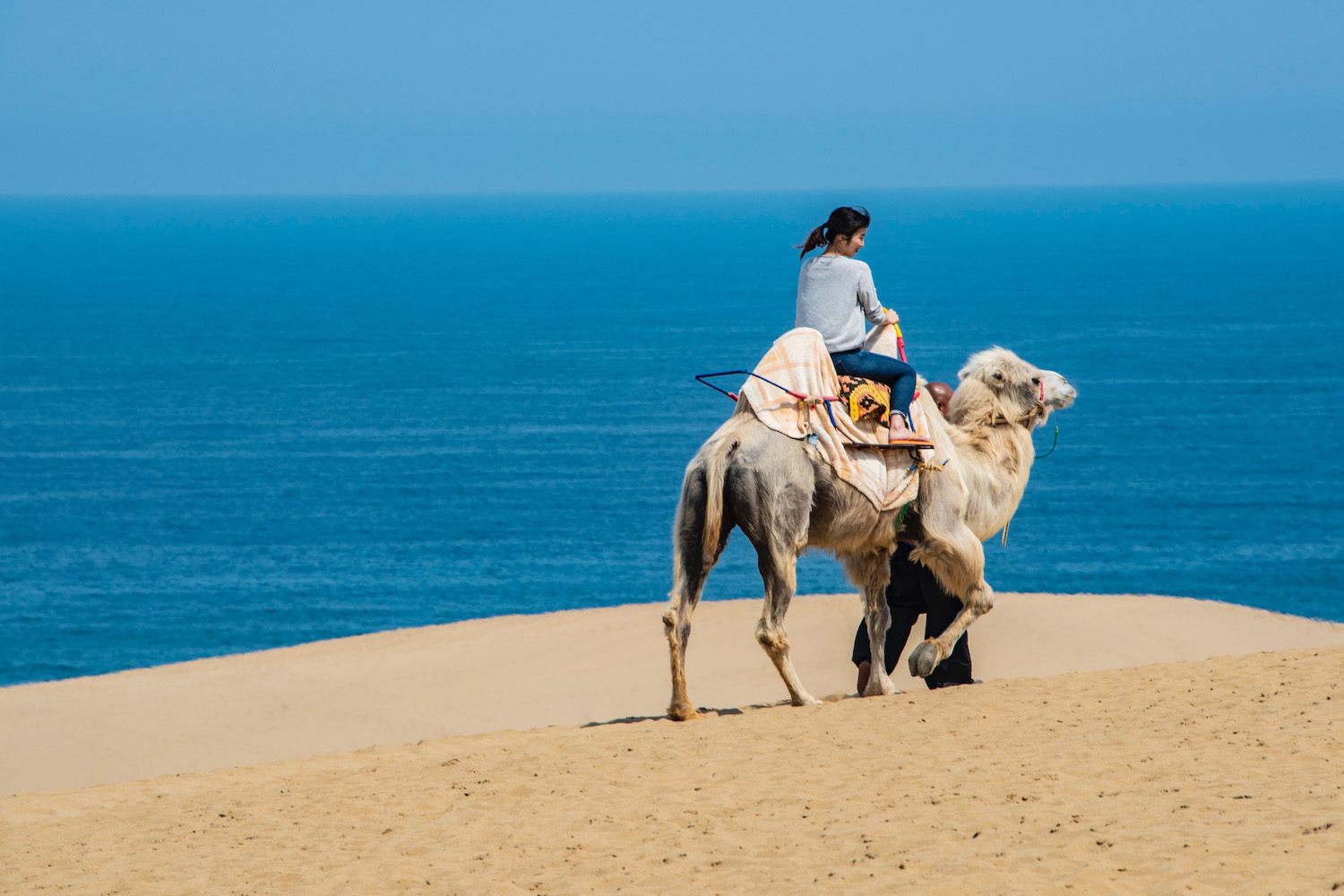
When I tell Japanese people that I visited Tottori on my first-ever trip to Japan, they’re shocked. Well, the ones who even know that Tottori exists, anyway. It’s the least-popular prefecture in Japan, and also seemingly the least-known.
My first visit to Tottori-ken, to be sure, was to see its main claim to fame: The Tottori Sand Dunes—which, before gaining notoriety among tourists (domestic or foreign) served as the backdrop for Kobo Abe’s 1964 novel (and, later, movie) Woman in the Dunes.
As you might imagine, I’ve returned to Tottori several times over the past decade-plus (and, for the record, have read Abe’s book—I have not yet seen the movie). And so my Tottori travel guide has had quite a long while to marinate.
Where to Base Yourself in Tottori Prefecture
Obviously, when you search for Tottori hotels, the first ones that come up are going to be in Tottori city. And I’ll be honest: Most are relatively anonymous Japanese business hotels, such as Super Hotel Tottori Ekimae. However, there’s an argument to be made that you’re better off staying further west in Yonago, and not because the hotels are better (Green Rich Hotel Yonago Ekimae is nothing to write home about, let’s be clear).
Rather, there are a couple of benefits to this. First, Yonago feels like a slightly bigger (even if, as I recently learned, it’s slightly smaller than Tottori City). Secondly and perhaps most importantly, Yonago makes a better base for exploring much of Tottori-ken, with direct train connections to Sakaiminato and direct bus services up to Mt. Daisen. Tottori City, by contrast, is convenient mainly just to the Dunes themselves.
How to Assemble Your Tottori Itinerary
Start at the Tottori Sand Dunes
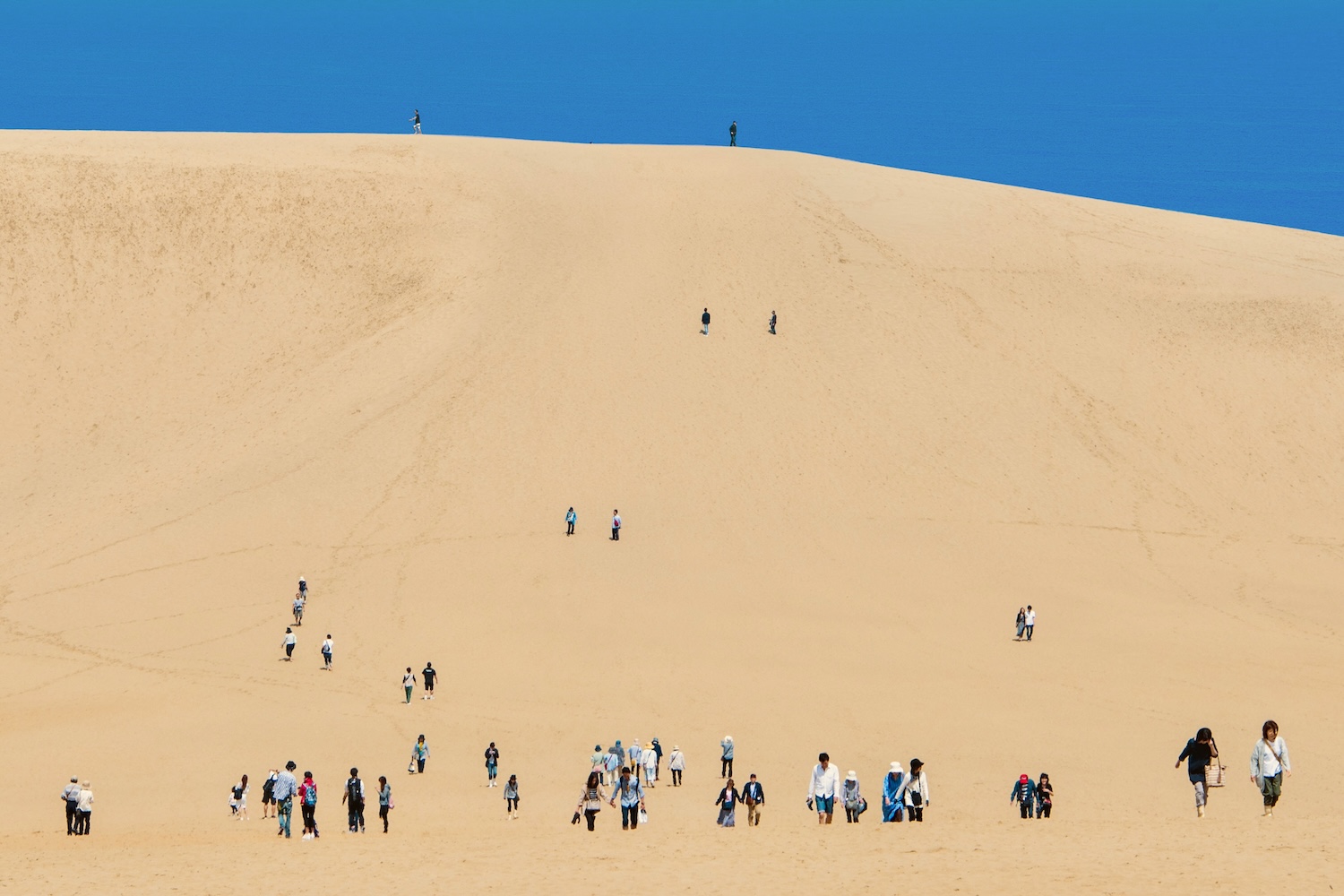
Not surprisingly, the Tottori Sand Dunes are by far the top tourist attraction in Tottori—and not just the dunes themselves, mind you. In addition to the vast, outdoor “desert on the sea” (which was actually formed over millennia due to the accumulation of wind-blown sediments from a nearby river), the nearby (and indoor) Tottori Sand Museum boasts impressive sand sculptures.
(And the Uradome Coast)

Another one of my favorite things to do in Tottori is down the water from the sand dunes, and so whether you’re coming by bus from Tottori Station or you’ve decided to rent a car, it makes a good add-on trip. I’m talking, of course, about the Uradome Coast. In addition to the dramatic stone outcroppings that comprise the scenery of this kaigan, I also love the variety of small fishing villages along it.
Climb to the top of Mt. Daisen
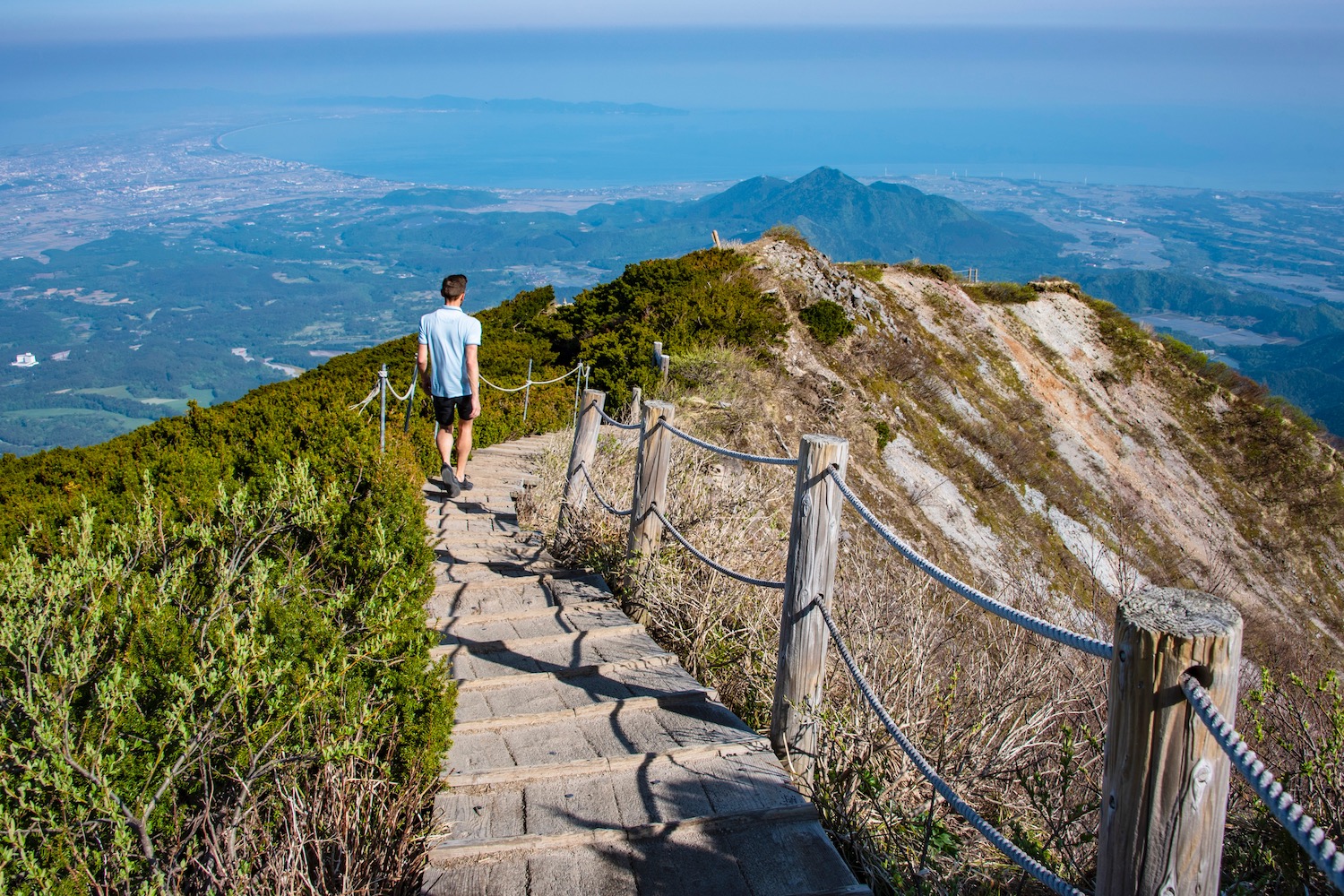
Sometimes called Hoki (meaning northern) Huji for its visual resemblance to Mt. Fuji, Mt. Daisen is by far the most notable natural feature not only of Tottori prefecture, but of the entire San’in region. While it’s much easier to climb than Fujisan, requiring just a two-hour hike from Daisen village, you of course don’t need to climb it if you don’t want to.
Explore Yonago—and Sakaiminato

As far as many travelers are concerned, underrated Yonago does not really figure it among what to do in Tottori, which makes no sense to me. Even the scenic views from the Yonago Castle Ruins are worth spending some time here! Absent this, you can take a dip at the coastal Kaike Onsen, or ride a commuter train to the port of Sakaiminato, famous not only for its seafood market, but for being the home of anime legend Shigeru Mizuki.
Don’t forget Kurayoshi and the Nagerei-do
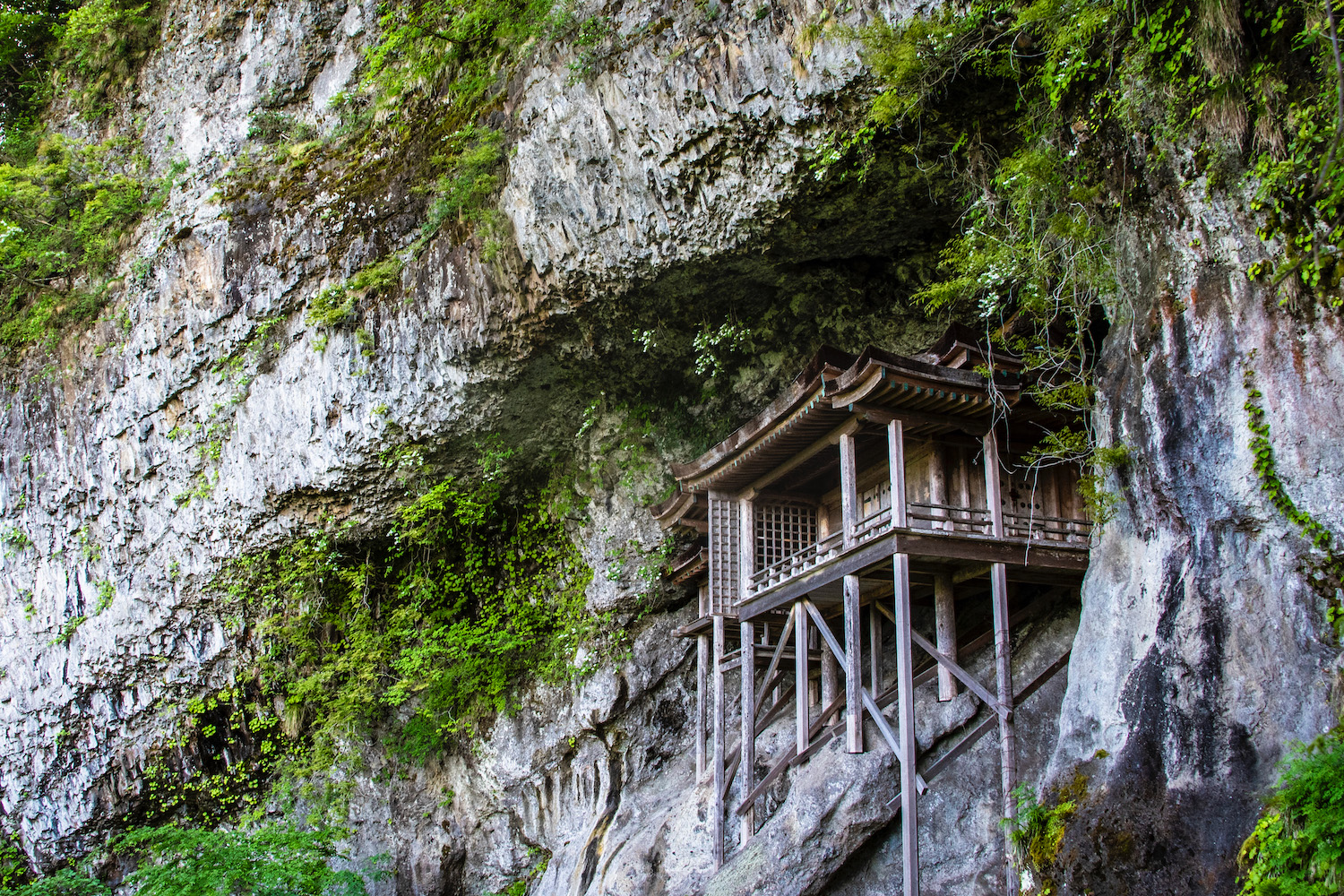
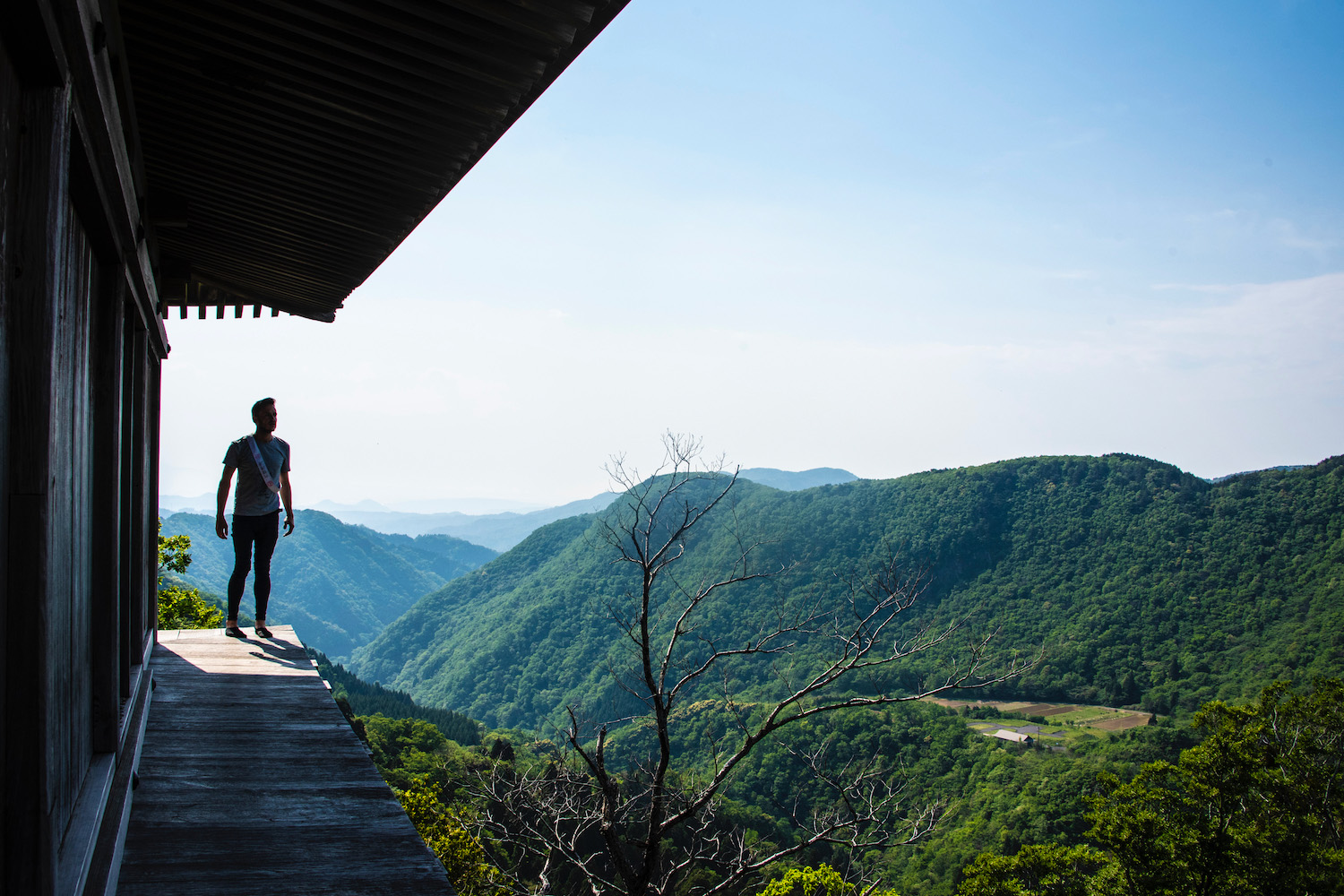
Now I’ll admit that the town of Kurayoshi has more obvious appeal to Japanese tourists than to foreign ones, be that at its namesake white-walled warehouses (famous for their inclusion in various Japanese movies) or the quirky Tottori Pear Museum. However, even if neither of these gets you excited, the exhilarating Nageirei-do hike (by some accounts, the most “dangerous” hike in Japan) makes this corner of Tottori-ken worth a second look.
How Long Do I Need in Tottori?
As you can see, in spite of being Japan’s least-populous prefecture, Tottori has no shortage of amazing destinations and experiences on offer. It’s also relatively large, especially since there’s no Shinkansen here. And so unless you literally just plan to do a touch-and-go visit to the Tottori Sand Dunes, you’re going to need longer than you probably expect, and maybe than you’ve budgeted.
When it comes to a specific number for how many days in Tottori you should spend? The short answer is around 3-5 days, depending on how many places you want to base yourself. I personally think that two nights each in Tottori and Yonago cities is optimal, though in certain seasons of the year, there’s an argument to choose an accommodation at Mt. Daisen either in addition to (which could push your total days to 5-6) or instead of Yonago.

Other FAQ About Your Tottori Itinerary
How do I get from Tokyo to Tottori?
The quickest way to reach Tottori from Tokyo is to take one of several nonstop ANA flights from Haneda Airport (HND) to Tottori Sand Dunes Airport (TTJ). Absent this, you can ride a Shinkansen from Tokyo to Kyoto or Shin-Osaka, and a Super Hakuto Limited Express train from there.
Should I stay in Yonago or Tottori City?
Tottori City is obviously the most convenient base for the Tottori Sand Dunes, though I personally find it a bit boring beyond that. Yonago, by contrast, is more convenient to other destinations in Tottori prefecture, as well as to neighboring Shimane prefecture. It also feels bigger, even though its popular its slightly less.
Is Tottori worth visiting?
Tottori is absolutely worth visiting—and not just because of the iconic Tottori Sand Dunes. Mt. Daisen in an uncrowded facsimile for Mt. Fuji (both visually speaking and for climbing), to say nothing of the exhilarating Nagerei-do hike. Likewise, the city of Yonago and its Sakaiminato Port are both highly underrated.
The Bottom Line
Like many a Tottori travel guide, mine has a necessary focus on the Tottori Sand Dunes, but this prefecture is much more than its most famous attraction. At a minimum, your trip here should also take you to the underrated coastal city of Yonago (and its superlative Sakaiminato port), plus natural attractions like Mt. Daisen. You can also make your way to the cinematic town of Kurayoshi and its notorious Nagerei-do, a “dangerous” hike that perfectly balances wild appeal with age-old heritage and architecture. Need personalized help figuring out how Tottori can fit into your next trip to Japan? Consider hiring me to plan it!