


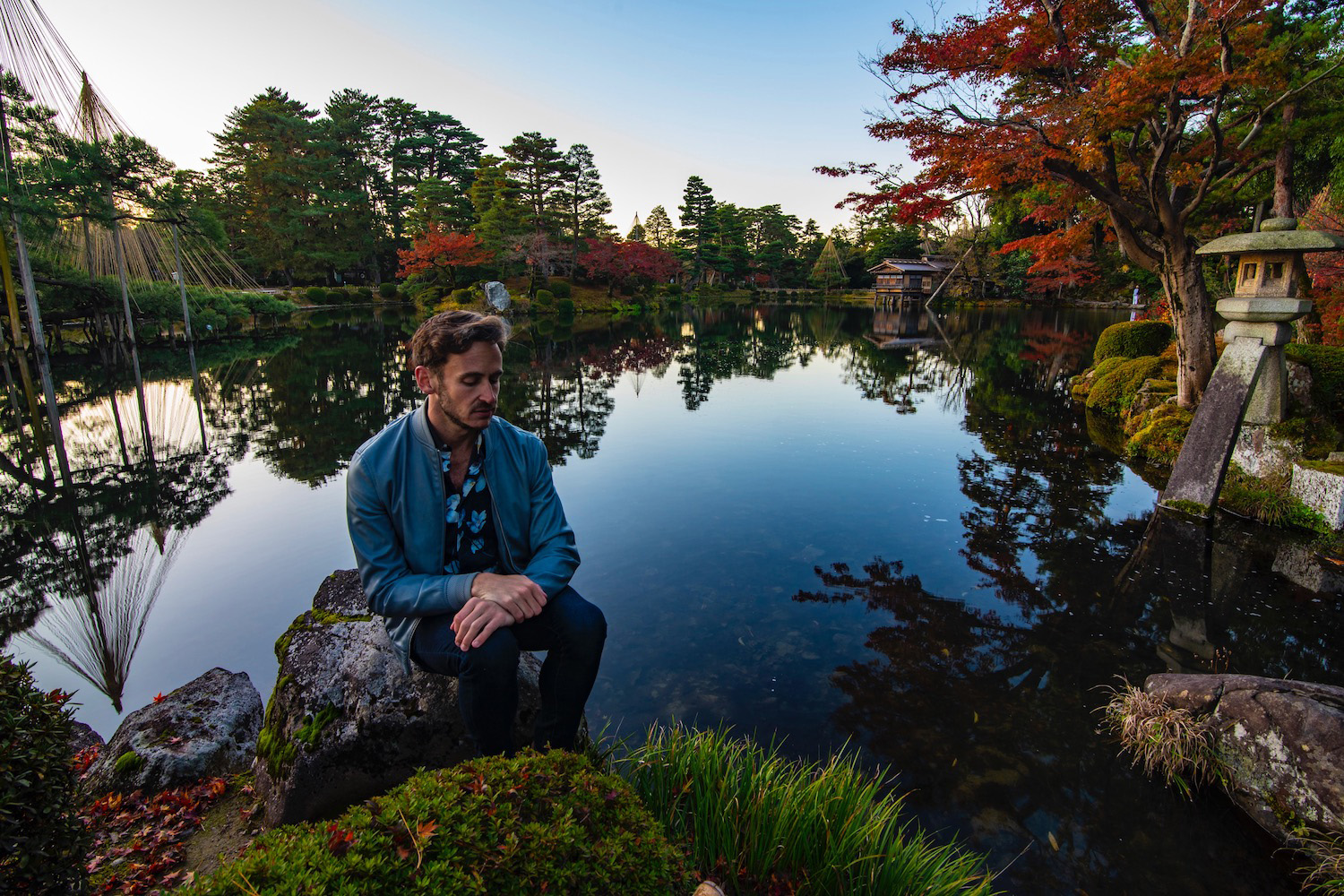
Kanzawa’s Kenroku-en garden is perhaps the #1 single destination that exemplifies how central the change of seasons is to Japan’s beauty. I’ve met many locals who absolutely insist that you must visit it in spring, winter, summer and autumn.
It’s a challenge I took to heart, and one I feel is relevant not only to Kanazawa city as a whole, but to the surrounding Hokuriku region. In fact, I’m now of the belief that Hokuriku is one of the best places in all of Japan to enjoy the autumn season.
Over the next several paragraphs, I’ll explain not only why to visit Hokuriku in autumn, but where you should go and how to make your trip happen. I hope you’ll give me a few more minutes of your time!
Hokuriku’s Autumn is Underrated
My first experience with the Hokuriku autumn was inadvertent—and incomplete. After my 2015 trip to the Japanese Alps, I ended up in Kanazawa on the way back to Tokyo (yes, I messed up my navigation a bit). It was a miserably rainy day; the leaves here were not at their peak. But it planted a seed that’s still bearing fruit to this day, even if it took me until my 2019 autumn trip to begin digging deep into this region in the fall.
Since that trip, which saw me focus primarily on Kanazawa-proper, I’ve come back many times, each peeling off another layer and feeling even more enchanted. And whether that was venturing into Toyama’s Kurobe Gorge in 2022, or Eihei-ji and Nata-dera temples (in Fukui and Ishikawa, respectively) in 2025, I’ve come to the same conclusion: Hokuriku in autumn (and in general) is a treasure hidden in plan sight.
Where to Go in Hokuriku in Autumn
Kenroku-en garden and Kanazawa Castle, Kanazawa
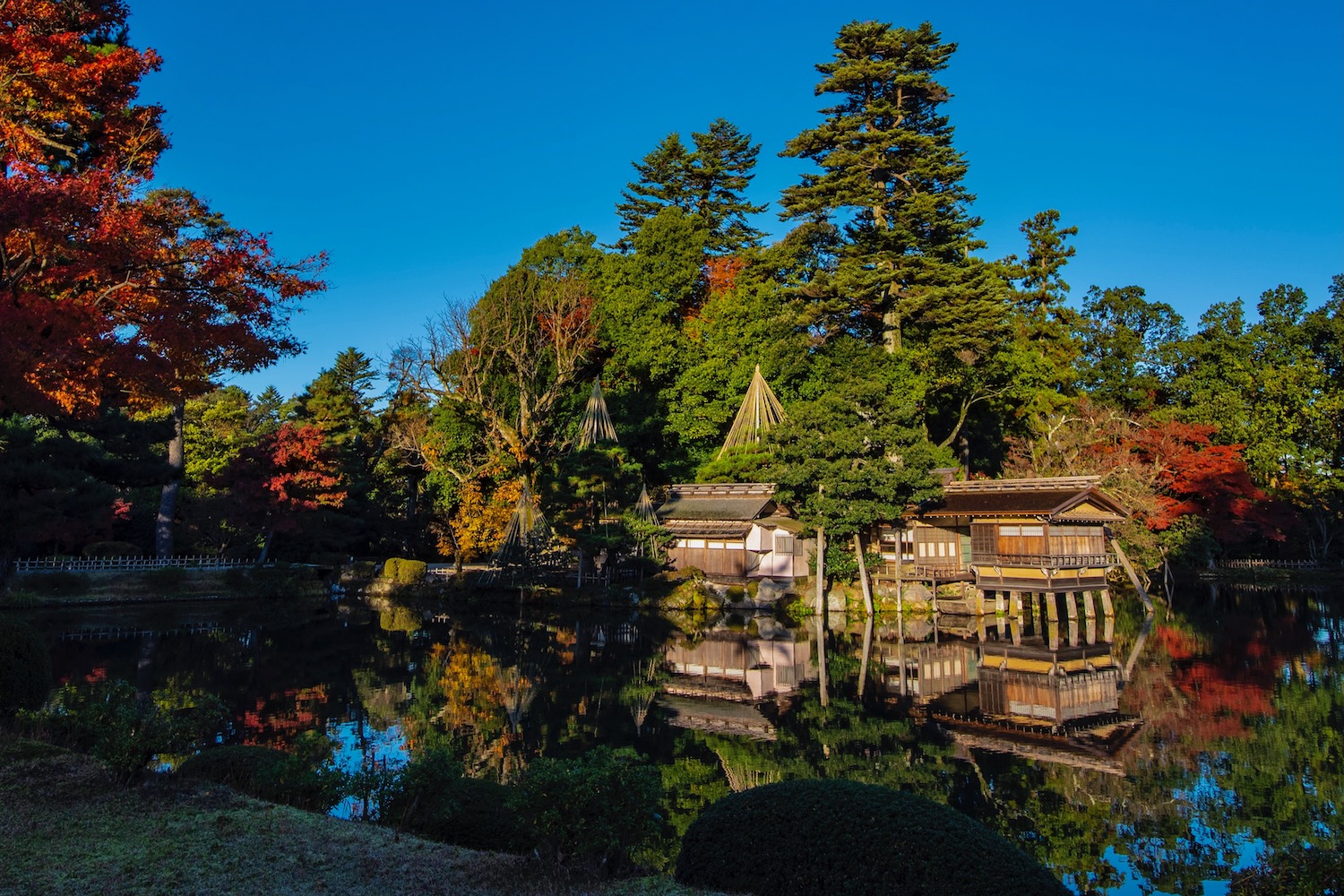
Kenroku-en garden, a famous local saying states, is a place you have to see in all four seasons—and autumn is one of the best. Across the street, Kanazawa Castle is not one of Japan’s “original” ones, but is still worth seeing in fall if you happen to be in Kanazawa anyway.
Nata-dera temple, Komatsu
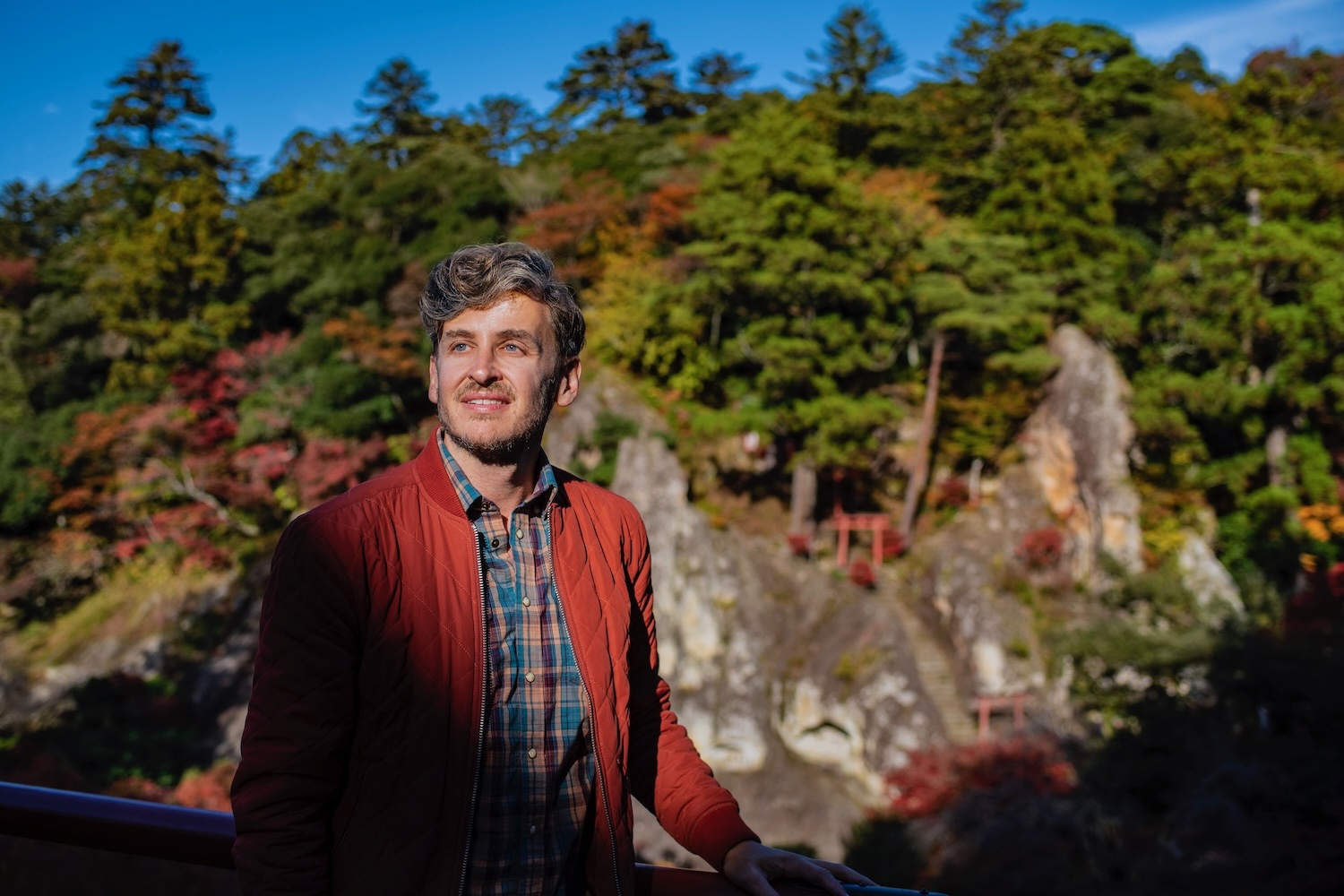
The next entry on my Hokuriku autumn itinerary is also in Ishikawa prefecture, specifically Komatsu city. I’m talking, of course, about Nata-dera, a temple that’s forgettable in other times of the year, but is spectacular in autumn. Make sure to come relatively early in the day to ensure the lighting is still good.
Kurobe Gorge, Toyama
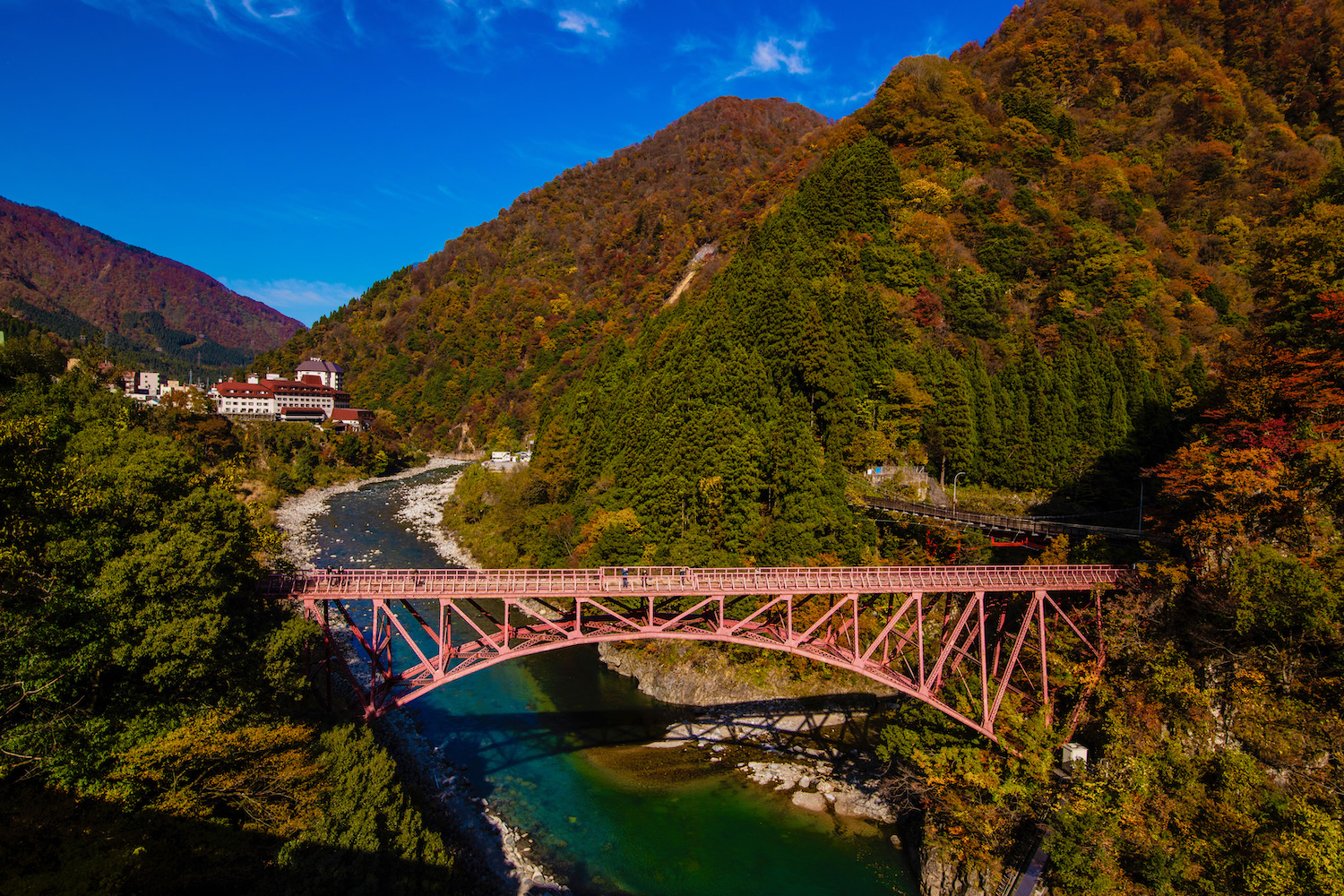
Traveling in Hokuriku in early or mid-November? While leaves in coastal cities will still be pretty green, venturing into Kurobe Gorge just inland from Toyama is a great way to ensure you can see vibrant red and yellows. Note that the local train that takes you into the gorge is open-air, so I’d suggest bundling up.
Eihei-ji temple, Fukui
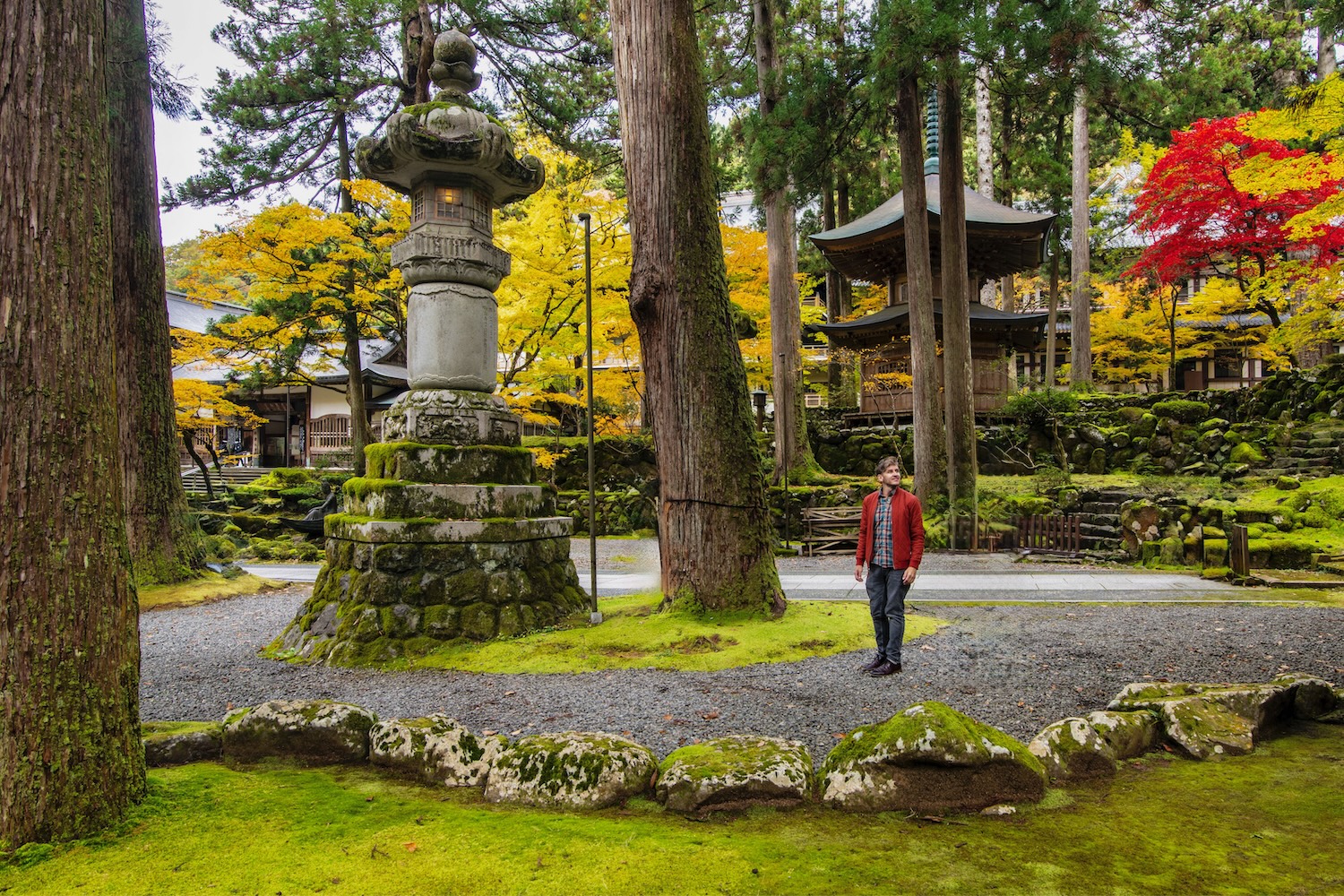
Another relatively early destination to enjoy autumn in Hokuriku is Eihei-ji temple in Fukui—leaves here tend to peak around November 15, specifically. It’s easy to get here on a day trip from any of the cities along the Hokuriku Shinkansen line, or even from Kyoto if you have a rental car.
Obama-cho, Fukui
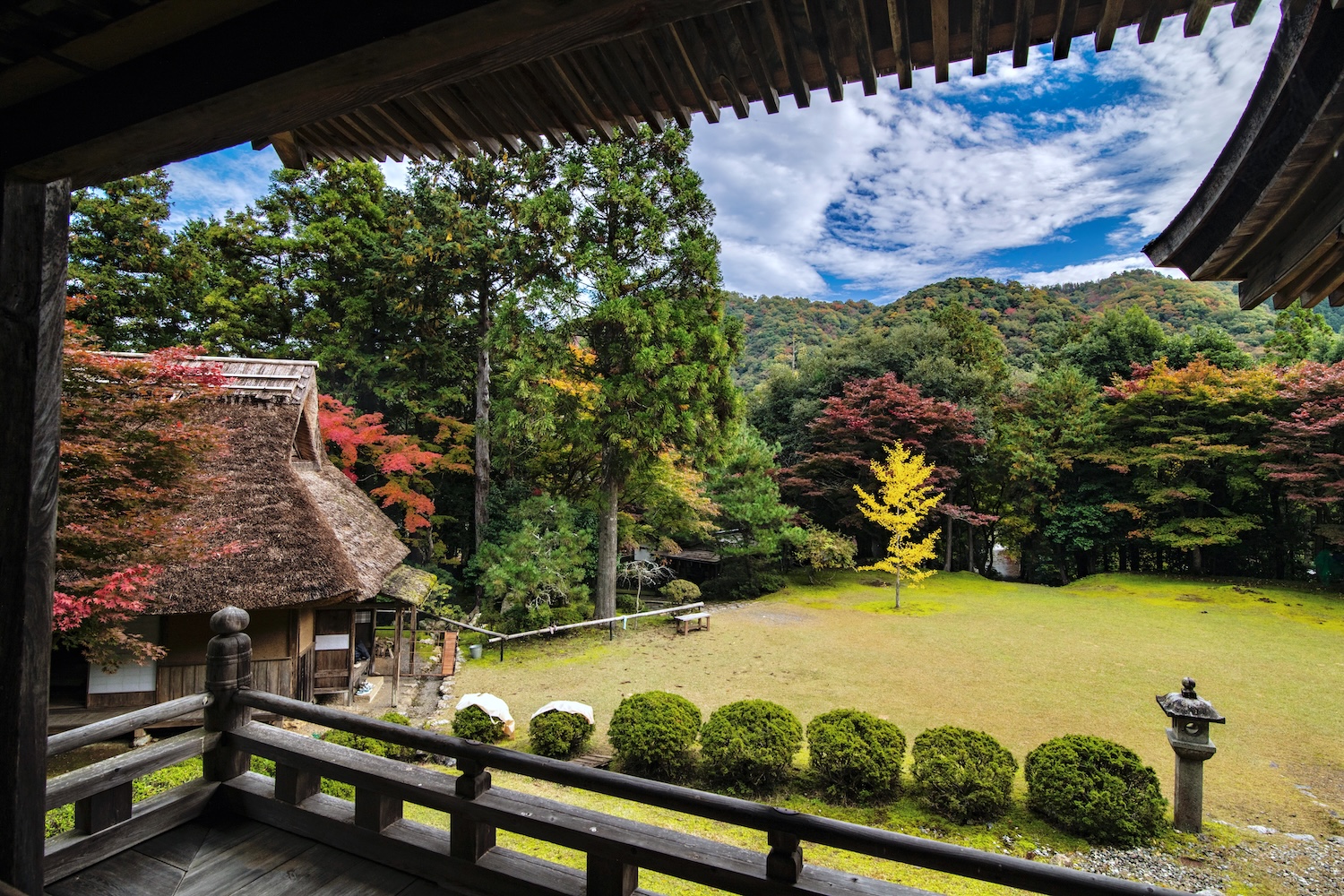
Rounding out our list is a second destination in Fukui-ken, specifically the underrated town of Obama. It’s pretty low-lying, which means peak color usually happens closer to December 1 than November 1. Still, if you can get the timing right, it’s one of my favorite places to enjoy autumn in the Hokuriku-chihou.
Hokuriku is Amazing Anytime of the Year
As I foreshadowed a few paragraphs up, it’s not accurate to say that Hokuriku is only amazing in autumn. In fact, some of my favorite Japan travel experiences throughout the year are here:
- If you come in spring, Kanazawa Castle (in spite of not being “original”) is a fantastic sakura spot, as is the so-called “Spring Quartet” as Asahi Funakawa in Toyama.
- In summer, meanwhile, irises bloom in Kenroku-en garden, and long daylight hours given you the most flexibility to take a boat trip onto the Sotomo coast in Obama, Fukui.
- The bad news? Snow is increasingly rare in Kanazawa and Toyama (rain, sadly, is more common) even though I’ve seen it in both. The good news? Heading even slightly higher in elevation increases your chances of seeing some.
Other FAQ About Hokuriku in Autumn
What to do in Kanazawa in autumn?
If you visit Kanazawa in autumn, I recommend starting at Kanazawa Castle and then heading from there to nearby Kenroku-en garden. Walk from there over the Asano River into the Higashi-chaya Geisha district, and consider making day trips to Kurobe Gorge (in Toyama) or Eihei-ji temple (in Fukui).
Is October a good time to visit Kanazawa?
October is generally a good time to visit Kanazawa, in terms of weather and crowds. Do keep in mind, however, that it’s much too early for autumn colors. In most years, they don’t reach their peak until mid- or even late November; red and yellow leaves can often stay on trees well into December.
Does it snow in Toyama in November?
It is very unlikely that snow will fall in Toyama city in November. With this being said, the chance of snow increases greatly the further into the mountains you travel, with it being almost guaranteed along the Tateyama Kurobe Alpine Route (to the extent that it closes to normal for the year past November 15).
The Bottom Line
I can’t recommend highly enough that you visit Hokuriku in autumn, whether that’s in 2026 or another year, and no matter where in the region you explore. Among its many charms is the fact that Hokuriku offers both urban autumn experiences (such as those in the cities of Kanazawa and Toyama) and rural ones (such as those on the Noto Peninsula and at Kurobe Gorge), to say nothing of how changes in elevation mean that you can enjoy vibrant leaves from October all the way through to December. Need personalized help planning your autumn adventure, no matter where it ends up taking you? Consider commissioning a custom Japan itinerary today!