


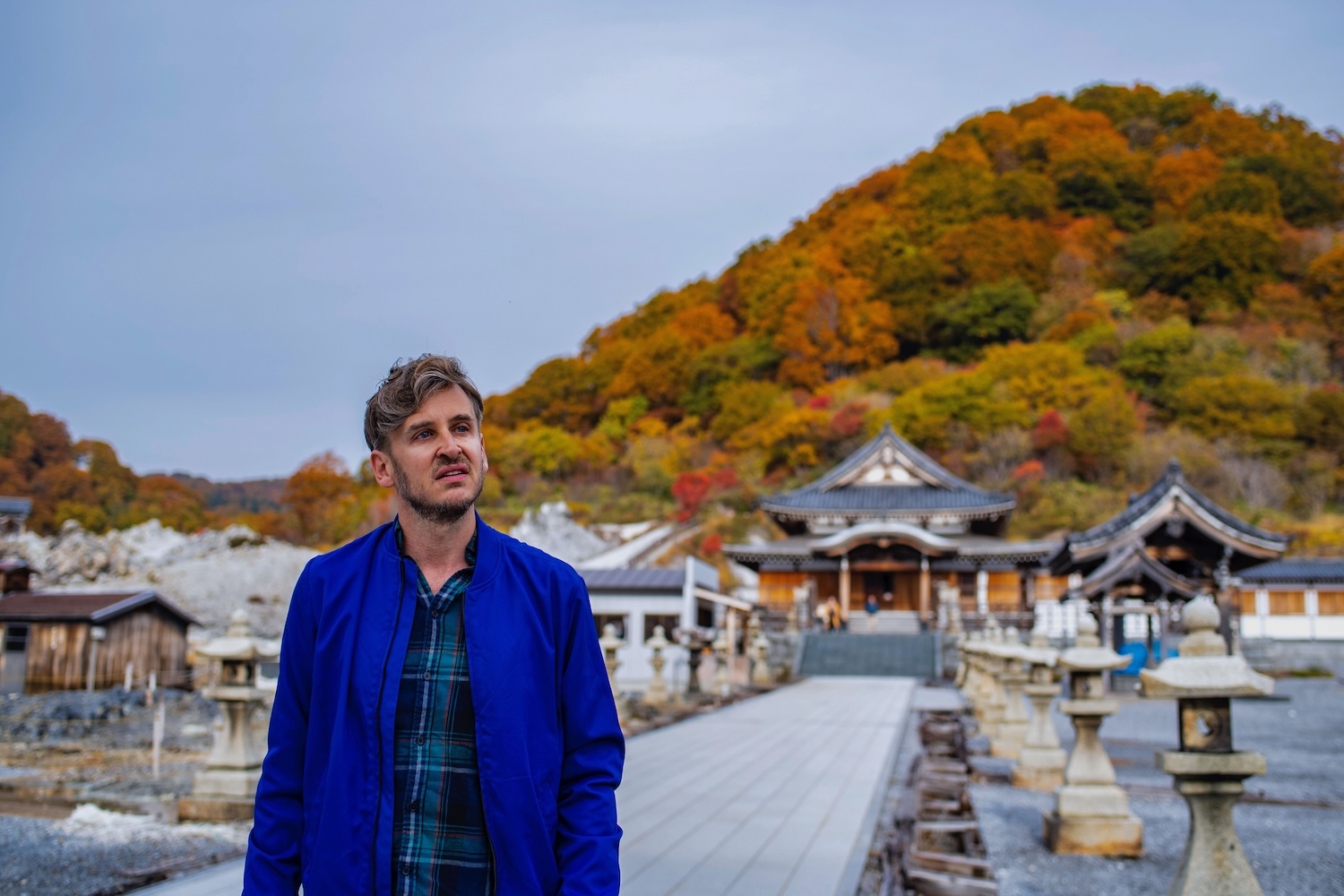
Japan’s Shimokita Peninsula, a hook-shaped outcropping just east of Aomori city, has evaded me for a long time. So long, in fact, that I planned out a ready-to-go itinerary for myself, which I could execute at any point I found myself in Honshu’s far north with at least a few days to spare.
Well, anytime during the autumn. I knew that if I was going to visit the peninsula’s star attraction, it would have to be amid a sea of blazing red and orange.
This is because Osorezan Bodai-ji, the temple that draws most of the Shimokita-hanto‘s visitors, is also sometimes known as the “door to hell.” Wouldn’t I want to see it when it looks to be engulfed in fire?
How to Get to Osorezan
The bad news? Mt. Osorezan (literally “Fear Mountain”) is remote, even if you already plan to be in Aomori City. This is largely because of the geography of the Shimokita Peninsula—you’ll need to drive almost as far east as you can in order to enter it; if you want to visit Osorezan, you have to drive northward, and then almost as far western as you can. While the temple is only a few dozen kilometers from Aomori as the crow flies, the drive takes 2-3 hours.
And you do, for all intents and purposes, need to drive. While you can technically reach the Shimokita Peninsula by public transportation, getting around once you’re there is very cumbersome if you have to depend on local buses. By contrast, having a car means that you can not only visit as many attractions as you want, but can importantly stop along your way whenever the mood strikes you.
5 Tips for Visiting Osorezan Bodai-ji
Come in autumn
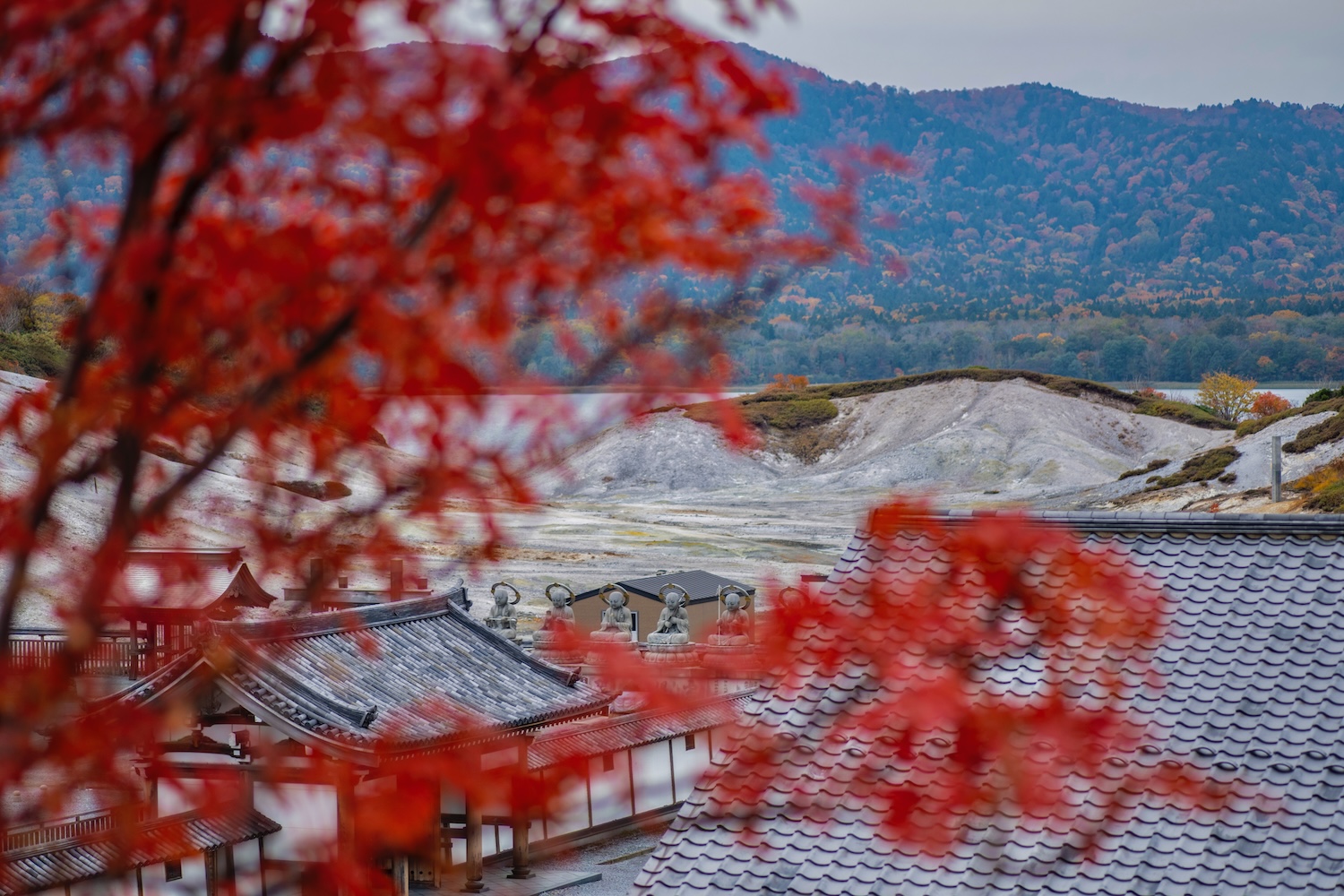
While I don’t deny that Osorezan is a beautiful area year round, Bodai-ji temple itself benefits a lot from the autumn colors. In addition to sheer visual beauty, they contribute to the hellish atmosphere, and making you feel like you’re at the boundary between life and death.
(But not after October 31)
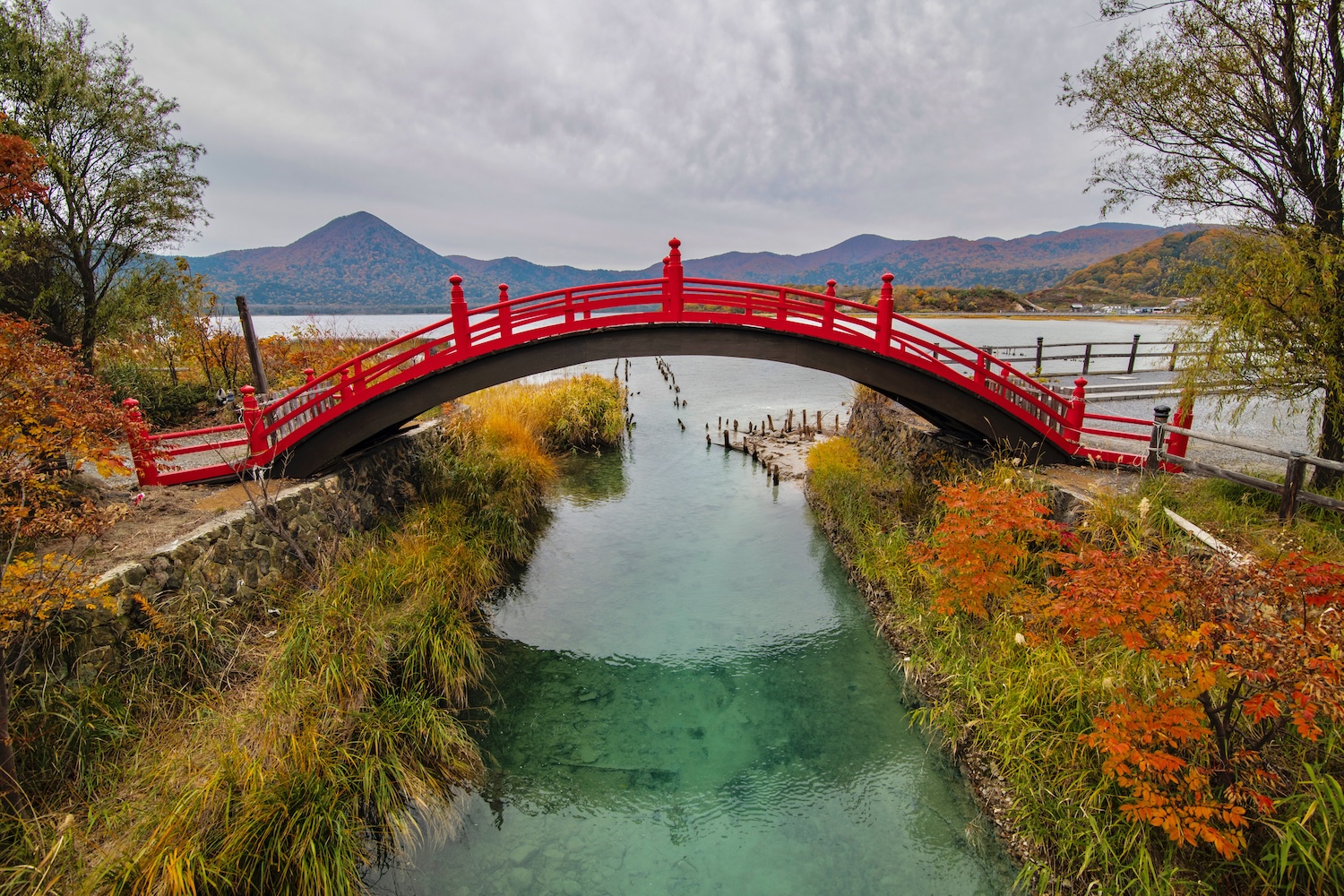
Importantly, however, the Mt Osore temple (and the mountain itself) is only open for part of the autumn. Specifically, it closes on November 1. Thankfully, the peak of fall colors in this part of Japan is usually around a week before this, making the last part of October an ideal time to come.
Plan to stay a while
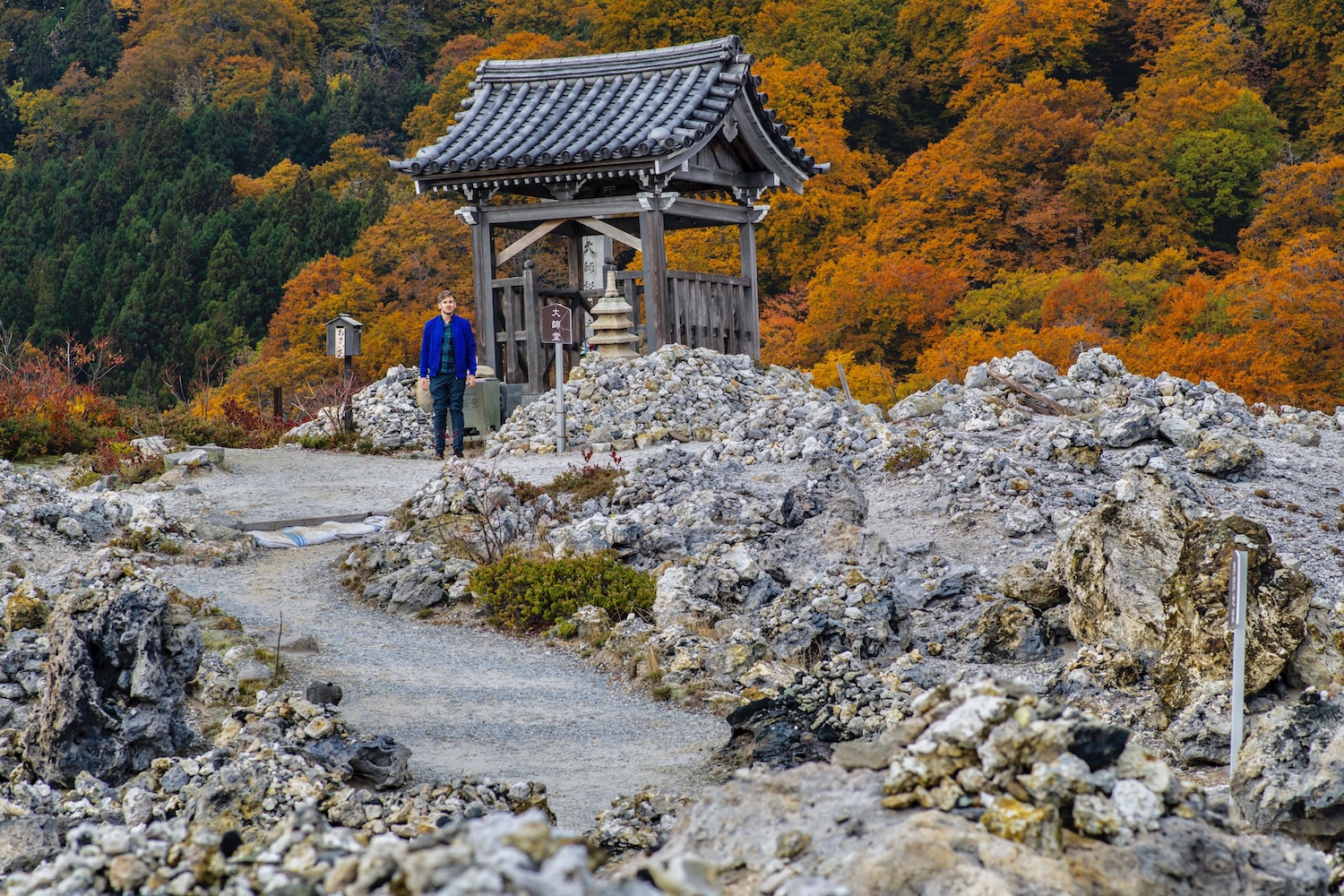
The main temple building of Bodai-ji temple is relatively small, but the site as a whole is huge. Even if you simply walked through the entire place without stopping frequently to take pictures (as I, unsurprisingly, did), it would take you an hour or two. This, combined with the journey to and from there, means it’s a half-day trip at minimum.
(Maybe overnight)
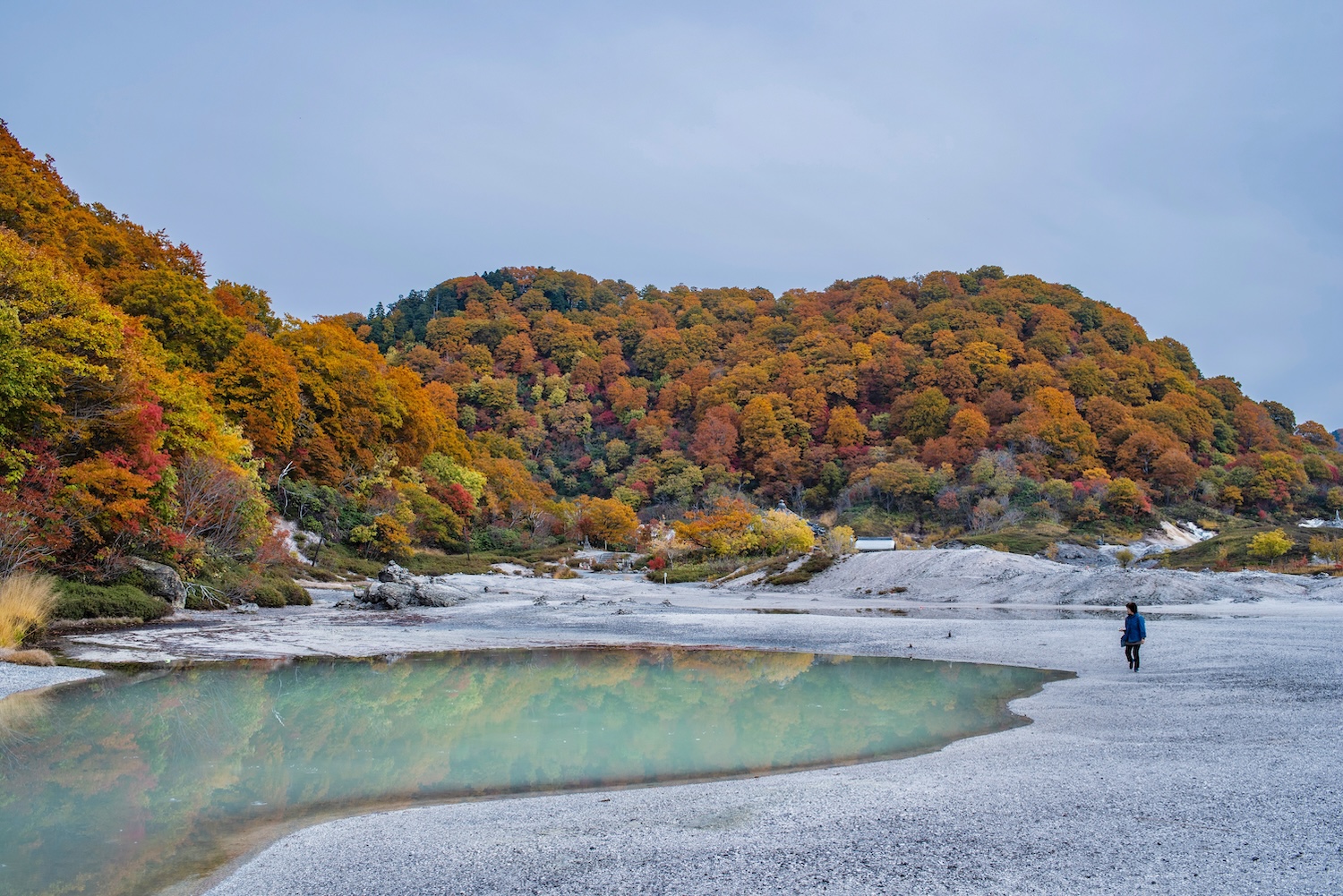
You can stay overnight at Osorezan temple, though there are a couple of things to note. First, due to its remote location, the shukubo facilities here are spartan, even compared to others in Japan. Secondly, you can’t currently book online, though you can see prices and the phone number you need to call here.
Explore the rest of the Shimokita Peninsula
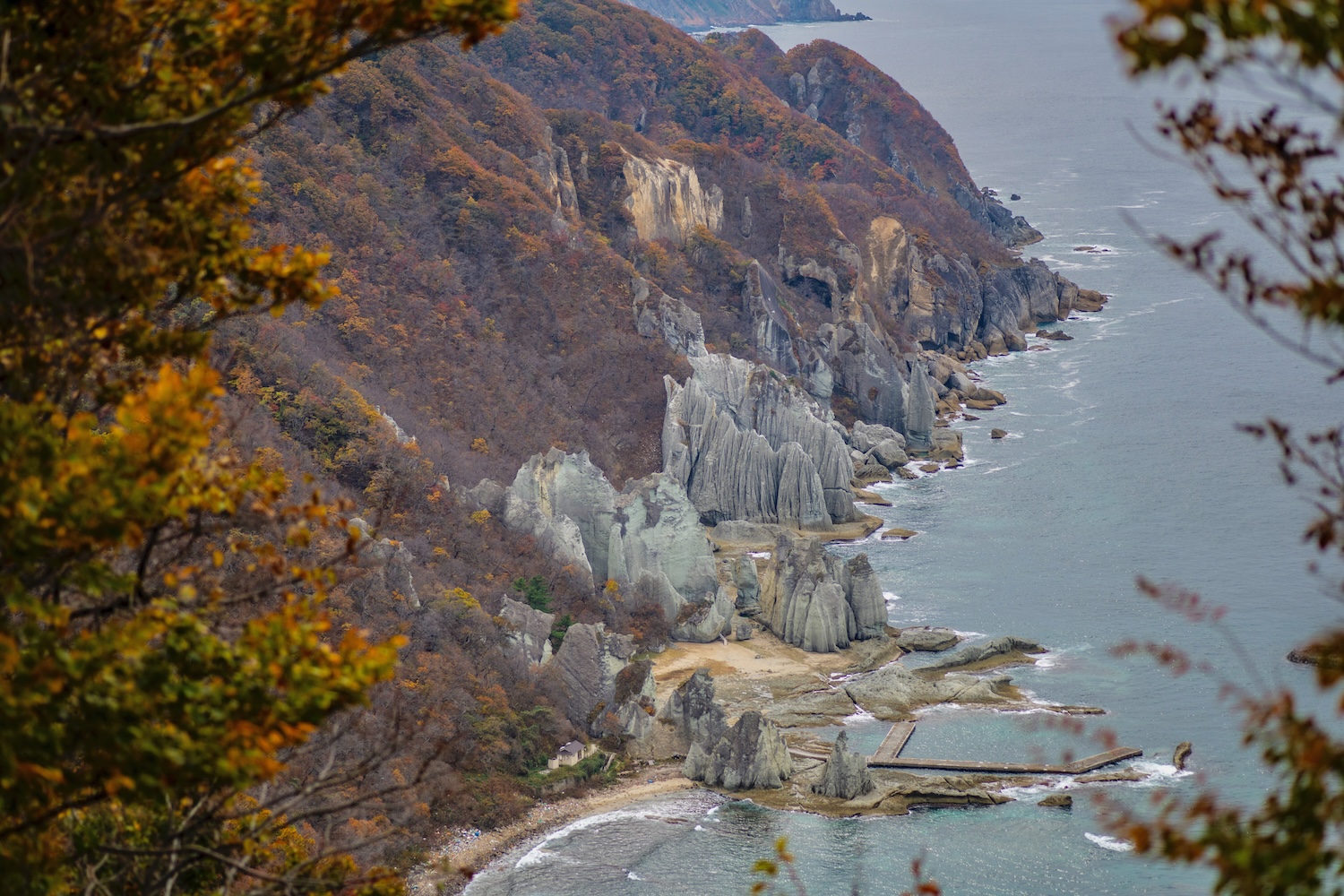
The Shimokita Peninsula is one of the most remote places in Japan, even once you finish up at fear mountain. In particular, the Hotoke-ga-ura cliffs (which you can see from on land, or by boat on the water) are impressive, though driving along the coasts of this hanto invites you into an authentic local world you won’t want to leave.
Is Osorezan Worth Visiting?
I’ll admit it: Between my own years of anticipation, and the hype a certain friend of mine (who saw the temple in a manga and has his own fantastical associations with it), I had sky-high expectations for Osorezan. I figured not only that I would be impressed by the temple and autumn scenery, but that it would rank among the best places I’d been in Japan, both overall and especially on that trip.
At first, it seemed like this would be the case. The so-called Japan hell temple was my first official destination on my latest autumn adventure, one that began after an unexpected overnight diversion to Alaska on my journey from North America back over the Pacific. But while it felt incredible as I walked through it, and certainly forced me out of my head and into the present moment, I don’t see it so amazingly in hindsight—it’s worth visiting; it probably won’t change your life.
Other FAQ About Visiting Osorezan Bodai-ji
Why is Osorezan considered sacred?
The simplest answer to this question is that many Japanese people believe that once you die, you will at some point end up at Osorezan. Contradictorily, many also see the temple as the door or gateway to hell, which seems to suggest that every person will graze the gates of hell, even if they don’t ultimately spend eternity there.
Can you stay overnight at Osorezan?
Yes, you can stay overnight at Osorezan Bodai-ji, which maintains simple shukubo facilities. This is a good idea if you want to be able to take your time exploring the vast site, which even if you come for half a day from Aomori can seem overwhelming in scale.
Is Osorezan still an active volcano?
Osorezan is still an active volcano, with steam regularly emerging from its vents, heightening the eerie atmosphere of Osorezan Bodai-ji temple. With this being said, a full-scale eruption is unlikely, so your risk of bodily injury or death during your visit is close to zero.
The Bottom Line
I promise you that the journey to Osorezan Bodai-ji is worth it. While the end result is obviously most fulfilling in autumn, there’s an important cut-off to keep in mind—the temple closes for the year on October 31, which may be before peak colors in some nearby areas, particularly in western Aomori-ken. No matter when you go, I highly recommend that you rent a car, since it’s difficult to reach the temple and other adjacent attraction using public transportation alone. If you follow these pieces of advice and the other tips I’ve shared in this article, your adventure should be smooth sailing. Want things to go even smoother? Consider hiring me to plan your entire Japan trip!