



If you’ve read much of my airline-related content, you know that the topic of Delta or United or American to Japan is one I approach reluctantly. Frankly, I fly US airlines to Japan (or anywhere overseas) only when no other option exists.
This, to be sure, is the situation I assume you currently find yourself in: You’ve searched for flights on ANA or JAL with miles and points (and maybe even paying for them outright) and simply cannot find anything that works for your dates. You’ve resigned yourself to flying one of the “Big 3.”
I won’t lie: Unless you happen to get a spectacular crew, any of these three airlines is likely to provide a mediocre experience at best. But there are some important differences between them.
Spoiler Alert: US Carriers Are Inferior to Japanese Ones
United or American or Delta to Japan—in some sense, these airlines are just variations on a theme. To paint with a very broad brush, all of these carriers feature subpar crews (often highly “senior” ones who are not just entitled and rude, but often outwardly hostile), terrible food and operational issues that can mess up your entire trip. Although all currently feature lie-flat seats with direct aisle access in business class, some individual planes are old and unsightly.
There’s also the fact that due to revenue-sharing agreements on American’s and United’s part (with JAL and ANA, respectively), prices are typically identical. This is obviously less relevant if you’re booking with miles, which often forces you to take what you can get, but is still worth noting: If availability exists, it’s almost always the same price, regardless of which “joint venture” partner’s plane you actually end up flying on.



Ways to Compare US Airlines to Japan
Routes
On the surface, Delta appears to have the best Japan route network, with routes to five of its mainland hubs plus Honolulu, and all of them to Haneda—well, minus a vestigial Seattle-Narita route that will be starting in 2027. However, what United lacks in single-airport uniformity it makes up for in the sheer number of routes, with at least 10 nonstops from its US hubs to Japan. American is the weakest US airline to Japan, but like United, has a “joint venture” with a Japanese partner (JAL for American; ANA for United). This means that both of these carriers far outpace Delta in terms of overall seats and routes to Japan.
Aircraft
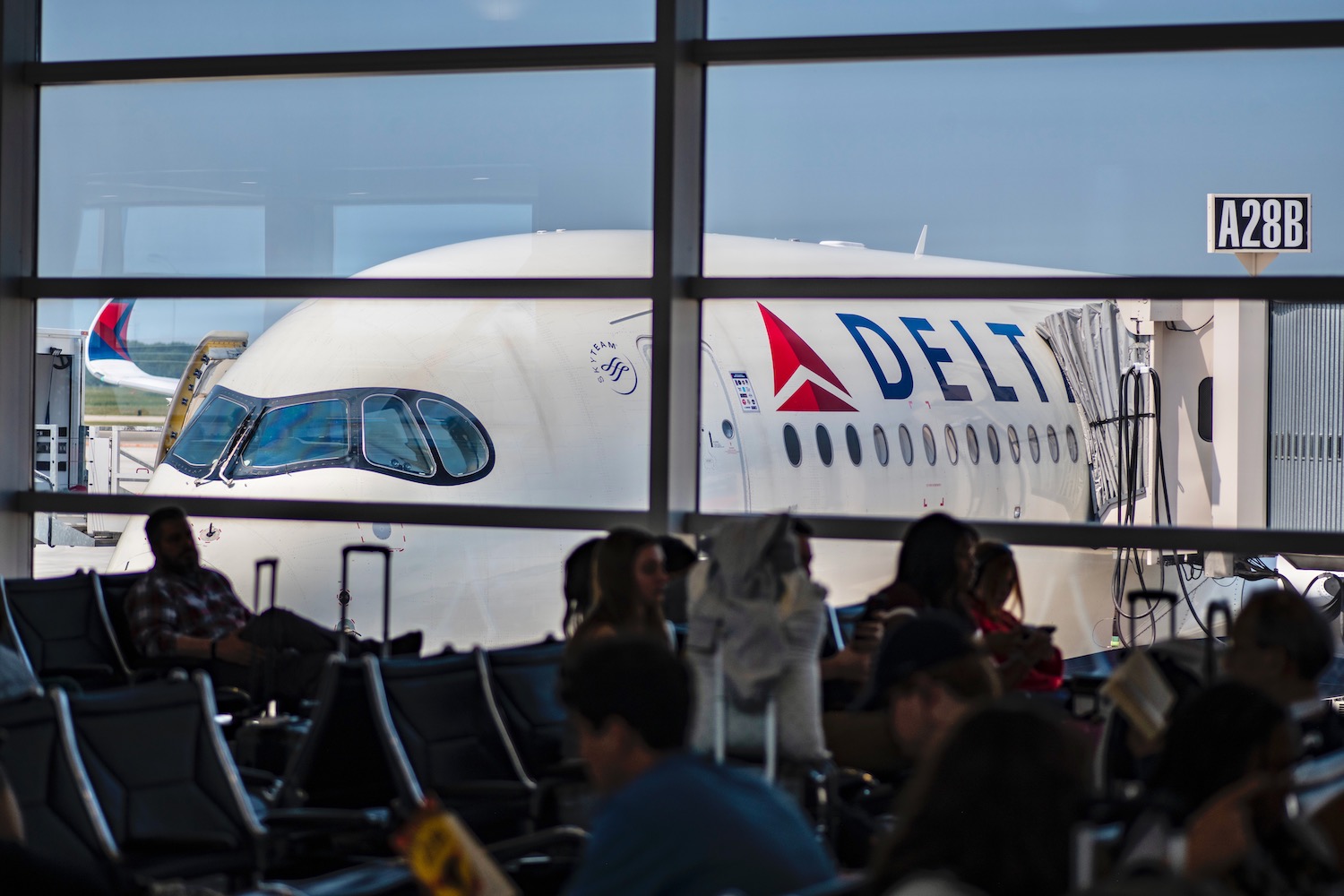
If you fly American or Delta or United to Japan, you will fly mostly modern aircraft. Delta exclusively flies A350-900 from the mainland US to Haneda, although the aforementioned Seattle-Narita route will use an A330-900; Honolulu uses the decrepit 767-300ER. American and United both fly a mix of 787s (787-9s for American; a mix of 787-9 and 787-10 aircraft for United) and 777s to Japan. However, certain American routes (Dallas-Narita) and United routes (rotating) use very old 777-200ER aircraft rather than more modern 777-300ER aircraft, so do beware.
Seats and service
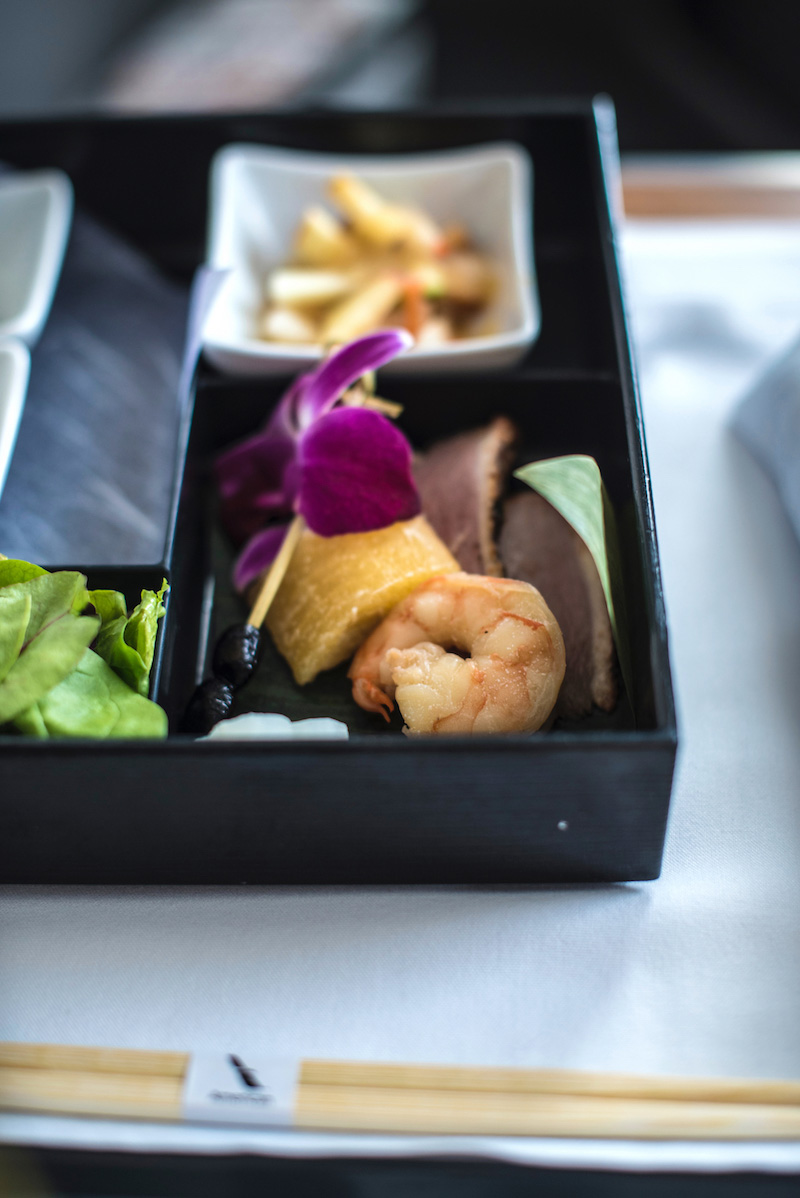
One advantage of Delta’s A330 and B767 services to Japan? Both of these aircraft feature less dense economy seating (2-4-2 and 2-3-2, respectively), making for a more comfortable ride in the back of the bus. American and United, meanwhile, shine more in premium economy and especially in business, which I’ll talk more about in the next section. In terms of service, there’s bad news and worse news. The bad news? Crews (which are “senior” by design, and often look/act it) range from cranky and tired to downright hostile. The worse news? The food is often inedible, even in premium classes.
Premium classes
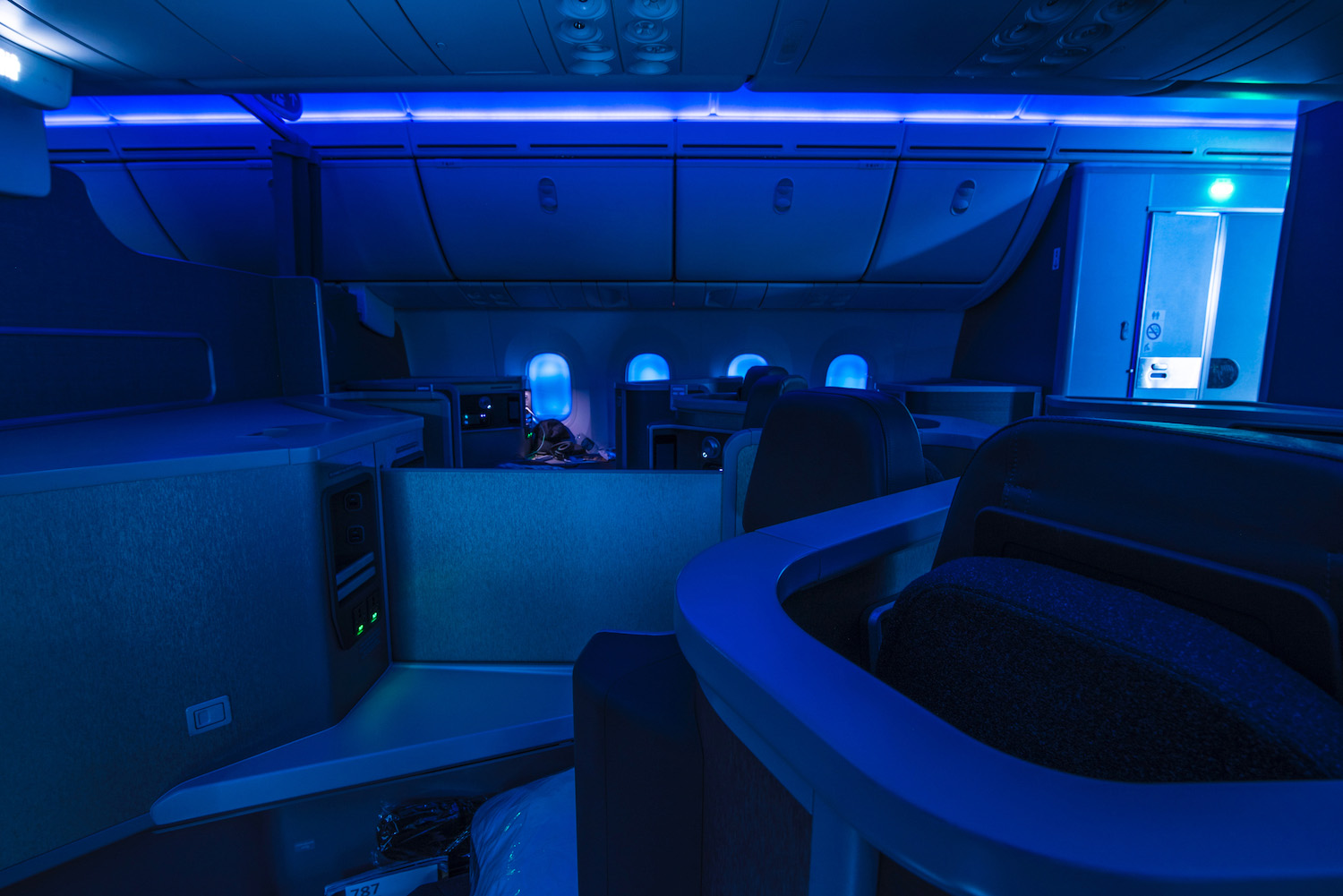
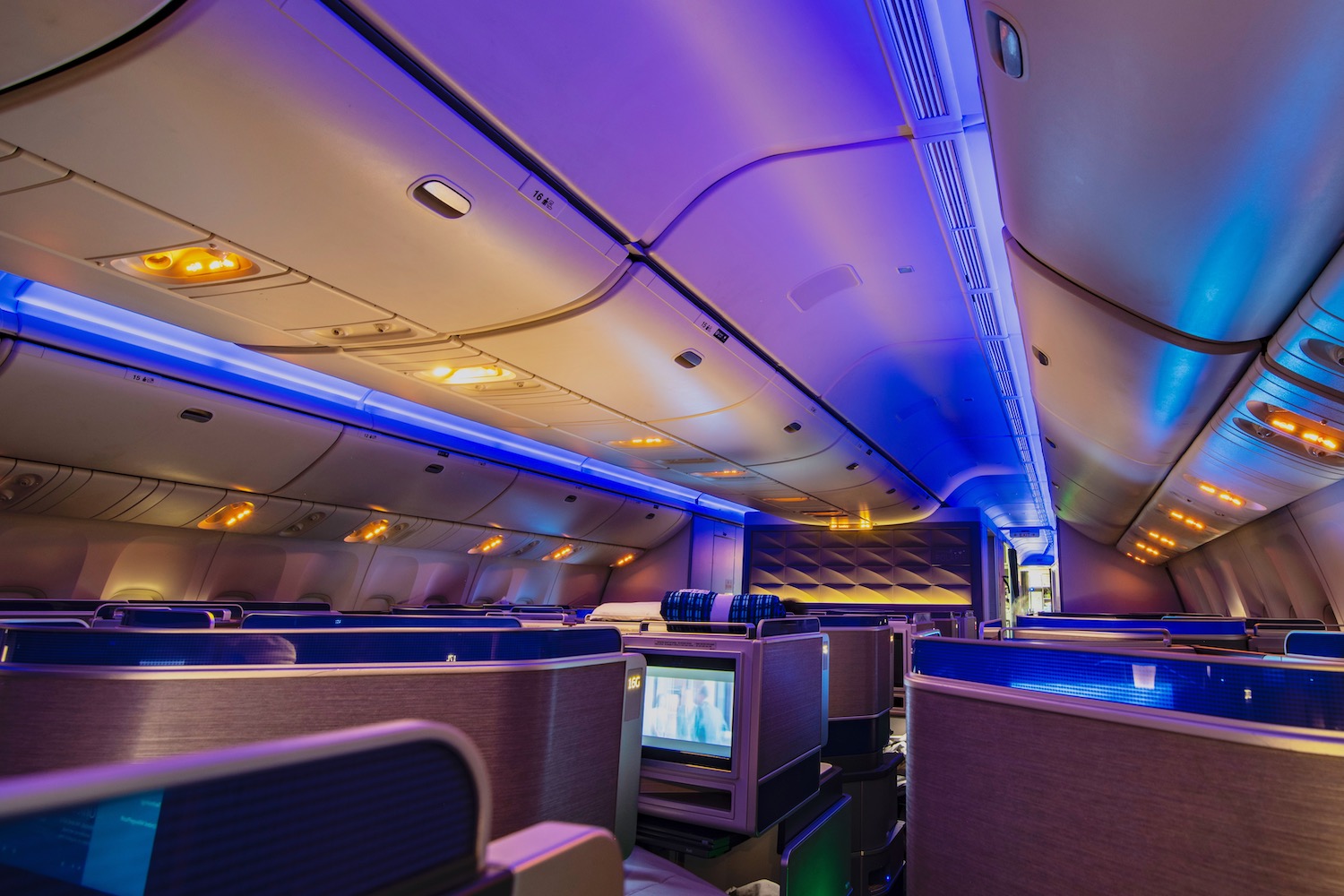
If you’re able to fly in premium economy or especially business class on American or United or Delta to Japan, my advice is to fly ANA or JAL instead! Certainly, if you wish to fly first class Japanese airlines are your only option; no US airline offers a proper F cabin to Japan (or anywhere). Thankfully, all US airlines’ flights to Japan feature lie-flat beds with direct aisle access, but these ranges from decade-old debacles onboard Delta’s 767s, to the new suites with doors you find on select United and American 787-9 aircraft.
Miles and points availability
Among frequent flyers, Delta SkyMiles are known as SkyPesos, and with good reason. Well, kind of good reason. If you’re traveling in economy, you can usually find availability; but economy class mileage bookings are a rip-off even at fair rates, which are never guaranteed with Delta. This is especially the class for Delta One business class, which can cost a staggering 500,000 SkyMiles one-way, and rarely drops below 100,000 miles, even on the more special sale. Standard “saver” rates on United and American in business class to Japan are 110,000 miles and 60,000 miles, respectively; United offers a modest discount (and better availability) to holders of its co-branded credit card, while American’s availability is generally decent if you overlook how liberally it now applies “dynamic” pricing.



Why I Haven’t Yet Flown Alaska or Hawaiian to Japan
Although I’ve flown both airlines within the United States, I haven’t yet flown Alaska from Seattle to Tokyo-Narita, or Hawaiian from Honolulu to its various destination airports in Japan. The reason is actually pretty simple: I usually only fly business class when I travel over an ocean, and cash fares on both these airlines are as exorbitant as award availability is hard to come by. I’m not going to put myself out financially simply to be able to do a review.
Obviously, I do have on my bucket list to fly both these airlines to Japan at some point, and will update this article once I’ve ticked each off it. With this being said, if I can extrapolate from my domestic experiences, I expected that when comparing Hawaiian and Alaska to the experience of flying United or Delta or American to Japan, both former airlines will be far, far superior than any of the latter.




Other FAQ About Flying US Airlines to Japan
Which airline is best to travel from the US to Japan?
If you have any choice in the matter, I highly recommend flying the Japanese airlines ANA or JAL from the US to Japan. By contrast, you should avoid US airlines if at all possible. I would even suggest this in the case of needing to connect elsewhere in Asia, such as on airlines from Taiwan or Korea.
Is Delta or United better to Japan?
I personally find Delta to be a better choice to Japan in terms of aircraft and seats, and United a better choice in terms of number of routes, as well as miles and points pricing and availability. Both airlines leave a great deal to be desired in terms of onboard service and food, and are far inferior to their Japanese counterparts.
Is United or American better to Japan?
United offers more daily flights to Japan, while American’s partnership with JAL makes it slightly preferable to United (who partners with ANA), presuming that you are able to fly on the plane of the respective Japanese partner airline. In both cases, you can expect questionable onboard service and food; it’s also likely that you will experience delays or other operational disruptions.
The Bottom Line
Should you fly Delta or United or American to Japan? Well, to be honest, you should avoid taking US airlines to Japan if there is any possibility that you can. For example, if you’re browsing flights on United and see an option for your US-Japan-US legs to be operated by ANA (which often happens, due to the airlines’ “joint venture” arrangement, I highly suggest taking this option. If you do have to fly long-haul to Japan on an American carrier, your least-worst choice will depend on the usual factors, including schedule, price and maybe even points availability. An indisputably excellent choice your next trip to Japan is to hire me to plan it.