


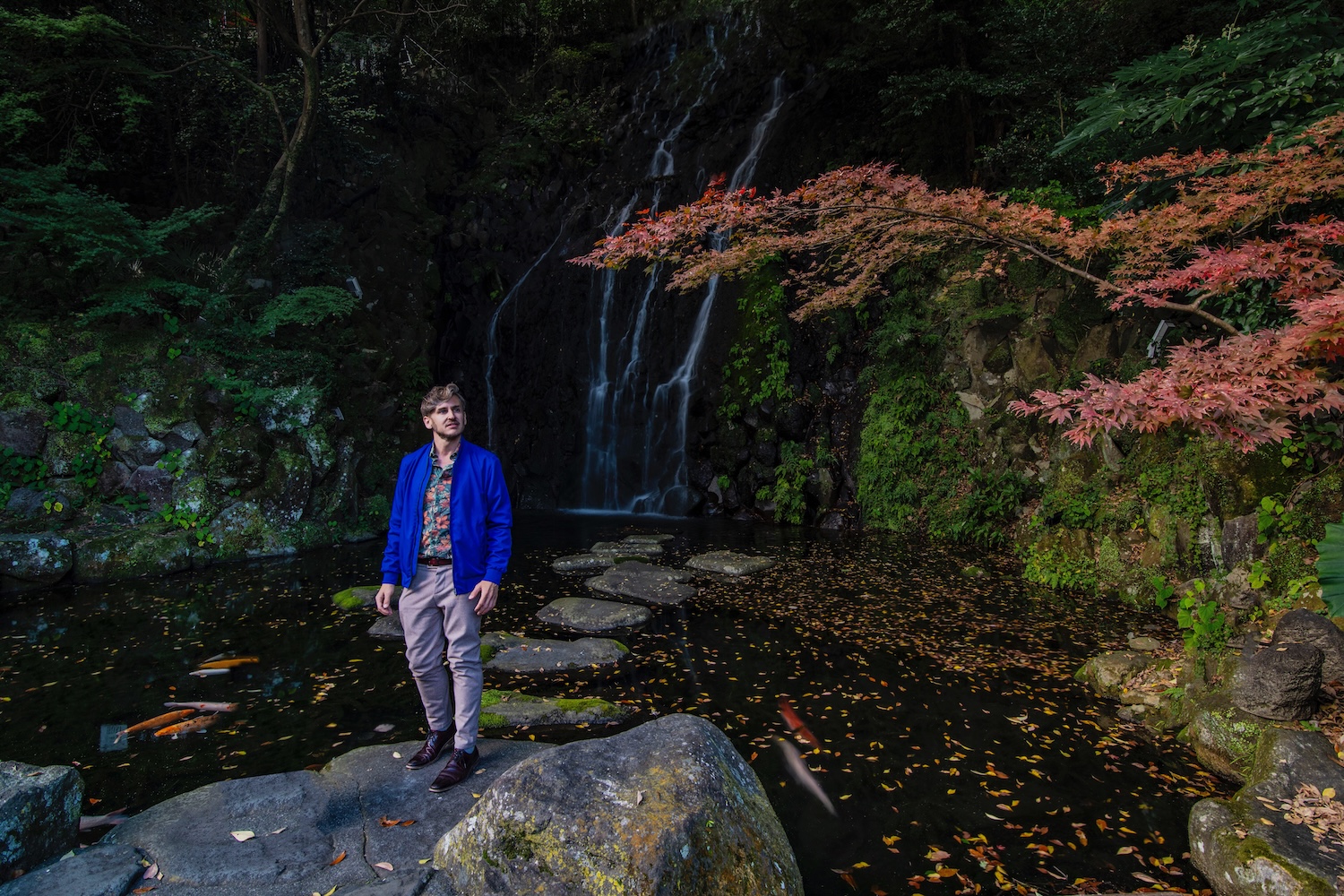
I’ve written often about how conflicted Hakone leaves me. On one hand, it’s difficult to dispute the beauty of the town and its vicinity, or to beat how close it is to Tokyo (and, in some ways, how far away it feels in spite of that).
On the other hand, Hakone is far from a well-kept secret. And although I infamously don’t believe in the concept of “overtourism” (neither in Japan nor in general), Hakone is almost always over its carrying capacity, in large part as a result of how convenient it is to the capital.
This is especially acute in Hakone in autumn—though it’s understandable, as well. I mean, have you see how Hakone looks in the fall?
Why I Approached Fall in Hakone Humbly
I’m not sure what compelled me to take the recent Hakone autumn trip I did. Initially, I simply planned to spend a single night there. Of course, in that version of my itinerary, I had a lot of things around it that ended up not being part of the final plan. So I suppose, in a way, that I’ve answered my own question—I added an extra day in Hakone because I subtracted a day from somewhere else (in this case, Mt. Unzen in Nagasaki).
Nevertheless, as I arrived in Odawara that Friday, a stark reality emerged—and not just the mess of foreigners everywhere, and the contrast in which they stood to the local crowds I saw in Okayama, where I’d just left. No, it was worse than that. As I got in my rental car to make what I hoped would be a quick detour to Shin-Nase Beach across the water on the Miura Peninsula, bumper-to-bumper traffic foreshadowed what my experience in Hakone-proper would be.
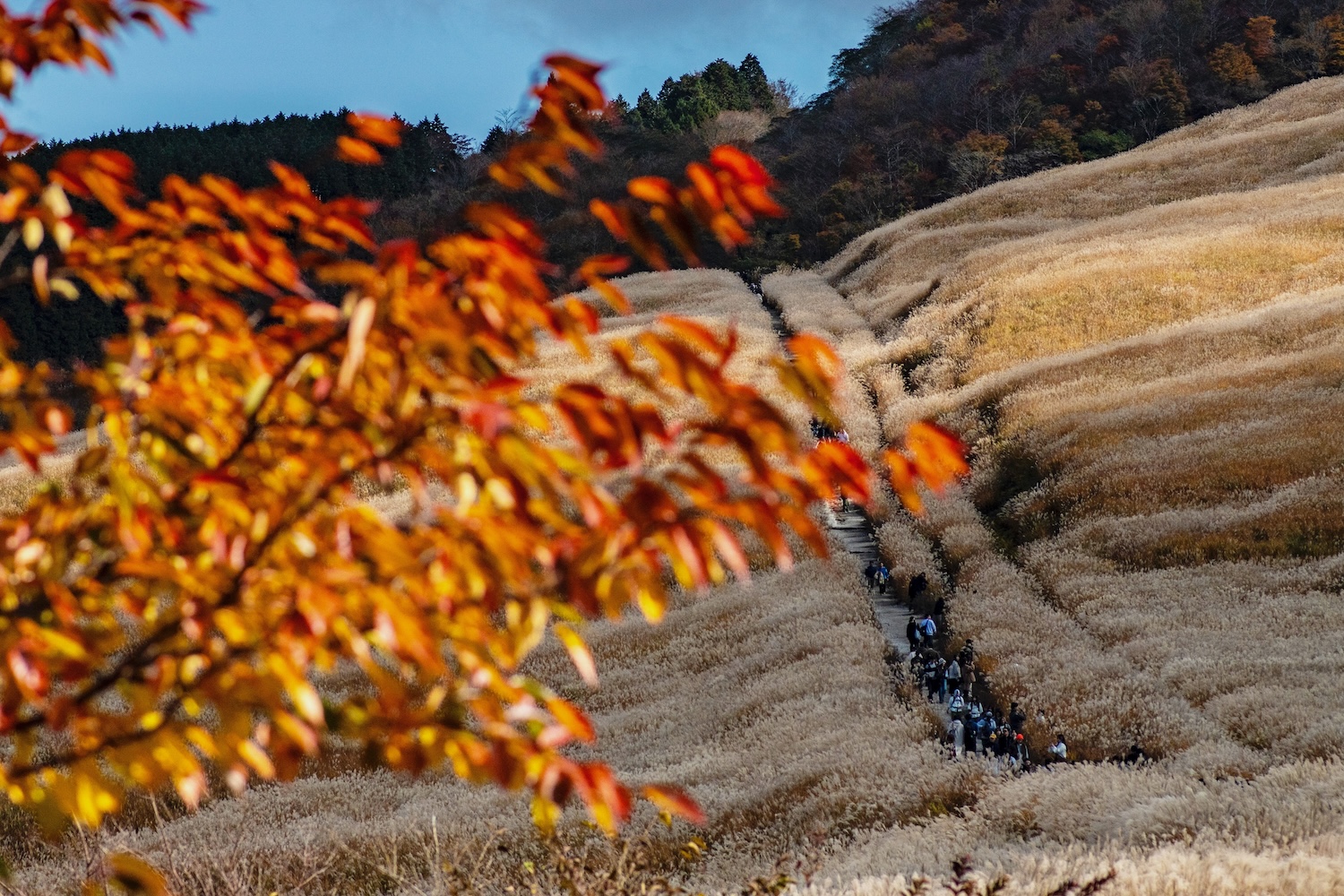
5 Hard Truths About Autumn in Hakone
All of Tokyo will be there
Hakone’s proximity to Tokyo, as I mentioned earlier, is both a blessing and a course. Whether you come by road (i.e. private car or bus) or one of the rail options (there are several direct trains per day to Shinjuku), it takes less than two hours one-way to make the journey. This ease, combined with high autumn demand, is a recipe for crowds.
(Both tourists and locals)
Another potential downfall of a Hakone autumn itinerary? It isn’t just foreign tourists who flock here at this time of year, even if we are more likely than day-tripping Tokyoites to stay the night. This does, however, make it better to go during the week (when most local Japanese are working) than on the weekends, which you contend with both types of visitors.
You’ll pay much more than usual
It’s simple economics that if you raise demand without increasing supply, prices go up. And since fall is perhaps the highest-demand time for Hakone (where the hotel-building boom that’s been seen in the rest of Japan really hasn’t taken shape), you should prepare yourself for rates you may fine ridiculous.
And wait in longer lines
Money no object? Well, we all have just 24 hours in a day, and the reality is that they simply don’t go as far in fall in Hakone. I cited the example earlier of spending an hour in traffic on the way up to Owakundani, but literally every Hakone experience necessitates more waiting during the autumn season.
Peak color can be difficult to predict
As a general rule, leaves reach their peak earlier (around 2-3 weeks, at least) before those in central Tokyo do. This is good news if you’re living in Tokyo, or if you’re there now and can get a sense of the leaves. It’s bad if your general autumn trip planning has been a shot in the dark. You might lucky; you might not.
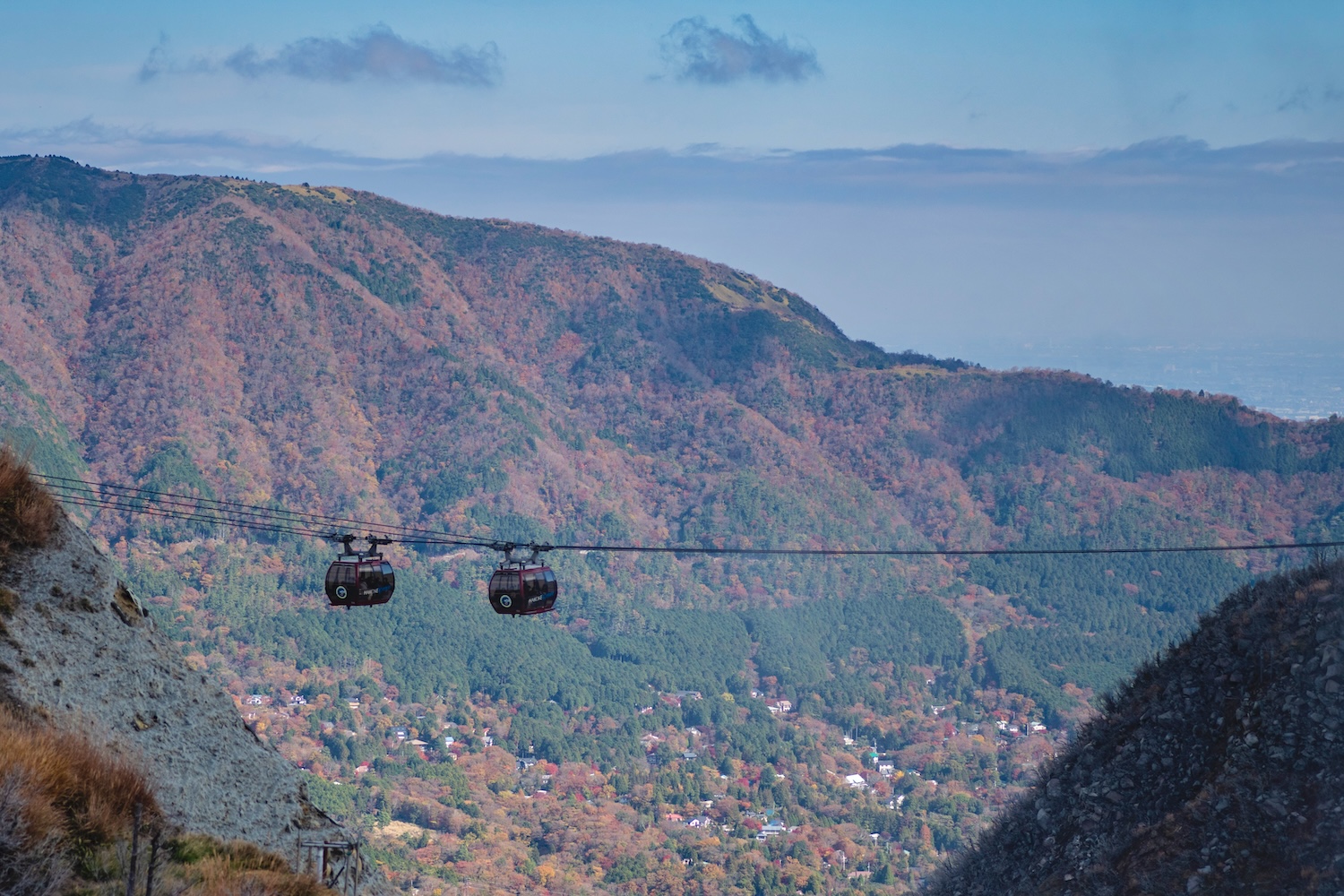
What is Hakone Like in Other Seasons?
Hakone is unfortunately pretty crowded year-round now—that’s the bad news. The good news? You can enjoy many seasonal pleasure here:
- Hakone, like other destinations in Japan, does have cherry blossoms, though I don’t really feel they suit the town’s vibe very well.
- Instead I recommend coming later in spring and into summer, when ajisai (hydrangeas) bloom. Here, too, you need to modify: They’re much more impressive in nearby Kamakura than they are in Hakone-proper.
- Hakone is gorgeous in winter, and chances of seeing snow here are much higher than they are in Tokyo. On the other hand, driving can be difficult as a result of this.
Other FAQ About Visiting Hakone in Autumn
Is Hakone worth visiting in autumn?
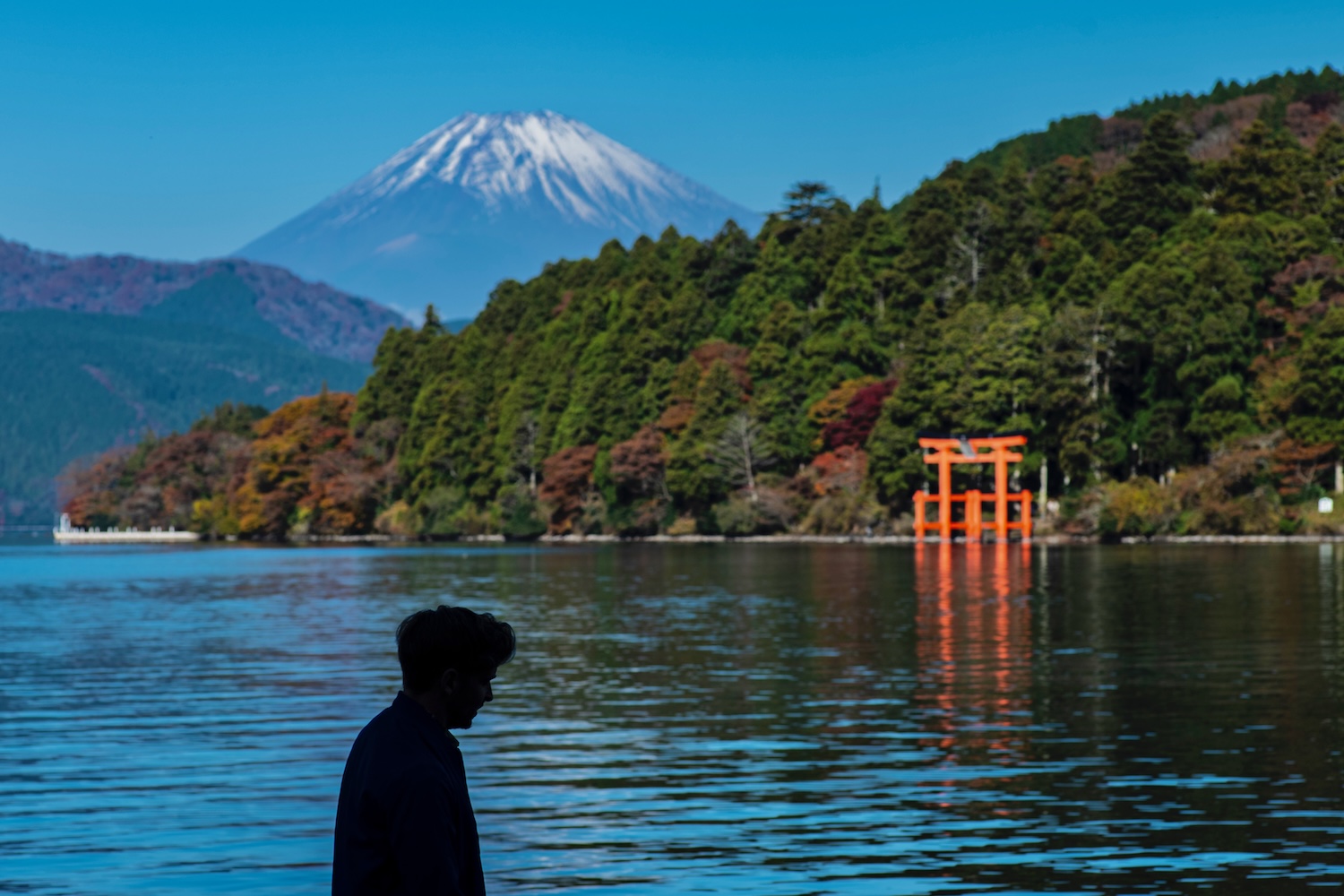
Hakone is definitely worth visiting in autumn, whether because its leaves change a bit earlier than those in central Tokyo, or because this is the time of year when Mt. Fuji becomes more consistently visible. Do keep in mind, however, that autumn is one of the most crowded times of year in Hakone.
Is it worth going to Hakone in November?
Hakone is definitely worth visiting in November, particular in the middle and end of the month, when its autumn colors reach their peak. With this being said, you can expect extremely heavy crowds in Hakone during the month of November, particularly if you come on a weekend or only for the day from Tokyo.
Can you see Fuji from Hakone in October?
You can see Mt. Fuji from Hakone in October around half of the time. Unfortunately, Fujisan almost never has its famous “snow cap” during this month. Additionally, autumn leaves in Hakone will not have started changing yet, so the entire scene will be pretty green.
The Bottom Line
Hakone in autumn leaves me torn. On one hand, it’s absolutely gorgeous—and, as an added bonus, sees its colors change a bit earlier than those in central Tokyo, just in case you’re visiting in mid-November. The flip-side of this is that it’s extraordinarily crowded, from the shores of Lake Ashi, to the day spas near Hakone-yumoto Station, to the heights of Owakudani (which I highly recommend you access via cable car—if you don’t, you’ll wait at least an hour in traffic). Need personalized help assembling your autumn trip to Japan, whether or not it ends up including Hakone? Commission a custom Japan itinerary today!