



I took my first trip to Japan in 2014, when there was a whole lot less advice about exploring the country online. Much of what existed dates back to the 2000s and even the 1990s, and painted a terrifying (if also exciting) picture about what traveling in Japan would be like.
Among the contentions I came across most often? That very few (if any) people spoke English in Japan, and that even English-language signage outside of major cities would be minimal.
I’m happy to report that as of the late 2020s, this bleak assessment is less accurate than ever. Do people speak English in Japan? Yes, although there are some important caveats to consider.
The Language Barrier in Japan is Real—But Not Existential
I want to be clear: You will struggle speaking English in Japan, maybe often—it just won’t destroy your trip. For example, if you are a younger person and plan to go out to bars in Tokyo, you should not assume that the majority of your fellow patrons will be adept enough in English to be able to engage in small talk. Likewise, although passers-by on the street may be eager to assist you if you seem lost, it may be with the assistance of a translation application.
And this is the thing to remember: When all else fails, technology can step in to fill the gap. I get that it may seem strange, as a Western person, to imagine literally communicating with another human being through the interface of your mobile device. However, this is very common throughout Asia, which makes sense. In an era where I can hire a strange online to write a paper for me, of course my cell phone can help me communicate.
Places Where You Can (Almost) Always Speak English in Japan
Train stations

Many travelers who contact me about my travel planning service express extreme stress over booking train tickets. This also surprises me, and not just because Japanese train stations are a model of order and organization. Virtually every employee of Japan Railways (and private rail companies, for that matter) can speak English, both in ticket offices and trains and platforms.
Hotels

Likewise, it’s unlikely that the language barrier in Japan will be apparent at hotels and ryokan throughout the country. Obviously, there are exceptions to this rule, such as on remote islands like Rishiri and Rebun (for example). However, even if staff at your hotel can’t converse fluently with you, you’ll be able to check in and go about your other business without speaking a word of Japanese.
Airports

I can speak Japanese, but whenever I arrive at Narita or Haneda airport after a long trip, I usually switch to English. Reason being, everyone at places like this can speak English, from check-in staff, to security attendants, to immigration agents. This is particularly the case within secure areas of the airport, which makes sense, since many travelers are simply transiting through Japan.
Major tourist attractions
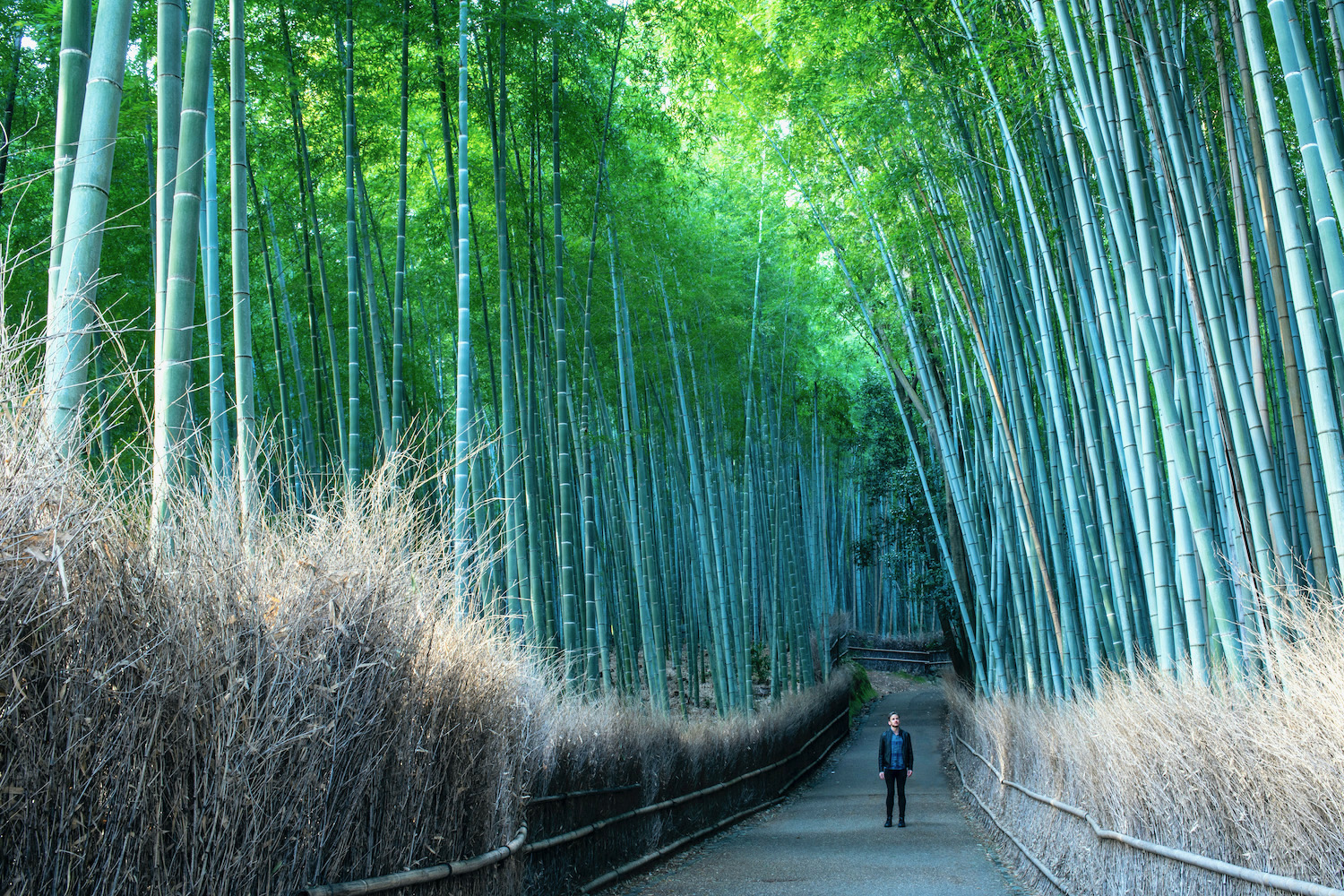
If you’re worried about being able to speak English in Japan, you can abandon this fear when visiting tourist attractions. From Tokyo hot spots like Tsukiji Market and Sensō-ji temple, to basically everywhere tourists could want to go in Kyoto—Arashiyama; Higashiyama; Fushimi—tourist sites in Japan are full of staff who can speak English, particularly at the ticket gates. You can also often hire English-speaking guides—sometimes for free.
Big-name retailers
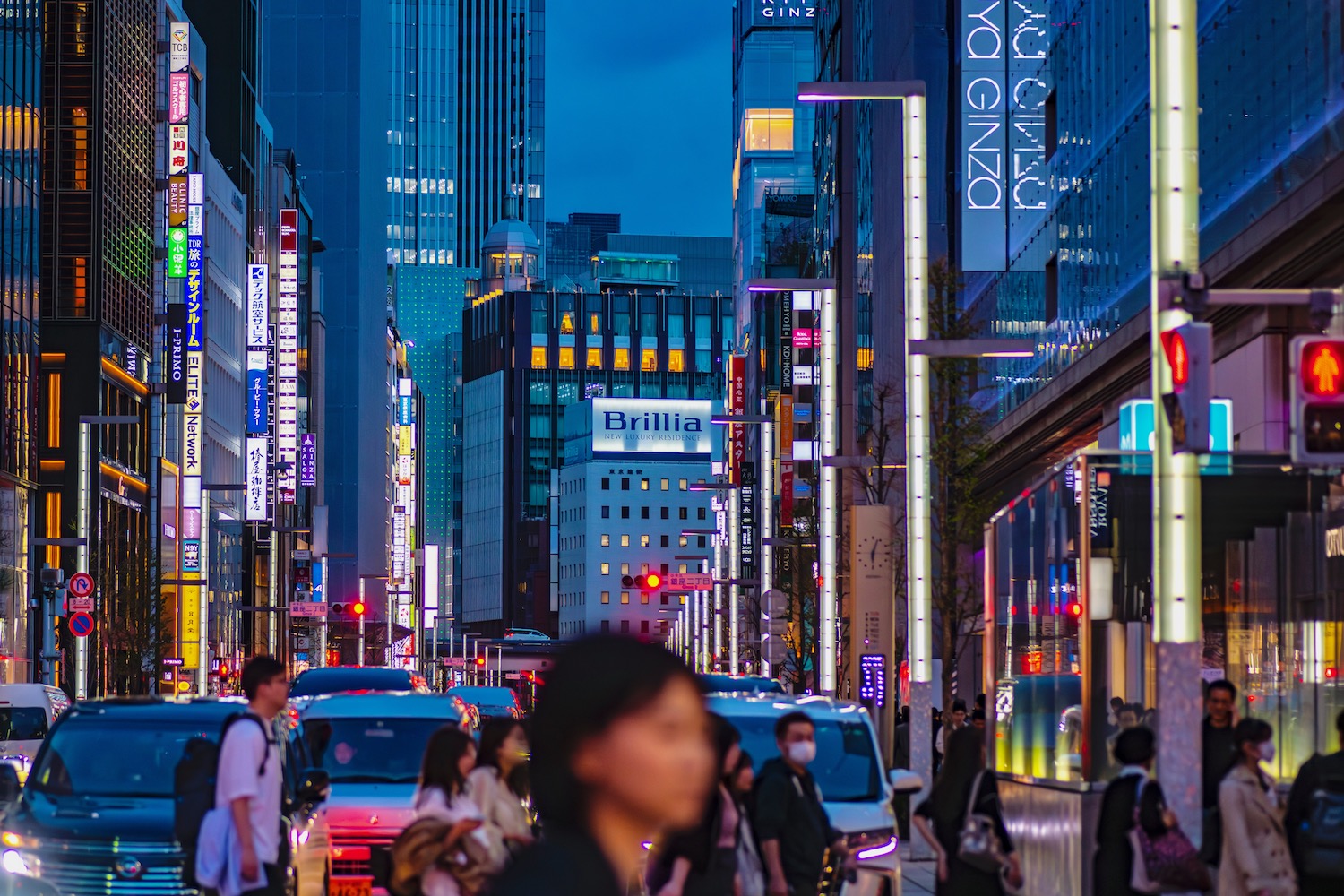
The bad news? Staff at local restaurants and shops often speak little-to-no English, to the extent that some eateries infamously turn foreigners away. The good news? If you plan to shop at big-box stores in Japan (and especially in big cities like Tokyo and Osaka), you can easily transact completely in English. I’m talking about brands like Uniqlo and BIC Camera, as well as department stores such as Takashimaya and Isetan, among others.
Why You Should Learn at Least a Bit of Japanese Before Your Trip
It isn’t necessary to speak Japanese (let alone fluent Japanese) in order to travel in Japan; having a few phrases at your disposal won’t necessarily make your trip easier, practically speaking. However, a little common courtesy can go a long way in terms of ingratiating your to local people—think of it as a social lubricant, but without the hangover of booze. It’ll show the people you encounter that you aren’t just a mindless voyeur.
If you’re curious about adding some Nihongo to your linguistic battery, I have some good news for you: I’ve written a guide to basic Japanese phrases for travelers, which you can read completely in a matter of minutes. And unlike Duolingo, I won’t send you annoying notifications if you don’t look at it often enough. Though you should: I’d imagine that most people can commit these phrases to memory in just a few days.

Other FAQ About Speaking English in Japan
Can I travel to Japan if I only speak English?
Practically speaking, you can absolutely travel to Japan if you only speak English, particularly if you plan to focus on “Golden Route” destinations such as Tokyo, Kyoto and Osaka. Most people who work in the tourism industry (so, workers in hotels and train stations) can speak at least some English, which limits the practical disadvantage of not speaking Japanese. However, it is a good idea to learn some basic Japanese as a measure of courtesy.
Is it difficult to travel in Japan if I don’t speak Japanese?
Traveling in Japan without any Japanese language ability can be frustrating, particular outside of Japan’s main tourism corridor (basically Tokyo, the Kyoto/Osaka area and Hiroshima). However, it is unlikely to cause you any practical difficulty. Rather, you may find yourself conversing primarily (maybe exclusively) with tourism industry workers, and feeling disconnected from Japanese society at large.
Do people in Japan speak English?
Most people in Japan can speak at least some English—the question is whether they are willing to do so or not. While workers in hotels and train stations often speak English as a matter of necessity, the average Japanese person is typically not willing to risk the stress and potential embarrassment of speaking English with a total stranger. As a result, traveling in Japan can yield the impression that few Japanese people speak English.
The Bottom Line
Do people speak English in Japan? Yes, but it’s complicated. The good news is that, at least in terms of going about your normal business at tourists, you should be able to get by entirely in English. The bad news? If you don’t at least attempt to use some basic Japanese phrases, you abandon easily attainable goodwill that will bring down walls between you and local Japanese people, particularly if you plan to go off Japan’s beaten path at all. Need personalized help planning your trip to Japan, or just a pep-talk to boost your confidence before you board your flight? Consider hiring me to leverage my decade-plus of Japan travel expertise!