


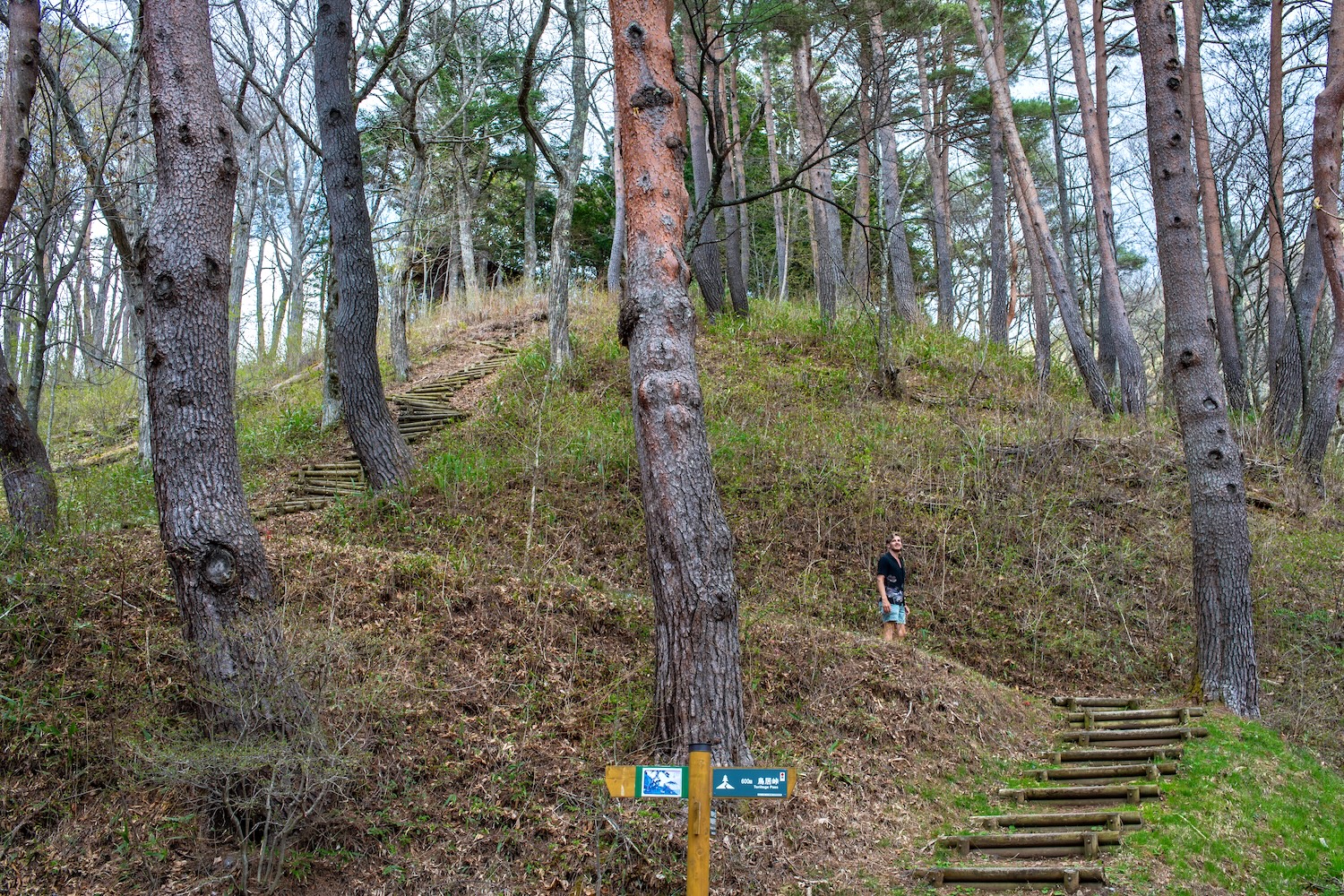
The Nakasendo Way is a strange trail. Both “ends” of it are pretty inundated, with the western one (the town of Magome, and the trail that leads from that town to Tsumago-juku) being the most crowded.
The eastern part of the Naka-sen-dō is more interesting. The town of Narai itself is perhaps even busier than Magome or Tsumago, with one particular area (i.e. the section with the twisty pine tree rising over it) perhaps the most popular place along the entire trail. By contrast, the Torii Pass (which connects Narai to nearby Yabuhara) is basically deserted.
The fundamental question to ask her is not necessarily “is Torii Pass worth it?” but, instead, why don’t more people tackle this particular trail? The answer might surprise you.
What is the Torii Pass?
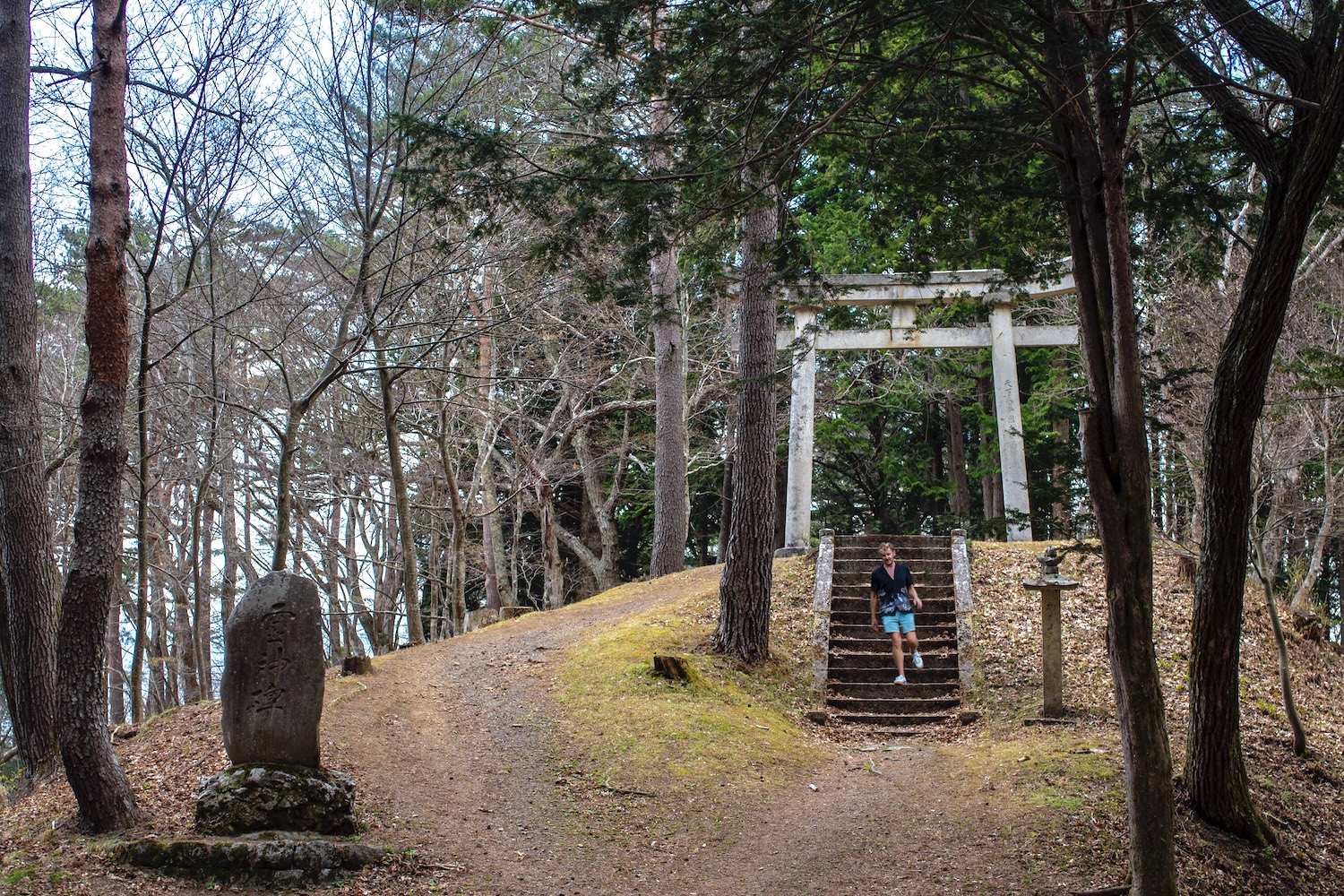
One of the most common questions I get about Torii Pass hike? Whether or not it’s named for one Japan’s popular torii gates. The answer is yes and no. Historically, an ancient rule of a town along the historical postal route did demand the construction of a torii shrine along what is now the trail. However, to the surprise and dismay of many hikes, only two gates currently stand along the trail, and neither of them are very impressive or scenic.
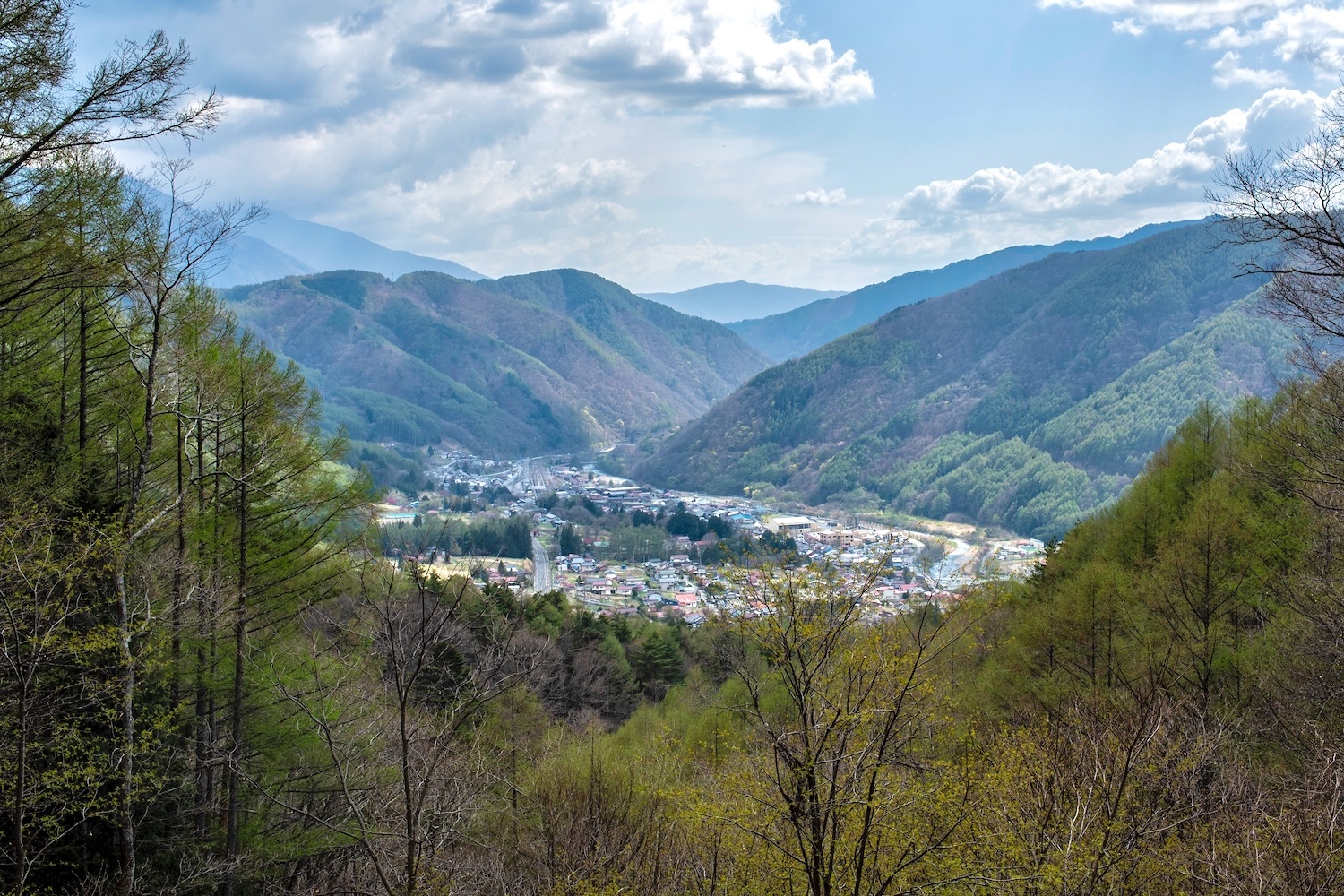
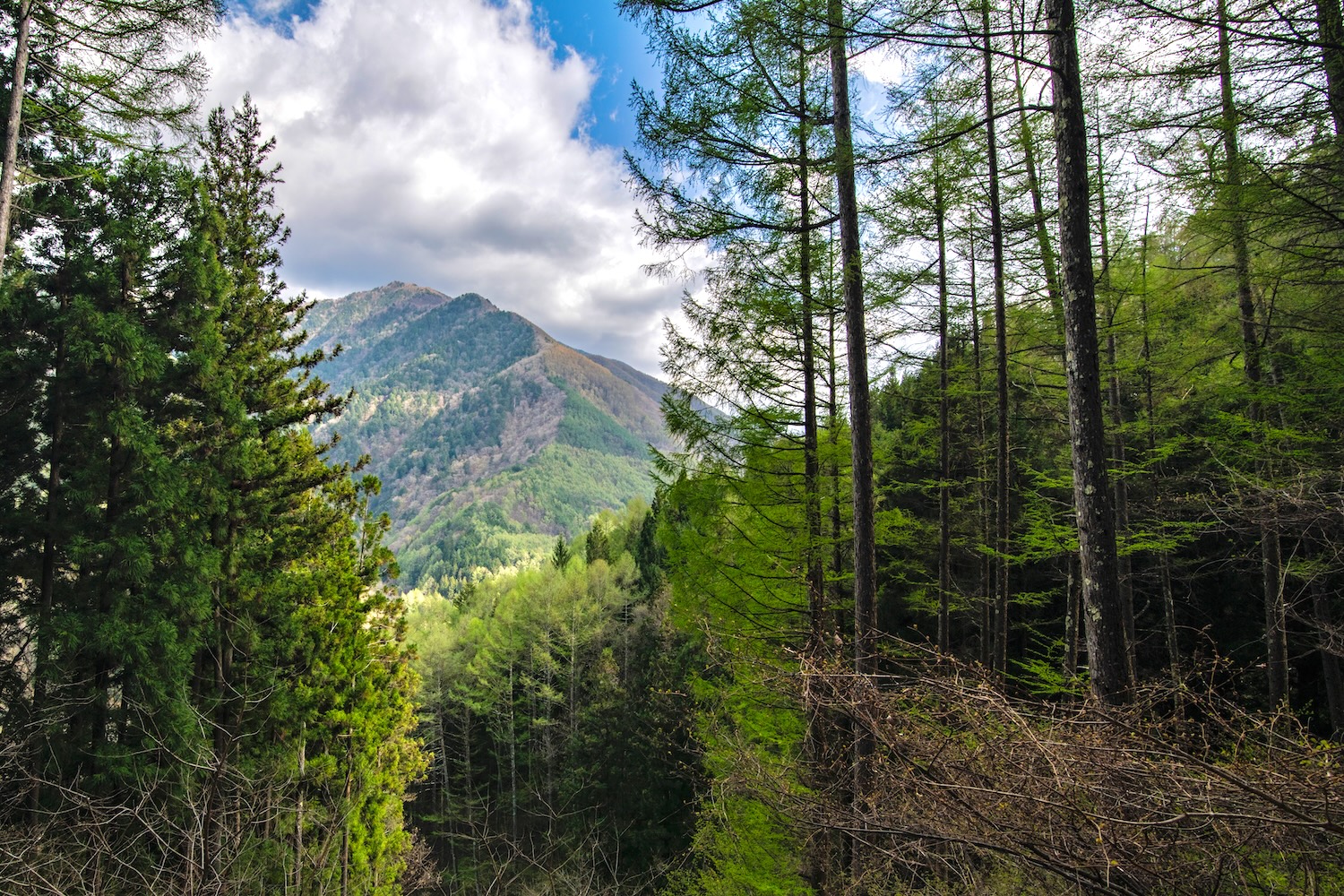
Anyway, now that we know what the Torii Pass isn’t, we can discuss what it is. The short answer is that it’s a trail connecting the towns of Yabuhara and Matsumoto, which crosses over the Torii-tōge (literally, Tori Pass) en route. Compared to the rest of the Nakasendo, it’s pretty steep and strenuous, though it thankfully isn’t very long, which means it’s an achievable hike for most travelers. On a clear day, you can enjoy views of towering Mt. Ontake, though these are never guaranteed.
5 Things to Know About the Torii Pass
It’s a “short” hike
The Torii Pass covers a distance of between 6-8 km, depending upon where you start and end, and whether or not there are any detours. This is a surprisingly short hike, given the reputation the trail has among travelers, and although the “official” line is that it takes 2-3 hours to complete, I recently did it (at age 41) in about 90 minutes.
(But a steep one)
Although there isn’t a published grade for the steepness of the trail for the hike to Narai, it’s a pretty steep trek indeed, climbing 400 m in just a few kilometers. While the switchback style of the trail makes this relatively manageable, it’s much steeper and more strenuous that the mostly flat trail that links Magome and Tsumago on the other end of the trail.
It’s an easy day trip from Matsumoto
Like other individual Nakasendo trails, the Torii Pass definitely isn’t one that requires an overnight stay. In fact, you can leave Matsumoto at your leisure in the morning, ride a JR Chuo Line train to Yabuhara, have lunch, hike to Narai and have time to enjoy sightseeing and sunset in Narai before making it back to Matsumoto in time for dinner.
It isn’t (that) difficult
Whether or not you end up thinking the Torii Pass is the best part of the Nakasendo, what’s undeniable is that it isn’t prohibitively difficult. It’s more engaging than the aforementioned Magome-Tsumago trails, to be sure, but it’s not so hard that the vast majority of travelers can’t reasonably complete it.
It’s great—but it isn’t all that
I love the Torii Pass, and I recommend it to many of my private clients. At the same time, there’s an argument to be made that it doesn’t full live up to the hype built up around it. Specifically, I’d say that while it’s beautiful and physically engaging, it simply doesn’t boast much of the culture that defines the rest of the trail.

Is the Torii Pass the Best Nakasendo Hike?
If you’re approaching the Nakasendo solely as a hiking destination, the Torii Pass is definitely the place that will interest you most. It’s the only stretch of the trail with significant elevation gain, with about 400m (~1,200′ ) of ascent required from Yabuhara Station to the top of the pass. On the other hand, it still isn’t a very difficult trail; I was able to complete it in about half the recommended, as a fit 40-something (but a 40-something no less).
Of course, this isn’t even the main drawback of the Torii Pass. Rather, it’s that while the towns at either end of the trail (Yabuhara and Narai) are beautiful and interesting, there isn’t really much along the way, apart from trees and flowers, and one good view). Shockingly, there are only two of the trail’s namesake shrines along the way, one of which is at the western entrance to it.
Other FAQ About Hiking the Torii Pass
Is the Torii Pass the best part of the Nakasendo?
The Torii Pass is the “best” part of the Nakasendo if you want a hike that’s steep and offers a relatively significant elevation gain. It’s important to realize, however, that where the Torii Pass succeeds in terms of physical strenuousness, it majorly lacks in culture and scenery.
Is the Torii Pass difficult?
The Torii Pass isn’t necessarily difficult. As a fit 40-something, I completed it in less than two hours, even considering the inclusion of a substantial detour from the top down to Narai. However, it is a lot more physically demanding than the Magome-Tsumago trail, which is really more of a walk.
Are there bears along the Torii Pass?
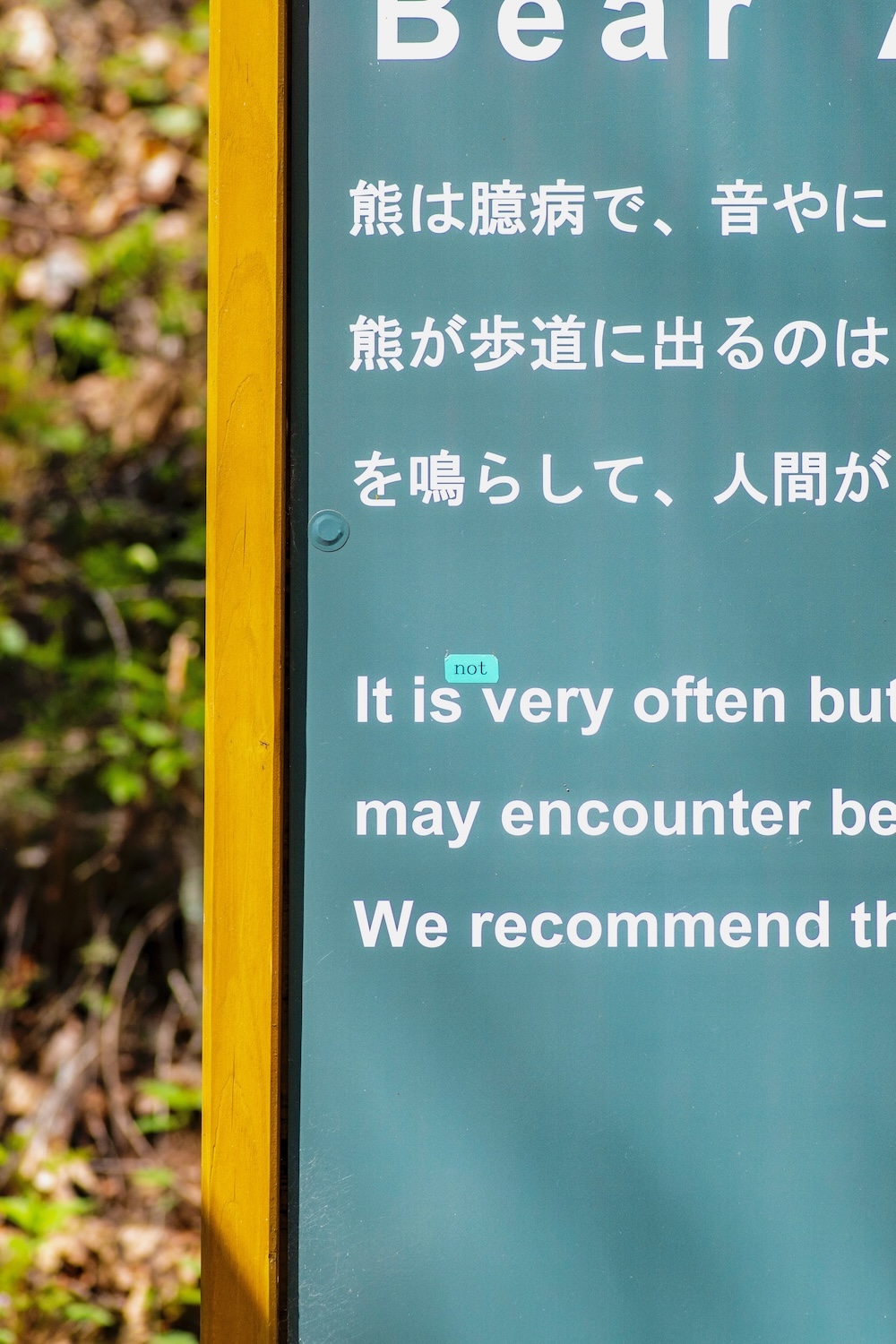
The Torii Pass is the portion of the Nakasendo along which you are most likely to encounter bears, since it is much less crowded than the western reaches of the trail. Still, by affixing a bear bell to your bag and moving in a deliberate, conspicuous way, you are almost certain to avoid interactions with bears.
The Bottom Line
Is the Torii Pass worth it? Certainly, if you live hiking and have a few hours to kill while exploring the former Naka-sen-dō, this trail is not a bad use of your time. On the other hand, I would argue that it’s not nearly as strenuous as it’s reputed to be (this could be a good or a bad thing, depending on you); while the Japanese Alpine scenery is ostensibly beautiful, there aren’t really any show-stopping views that, on their own, justify the time commitment. And there is a significant time commitment: It’ll take you a minimum of two hours to hike a distance that take just a few minutes to traverse by train. Need personalized help deciding? Consider hiring me to plan your trip!