



I don’t mention this often, but a picture of the Jigokudani snow monkeys is part of what inspired me to make my first trip to Japan more than a decade ago. Well, that and the person who took it.
The bad news? It ended up taking me more than two years after seeing that photo to set foot on Japanese soil for the first time. The worse news? Though my crush was a great photographer, he turned out to be a pretty awful human being.
But I digress. I’ve now seen Japan’s red-faced macaques (and photographed them—better than whats-his-name did, I might add) several times. So I’m well-equipped to tell you how to visit Jigokudani Monkey Park, and all of the essential details therein.
Why People Love Japanese Snow Monkeys
I assume that if you’re searching the internet for how to see snow monkeys in Japan, you already like the creatures. Officially a type of red-faced macaques, Japan’s snow monkeys have become one of the country’s most iconic animals. I think this occurred around the time I saw the image I mentioned in the introduction. (Which, looking back on it, he-who-shall-not-be-named might have simply harvested from a viral internet post.)
Visiting the snow monkeys (assuming you do it during the “season”—more on that in a second) also allows you to partake is a deliciously wintry experience. This is attractive because unless you’re a skier, it can be difficult to access winter in Japan in a way that actually…well, feels like winter. The fact that it’s pretty easy to access most of Japan’s snow monkeys just makes this even more attractive to travelers.
5 Things to Know Before Seeing Japan’s Snow Monkeys
They’re only “snow” monkeys during the winter

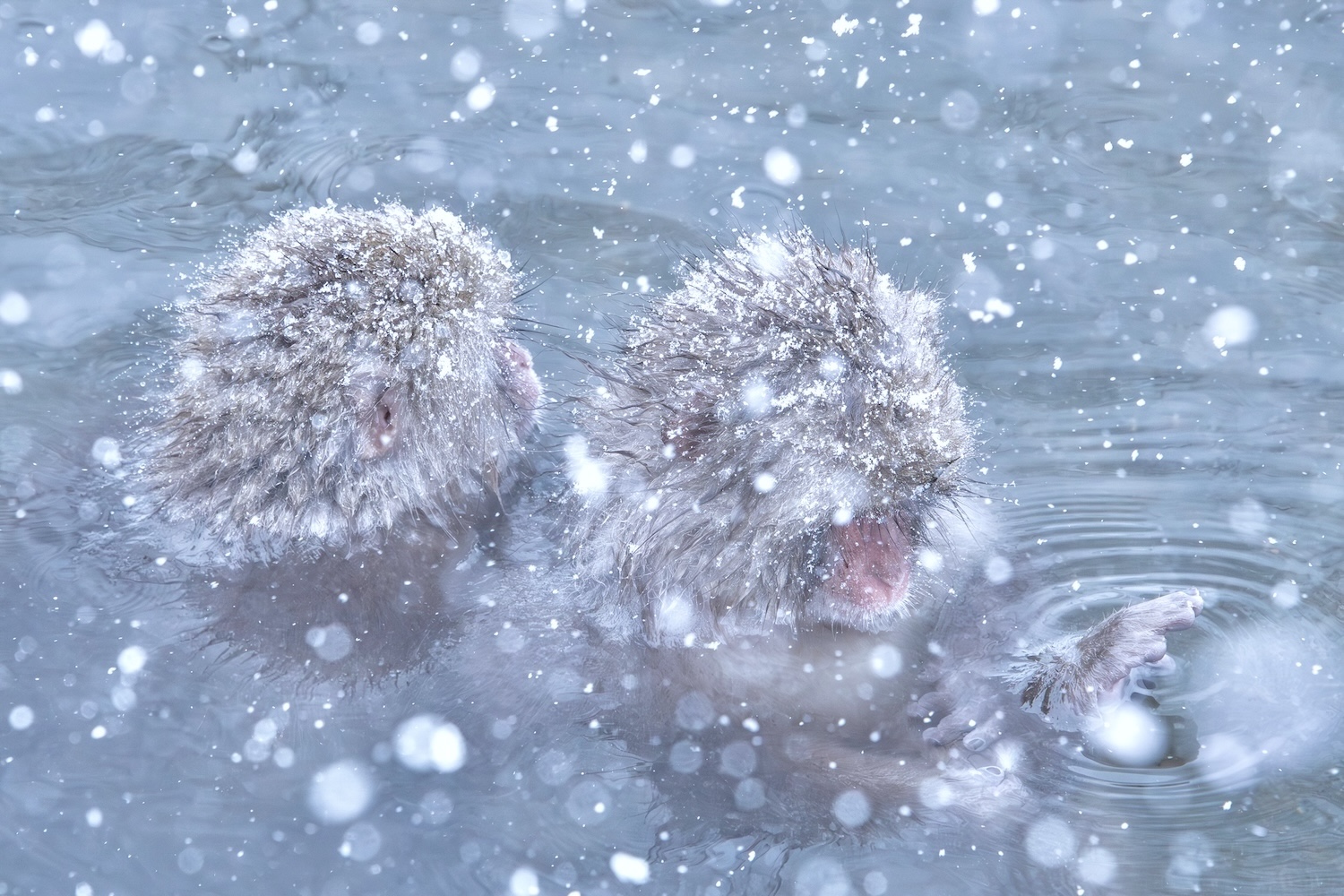
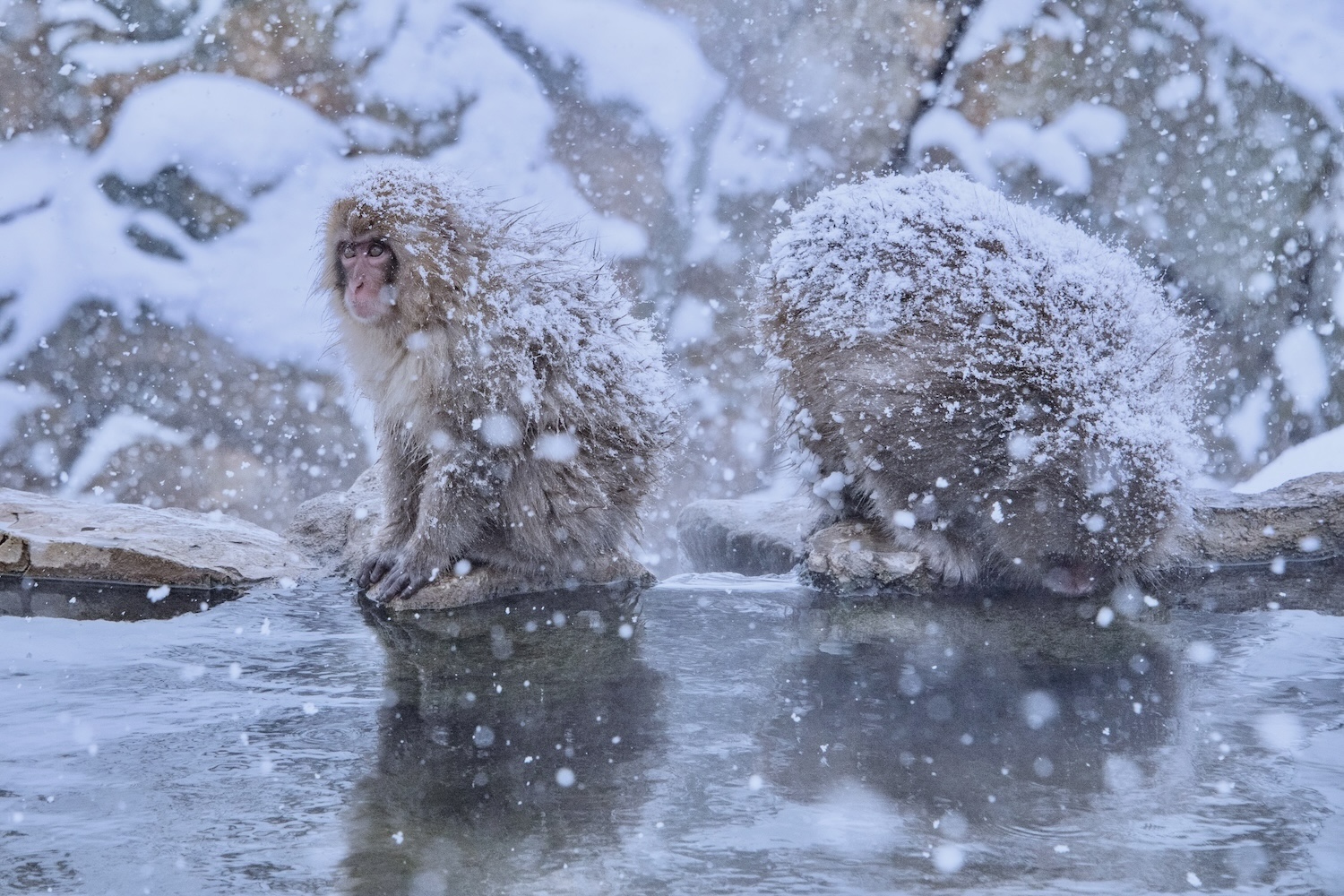
The monkeys of Jigokudani bathe in its onsen almost year-round, but don’t get too excited if you’re planning to see them in May or October. Serious snow doesn’t begin falling here until early December in most years, and if you want postcard-perfect pictures like mine, you need to be here between about mid-January and March 1. Yes, snow can stay on the ground here through the end of April, but unless new snow is falling, it quickly begins to look like a muddy, melting mess.
They’re reachable from beyond Nagano City
Want to see the Jigokudani snow monkeys, but aren’t staying in Nagano-proper? Not to worry. If you can easily reach Nagano Station (and most people can, given that it’s a major railway hub), you simply need to find your way to bus stops #23 or #24, where a Nagaden bus can take you to the Snow Monkey Park in ~45 minutes. Click here to see a timetable for the aptly-named “Snow Monkey Express.”
(Though coming from Tokyo is a stretch)
The snow monkeys of Jigokudani are easy to reach if you’re coming from Matsumoto or from any of the major ski areas in Nagano prefecture. While it’s technically possible to get here from Tokyo (or other Hokuriku Shinkansen stops like Toyama and Kanazawa), spending 1-2 hours on a bullet train each way can turn a half-day excursion into a full-day committment pretty quickly. Which is fine, so long as you’re aware of this going in.
Proper hiking boots aren’t usually necessary
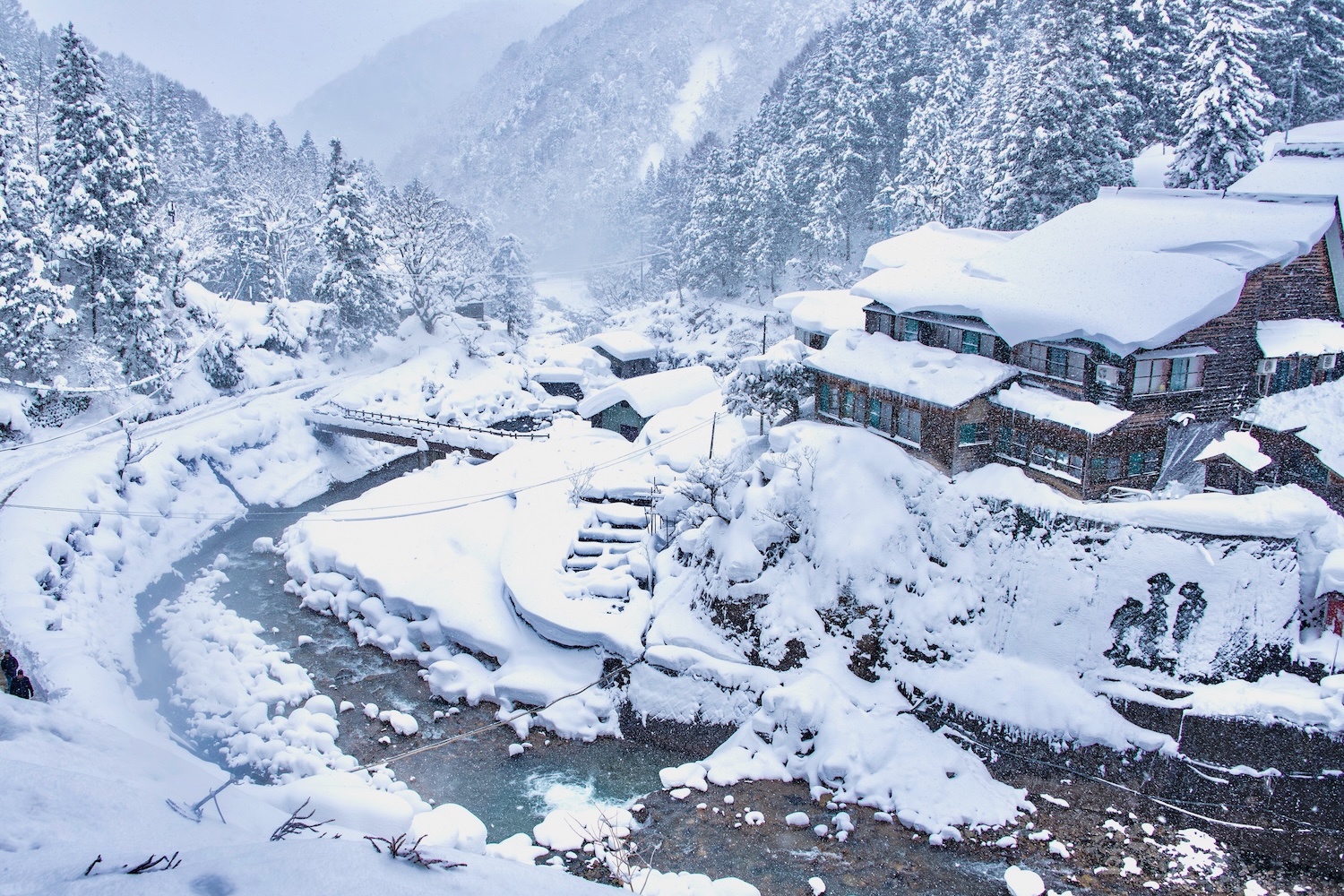
The trail leading from the bus stop to the monkeys themselves is flat and heavily trodden, which means that it isn’t generally slippery, even in the snowiest of weather. The first time I went there, I was freaking out because I couldn’t find a pair of snow boots in my size in Tokyo prior to heading up there. As it turns out, a good pair of sneakers was perfectly adequate to make the hike to the monkeys, which takes 30-45 minutes.
(But snow usually is)
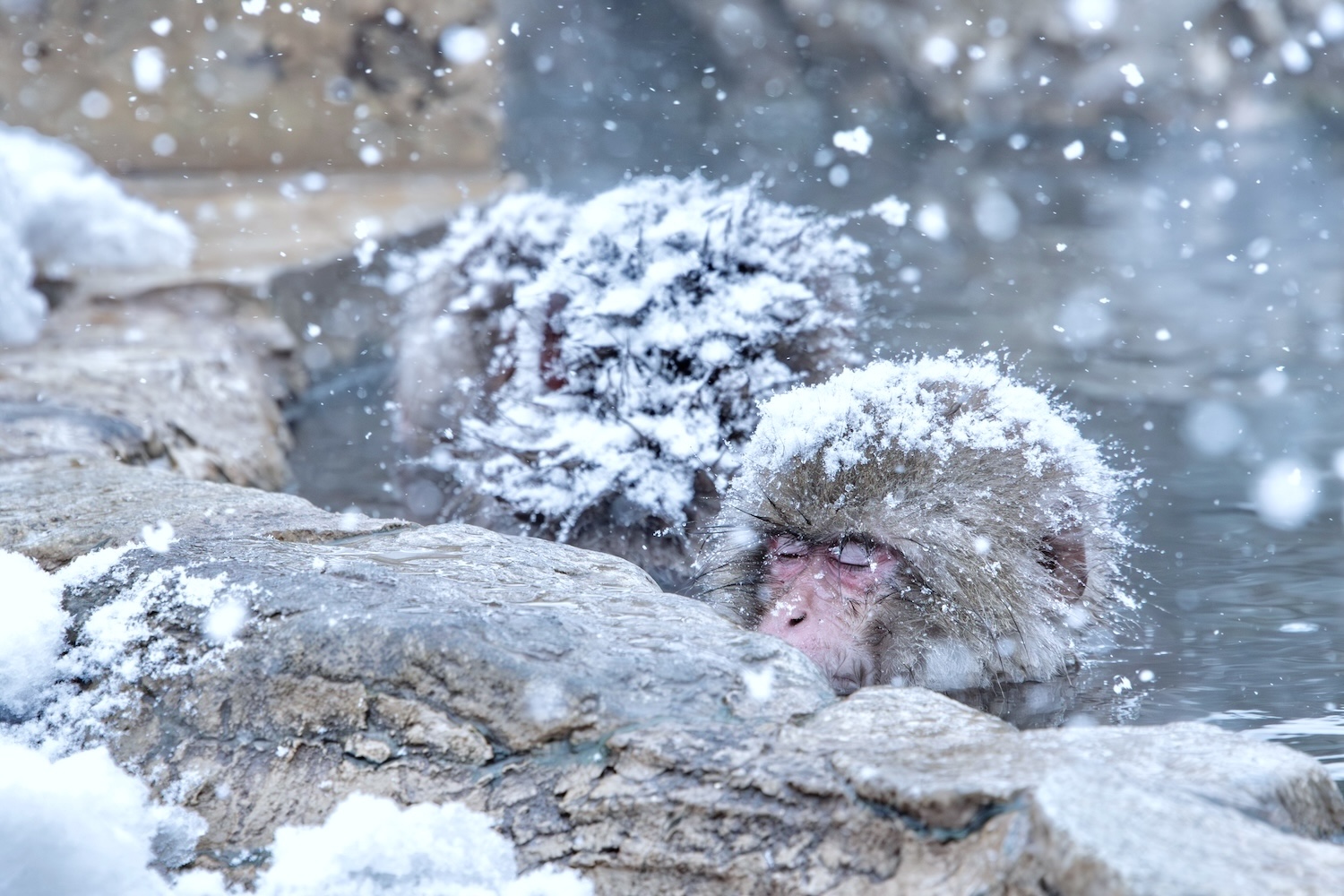
I hate to be a broken record, but I want to make sure you understand. If it isn’t snowy—and, more to the point, if it isn’t actively, heavily snowing—when you reach the Jigokudani snow monkeys, it’s very unlikely that you will feel satisfied with your experience, or the pictures you get. Unless you are absolutely sure you’ll never visit Japan again, save your trip to see the monkeys for the coldest parts of winter. Trust me on this one!
Other Places to See Snow Monkeys in Japan
Love monkeys, but don’t plan to be in Nagano prefecture? Technically speaking, you can see monkeys in other locations in Japan, and I’m not just talking about the wild ones who surprise you when you aren’t expecting it. From Osarunoyama Monkey Park in Tochigi prefecture near Nikko, to Minoh Park just north of Osaka, to Iwatayama Monkey Park in Kyoto’s Arashiyama district, red-faced macaques are more ubiquitous in Japan than you might think.
The problem? Well for me, as someone who admittedly doesn’t like monkeys very much, none of these other places allow you to see the monkeys bathing in onsen while snow is falling. As a result, they’re just…well, monkeys. Indeed, what’s always captivated me about Japan’s snow monkeys is the snow aspect. Obviously, no judgement if you don’t feel the same way, but I’d be remiss not to warn you.
Other FAQ About Seeing Snow Monkeys in Japan
When should I visit Jigokudani Monkey Park?
The best time to see snow monkeys in Japan is when there’s snow on the ground. While snow can fall in the mountains of Nagano prefecture as early as November or as late as April, the optimal time to visit for a perfectly snowy scene is in January or February, when there will be both falling snow and a deep layer on the ground already.
Can you bathe in Jigokudani Monkey Park?
You absolutely cannot bathe with the snow monkey of Jigokudani! This is first and foremost because the water is too hot—it’s over 50ºC or 122ºF, which is much hotter than human onsen. Secondly, the monkeys defecate and urinate in the water, so it simply wouldn’t be sanitary to bathe in it.
Can you see the snow monkeys on a day trip from Tokyo?
It’s easy to see the snow monkeys on a day trip from Tokyo. First, ride any Hokuriku Shinkansen from Tokyo or Ueno Stations to Nagano Station. Then check the Nagaden Bus timetable, and ride the Nagaden Bus to the Snow Monkey Park entrance. Do make sure to verify the last bus time back before you start your hike, which takes around 45 minutes each way.
The Bottom Line
After reading this post, you should have a clear idea not only about how to see the Jigokudani snow monkeys, but all the ways to get there, when to travel and maybe even some ideas about other places to visit in Japan. For most travelers, a trip to Jigokudani Monkey Park (whether as a day trip from Nagano or Tokyo, or an overnight stay at a nearby ryokan) should do the trick. If you’re more adventurous, you might go further afield to Nikko or Hakodate; if you’ve got less time, you could simply visit Kyoto’s monkey park, which features the same monkeys, but (usually) no snow. Want personalized help putting your trip together? Consider hiring me to plan it!