



I was flying completely blind when I planned my first San’in itinerary. It was early 2019; I’d seen the region advertised (masterfully, I might add, as “the real Japan”) somewhere online and had felt immediately compelled to throw a trip together.
Since then, things have improved slightly, albeit largely due—yes, I am patting myself on the back—to content I’ve produced on this website. I’ve also directed dozens of my private trip planning clients to San’in, to universal awe and delight (their words; I’m not congratulating myself twice in one paragraph!).
And yet because this authentic corner (whose Japanese name 山陰 literally incorporates the “yin” of yin-and-yang) of Japan lacks a Shinkansen connection (and apparently a PR department, apart from yours truly), it remains delightfully free of crowds and chaos. Here’s what you need to know about exploring Japan’s San’in Coast.
Why San’in Has Always Had My Heart
The first moment I set foot in the San’in region, I knew I’d made the first decision. Actually, it wasn’t my “first” moment there. You see, when I arrived in Tottori in May 2019 for my “big” San’in trip, it was having previously been there (to Tottori City, and the Sand Dunes) in 2014, the literal first time I traveled in Japan. Still, being back in San’in felt right, from the warmth I felt sitting down at an ordinary kaitenzushi counter in an anonymous part of town, to climbing up the Tottori Castle Ruins at night, completely alone.
With the possible exception of Tohoku, no other region Japan has felt as consistently right to me as San’in. This has been true whether it was my first trip and I was photographing wild horses in the Oki Islands, when I took a sakura season road trip through Yamaguchi and made several new friends on my way up to a viewpoint over the Samurai town of Hagi or even when I returned to Matsue in autumn just to see its castle amid the momiji.
Where to Go in the San’in Region
Tottori and its Sand Dunes
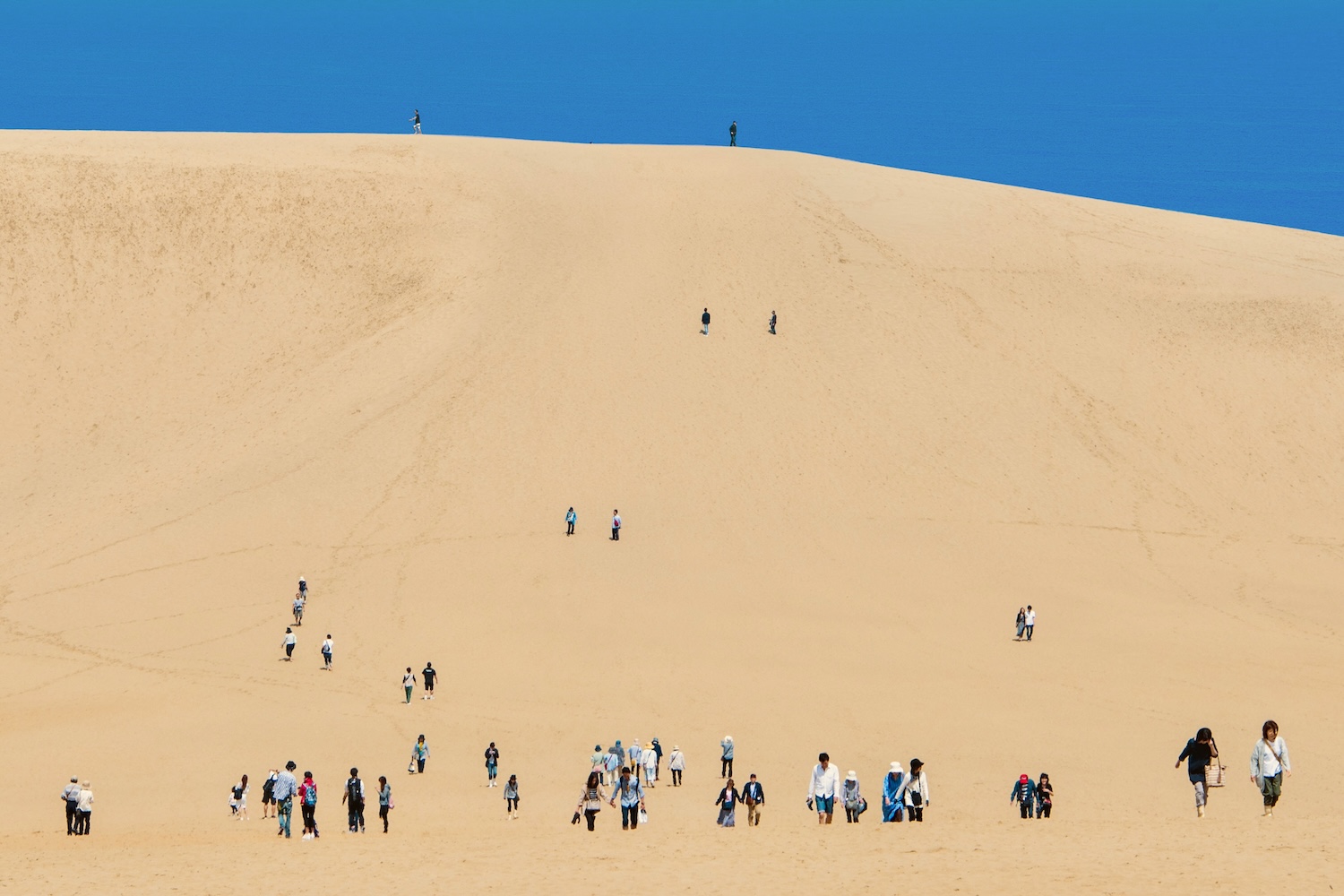


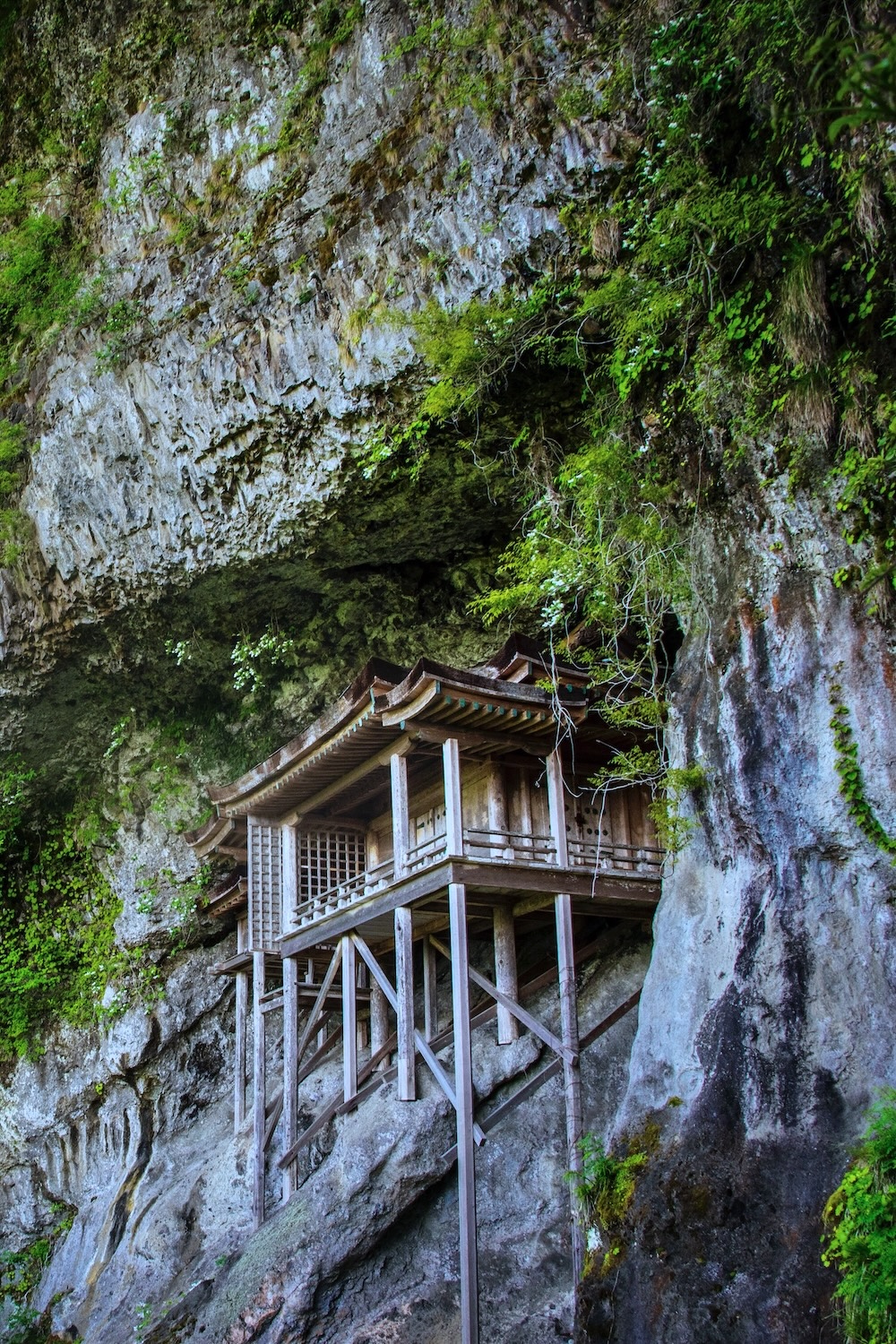

Tottori is the “closest” prefecture of the San’in region to most of the rest of Japan, so that’s where I’m beginning my guide. The bad news? There’s not a whole lot else to do in Tottori City besides eat, sleep and maybe visit the Tottori Castle Ruins. The good news? It’s a convenient base for visiting the Tottori Sand Dunes and the nearby Uradome Coast, not to mention Kurayoshi and its “dangerous” Nageire-do hike. From here you can head west, whether you base yourself in Yonago and take a day trip to Sakaiminato port, or stay at the base of Mt. Daisen (even if you don’t summit it).
Matsue, Izumo and the Adachi Museum of Art


Head even further west to Shimane prefecture to continue your San’in coast itinerary. I’m speaking, specifically, about the large cities of Matsue (which is home to Lake Shinji and also to Matsue Castle, one of just 12 remaining “original” castles in Japan) and Izumo, whose namesake Izumo Shrine (one of the most sacred anywhere in Japan) eats up most of the tourism oxygen there. Another worthwhile destination here is Yasugi, which is famous mostly for the superlative Adachi Museum of Art, but also for the unique Yasugibushi performance style.
The Oki Islands
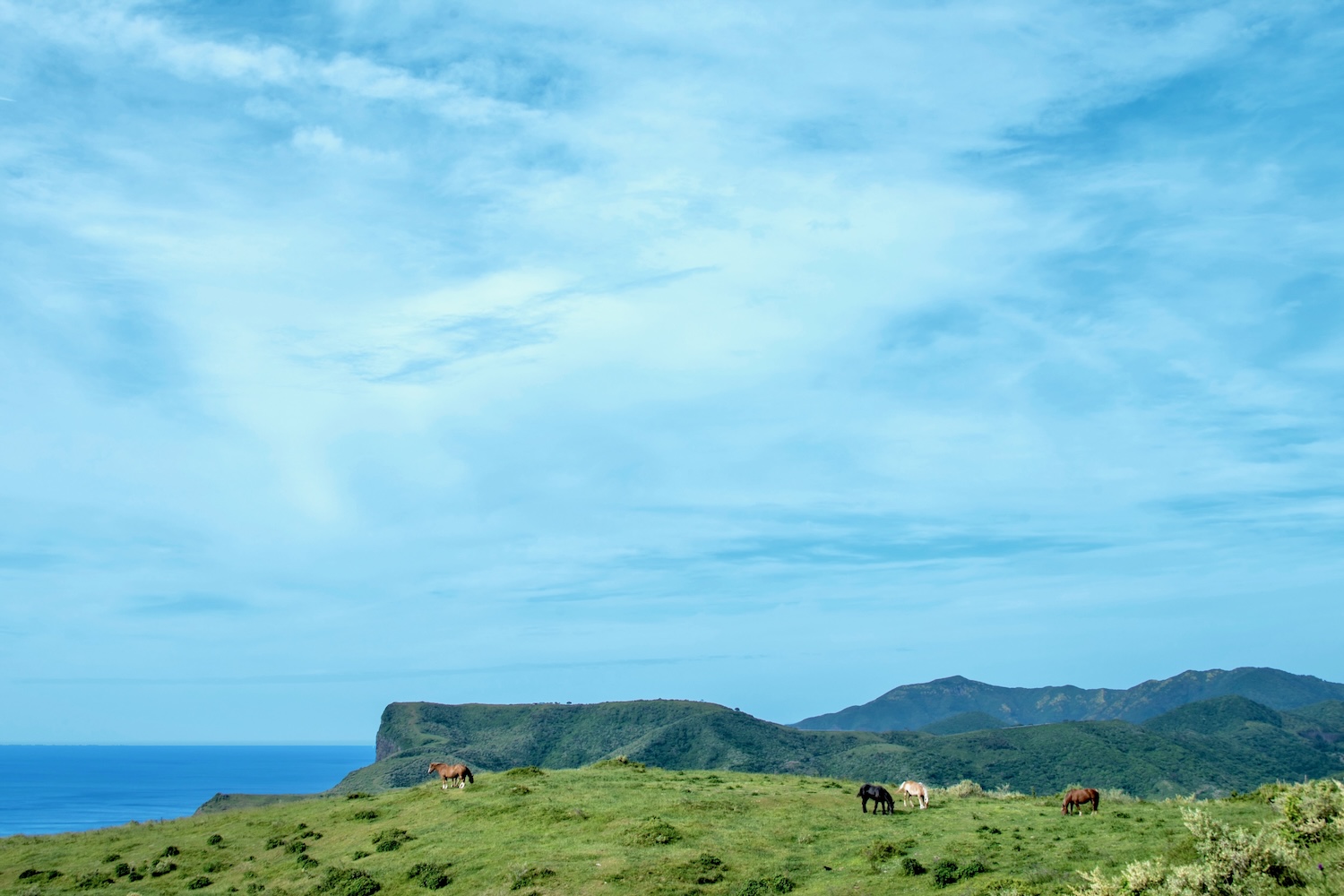
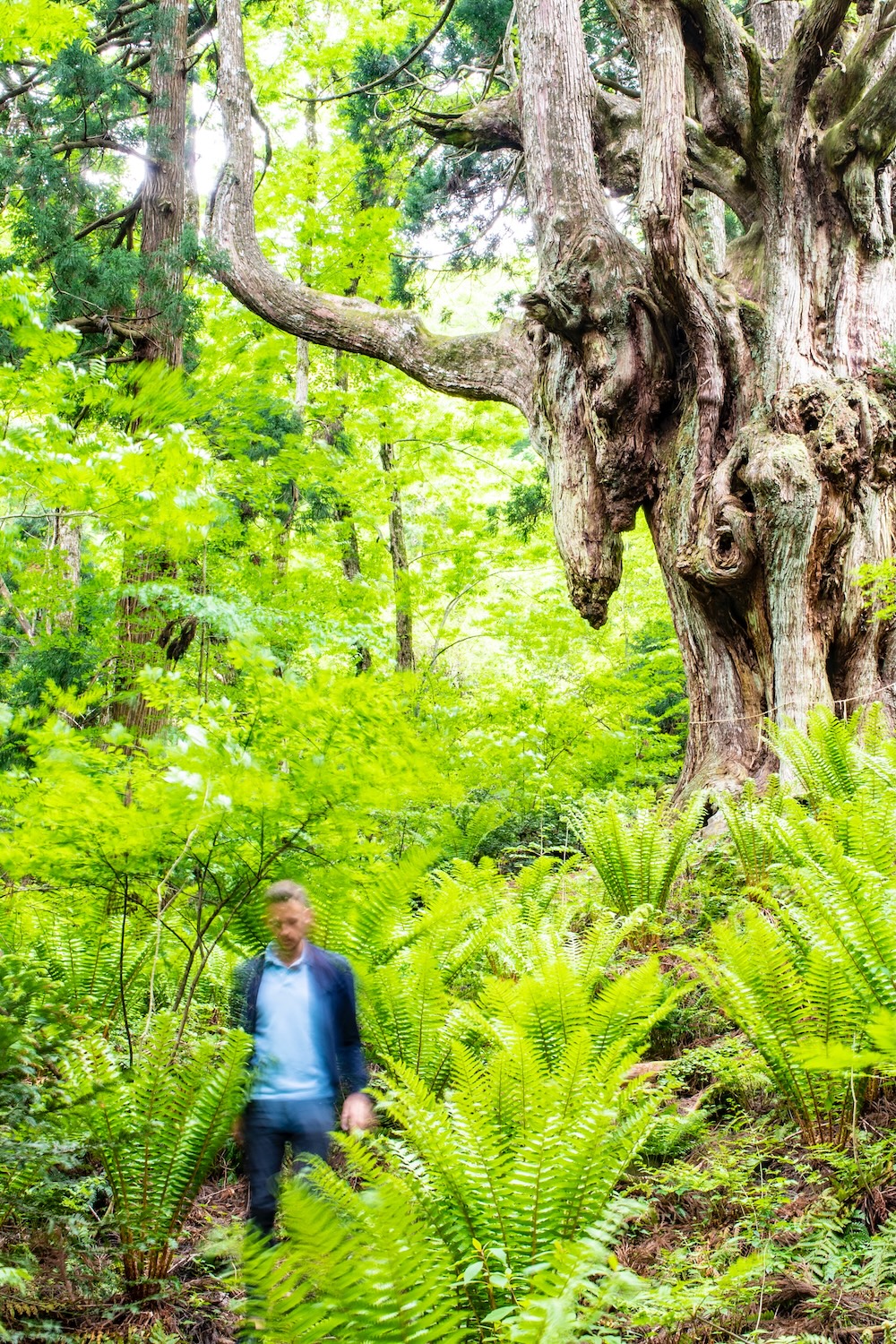

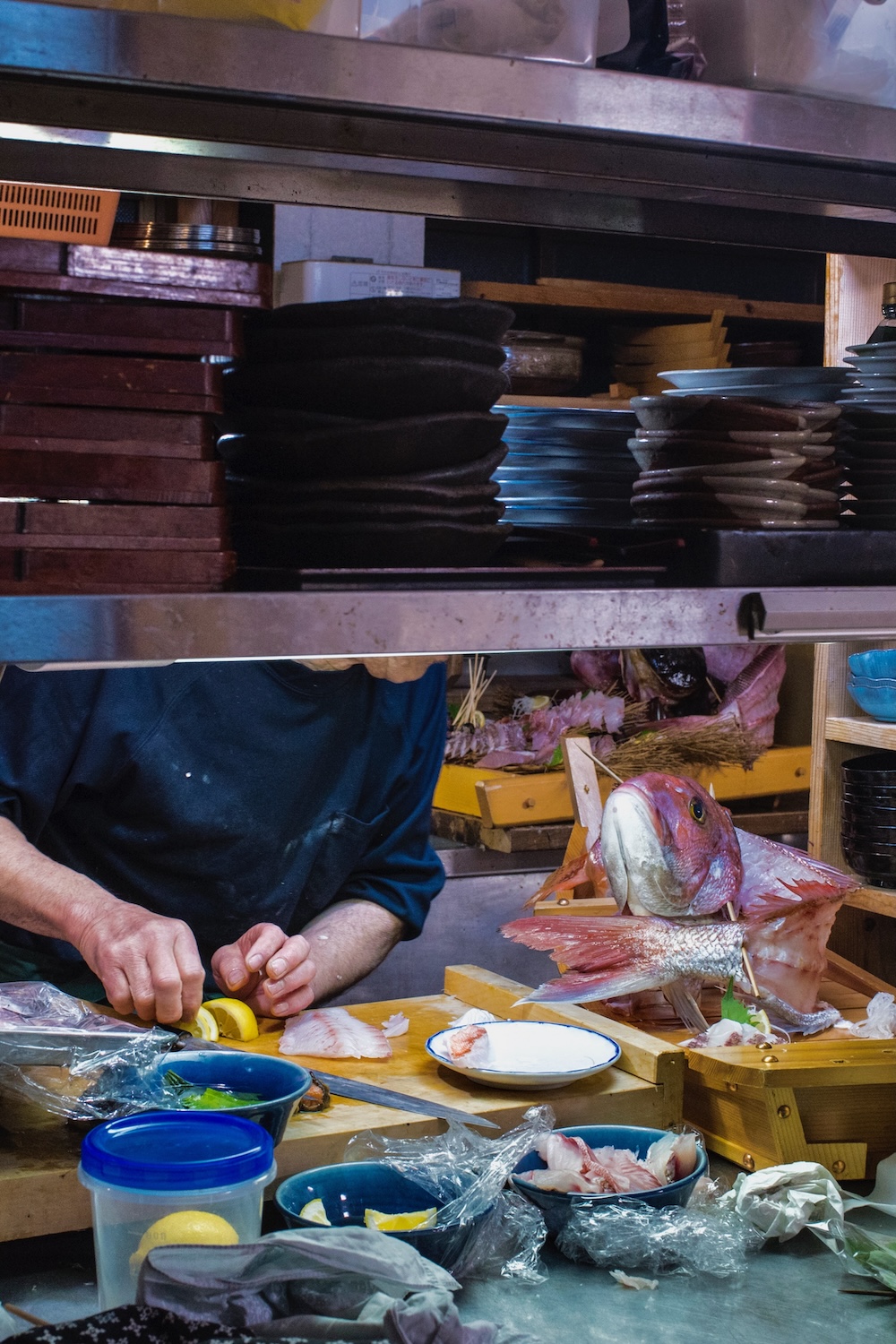
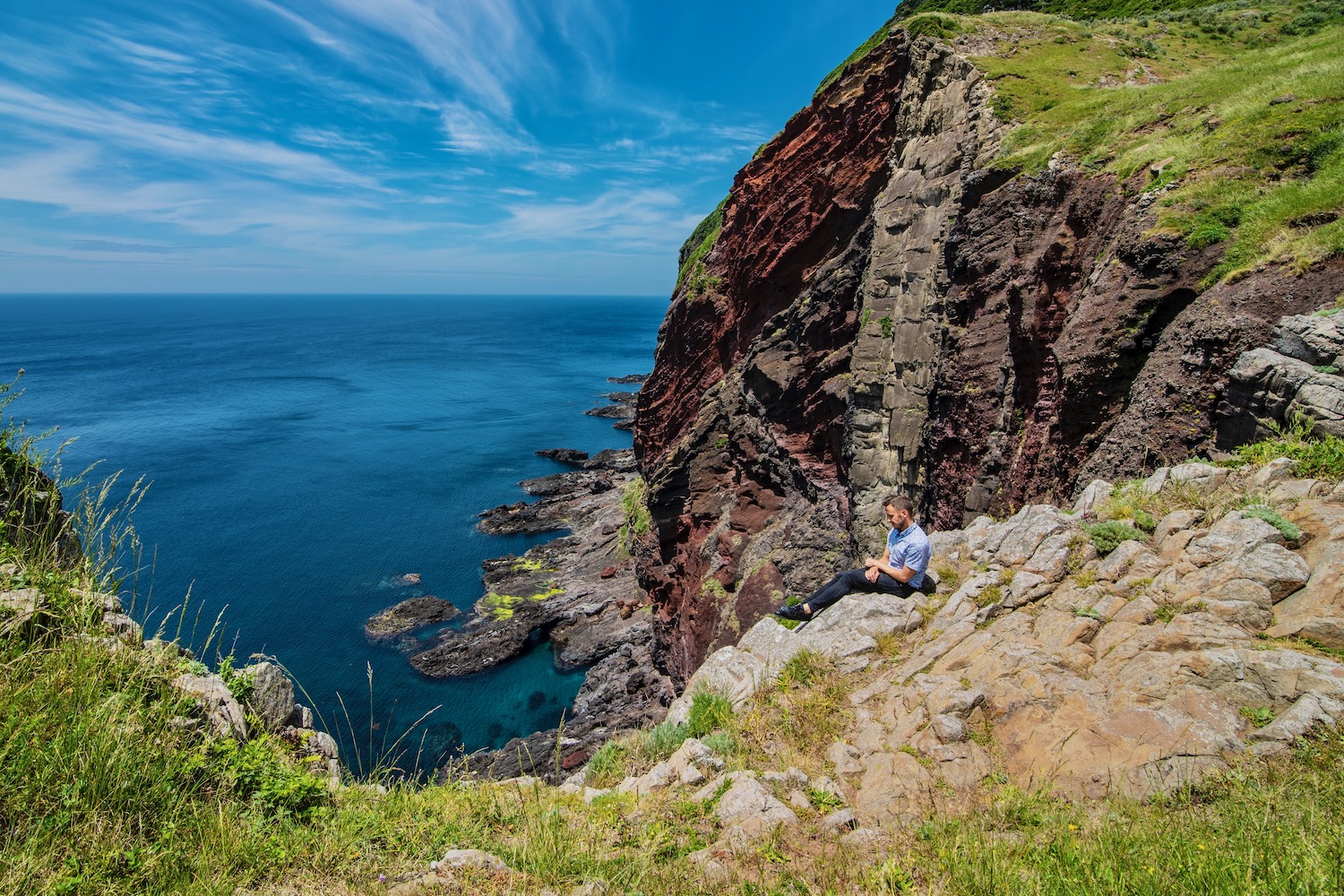
Either from Matsue or from the aforementioned Sakaiminato port near Yonago, you can take a high-speed jetfoil ferry to Saigo Port on Dogo Island, the largest of the Oki Islands. I can say without any exaggeration that this small archipelago is one of the most authentic places anywhere in Japan, whether you admire landforms such as the Sekiheki Red Cliff, see wild horses along the Kuniga Coast or dine on some of the freshest and most unpretentious seafood I’ve ever eaten.
Tsuwano, Iwami and the Hagi Samurai district


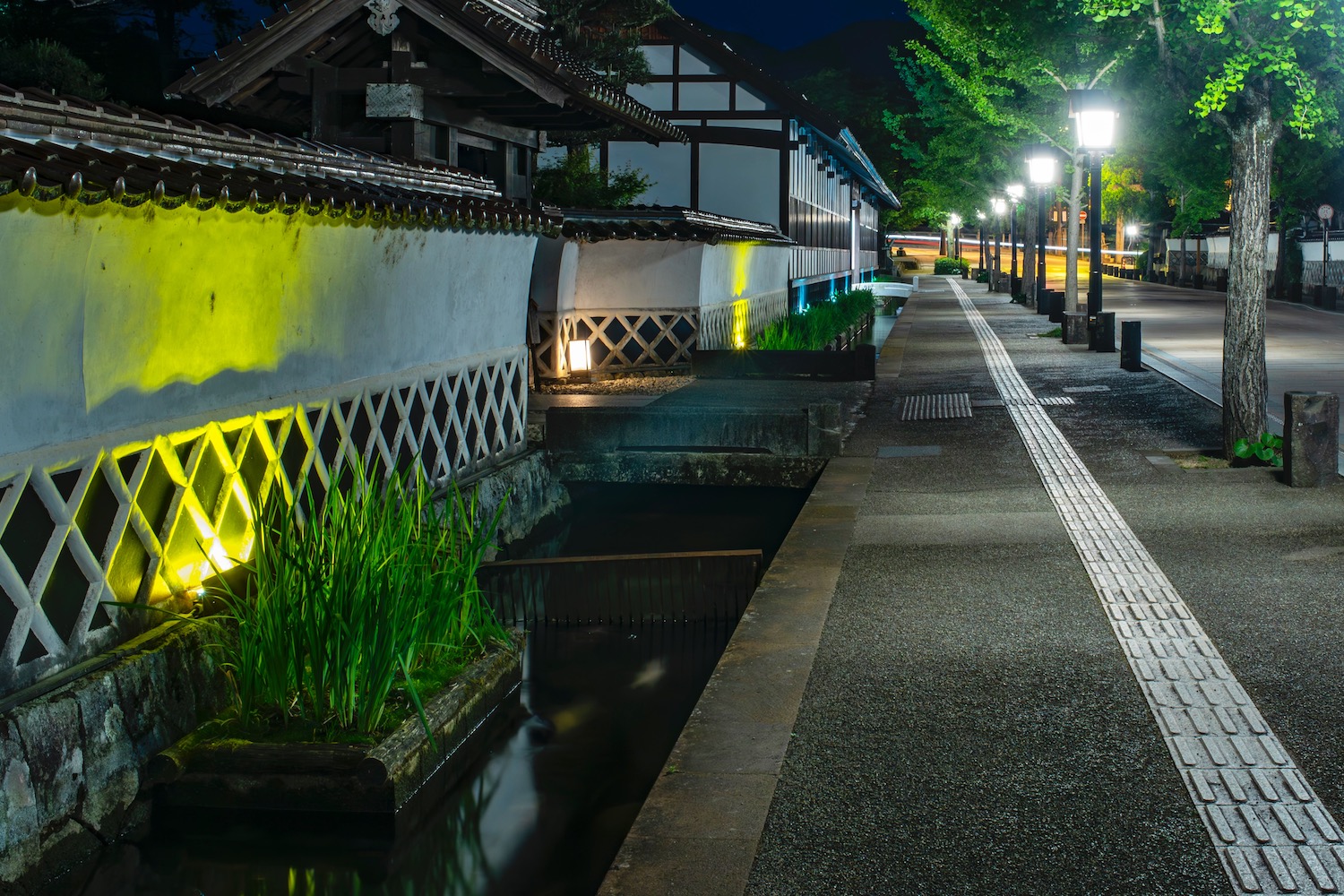
Continuing even further down the San’in Coast takes you to cities like Hagi and Masuda—which, I’ll admit, are beyond the point where most travelers run out of time. We’ll start with Hagi, which is home to one of Japan’s best-preserved Samurai districts, to say nothing of its unique botanical profile, where mikan citrus grows alongside palm trees and sakura. Hagi is also within day-trip difference of the charming inland town of Tsuwano (known, among other things, for the koi carp that swim through its drains) and the Iwami Ginzan Silver Mine.
Motonosumi Inari Shrine
Another city in the western part of the San’in region is Nagato, which is itself somewhat unremarkable. However, it’s the gateway to Motonosumi Inari Shrine, which is one of the most picturesque places anywhere in Japan. Think red versions of the orange gates of Kyoto’s Fushimi Inari Shrine, but on the sea. Are you already sold? Because I was, the very moment I discovered this place.


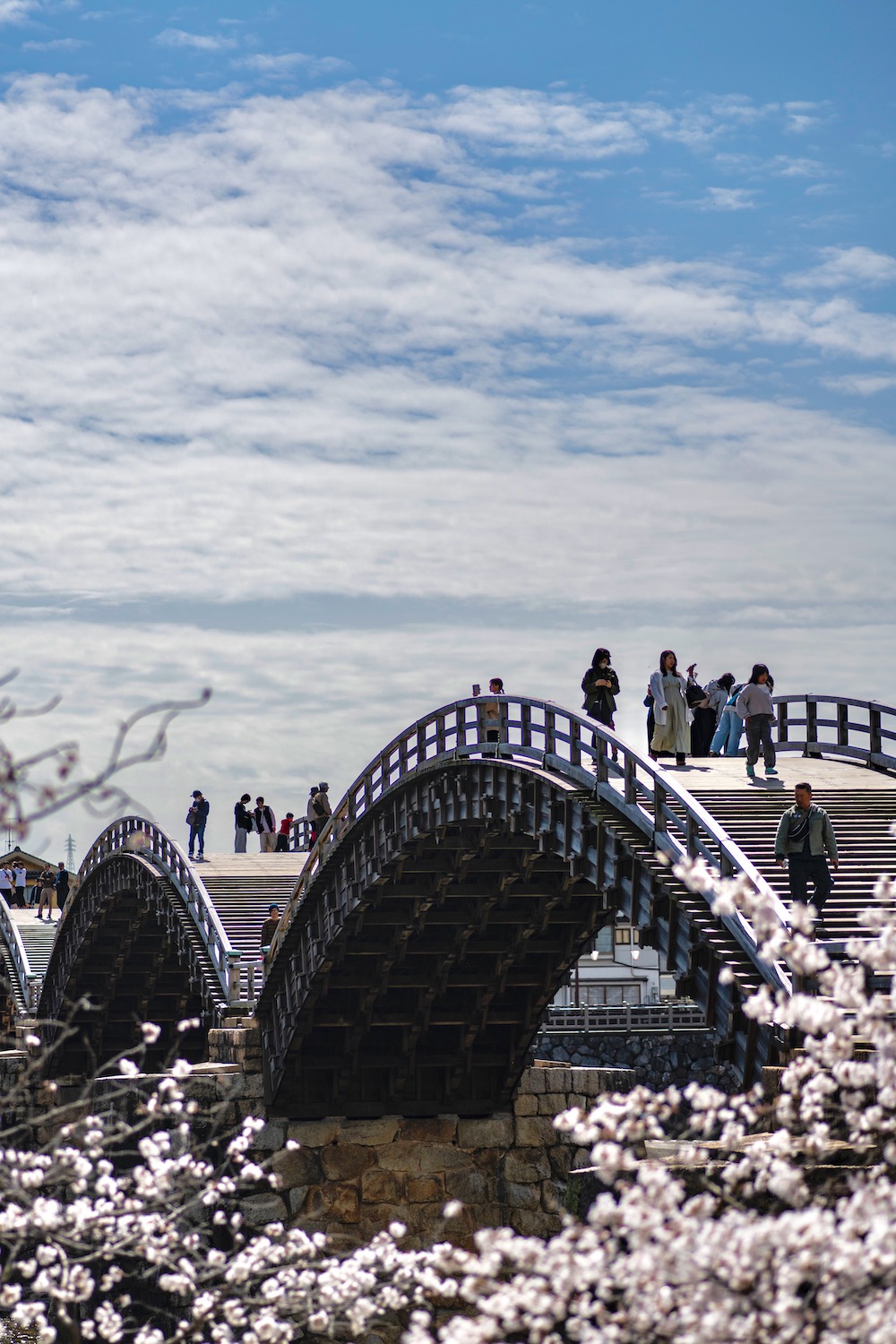
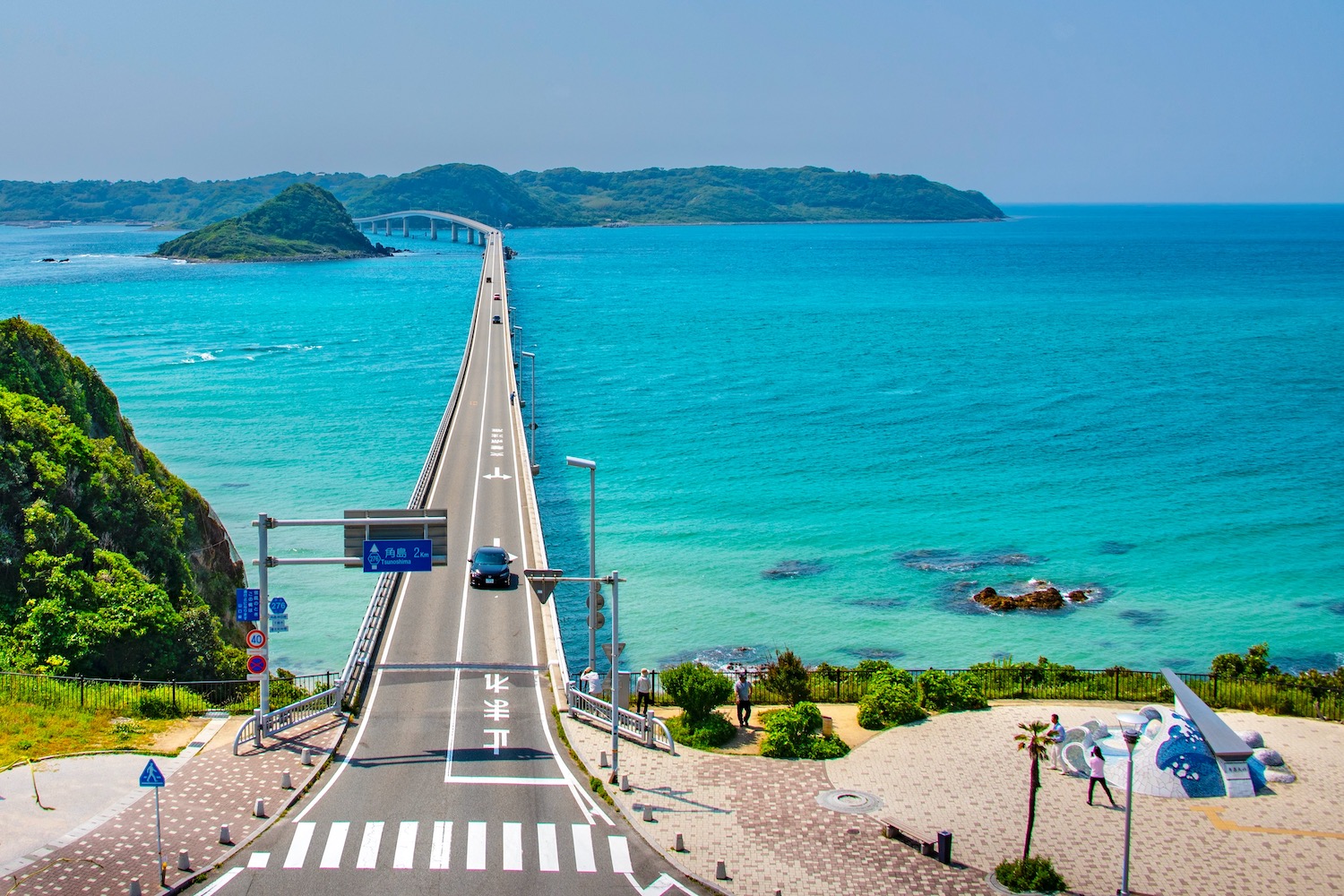
TIP: If you have a rental car and a few days at your disposal, you can discover the rest of Yamaguchi prefecture past this point. Some travelers will take a coastal route, stopping at beautiful Tsunoshima island before going “around the bend” to underrated Shimonoseki city, while others will travel southward, whether that means stopping at Kintai Bridge near Hiroshima, or cooling off in Akiyoshido Cave.
How Long Do I Need in San’in?
San’in is a relatively large region, made larger by the relative tedium of getting there, and the fact that it’s also slow getting around. With this being said, if you just wanted to visit Shimane and Tottori prefecture (as many tourists do), you could split 3-5 days between Tottori City, Yonago, Matsue and/or Izumo (with day trips from whichever bases you choose) and call it a day.
Where a sprawling San’in region itinerary really becomes necessary is if A) you plan to include Yamaguchi prefecture (which is so large tht it spills south into San’yo) and/or B) you want to incorporate inland destinations (such as Tsuwano or the Iwami Ginzan Silver Mine) into your trip. In these instances, you’re better off following my example from back in 2019, when I spent two full weeks in San’in.

Other FAQ About Visiting Japan’s San’in Region
Where is Japan’s San’in region?
Japan’s San’in region (山陰地方) occupies the northern “half” of the far-western Chūgoku region of Honshu island, which is most famous for the city of Hiroshima (which is on its southern coast). It’s one of the furthest places you can travel from Tokyo while still be on Honshu island—and it feels like it, in the most possible.
What is so special about the San’in Coast?
The San’in Coast pairs some of Japan’s most magnificent scenery with authentic historical townscapes and charming small-to-medium sized cities, but because of its disconnection from Japan’s Shinkansen system, lacks the tourism numbers you’d expect for such a destination. This results not only in an uncrowded trip, but in local people who are happy and even grateful to see foreign visitors.
How do I get from Tokyo to San’in?
The easiest way to travel from Tokyo to San’in is to fly nonstop from Haneda Airport (HND) to one of the major airports in the San’in region: Tottori (TTJ); Yonago (YGJ); or Izumo (IZO). Alternatively, you can ride a Shinkansen to either Shin-Osaka (for Tottori and Yonago) or Okayama (from Matsue and Izumo) and ride a Limited Express train onward from there.
The Bottom Line
With this San’in itinerary, I’ve gifted you the key component I lacked when I took my own first trip to this captivating corner of Japan. What they say about the San’in Coast is true: It’s “the real Japan,” with otherworldly landscapes (the Tottori Sand Dunes), stunning shrines (Izumo’s is maybe the best in Japan; Motonosumi Inari is basically Kyoto’s Fushimi Inari, but on the sea), intact castles (Kon-nichi-wa, Matsue-jō!) and so much more. Even better? When you hire me to plan your journey through the San’in region (or anywhere else in Japan), my decade-plus of Japan travel experience ensures a seamless trip that hits every mark.