


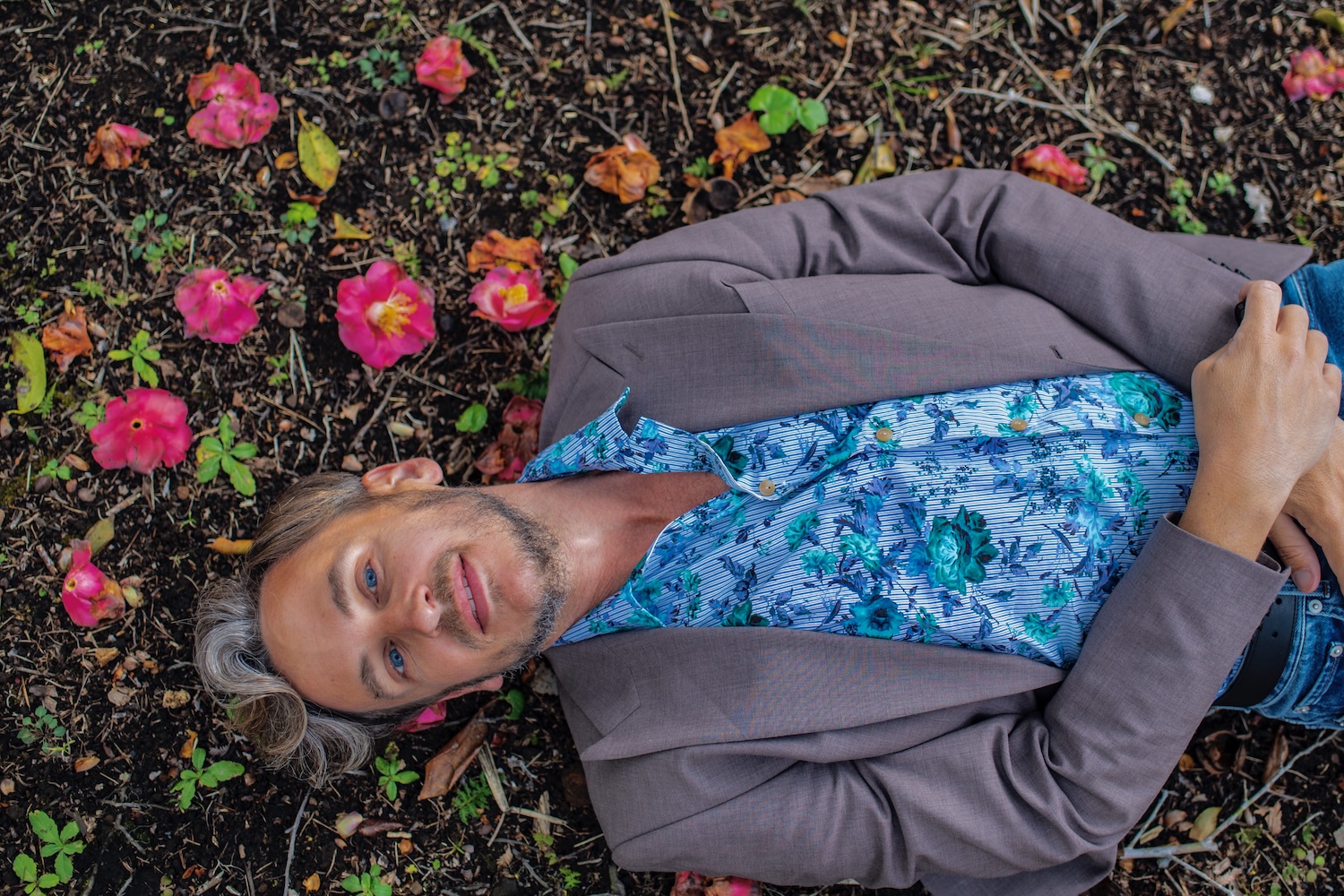
When I heard footsteps racing up the stairs early the morning of the second Friday in February, I assumed they belonged to the other person staying at the inn. At least until they gave way to knocking—at my door. Who on earth could be summoning me at such an hour?
It was the man who had picked me up at the port the previous morning. “We have to go in 30 minutes,” he said, slightly out of breath, gesturing an “X” with his arms as he explained that the morning ferry had been cancelled, though without providing a reason why. “My wife will put your breakfast in a bento.”
On one hand, I was relieved. I’d explored basically every nook and cranny of tiny Toshima, the island whose famed camellia bloom I’m come to enjoy, the previous day. Although I was grateful at the prospect of more time to get to know the place, I feared it might be redundant, or even boring.
On the other hand, the more I learned about my unwitting change of plans, the more annoyed I became. The ferry hadn’t been canceled, per se. Rather, the outbound boat from Tokyo (the same service I’d arrived on nearly 24 hours earlier) would simply not be making a stop here as it looped back around toward the capital later that afternoon.
“In other words,” I asked the couple for clarity in badly-broken Japanese as they took payment for my abbreviated stay, “I have to ride the boat all the way down to Kozushima and from there, all the way back up north? More than 14 hours instead of just under nine?”
“Hai!” They nodded, with bizarre grins on both their faces. “But it’s a free pass.”
Annoyed (was I supposed to be grateful about not having to pay for being forced to spend five superfluous hours on a boat?), I asked them whether there was any faster route I could take—there was not.
And so, just as the panting prophet had told me I would half an hour earlier, I departed the island less than a day after I arrived, with nary a complaint or even a sigh as I boarded the sturdy Salvia Maru.
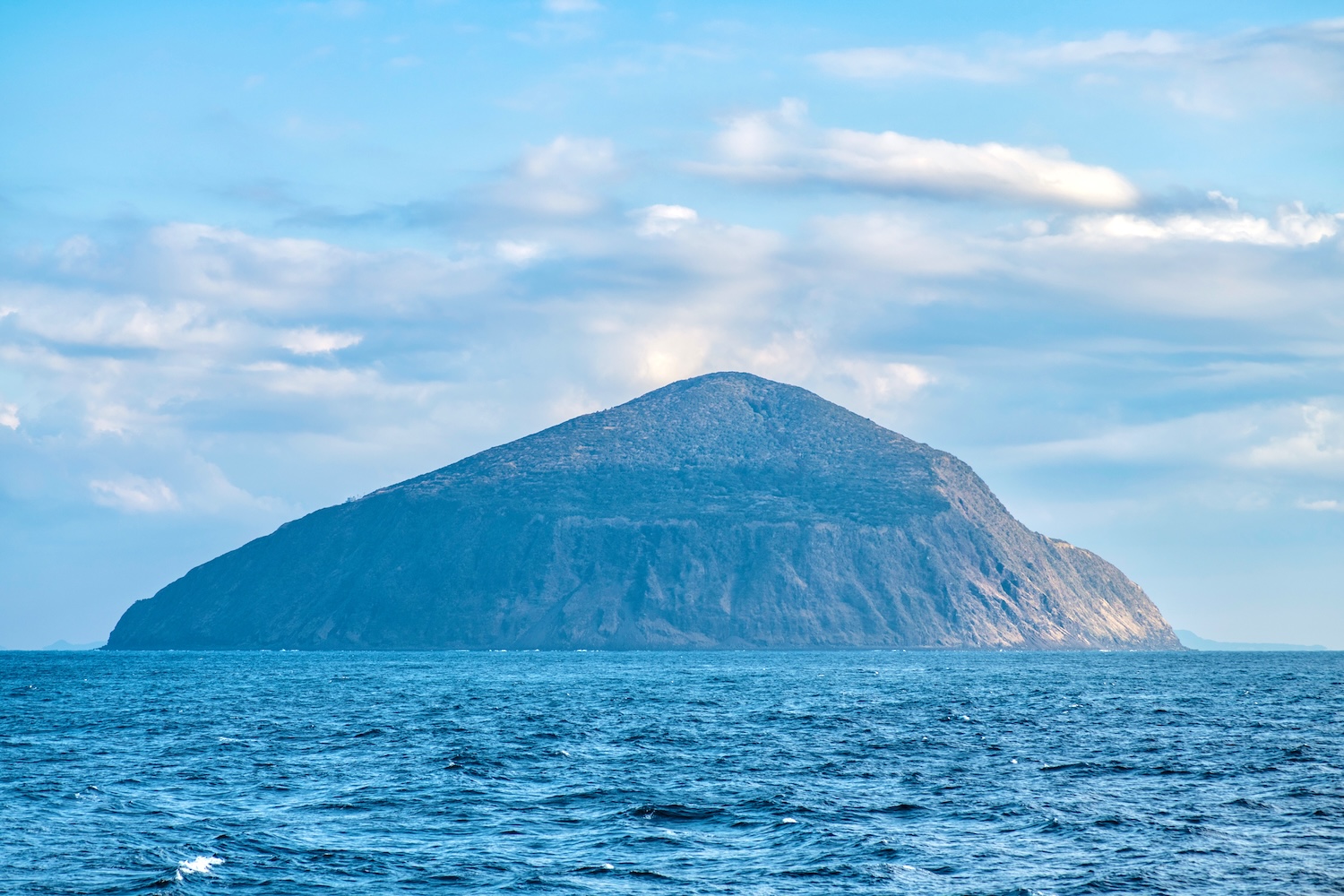
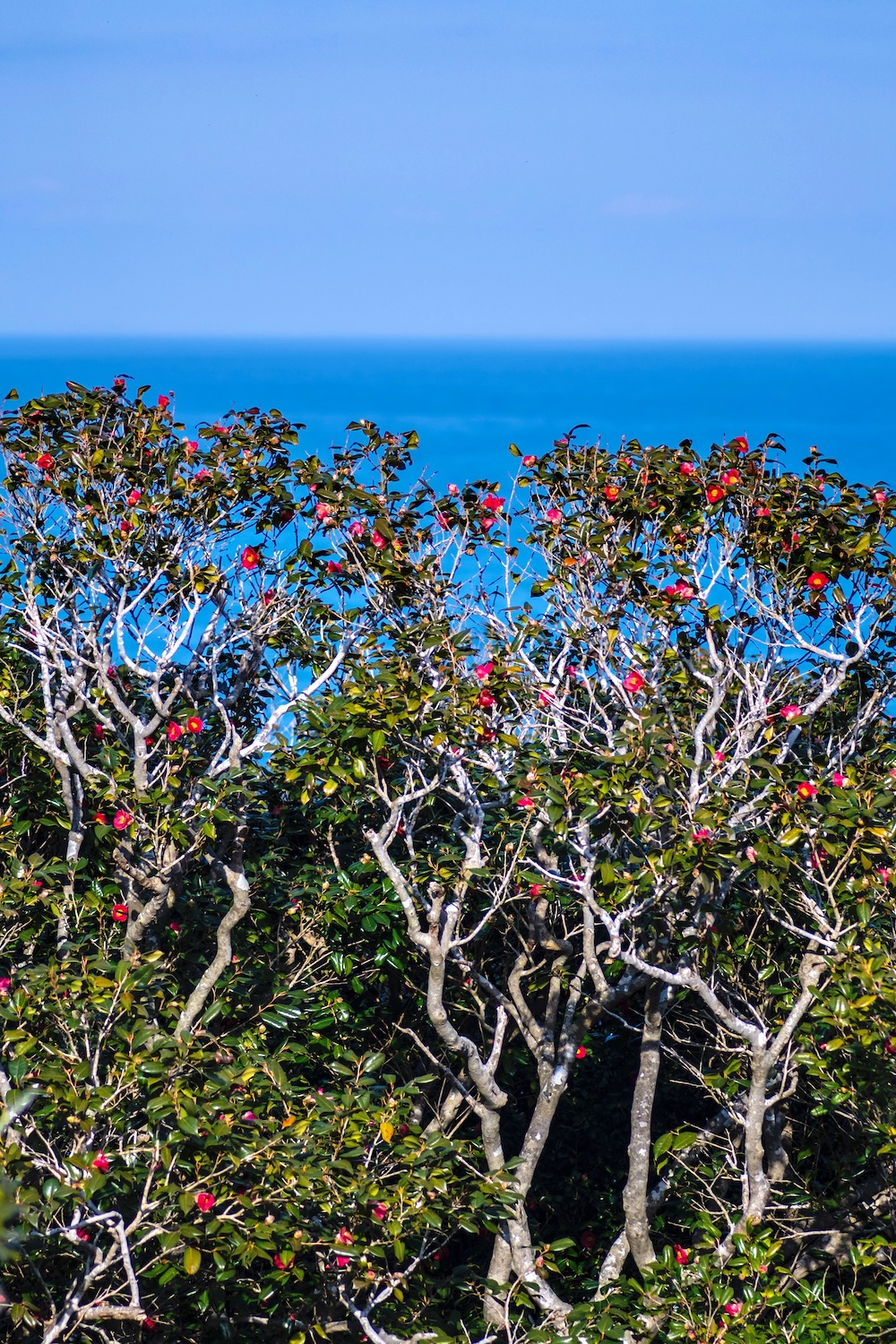
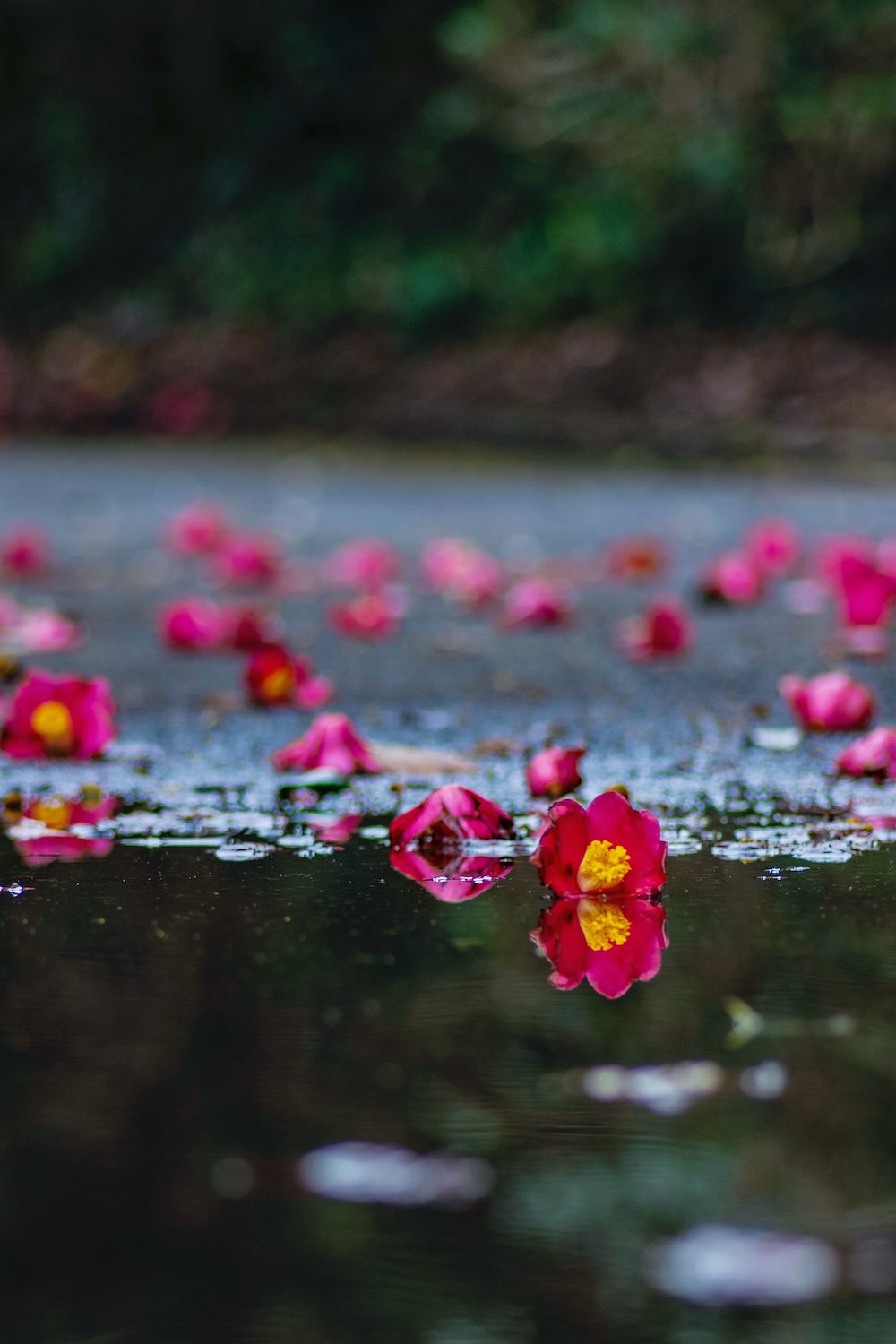
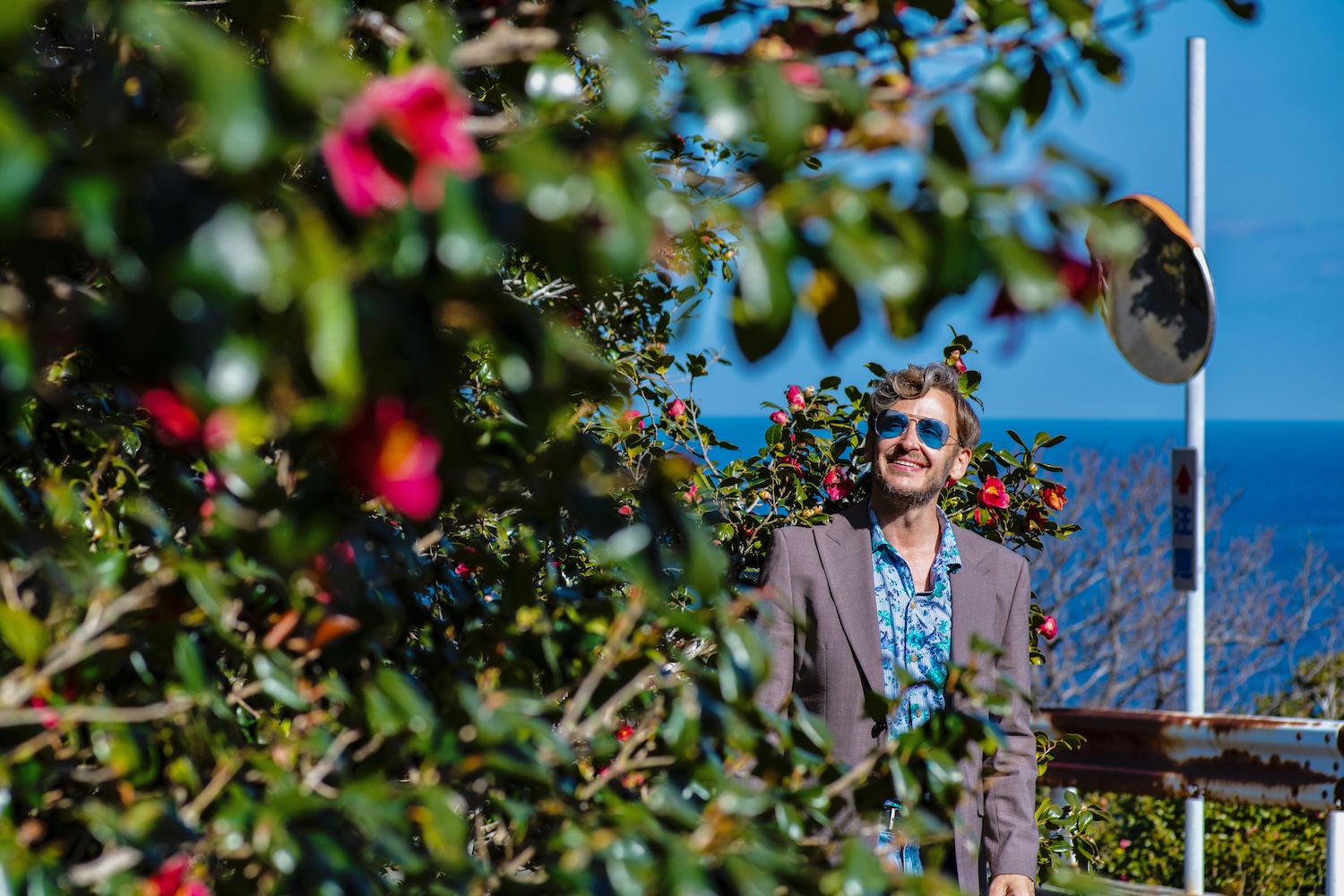
I wish I could tell you that my travel travails ended right there, and that the rest of my winter week in Japan (which followed six delightfully warm ones in Thailand) proceeded exactly as I’d envisioned.
Unfortunately, after finding my way to my seat (I’d booked in second class this time, since it was a daytime journey, unlike the deluxe private cabin I’d snagged for the overnight on the way here), I quickly fell asleep. Which wouldn’t have been an issue, had it not been for how weak I felt upon going up to the observation deck to try and get a view of the southern Izu archipelago.
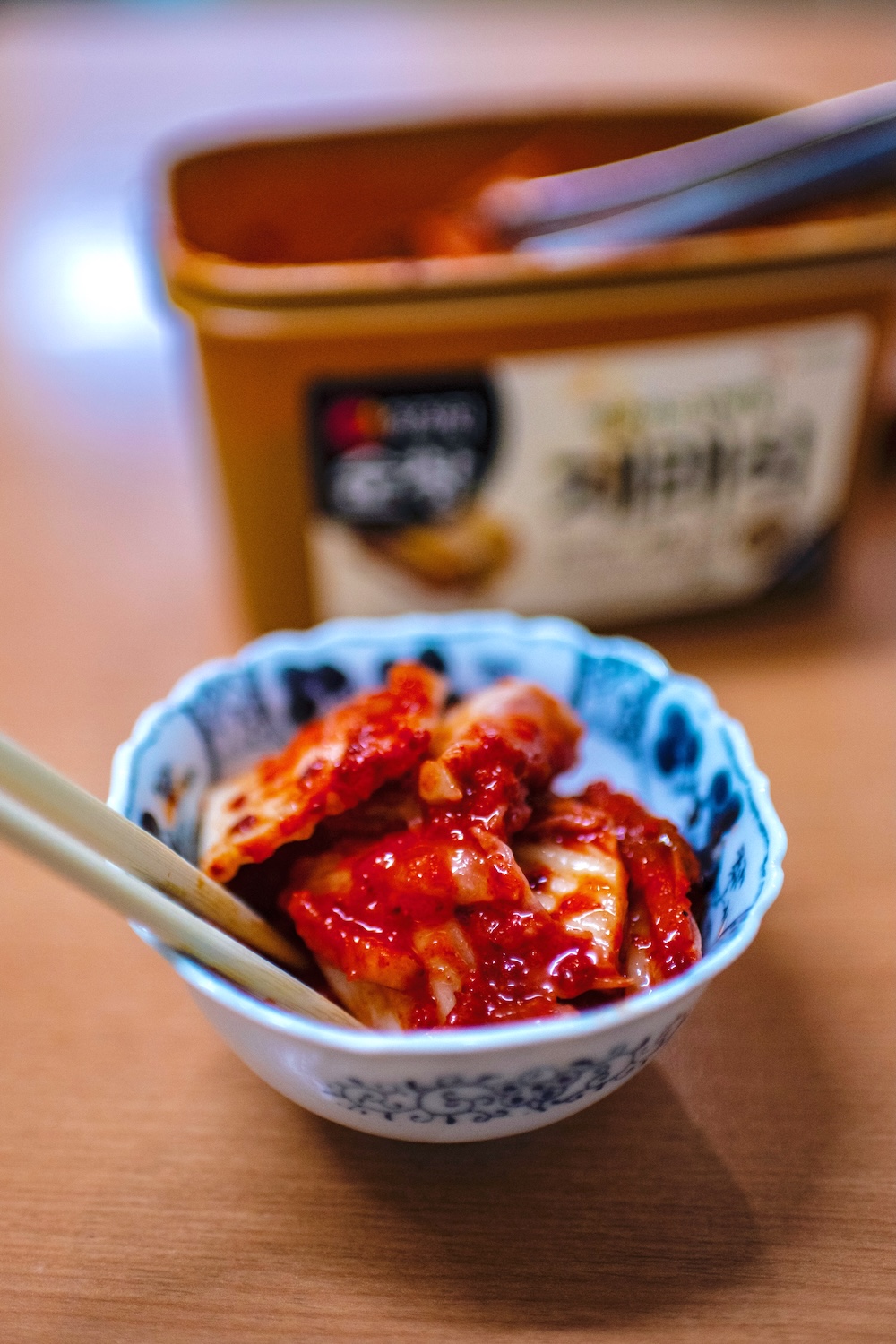
It wasn’t until several hours later, during a “layover” on Izu Oshima island between the larger ship and the smaller, faster jetfoil that would take me the rest of the way to Tokyo’s Takeshiba Port, that it dawned on me what might have been going on: I had food poisoning, likely from the Korean restaurant where I’d eaten lunch the previous day.
The place hadn’t seemed clean; I had found either cat or human hair inside both my kimchi and bulgogi. Certainly, I doubted I’d gotten sick from the home-cooked dinner my hostess at Soudaimo had made me—both the meal and the entire house had looked and smelled (and, in the case of the food, tasted) impeccable.
Although I hoped mine would be a mild case (I was in eastern Japan, after all, not East Java), it turned out that was not in the cards.
Not only did the 10-minute walk from the minato to my hotel near Hamamatsucho Station feel much longer and more strenuous than it was; I fell asleep before I was even able to unpack fully or shower.
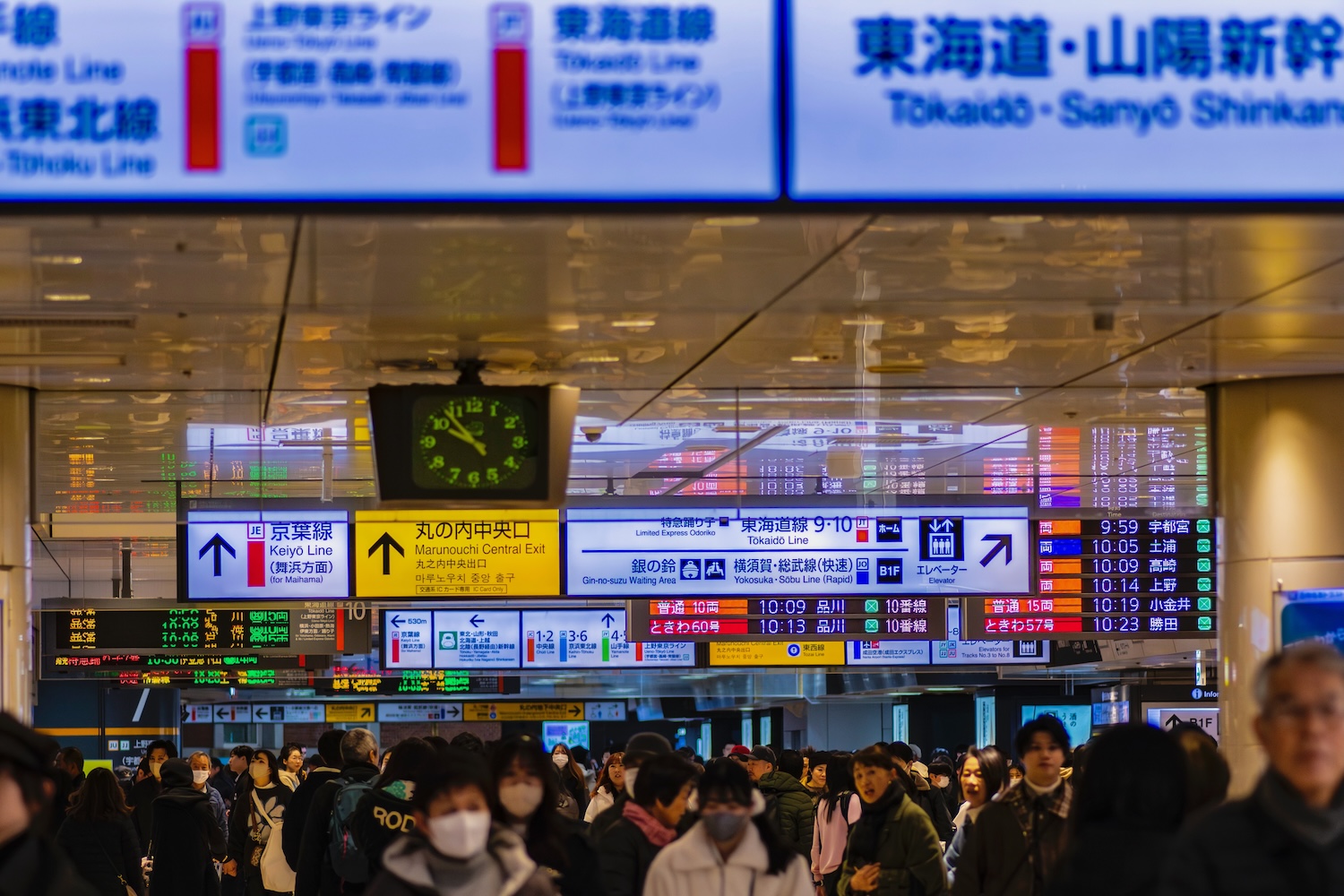
Worse, the next morning, I had barely enough strength to make it to Tokyo Station to catch my Shinkansen to Mishima where, upon disembarking, I nearly decided to turn back, instead of proceeding to Toyota Rent-a-car as intended.
I remember sitting down on a bench—no, a decorative rock—outside the station’s north exit, trying to come up with a list of reasons that my long-awaited foray to Lake Kawaguchi to see fireworks over Mt. Fuji would not be worth pushing through my illness. The items on it were compelling and numerous; I’m not sure why I pressed on in spite of it.
In some sense, to be sure, my arrival in the Fujigoko region was an argument against my perseverance. Although the mountain was clearly visible, the sky above it was overcast, leading to a low-contrast scene, one made even more unattractive by a conspicuous lack of snow in the middle of winter.
And yet somewhere during the one-hour drive my DayQuil kicked in, and the burst of energy it provided elucidated an epiphany: My impairment was not an obstacle, but an opportunity.
You now have clarity, I reminded myself on the return journey of a perfunctory post check-in out-and-back from my hotel along the scenic north shore of the lake.
Rather than the scattering of sites I previously anticipated I’d explore, I could now simplify my afternoon. I’d walk outside to catch the sunset, and then again 30 minutes before the fireworks start to set up my tripod. After getting the shots I needed, I’d push through the Zoom meeting with my private client and go to bed. Easy peasy.
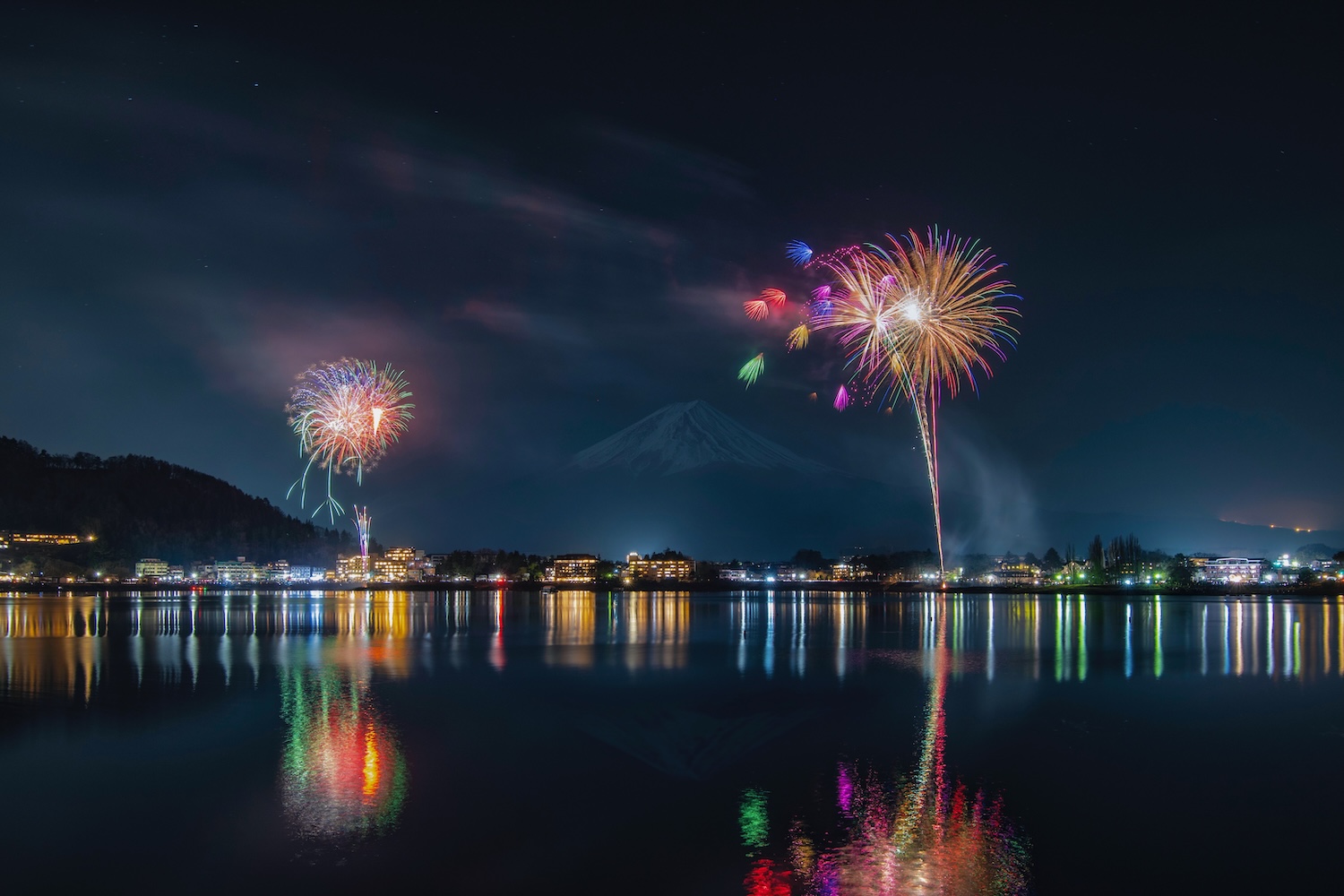
I awoke the next morning (which was Sunday, 48 hours after the fateful knocking that had begun my gastroenteric nightmare) feeling much better, and not just because of how flawlessly I’d executed—I mean, do you see the picture above?
Indeed, I used my newfound energy to re-calibrate both my arrival at my next destination (Toyama, clear across Honshu island on the Sea of Japan coast) and also to streamline my itinerary there.
My impetus for returning to the notoriously overcast prefecture was a chance to see the famous Amaharashi Coast in all its glory. On previous jaunts, the Tateyama mountain range had been either blocked out by haze (in spring), or so devoid of its ironic snow cover (in early summer) that it seemed anonymous and unimpressive.
Although the forecast for Toyama-ken had for several days before my arrival foretold its typical clouds and rain (it was too warm for snow this particular week of February), I woke up on the shores of Lake Kawaguchi to find that it would be sunny for basically the entire afternoon.
With that, I shifted my schedule: I would return the car at Mishima four hours earlier than I’d told the shop I would and then, after spending about as much time on a pair of bullet trains, pick up my car near Toyama Station four hours earlier there. What was the worst that could happen?
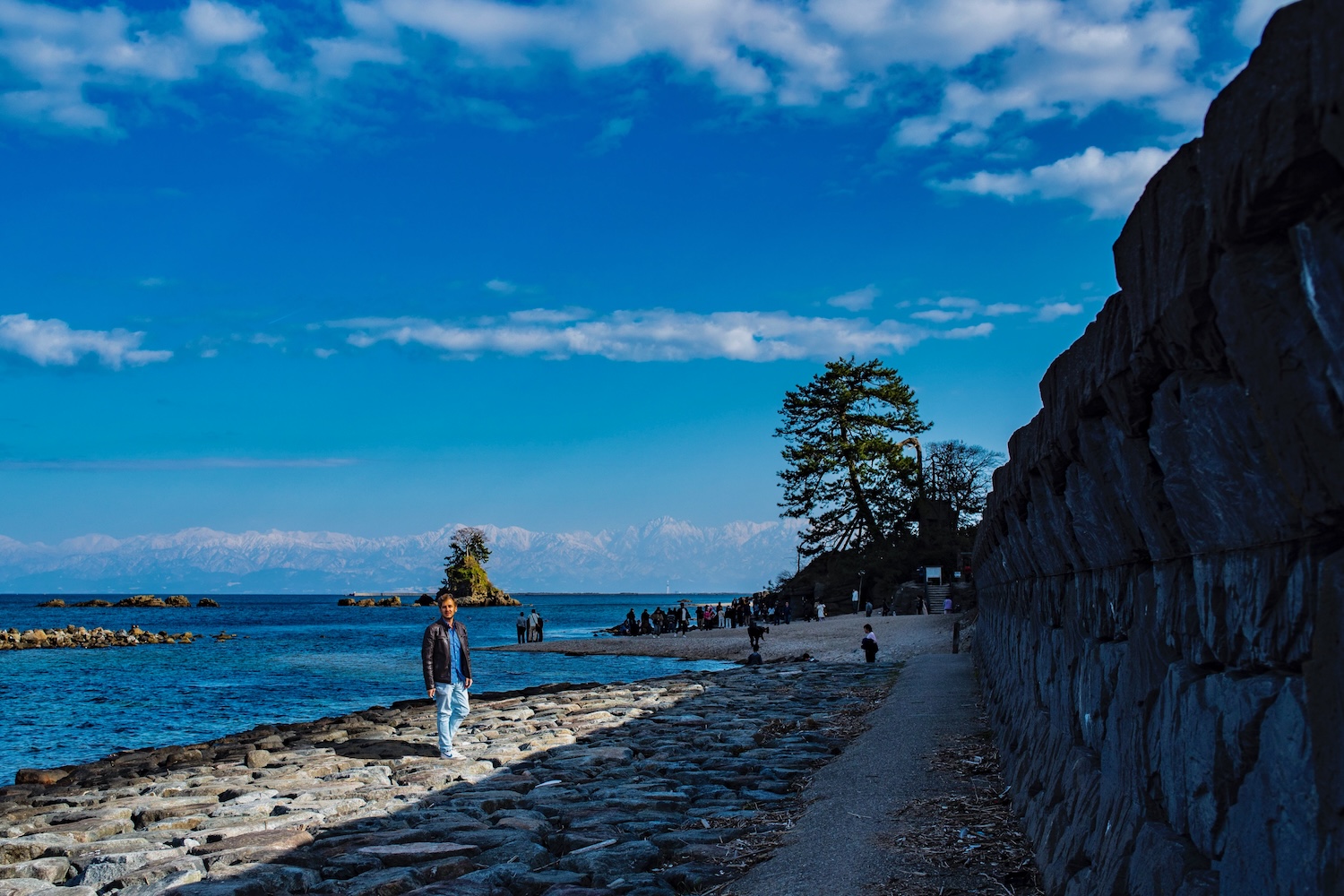
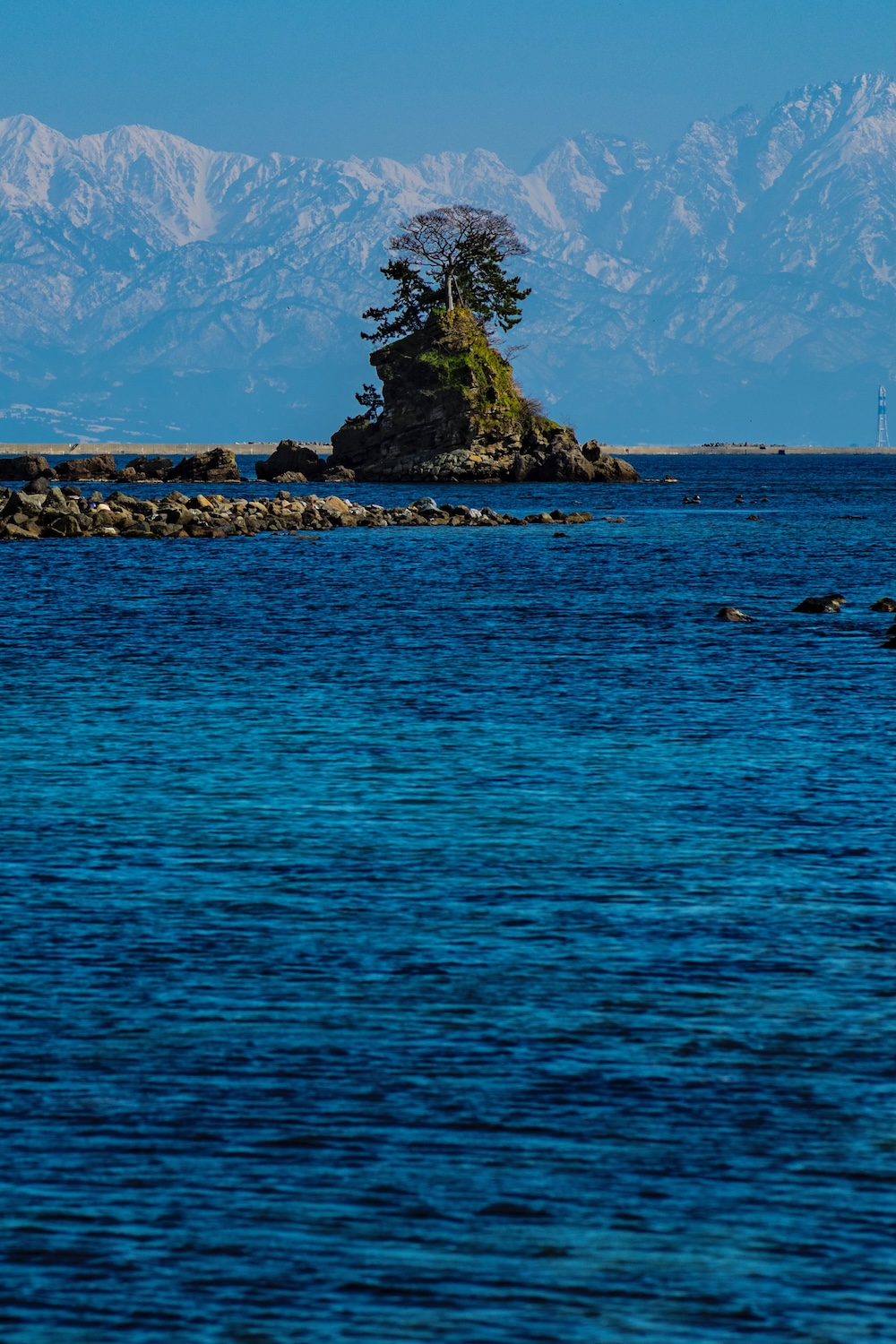
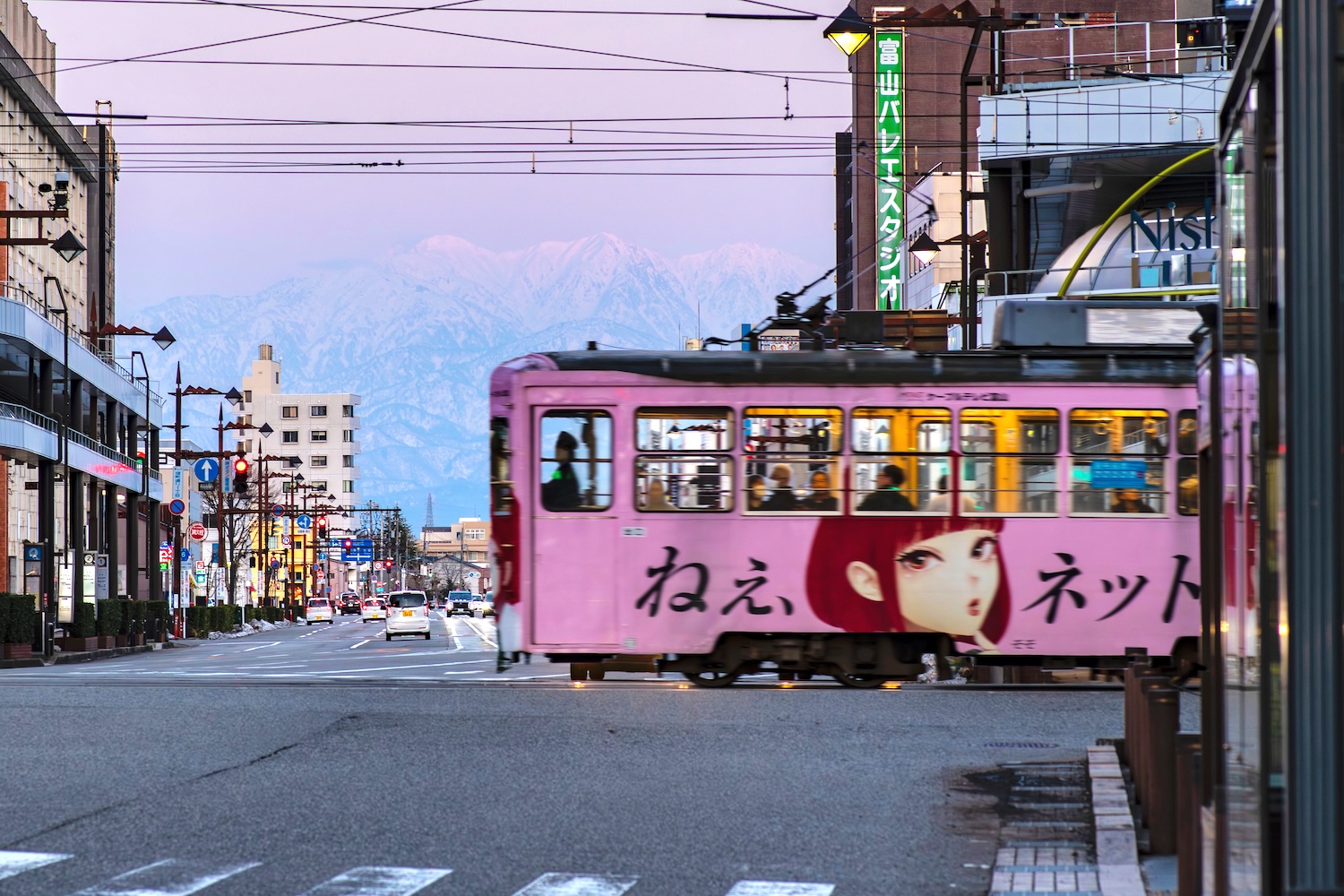
I’ll admit that I felt apprehensive as the Shinkansen sped closer to Toyama-eki. Clouds (the thick, quilted kind) began forming in the skies over the city, in spite of the scene overhead having been clear and blue during the entire rest of my journey northwestward).
And yet as I began driving toward my destination, they peeled away as if willed by my mind. I arrived at the kaigan (the same one where I’d not once but twice stewed in disappointment in years past) to see yet another postcard-perfect scene, just waiting for me to capture it.
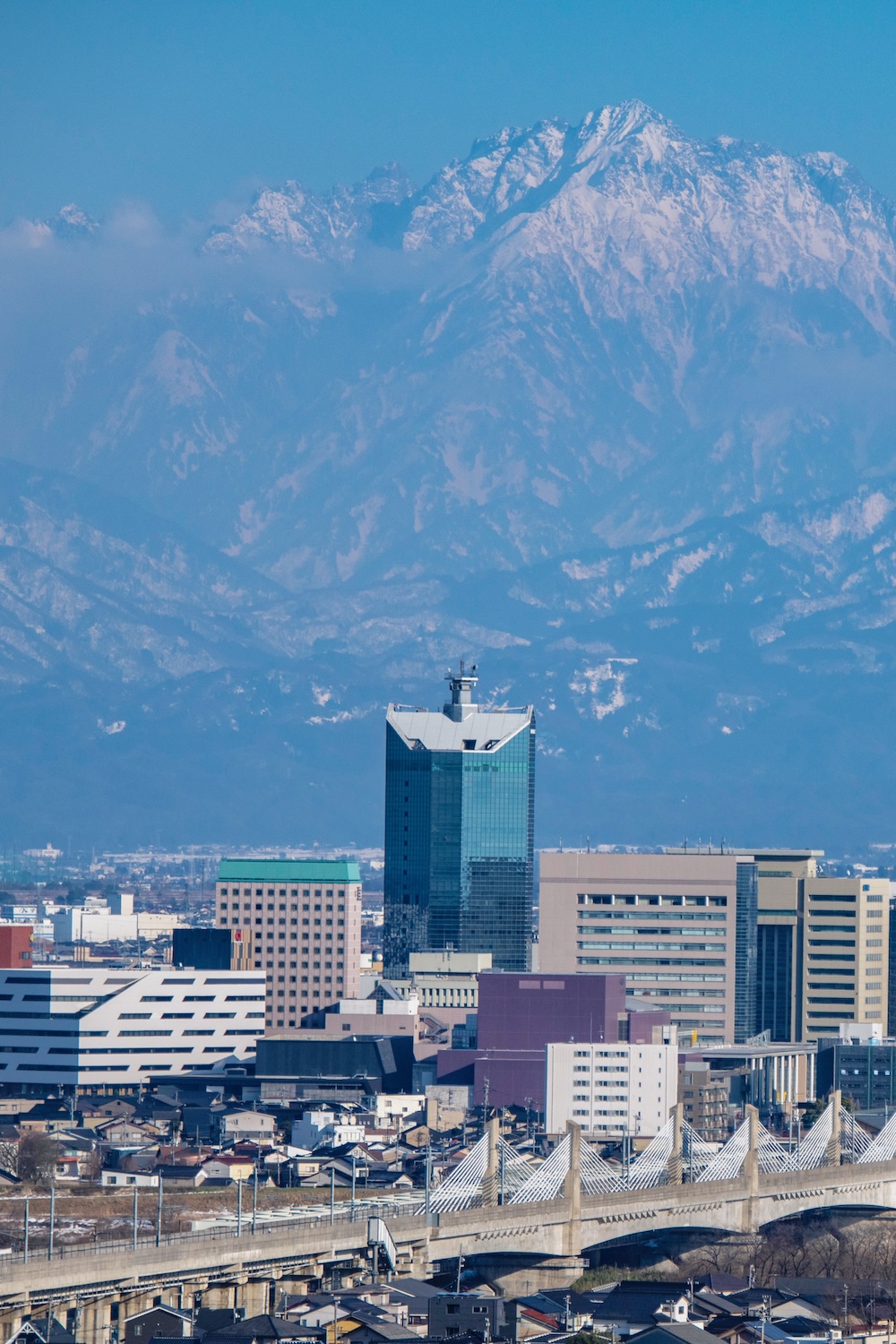
As an added bonus, because of how early I’d set out, I still had several hours of daylight left by the time I finished up. This allowed me to head to Kurehayama Observation Deck (for views of Toyama City itself), as well as to some other locations where I sought a second chance at shots I’d missed on earlier attempts, due to circumstances beyond my control.
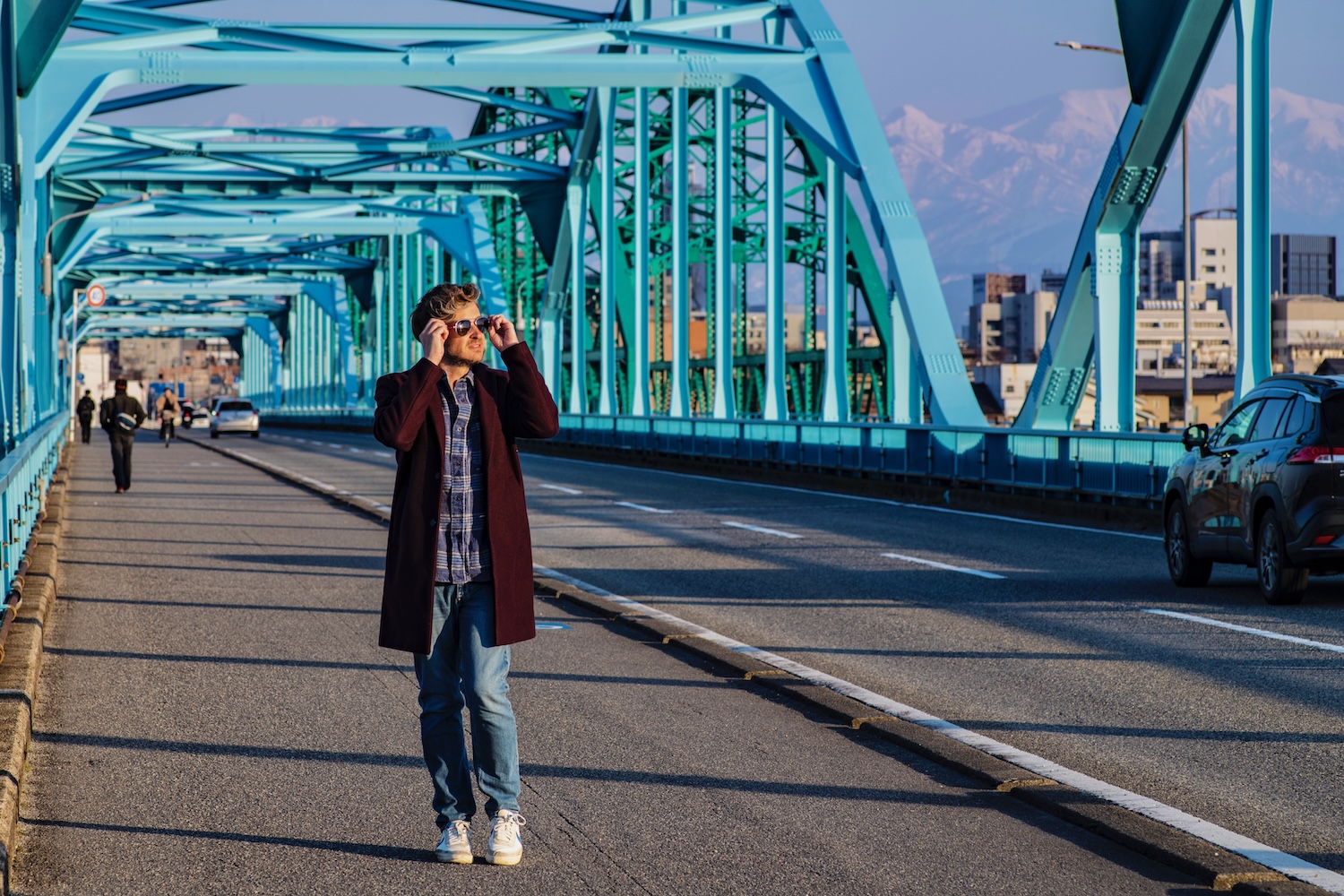
Even better, my energy level seemed almost back to normal, at least until I stood on the turquoise Jinzuo Bridge during Golden Hour, my stomach suddenly gurgling. This was not entirely unexpected—food poisoning, for me, always manifests first as fatigue and fever, and then as all the nasty stuff—but it did remind me that I wasn’t yet out of the woods.
Thankfully, I was able to make it to all the need-to-have stops I’d had planned without any embarrassment, though I did end up deciding against setting out later to try my hand at some nice-to-have nighttime scenes.
As I laid in bed trying not to think of all the photos I’d just kicked down the proverbial road, it dawned on me that I’d raced through my trip so quickly I was nearly at the end of it: After only two more sleeps, I’d be on my way to Haneda, and then back over the Pacific for the first time so far this.
The bad news? The weather on my second day in Toyama was much more in line with what’s typical for this time of year than my first had been. The temperature dropped almost 10 degrees; not a single ray of sunshine made it through the layer of gray that hung over the city, which occasionally spat out drizzle or sleet.
The worse news? Whether because of seasonal affectation or because I actually was still ill, I wasted most of the morning and afternoon in bed.
I’d always known that I would return to Tokyo at some point on Monday, given the relatively early time of my Tuesday departure to JFK, but I hadn’t thought that it would be just minutes before my typical bed time, which is the hour I ended up arriving when all way said and done.
Even worse, the bad weather followed me, which precluded any Tokyo photo fun. Which wasn’t the end of the world—my existing portfolio of the city spans thousands of images over a dozen years—but was still a bummer.
And yet as I stood sandwiched between commuters on the Tokyo Monorail the next morning, I felt perfectly content with the mid-winter (but not really wintry) marathon I’d just completed.
It had not been a scourge of sickness or spoiled plans or occasional shitty weather. It had been a celebration: Of tsubaki on an almost-deserted island; or fireworks over Mount Fuji; of a coastal scene that had evaded me for so long I almost wonder whether it was even possible to see with my own eyes. I’d gotten just about everything I wanted.