


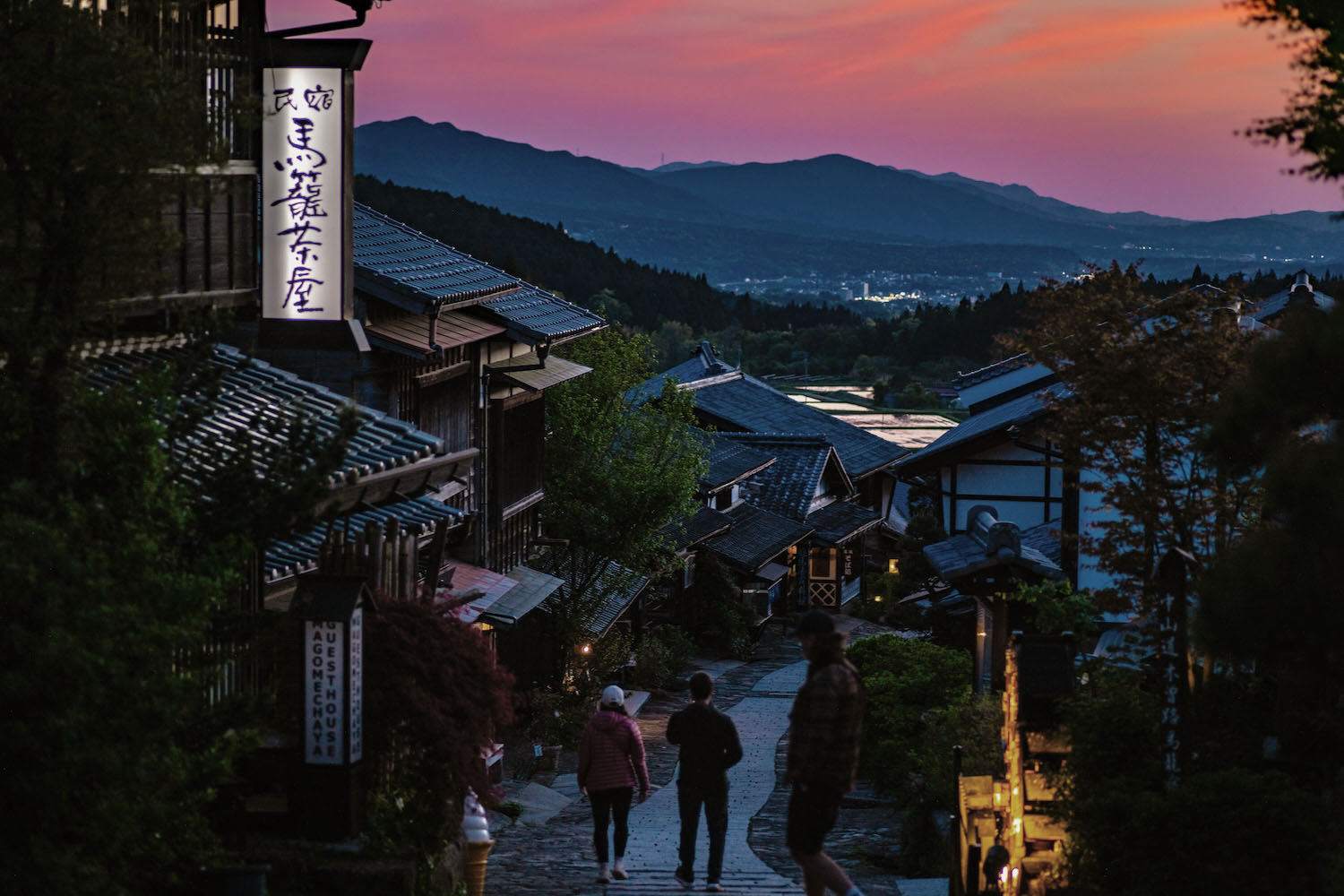
Earlier today, as I was updating my Nakasendo trail guide, I had a shocking realization: I have never compared the Nakasendo with the Kumano Kodo, i.e. Japan’s other most-popular mountain pilgrimage.
Initially, I thought I must’ve made a mistake. Maybe Google just de-indexed the article? Maybe I slipped in rankings? But alas, digging into my website’s dashboard revealed the truth: That I had simply never created such a post, even though it’s a topic I often think (and, to my private clients, talk) about.
So today, I’m writing that wrong, and will hopefully help you answer a burning question. Is the Nakasendo or Kumano Kodo the best Japanese trail for you to hike?
Why So Many People Conflate the Kumano Kodo with the Nakasendo
The Nakasendo vs Kumano Kodo can get twisted, especially if you’re unfamiliar with Japan’s geography, or find that Japanese names sound too similar to one another. There’s also the fact that both of these trails have a relatively similar level of notoriety among foreign travelers, the fact that they’re in completely different parts of Japan (and are generally very different from one another) notwithstanding.
There’s also the belief (which, especially in the case of the Nakasendo is misplaced) that both these trails are off the beaten path. Certainly, this might have been true a decade ago; it’s still accurate along some parts of both trails, i.e. the sections that are furthest away from train and bus lines. However, I would generally encourage you to expect moderate-to-medium crowds to accompany you as you hike, no matter which trail you choose.


Ways to Compare the Nakasendo with the Kumano Kodo
Location and access
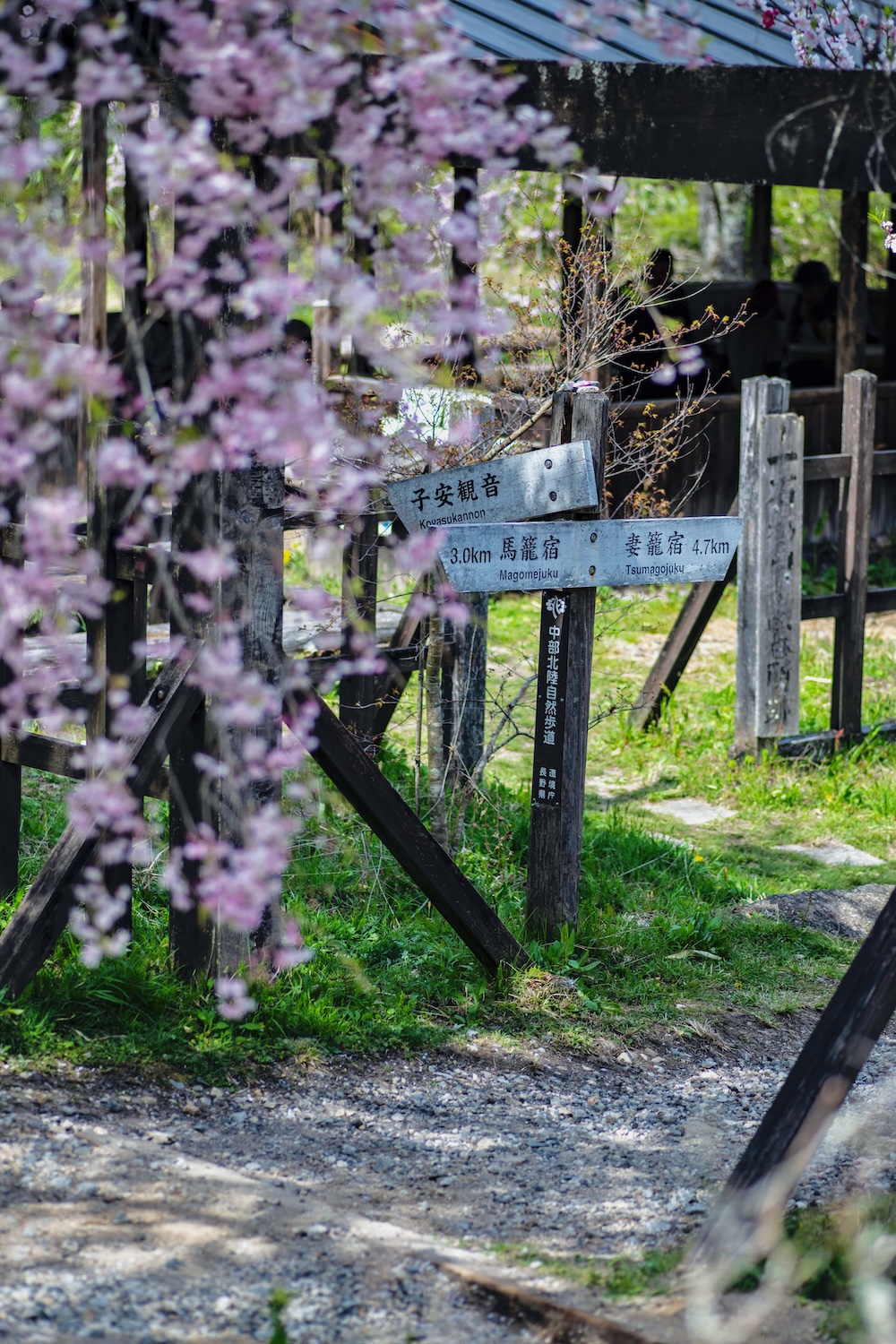
If you’re coming from Tokyo, the Nakasendo is a bit easier to access. You can reach the western end (Magome) using a combination of train and bus via Nagoya; a single transfer in Matsumoto can take you from Shinjuku Station to Narai, the eastern terminus of the trail. To hike the Kumano Kodo, meanwhile, you’ll need to reach Kii-tanabe Station. This is several hours by train from Osaka, and at least half a day’s journey from Tokyo.
Ease of finding accommodation
Both the Nakasendo and Kumano Kodo are rural trails with a limited number of accommodations. However, there’s simply more accommodation on offer for the Kumano Kodo, and it’s more easily accessible, be it via online travel agency like Booking.com, or the Kumano Travel service. By contrast, only a few good Nakasendo accommodations are bookable online, such as Magome Chaya in Magome, Kiso Mikawaya in Kiso-Fukushima and Byaku in Narai.
Strenuousness of hike
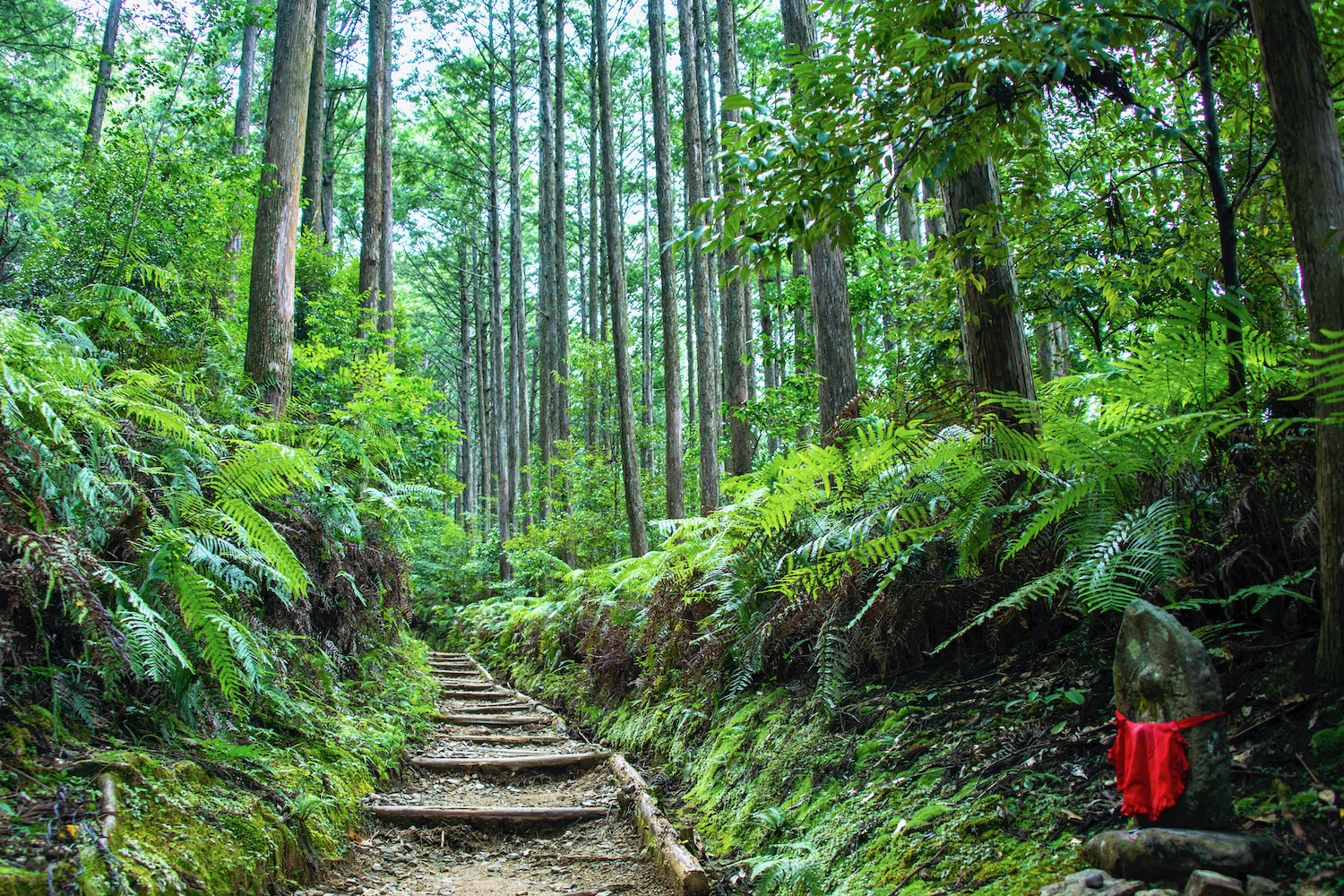
The Kumano Kodo begins with a basically vertical ascent, and while there are “easier” parts of the trail, it’s defined by dramatic elevation gain and loss, and days that require several hours of hiking. The Nakasendo, meanwhile, features only one very strenuous hike, in the form of the Torii Pass. Other parts of the trail, including the popular stretch between the towns of Magome and Tsumago, are more of a walk than a hike.
Crowds
Speaking of the trail between Magome and Tsumago, it’s one of the most crowded hiking trails I’ve ever seen anywhere in Japan. By contrast, the core parts of the Kumano Kodo are much less busy, with the possible exceptions of the initial parts of trails immediately leading away from the cities of Hongu and Shingu. If you’re deciding between Kumano Kodo or Nakasendo based on crowdedness, the former is the clear winner.
Things to do and see
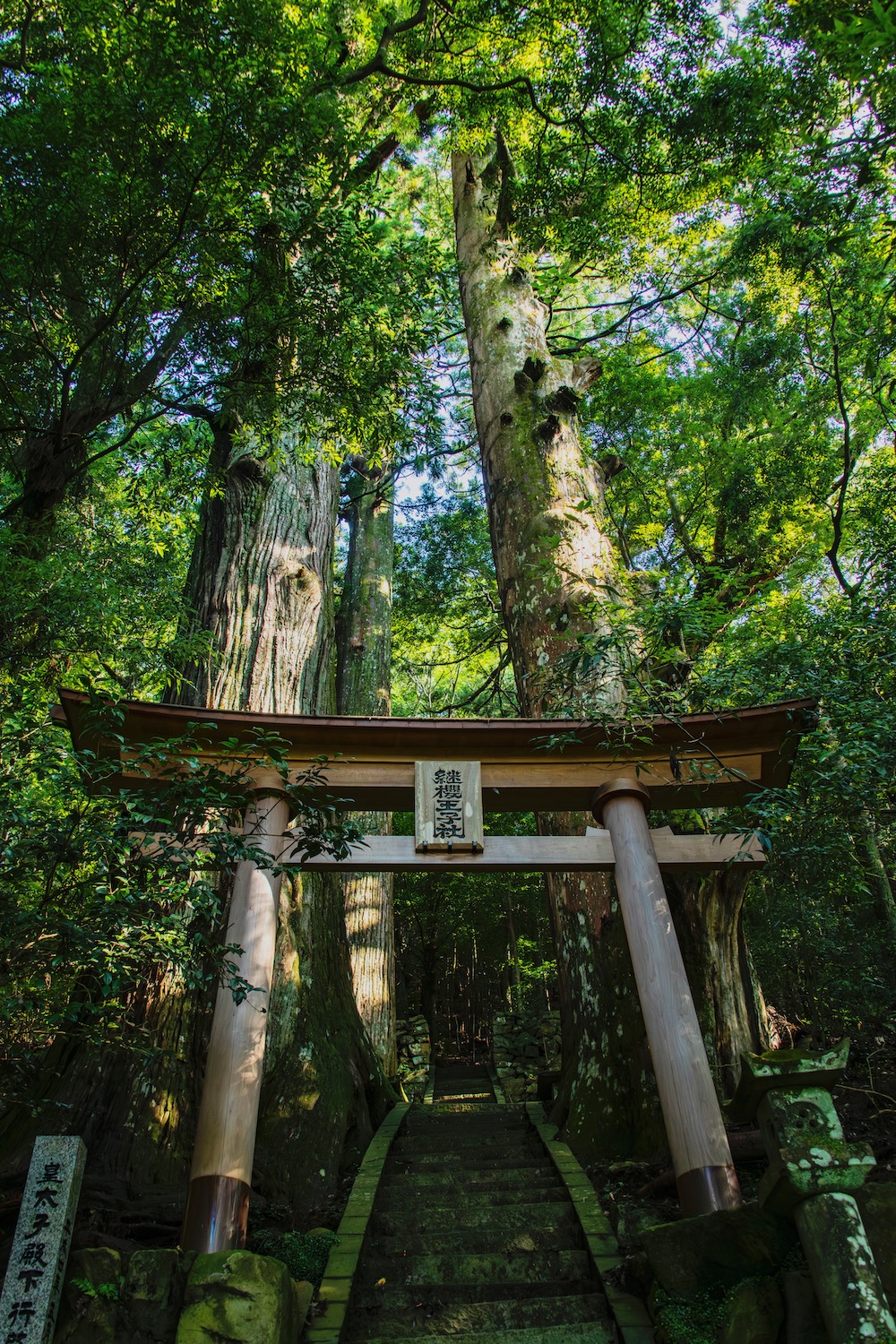
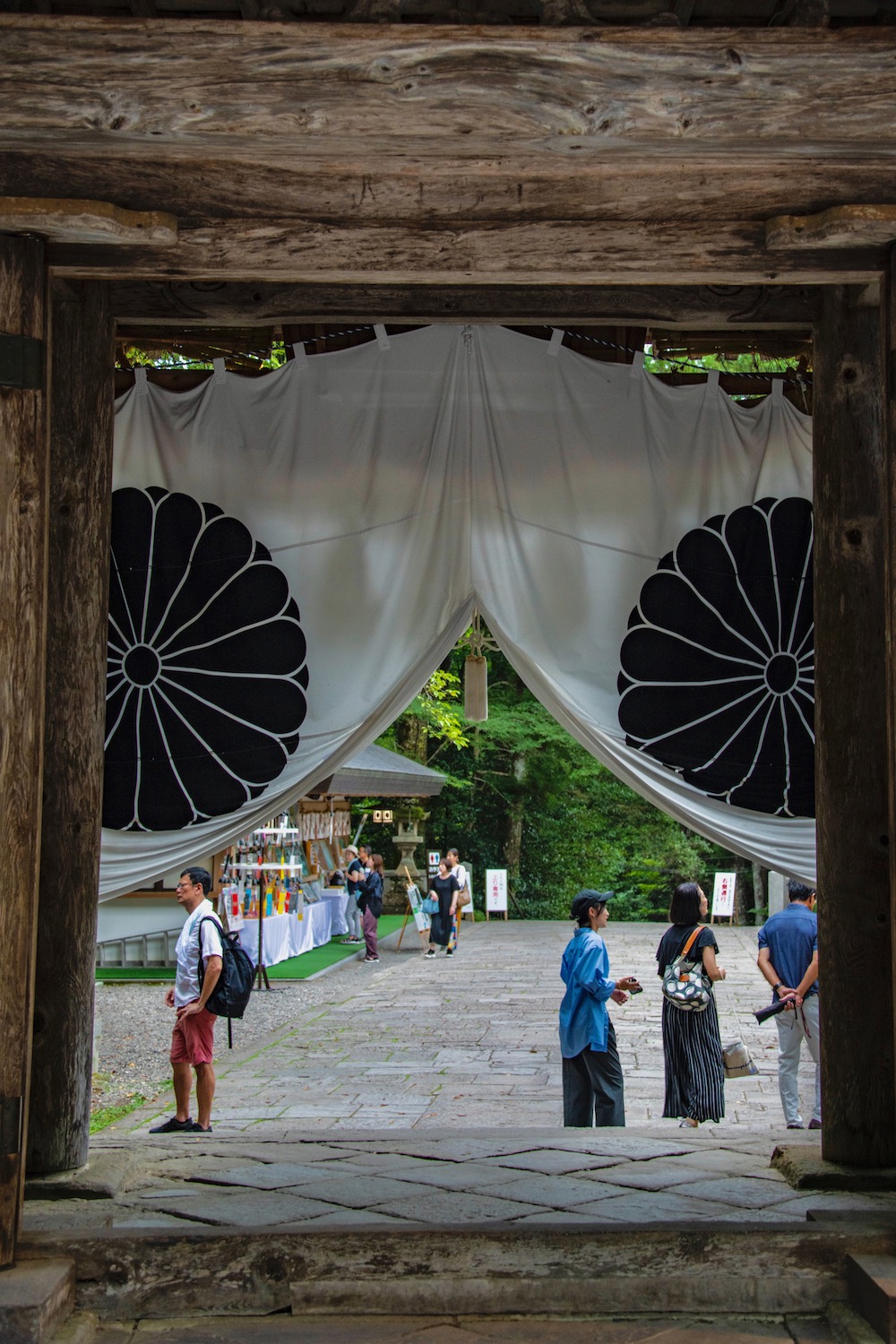
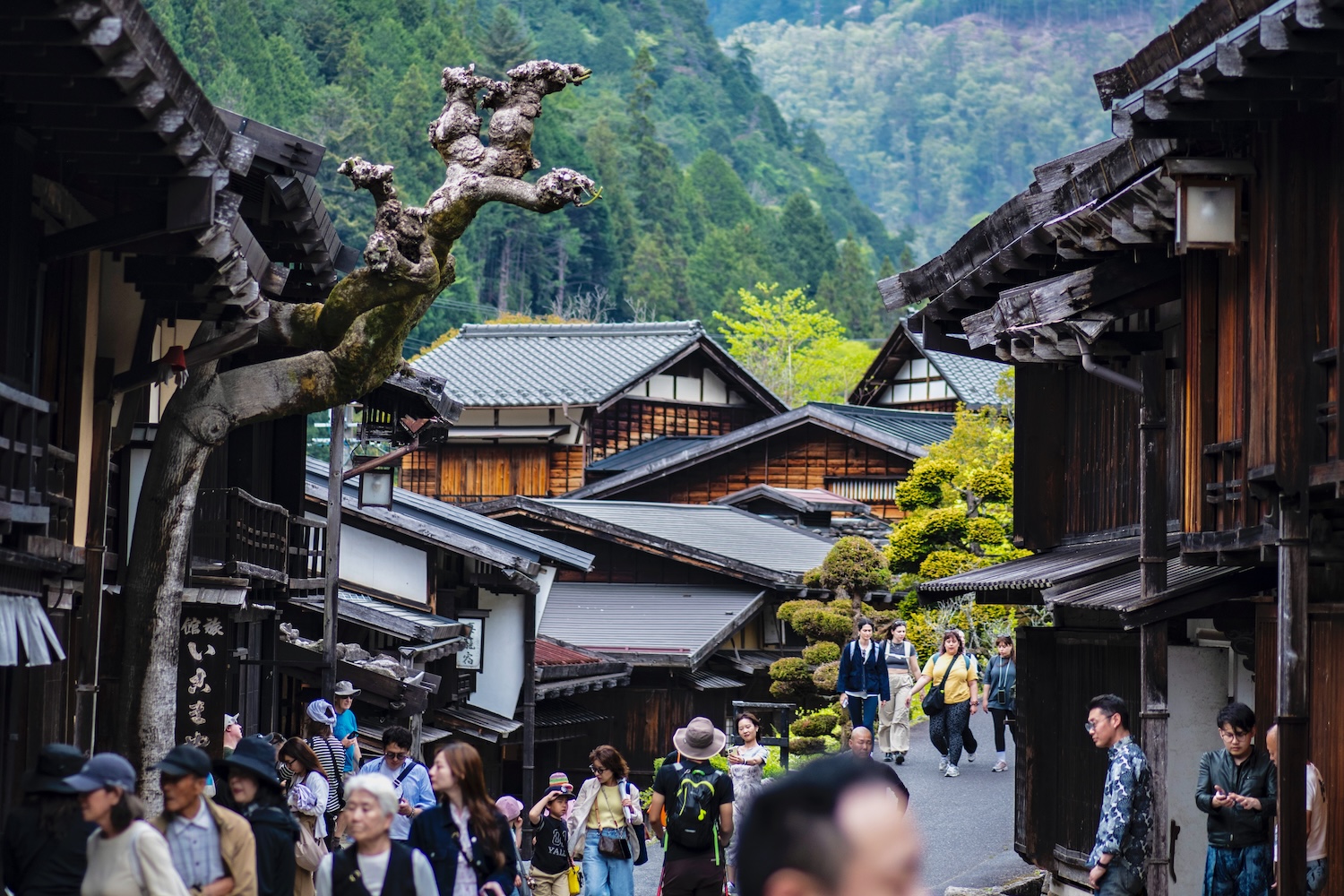
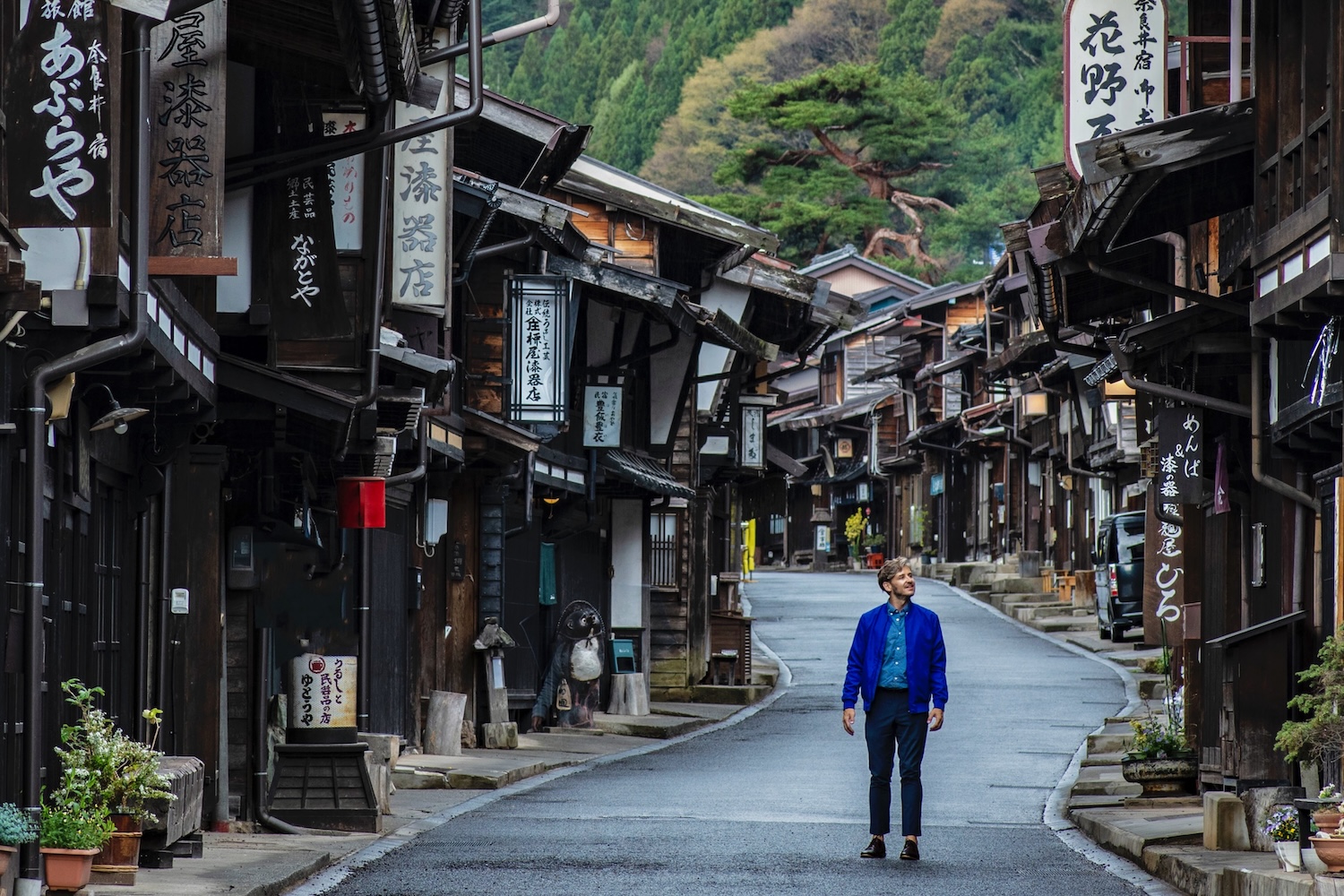
This is an area where I might give the edge to the Nakasendo. It’s more or less a collection of towns and villages, with others besides the ones I mentioned including Kiso-Fukushima, Yabuhara and Narai, each of which offers authentic Alpine charm, in addition to several tourist attractions. There are things to do along the Kumano Kodo as well—the world’s largest torii gate in Hongu; Kumano Nachi Taisha (aka the waterfall shrine) near Shingu—but overall, that trail feels much more about its nature.

Other Multi-Day Hikes in Japan
While the two trails I’ve written about in this post are the most common options for travelers seeking a multi-day adventure, they’re not your only choice. If you plan to focus on Japan’s Tohoku region, for example, you could choose the Michinoku Coastal Trail. The downside is that accommodation here can be even more difficult to find than along either the Nakasendo or the Kumano Kodo; the upside is that it’s much less tourist-ridden than both.
Another alternative to the Kumano Kodo vs Nakasendo debate? Head to Shikoku, Japan’s least-visited island. Even if you don’t plan to do the entirety of the 88-temple Junrei pilgrimage, which can take weeks or months, this can be an attractive alternative hiking option. Plus, since most of the trail is accessible from Shikoku’s four major cities, you can bypass the tediousness of finding a place to stay.
Other FAQ About Kumano Kodo and Nakasendo
Is the Nakasendo or Kumano Kodo better?
This is a complex discussion. The simple answer, however, is that the Nakasendo is better for travelers seeking culture, while the Kumano Kodo has more impressive nature and is also a more strenuous hike. Another factor? It takes much more time and effort to reach the Kumano Kodo from Tokyo than it does to get to the beginning of the Nakasendo.
Is the Nakasendo or Kumano Kodo more difficult?
For the most part, the Kumano Kodo is a much more difficult hike than the Nakasendo, which is largely just a walk in most places. The exception to this rule is if you hike the Torii Pass, which links the towns of Yabuhara and Narai near the eastern terminus of the Nakasendo Trail.
Should I do the Nakasendo or the Kumano Kodo?
I usually recommend that travelers who want to prioritize culture do the Nakasendo, while those who want more interesting natural choose the Kumano Kodo. Likewise, the Nakasendo is an “easier” hike (a walk, really), and is more ideal for those with small children or mobility impairments than the Kumano Kodo, whose strenuousness makes it veer into trek territory in several spots.
The Bottom Line
Trying to decide between the Nakasendo or Kumano Kodo? Don’t get irritated—get informed. The first thing to know about these two trails is that while they’re similar in notoriety, they’re completely different otherwise. If you’re a serious hiker, for example, and really want to get your blood pumping, the Kumano Kodo is by far the better choice. By contrast, there’s a lot more conspicuous culture along the Nakasendo, much of which doesn’t require any hiking (or walking, as it were) at all. Need personalized help deciding where in Japan to hike? Commission a custom Japan itinerary, and leverage my decade-plus of experience to chart your course.