


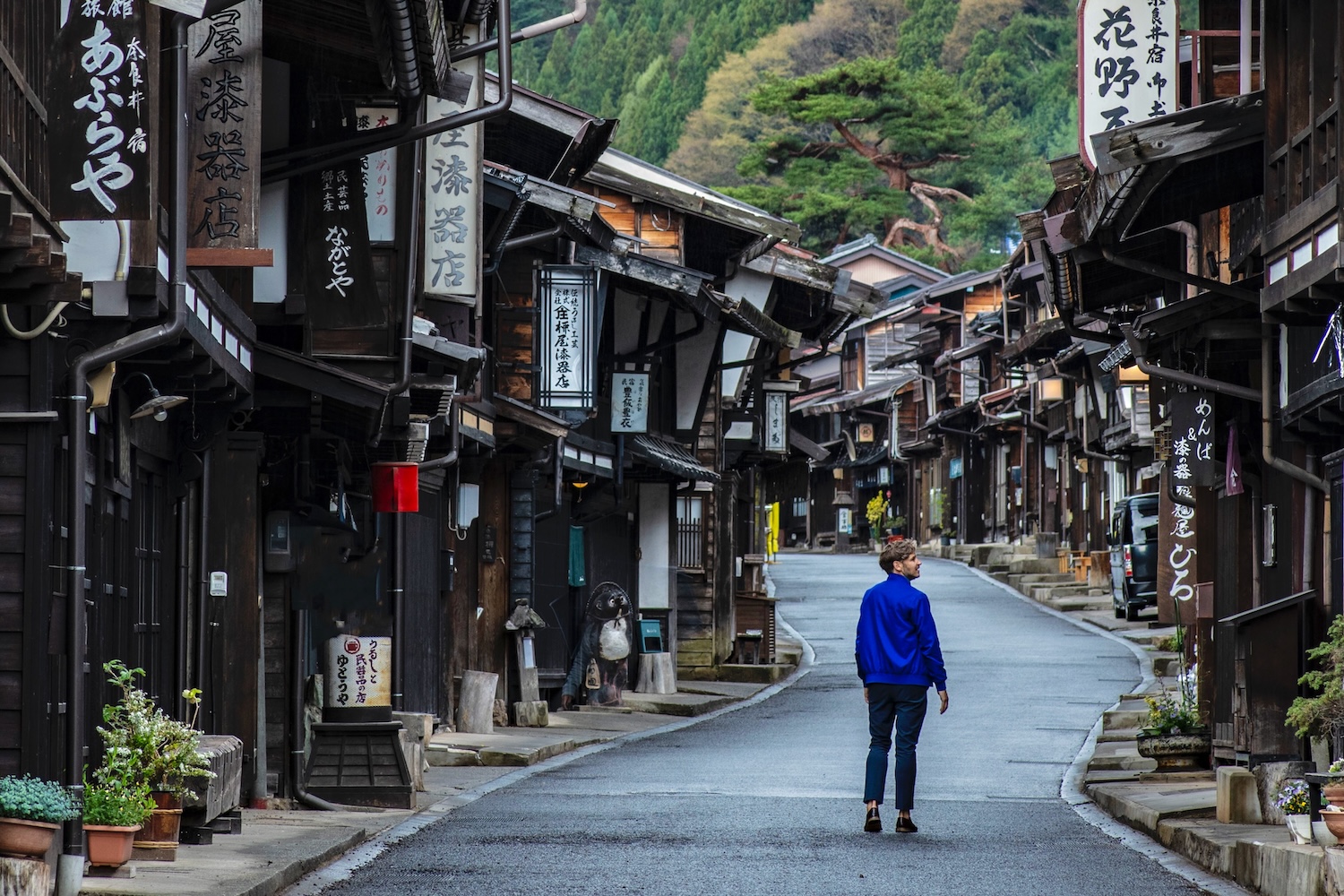
I have a long history with the Nakasendo—over a decade at this point, in fact. So long that when I set out on my most recent hike along the former postal route (specifically, the Magome-Tsumago section), it was unrecognizable to me.
Back in 2015, I had been literally the only human (foreign or otherwise) walking through this expanse of the Japanese Alps, even though I visited at the peak of autumn color season. In 2026, although I was there in the part of spring when most cherry blossoms had already fallen, I could hardly get past the hiking tour groups.
Now, I don’t say this to put you off doing the Naka-sen-dō—much of the trail is still quiet, even unsettlingly so in parts. I do hope you’ll read my Nakasendo trail guide in full, however, as the discussion of how (and whether) to make this pilgrimage is complex.
How to Reach the Nakasendo Trail
You have two options for reaching the Nakasendo trail from Tokyo, depending on where you want to begin, and whether or not you plan to hike. If you want to hike, you’ll probably be starting at Magome, at the western end of the trail. In this case, you’ll go by train from Tokyo to Nakatsugawa (a Shinkansen from Tokyo to Nagoya, and a Limited Express Shinano train from there to Nakatsugawa), and a bus from Nakatsugawa to Magome.
Planning instead to start in Narai, whether or not you hike from there? Ride a Shinkansen from Tokyo to Nagano, and a local JR Chuo Line train from there to Narai Station. Note that in both these cases, you’ll need to bring some cash: IC cards cannot be used on the bus from Nakatsugawa to Magome (or on any buses that run along the Nakasendo trail, for that matter); you also can’t use them at most JR Chuo Line stations, such as Narai, Yabuhara and Kiso-Fukushima.
Top Stops Along the Nakasendo Trail
Magome
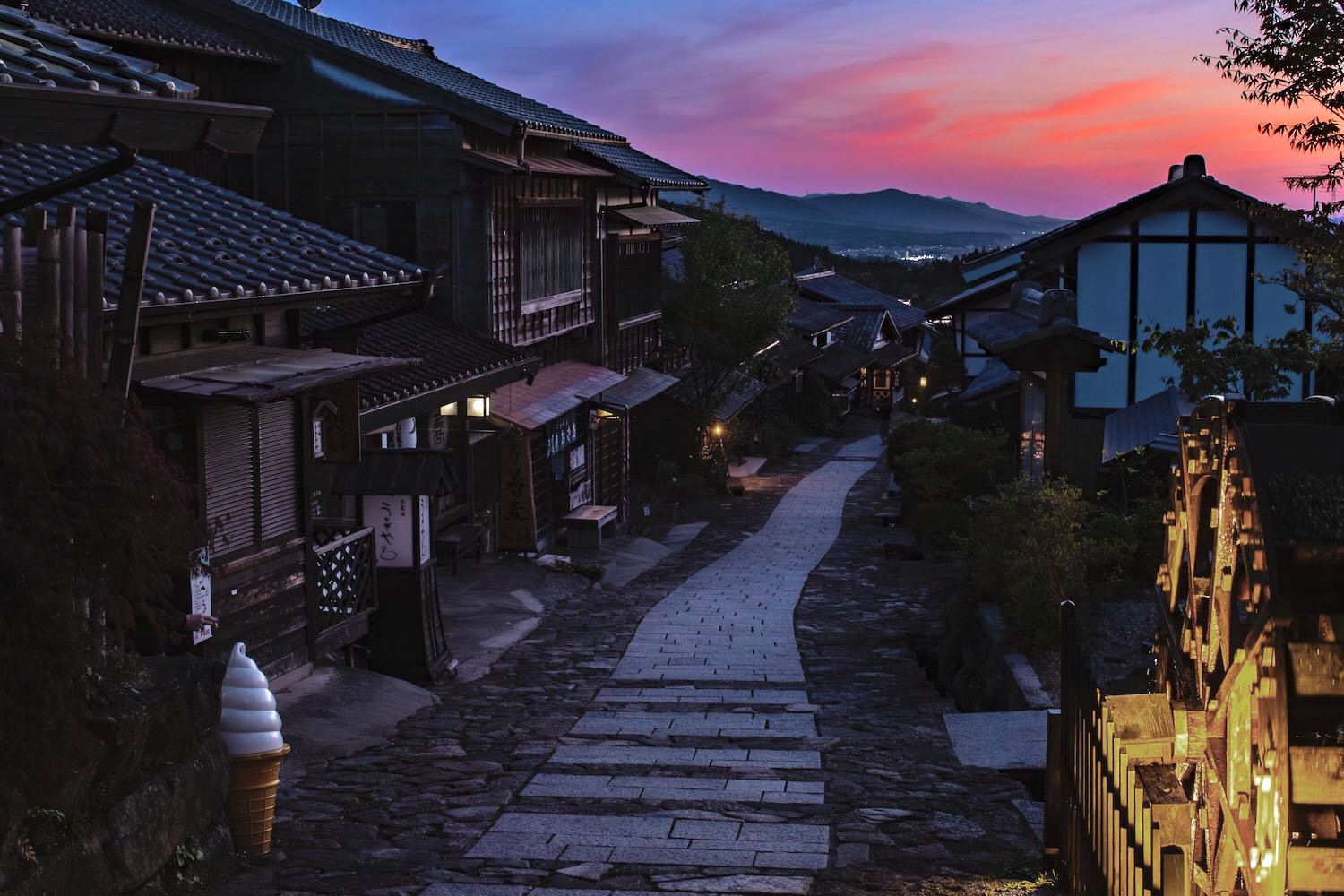
Magome is where most Nakasendo hikes begin—and as a result (perhaps paradoxically) is a town that people tend to just blow right through. But whether you stay here overnight and hike the next morning (the sunset alone is worth the effort!), or come a few hours before you set off to explore, it’s worth more than a touch-and-go visit. TIP: You can also come to Magome on a day trip from Nagoya if you don’t plan to hike the Nakasendo, but want to see some of it.

Tsumago
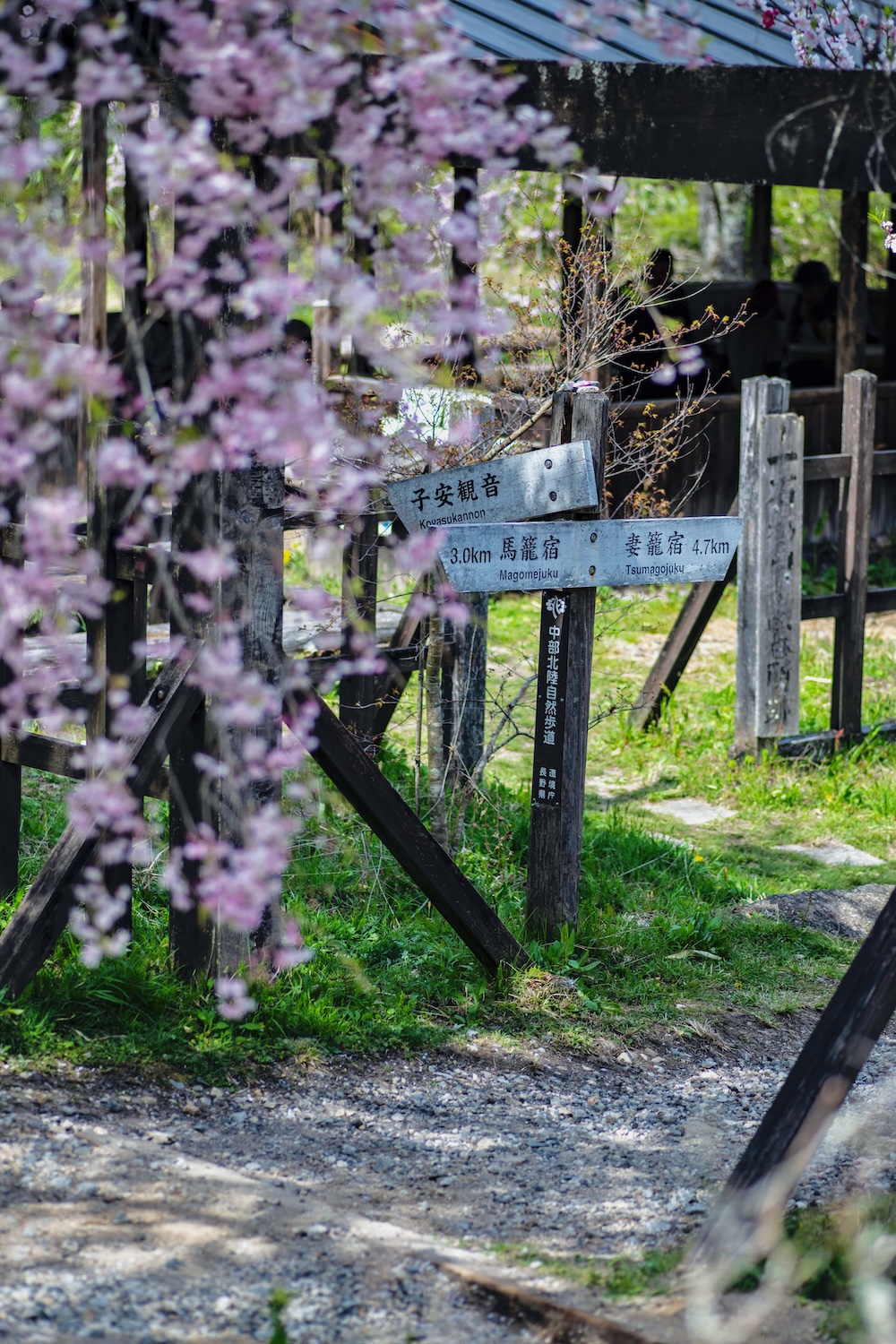
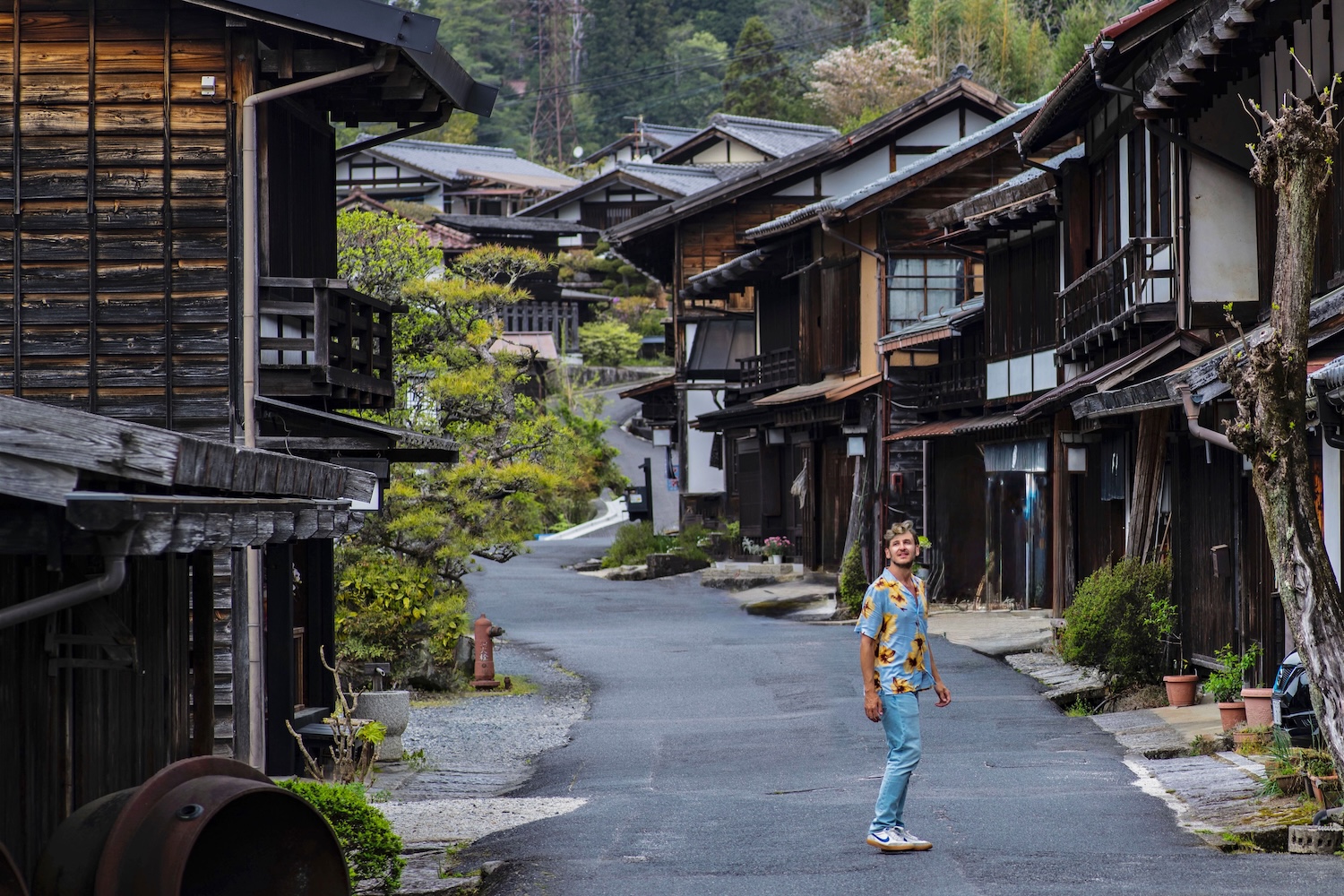
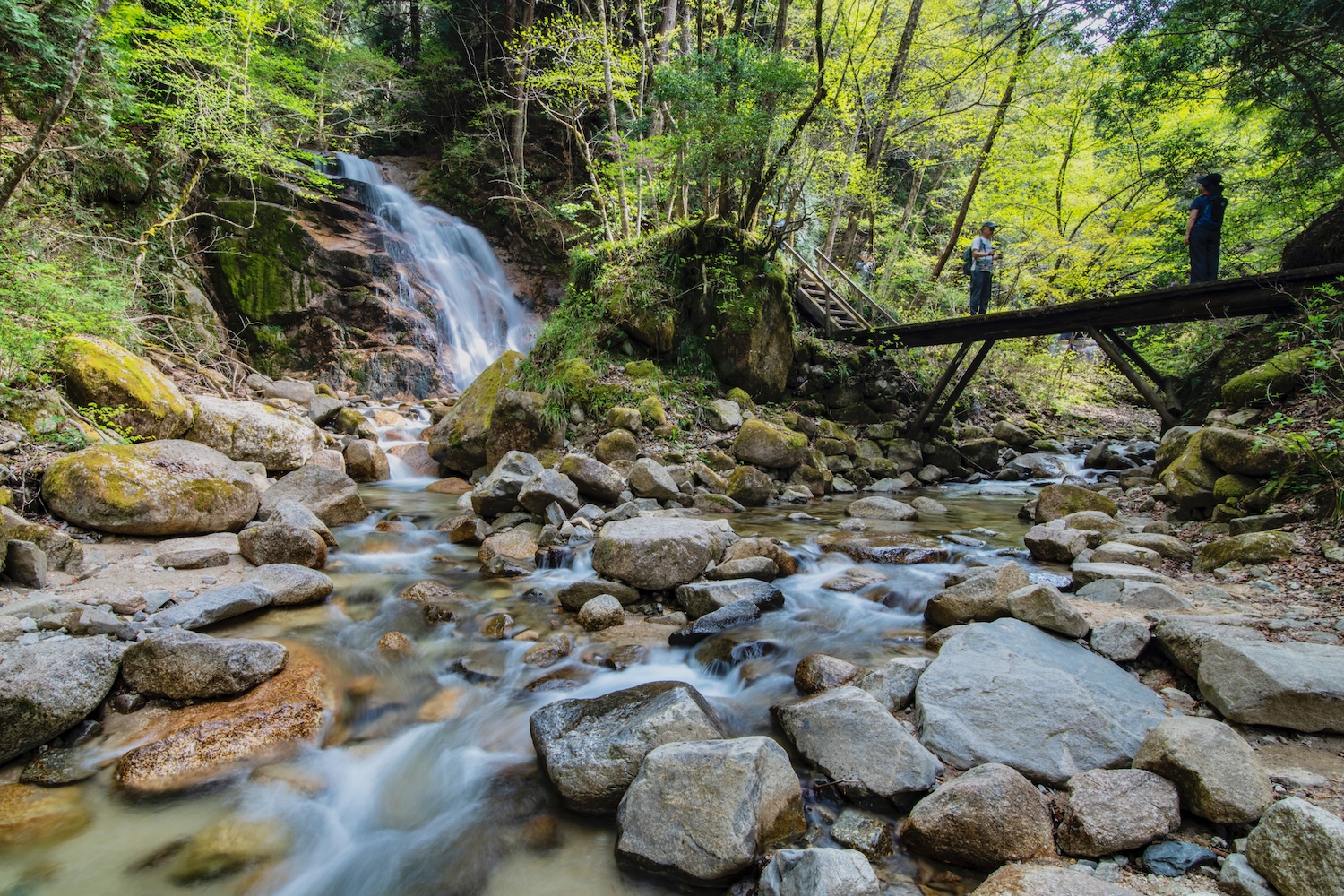
There’s an argument to be made that the trail from Magome to Tsumago is one of the Nakasendo trail best parts. En route, you’ll find many charming villages and houses; there’s also the magnificent O-taki and Me-taki “male and female” waterfalls. On the other hand, Tsumago itself is perhaps the most crowded of the juku along the Nakasendo, even if this abates somewhat if you sleep here and explore after night falls.
Kiso-Fukushima
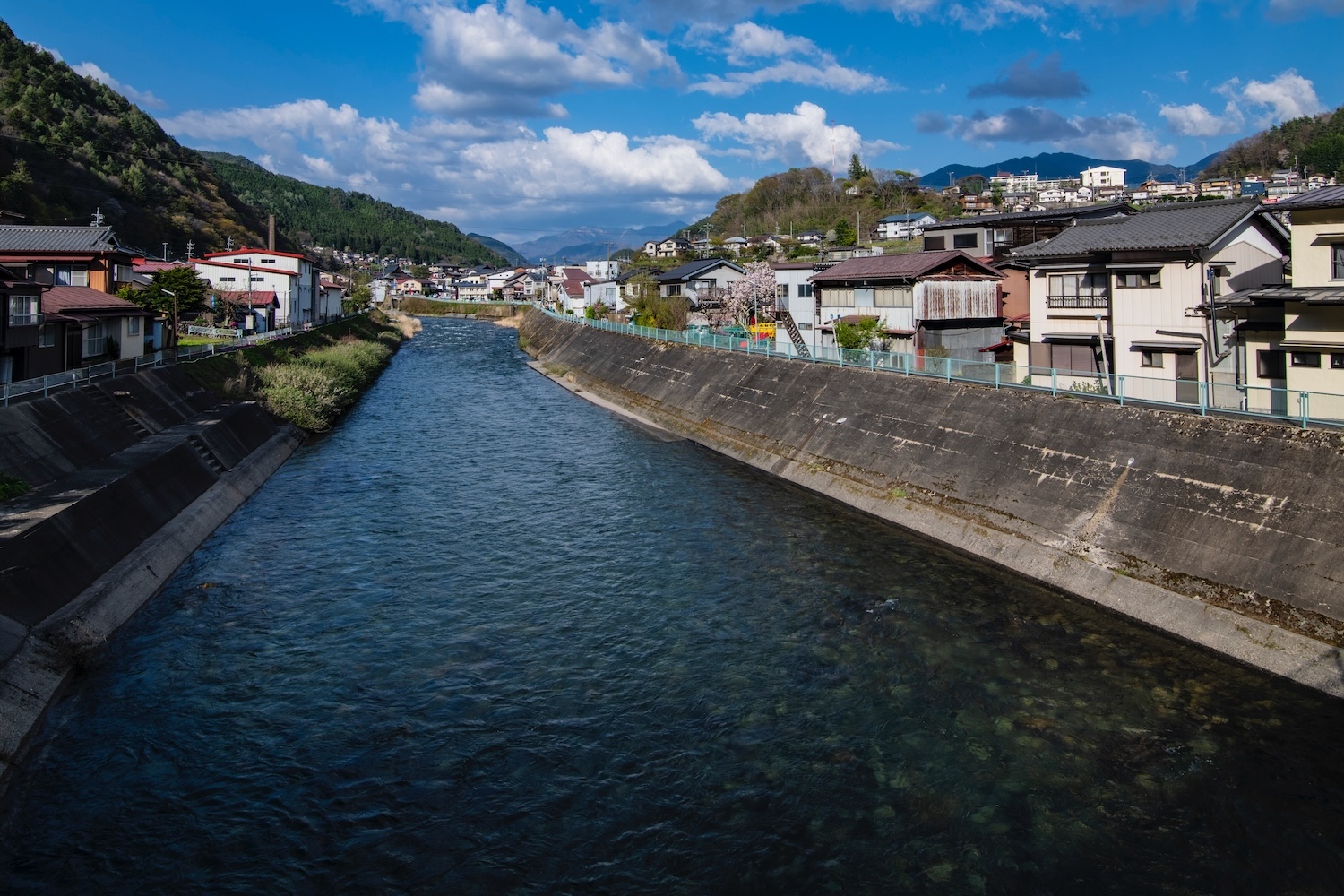
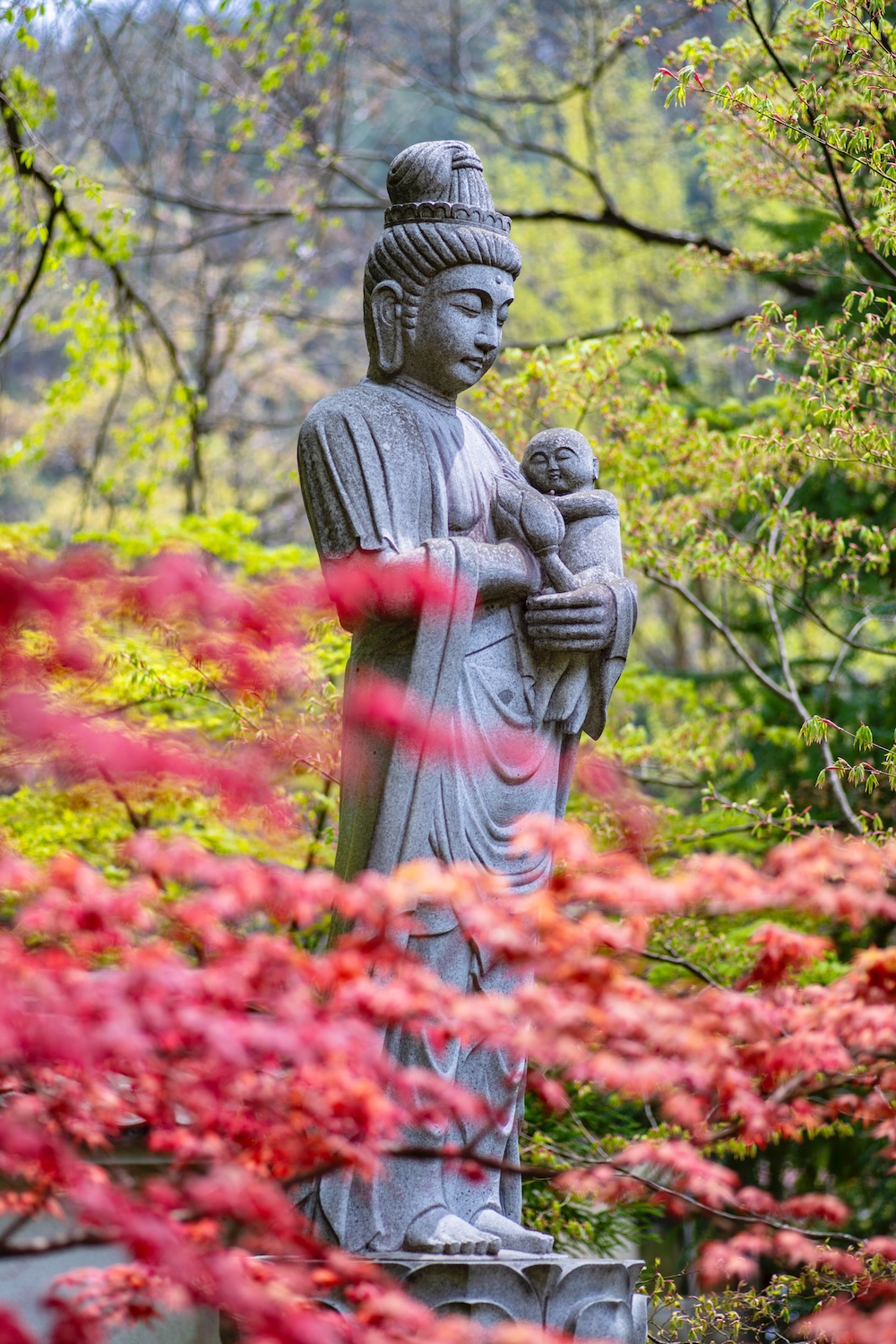
Located near the geographical midpoint of the trail, Kiso-Fukushima is the largest city along the Nakasendo, and after a couple of days in small towns, definitely feels like it. With this being said, by the time you get here, you’re unlikely to want to do much sightseeing. Personally, I just walked along the Kiso River to take in some views, and visited the iconic rock garden at Kozen-ji temple.


Torii Pass
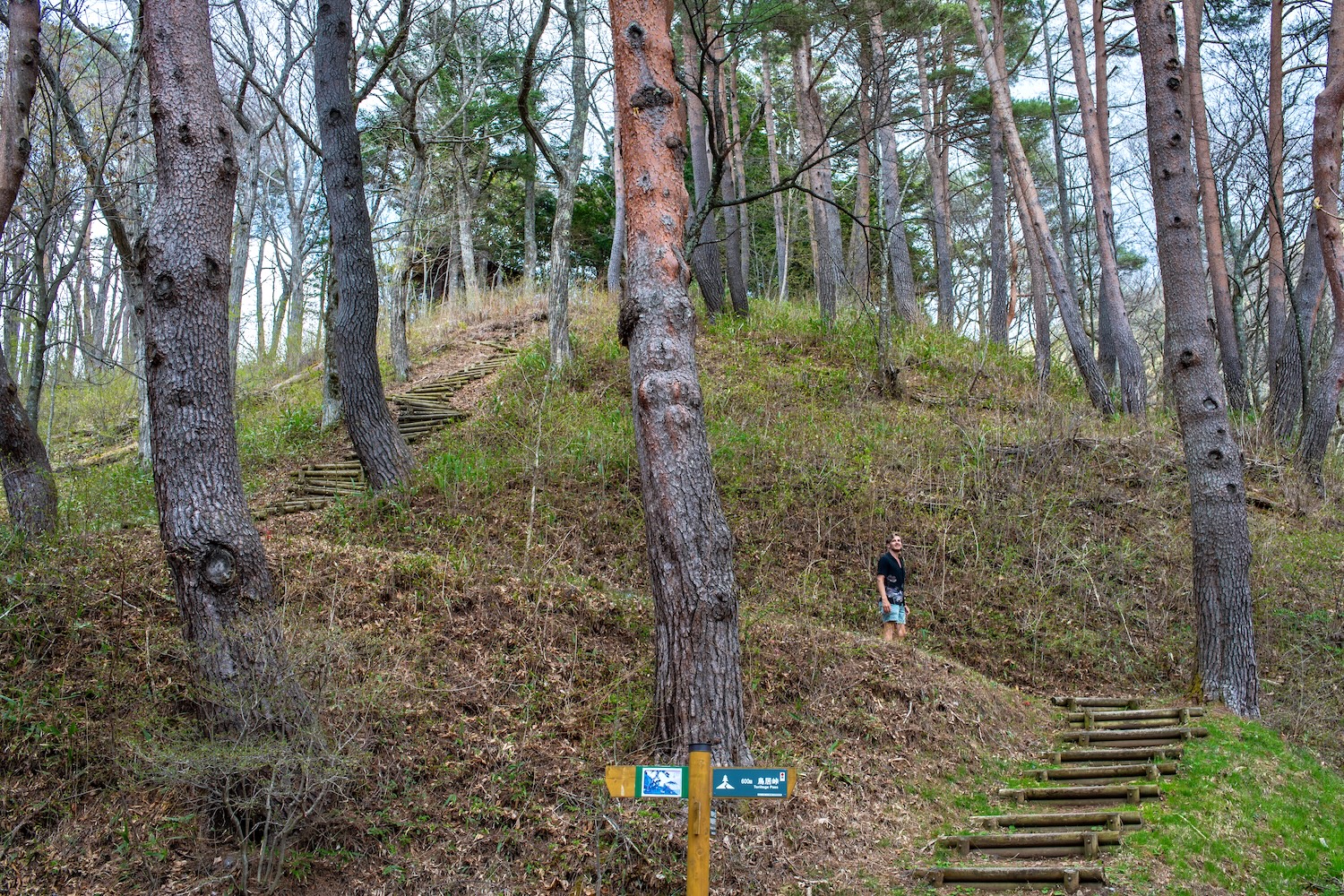
Passing Kiso-Fukushima, you have a few options. The most popular one—and probably the objective best one, if we’re being honest—is to ride a train to Yabuhara. Here, after exploring a bit and potentially having lunch, set your GPS for the start of the Torii Pass trail. Exertion-wise, this is probably the most “difficult” part of doing the Nakasendo trail on your own, but in my opinion isn’t as hard as it’s cracked up to be.
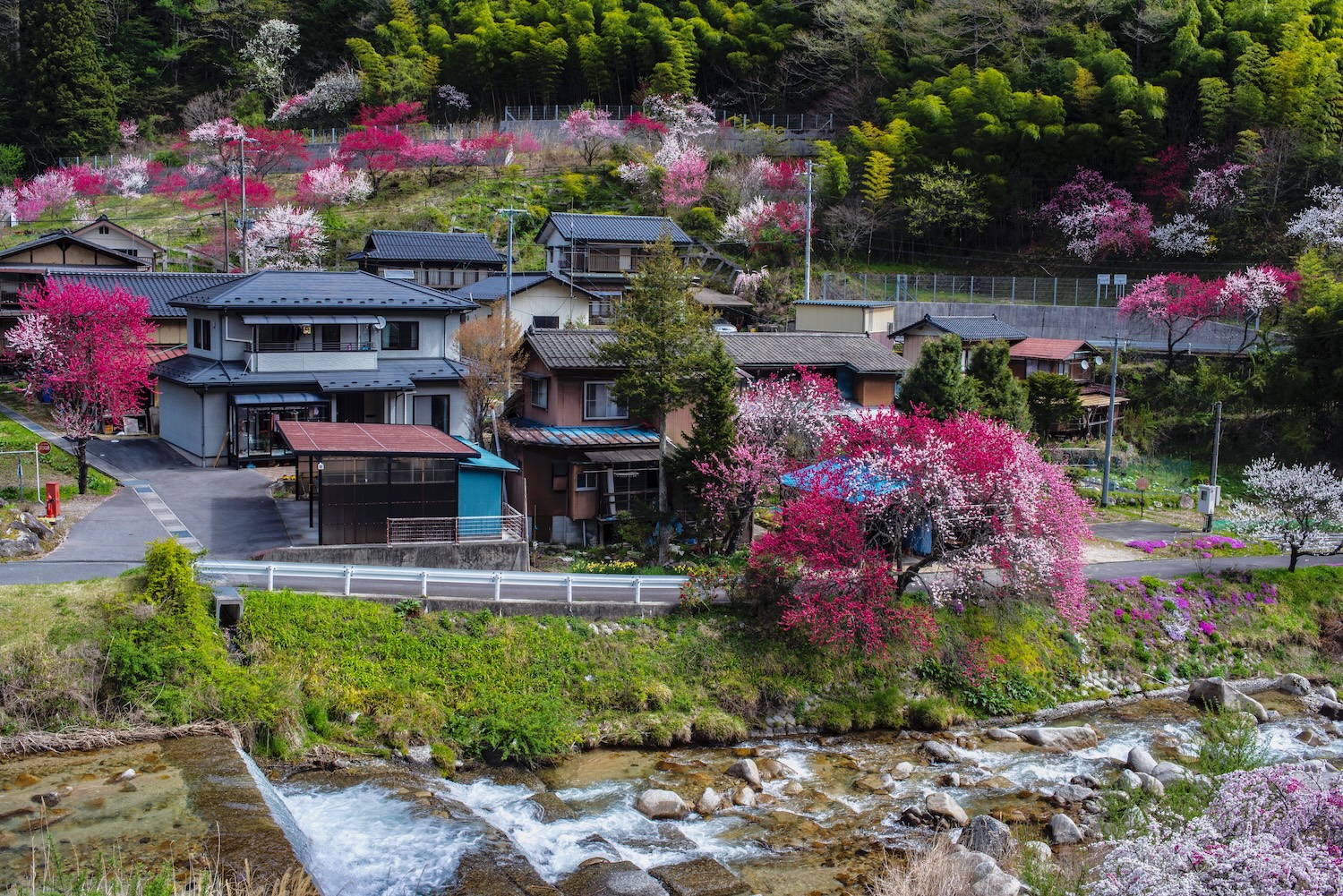
TIP: If you plan to explore the Nakasendo (and the area around it) during the month of April, but don’t want to hike, consider renting a car or hiring a car and driver from your hotel or minshuku, and setting your GPS for the nearby Hanamomo Kaido “Peach Road.” Trust me when I say that you won’t great this!
Narai

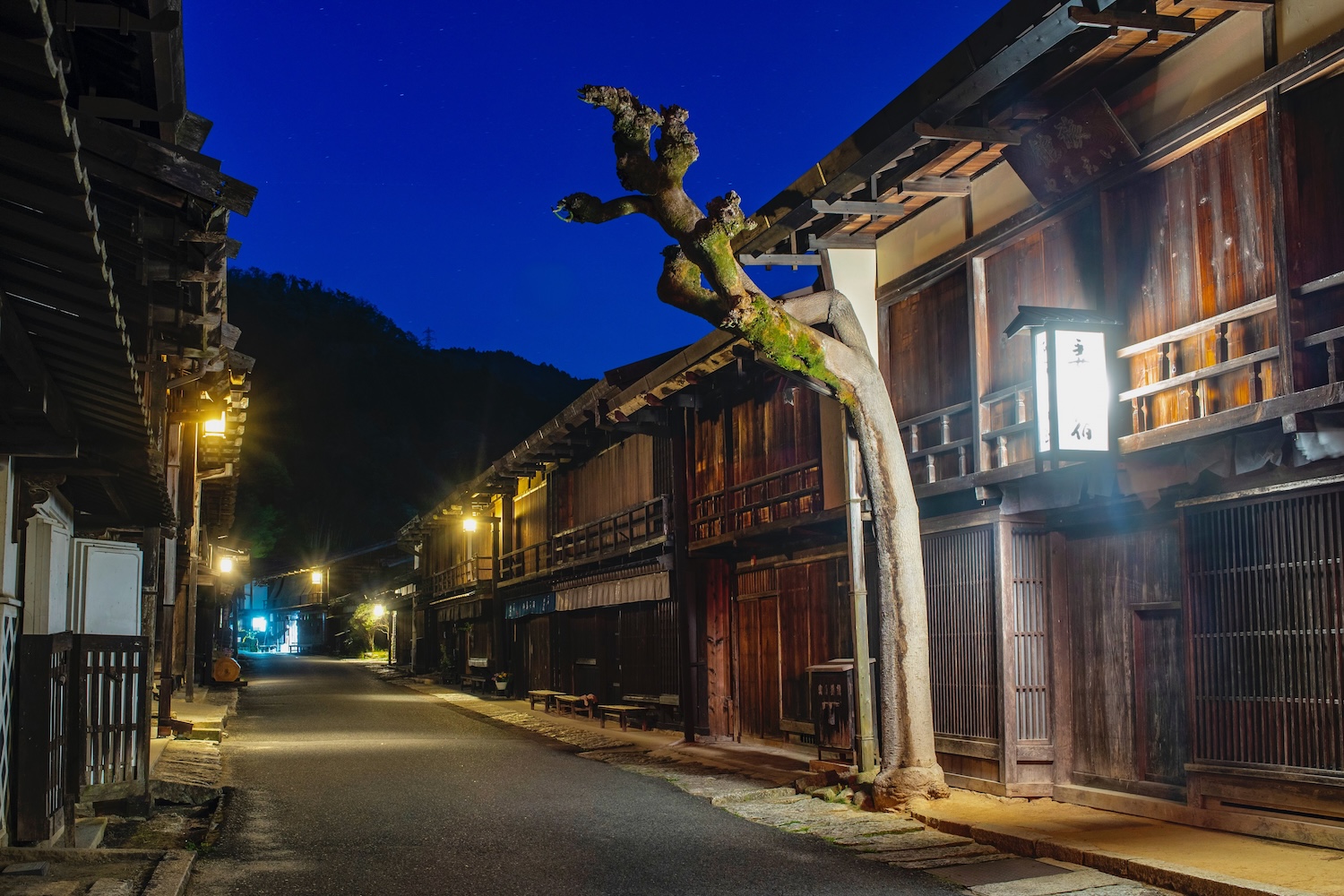
Last but not least is Narai, the final notable town of the Nakasendo, assuming you’re doing it west-to-east. Narai-juku is notable for a few things, among them a view featuring a twisted Matsu (Japanese black pine) rising above its old street, which might just be the most iconic image of the entire trail. The town is also known as one of the best places in Japan to buy traditional Japanese lacquerware.
Where (and Whether) to Stay Along the Nakasendo Trail
Hiking (or, really, walking) the Nakasendo is easy, with the possible exception of the aforementioned Torii Pass. What’s hard is finding accommodation. There weren’t many guest houses here, even before the pandemic; these days, many have exclusive agreements with walking tour companies. There are few exceptions to this rule, including Magome Chaya in Magome, Kiso Mikawaya in Kiso-Fukushima and Byaku in Narai.
Of course, there’s an easy way to bypass the question of where to stay Nakasendo trail—don’t stay here at all! This might sound unattractive on its face, but there are a couple of things to consider. First, both of the major hikes (Magome to Tsumago and Yabuhara to Narai) are easily doable as day trips from both Nagoya and Matsumoto. Secondly? If we’re being honest, the logistics (namely, luggage-related ones) of a through-hike are annoying, at best.
Other FAQ About the Nakasendo Trail
What is the best part of the Nakasendo trail?
From a cultural standpoint, the most interesting part of the Nakasendo trail is the stretch between Magome and Tsumago, which is filled with picturesque houses and tiny villages. This is also the most crowded section, however, and isn’t especially strenuous for hiking. By contrast, while the Torii Pass near the eastern end of the trail is a relatively exhilarating hike, it isn’t isn’t very visually interesting.
Is the Nakasendo trail difficult to hike?
The Nakasendo Trail isn’t difficult as all, from my perspective as a fit 40-something male who mostly travels alone. However, other travelers (namely older people and those traveling with small children) may appreciate how “easy” the trail is, and/or find it to be much more rigorous to complete than someone like myself does.
Is the Nakasendo trail worth it?
The Nakasendo Trail can be rewarding, but there’s also potential for disappointment. Many travelers feel like the trail is not worth it if they put substantial time or money into getting accommodation (which can often be either too utilitarian or too expensive), or if they’re expecting a very strenuous hike. In both cases, proper research and planning can help set expectations that are in line enough with reality to ensure you enjoy the experience.
The Bottom Line
I hope my Nakasendo trail guide helps to set the record straight. The bad news? The Naka-sen-dō is not really off Japan’s beaten path anymore, at least not the very popular stretch of it between Magome and Tsumago. The good news? There’s still plenty of hidden treasure to be unearthed, particularly if you can devote several idea of your itinerary to the trail, whether you hike along it or rent a car and explore its periphery. The best way to have the best Nakasendo experience, of course, is to hire me to plan it out for you. I charge a fraction of what predatory tour companies do—and, even better, I leave space for you to discover the magic of the Japanese Alps on your own.