


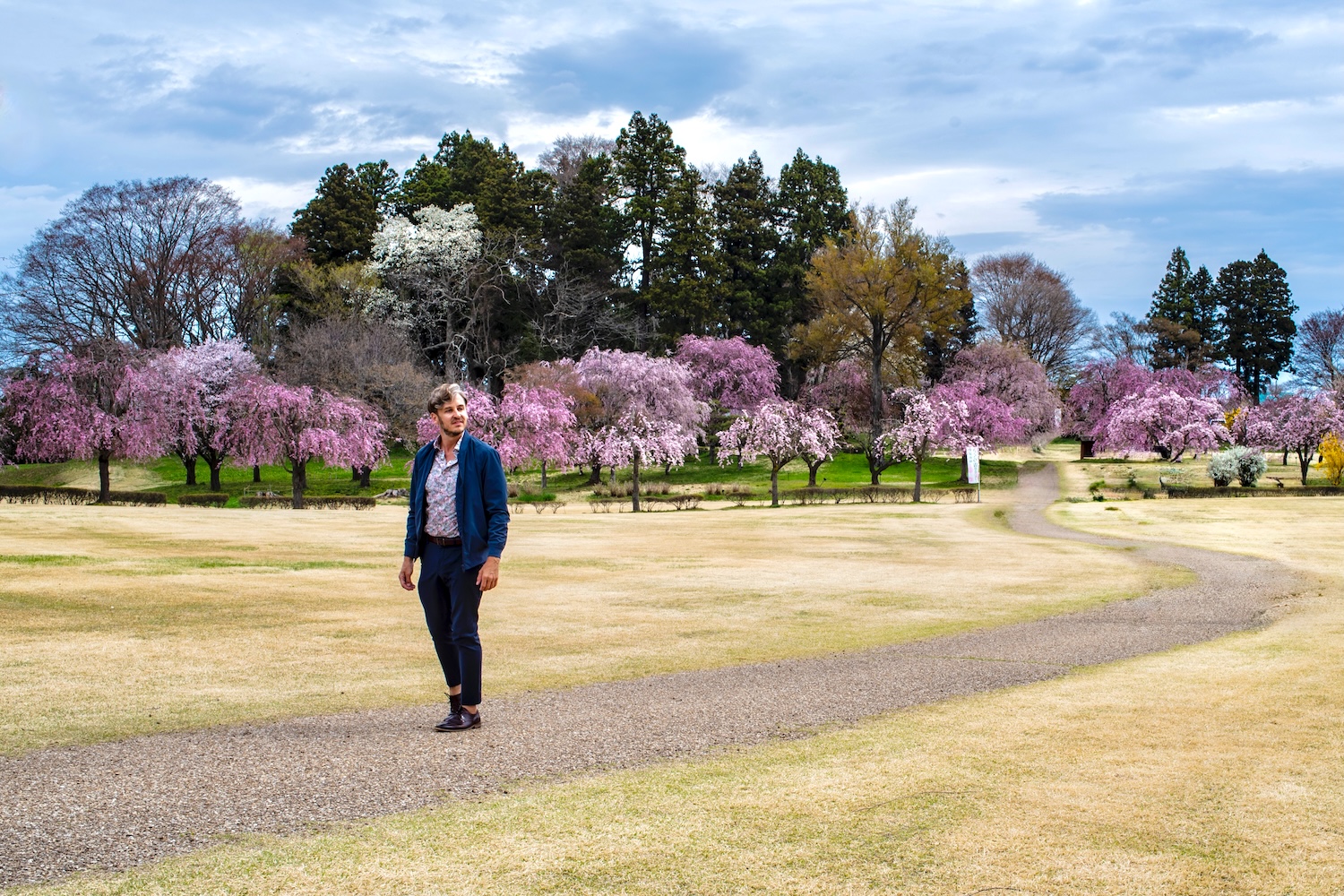
Hachinohe will always be one of the most important cities in my Japan travel history. It’s the first place I went after Japan reopened to tourism in September 2022, following nearly three years of pandemic-related border closure.
Of course, this wasn’t a random choice on my part. Hachinohe was and is a fascinating and unique city, with a combination of cuisine, culture and natural beauty that’s difficult to find anywhere else in Japan, and a notable lack of tourists, even compared to other destinations in Aomori prefecture.
Below, I’ll not only talk you through my favorite things to do in Hachinohe, but also explain just why this city has been and continues to be so special to me. I hope you’ll continue reading!
Where to Stay in Hachinohe
As you might imagine if you’ve spent any amount of time in secondary Japanese cities, Hachinohe hotels can leave a lot to be desired. I don’t mean this in an insulting way—business hotel properties such as Dormy Inn Hon-Hachinohe are perfectly functional; they just aren’t going to add anything memorable to your trip, at least not for most travelers. TIP: Do note that in any case, you should stay near Hon-Hachinohe Station, rather than Hachinohe Station.
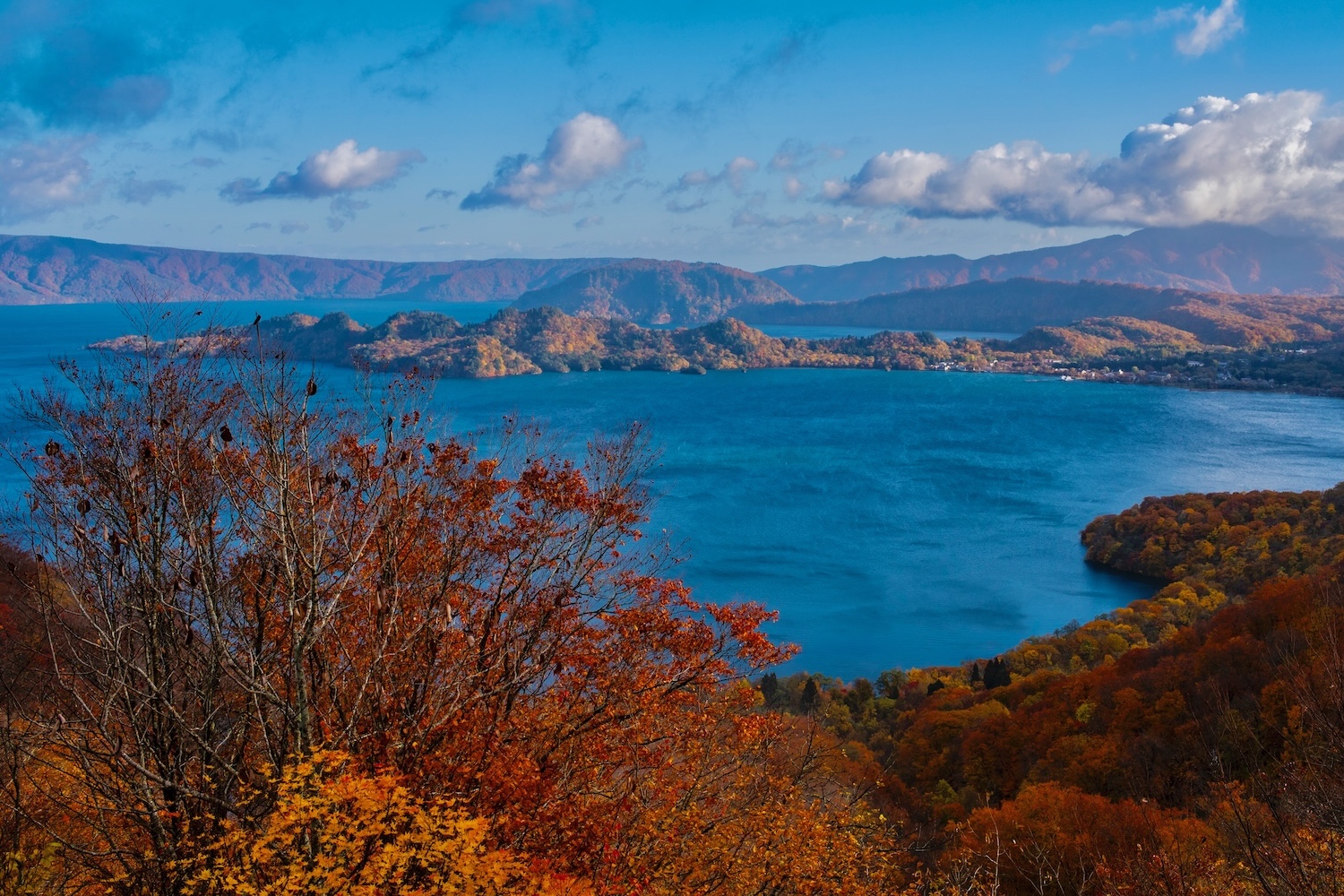
Now with this being said, there are some more scenic options on offer, depending on where you stay. This could be the small but authentic Happoya in central-ish Hachinohe, or an outlying property. I’m thinking of Hirono Resort Villa along the Tanesashi Coast an hour or so southeast of town, or Towada Prince Hotel at Lake Towada, which isn’t really in Hachinohe, but is a popular onward destination.
What to Do in Hachinohe
Prioritize Kabushima Shrine
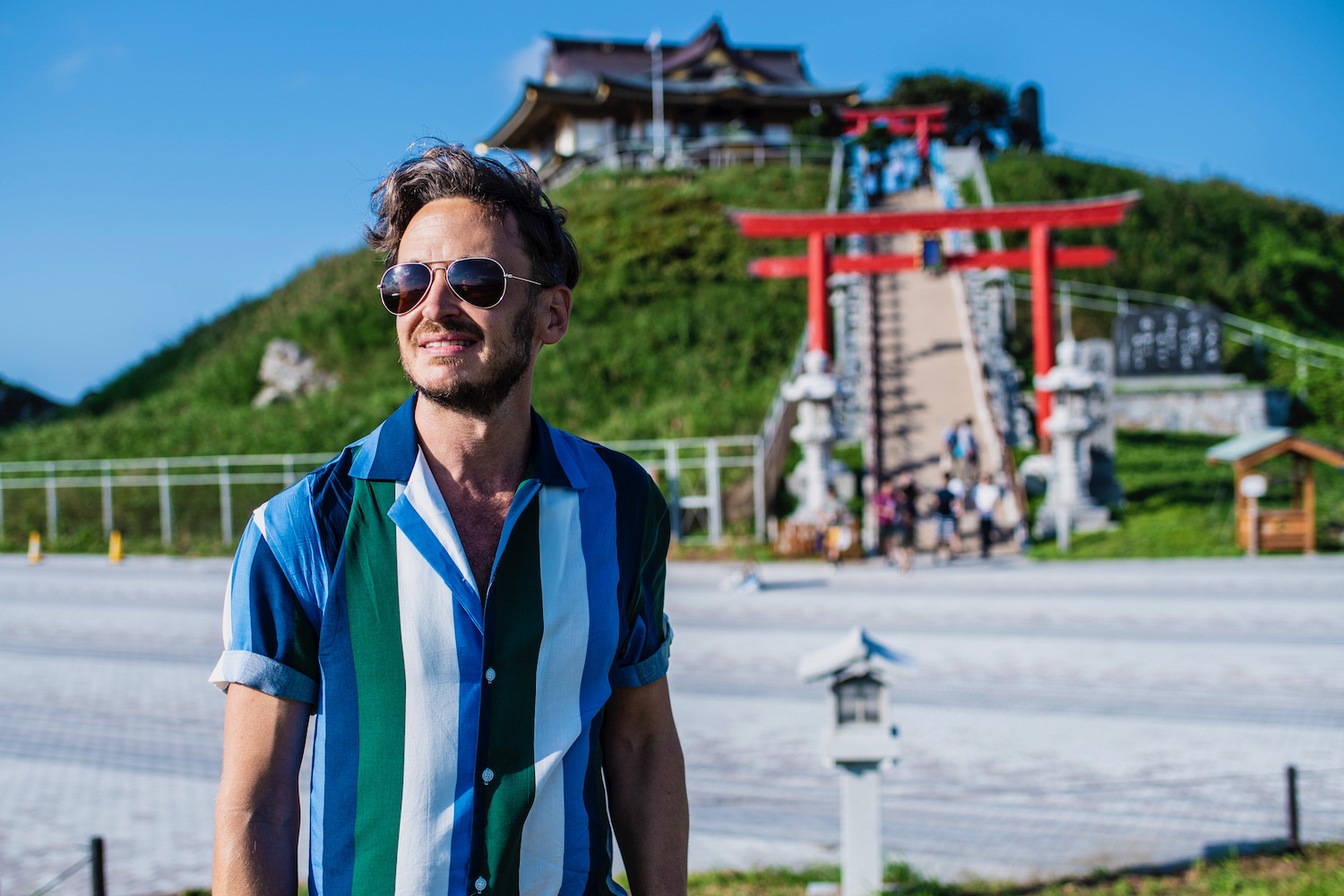
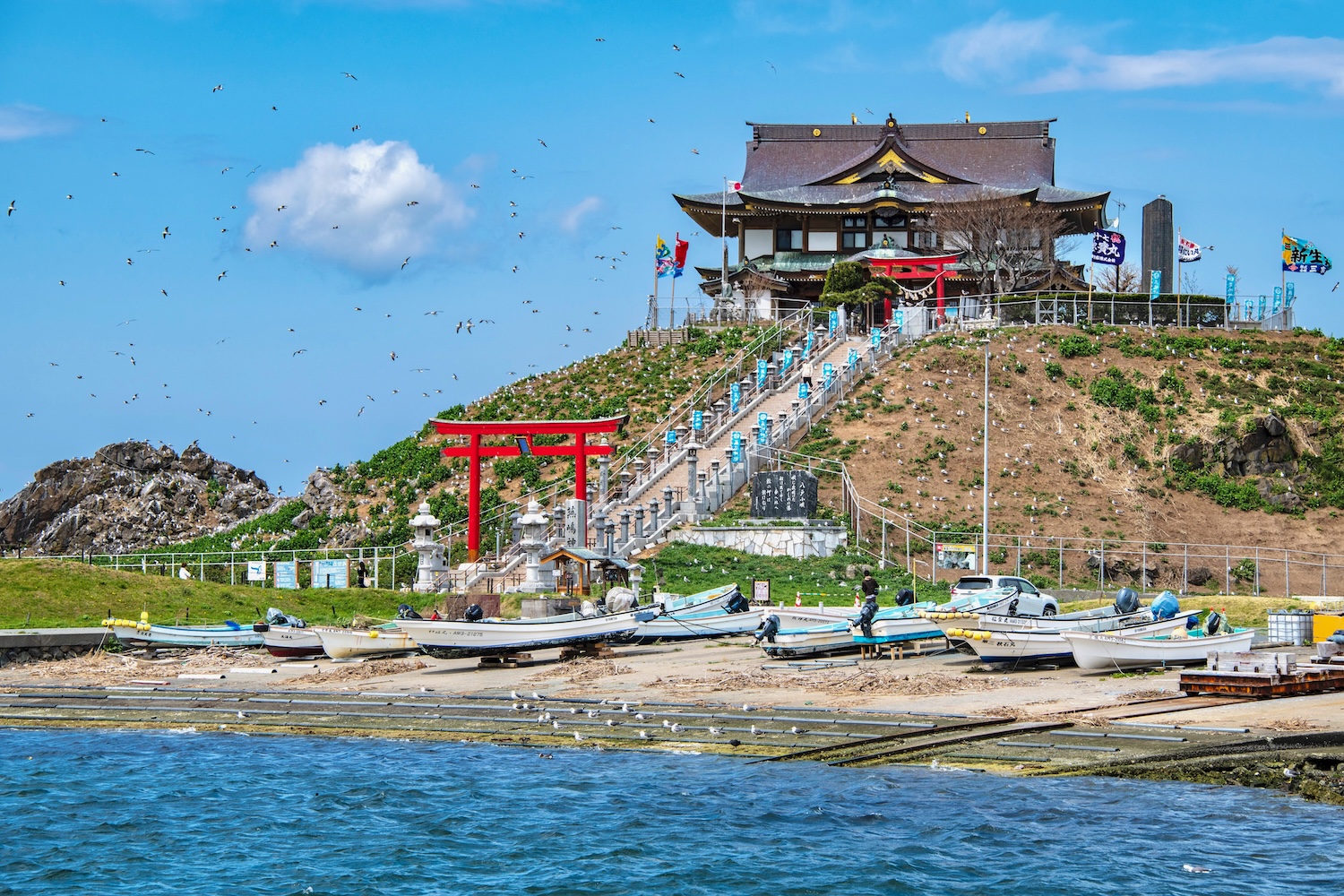
The first time I visited Kabushima Shrine, which is located just northeast of central Hachinohe, the seagulls that famously nest there had departed for the season. The seaside sacred site (it’s an island, really) was still impressive, however. This is why I always recommend that travelers in Hachinohe make it a priority, whether or not the seagulls (which nest there between early March and mid-August) are at the shrine.
Gain some perspective
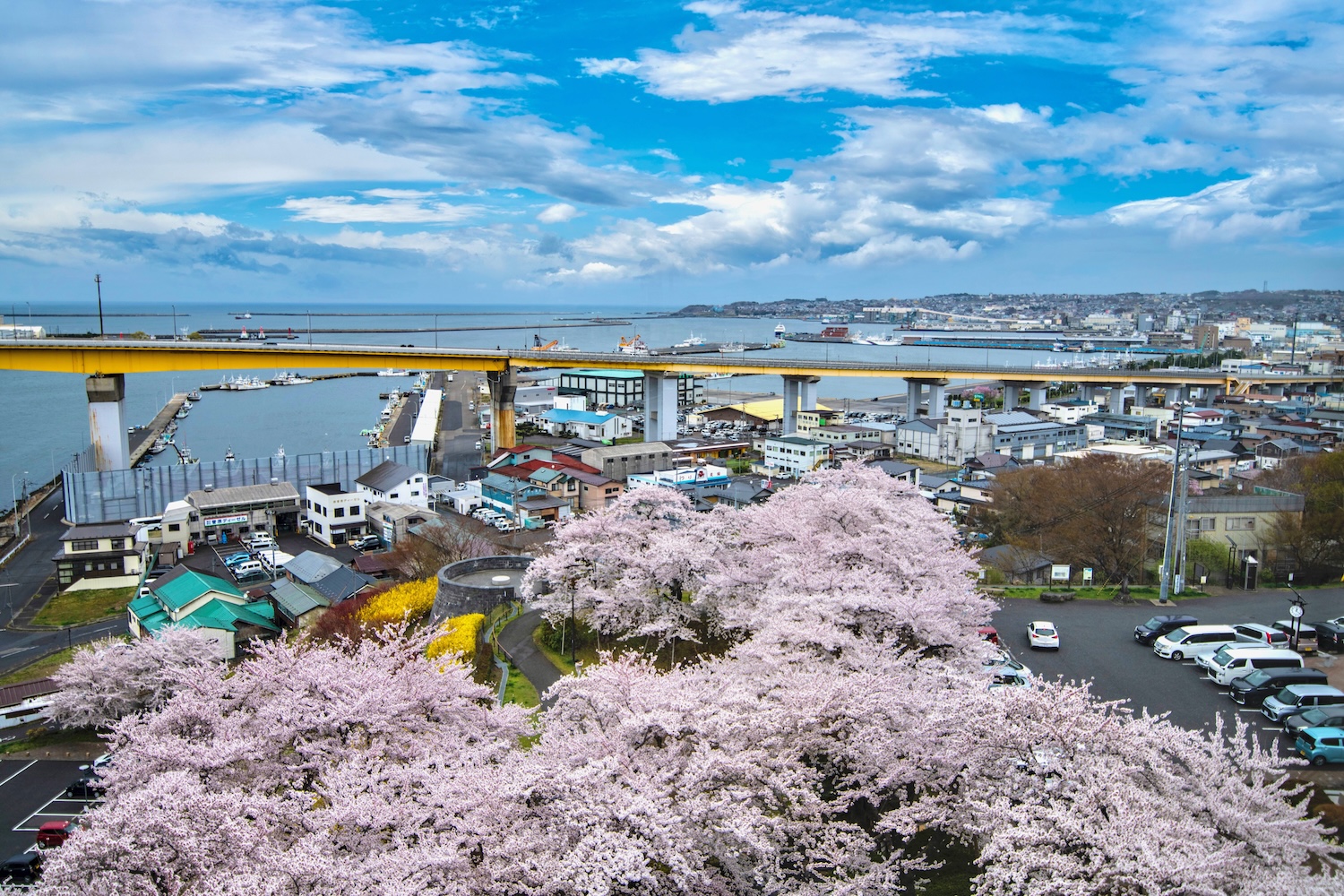
Another essential part of a Hachinohe itinerary? Getting a great view of the city, be that from up high or at ground level. On my latest trip I discovered Tatehana Park, which is admittedly primarily because of its status as a hanami spot. Among other things, it offered an awesome perspective on the quirky yellow Hachinohe Ohashi bridge, which is admittedly also cool to admire from ground level.
Explore Nejo Castle, with or without shidarezakura
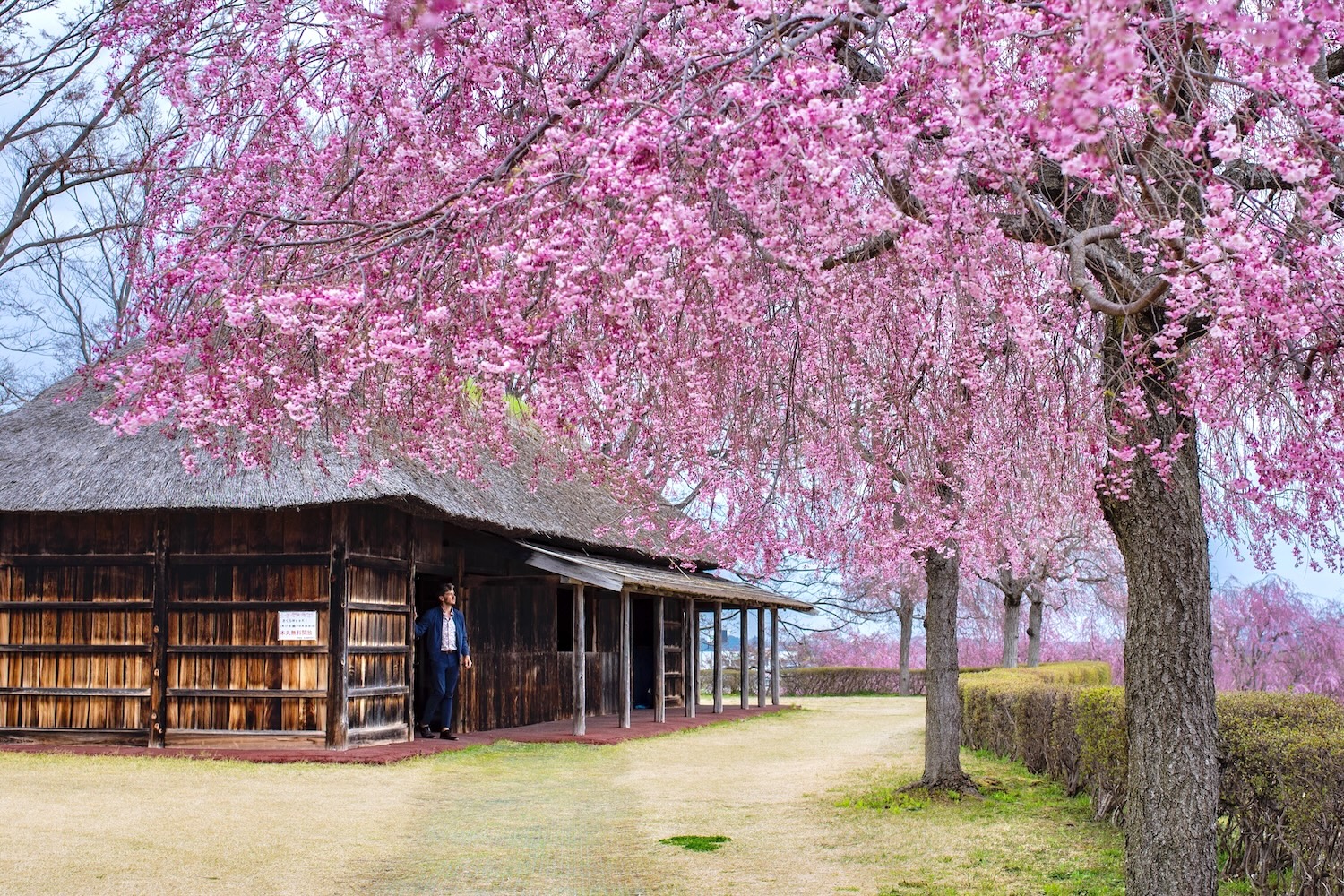
On the opposite side of Hachinohe city, you’ll find the Nejo Castle Ruins. While this site isn’t as “ruined” as its name suggests, the style of castle is also a lot humbler than the 12 original castles of Japan; set this expectation from the get-go. Like Tatehana-koen, it’s a lot more impressive during cherry blossoms season, when hundreds of “weeping” shidarezakura trees paint the site pink. But trust me when I say that it’s worth visiting 365 days per year.
Savor local flavors
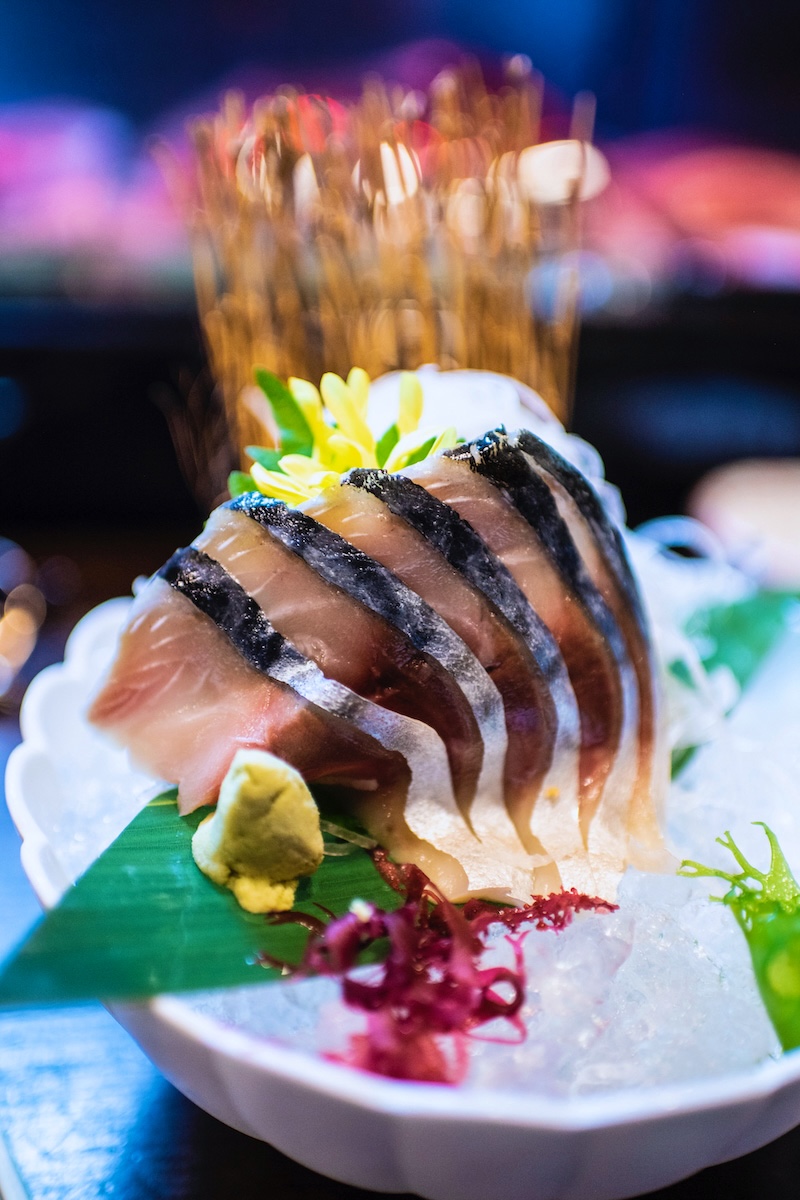


Eating, as you might imagine, is one of the top things to do in Hachinohe. Reasonably close to the castle ruins you’ll find Hasshoku Center, a great place not only to try local food (such as saba or mackerel and massive oysters), but to drink locally-produced sake. In the city center, you can also eat (and drink) your way along the Miroku Yokocho alley.
Continue onto the Tanesashi Coast or to Lake Towada
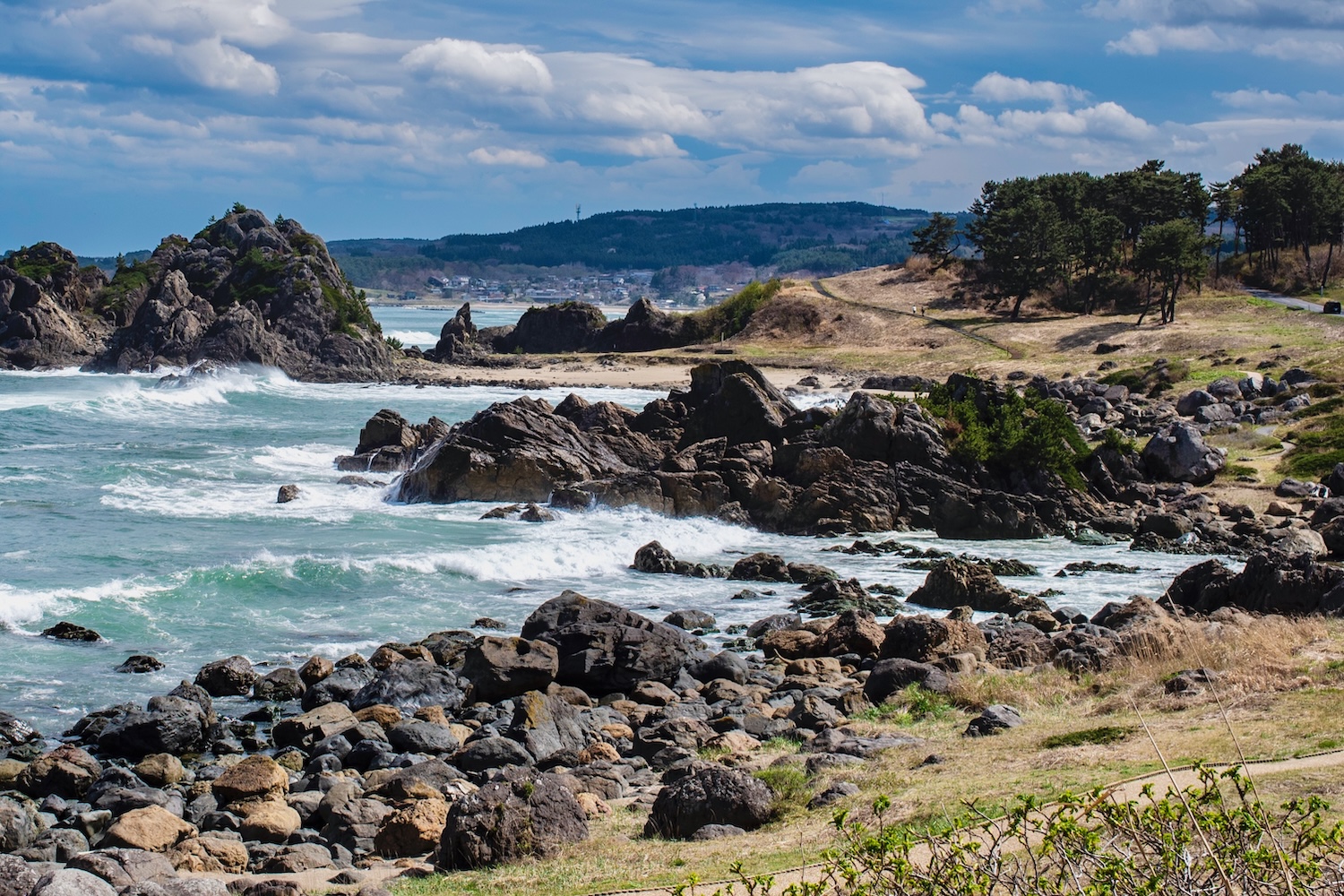
Want to explore outside of Hachinohe a bit? If you don’t have a car, then I recommend continuing to ride the JR Hachinohe Line from Same (the closest station to Kabushima Shrine) to Tanesashikaigan, the closest station to the scenic Tanesashi Coast. If you have a car, meanwhile, it’ll be a lot easier to head southwestward to Lake Towada (though, to be fair, there are buses to the lake and around it as well).
How Long Do You Need in Hachinohe?
Hachinohe, if you take it only to mean its city center, isn’t very big. Keeping in mind that it is somewhat of a far trek from Tokyo (and even within the Tohoku region itself), you should probably plan on spending a minimum of two nights here. This will allow you to navigate the relatively slow and infrequent train lines (or the more frequent but also more cumbersome bus routes) that connect the city’s major attractions.
As you might imagine, the conversation around how many days in Hachinohe you need expands if you plan to explore outside of town. Notably, for each day trip you plan to take (be that the Tanesashi Coast, Lake Towada or elsewhere), you should add one day. A possible exception this might be if you’re comfortable renting a car, and don’t mind driving the hundreds of kilometers required to string these destinations together between sunrise and sunset.
Other FAQ About Visiting Hachinohe
Is Hachinohe worth visiting?
Hachinohe is absolutely worth visiting. This is true whether you hang out in the city center, eating your way through the Hasshoku Center and visiting Kabushima Shrine, or take day trips to nearby destinations such as the Tanesashi Coast or Lake Towada.
How do I get from Tokyo to Hachinohe?
There are two ways to reach Hachinohe from Tokyo. The first is train, or rather trains—after riding a Shinkansen Hayabusa from Tokyo Station to Hachinohe Station, you’ll need to catch a local train onward to Hon-Hachinohe Station. Alternatively, you can fly from Tokyo (HND) to Misawa (MSJ), and get a bus from there into central Hachinohe.
What is Hachinohe famous for?
Hachinohe isn’t super famous—and that’s part of its appeal. With this being said, it does enjoy a certain level of notoriety for its picturesque Kabushima Shrine, for its sake-producing heritage and for its proximity to the scenic Tanesashi Coast. It’s Nejo Castle Ruins, meanwhile, are a top spot for enjoying “weeping” shidarezakura trees in spring.
The Bottom Line
The array of things to do in Hachinohe is much more eclectic than meets the eye. After eating (and maybe drinking) your way through the Hasshoku Center, you can pay a visit to Kabushima Shrine and the thousands of seagulls that nest there. Next, you can dig deeper, whether that’s a cultural escape amid the ruins of Nejo Castle, or a natural one along the Tanesashi Coast, where the increasingly popular Michinoku Coastal Trail (not to mention Japan’s severely underrated Sanriku Coast region) begins. Want to take your Hachinohe trip to the next level? Commission a custom Japan itinerary today!