


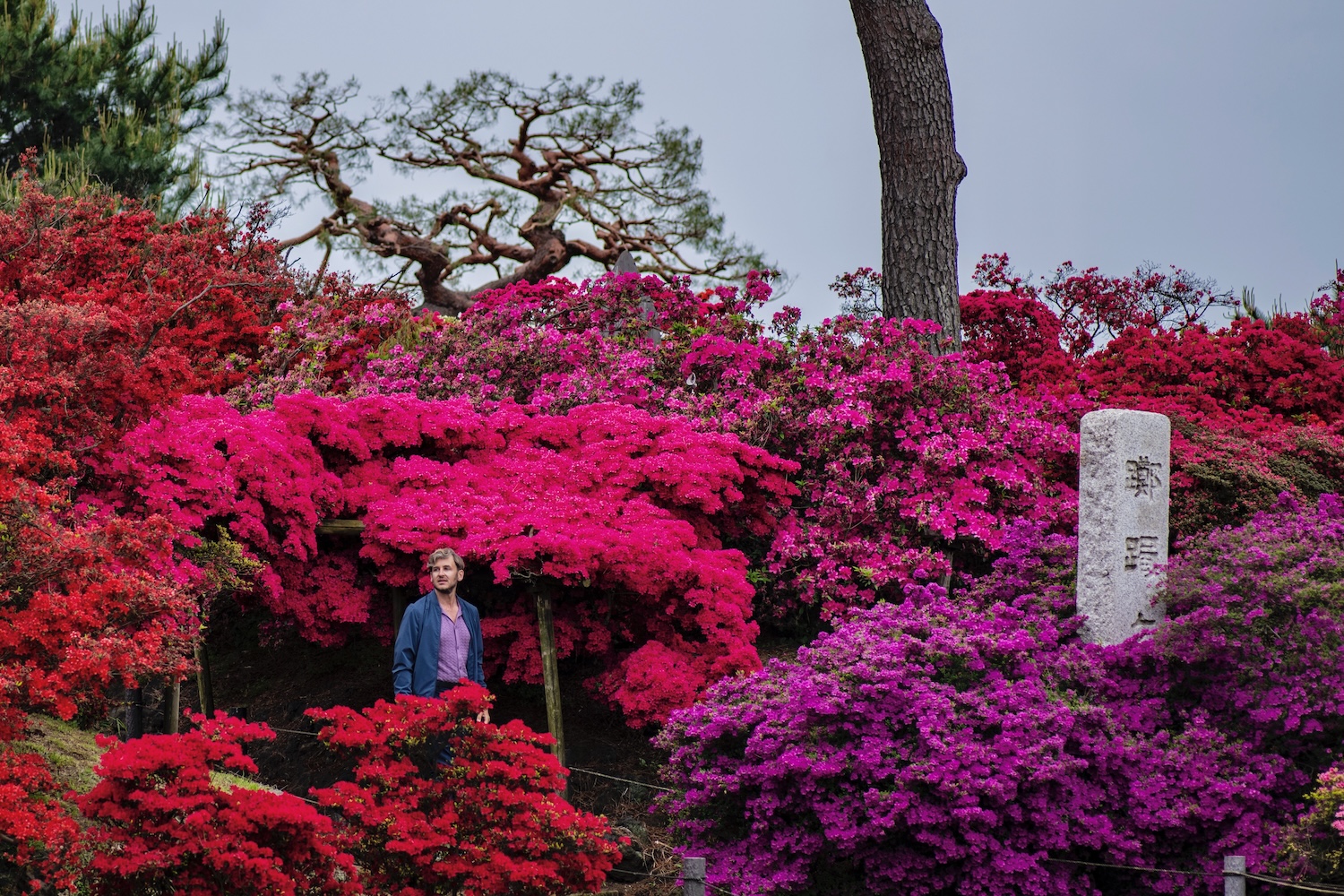
I’ve always been a fan of azaleas—in Japan and elsewhere. And, more to the point, their cousins rhododendrons. In one of the six houses I lived in before the age of 18, we had huge rhododendron bushes out front; their blooming was one of my favorite signs that spring had finally arrived.
Interestingly, I noticed a very similar sort of rhododendron bush on my very first trip to Japan in 2014, walking through the garden of Kyoto‘s Tenryu-ji temple. Back then, of course, I didn’t realize that Japan was actually famous for azaleas, and that I’d one day take a trip with several days dedicated to chasing them.
No matter how or why you became interested in azaleas in Japan (or even if you aren’t at all and just randomly found this article), I’m about to spill all the sweet tea. Spring in Japan is about so much more than sakura!
Japan’s Azaleas Are Underrated
Japanese azaleas, which are known in the Japanese language as tsutsuji (つつじ or, much less commonly, 躑躅), are relatively ubiquitous throughout the country, with bushes present in basically every city and town. They also tend to be inconspicuous, however. Much as in the United States, they’re used as a landscaping accent rather than the main focus, with the exception of some of the azalea-viewing sites I’ll be mentioning in this article.
To put it another way, you need to be somewhat intentional about seeing azaleas in Japan if you want to experience them at their full beauty. Because of this, I believe that they are slightly underrated. There are good sides to this, of course—even the most popular azalea garden won’t be anywhere near as crowded as Japan’s top sakura spots. Plus, they bloom a week or two later than most sakura trees, so you can judge how full they’ll be based on the condition of the cherry blossoms in a given city.
Where to Enjoy Azaleas in Japan in 2027
Tsutsujigaoka Park, Tatebayashi, Gunma
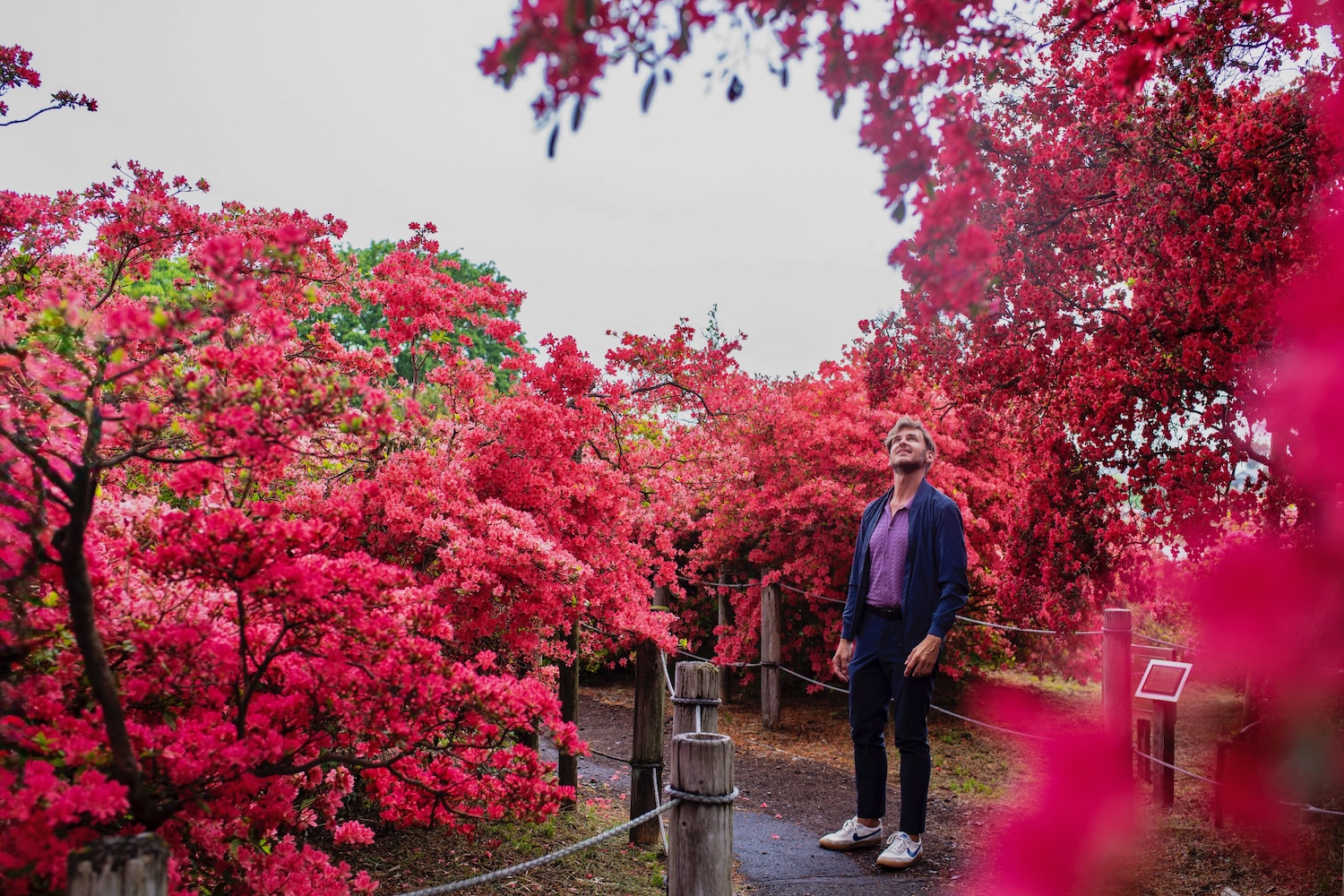
It probably won’t surprise you that Tsutsujigaoka Park in Gunma prefecture’s Tatebayashi city is an azalea hot spot, given its name. What did surprise me, in spite of all the research I did before going, is just how vast the array of azaleas was, both the variety of colors, as well as the sheer number of shrubs and their different shapes and sizes. Just magnificent!
Shiofune Kannon-ji, Ome, Tokyo
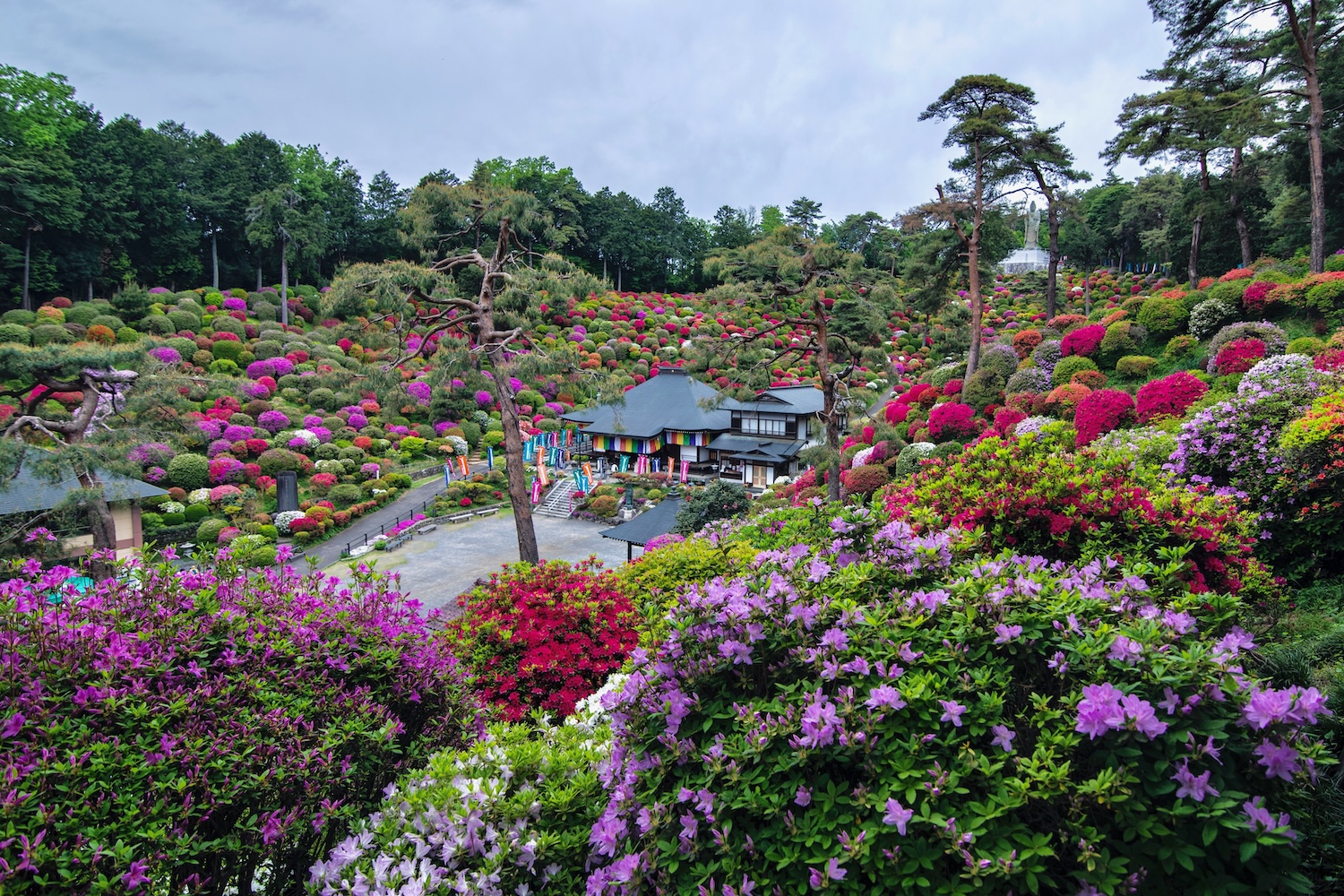
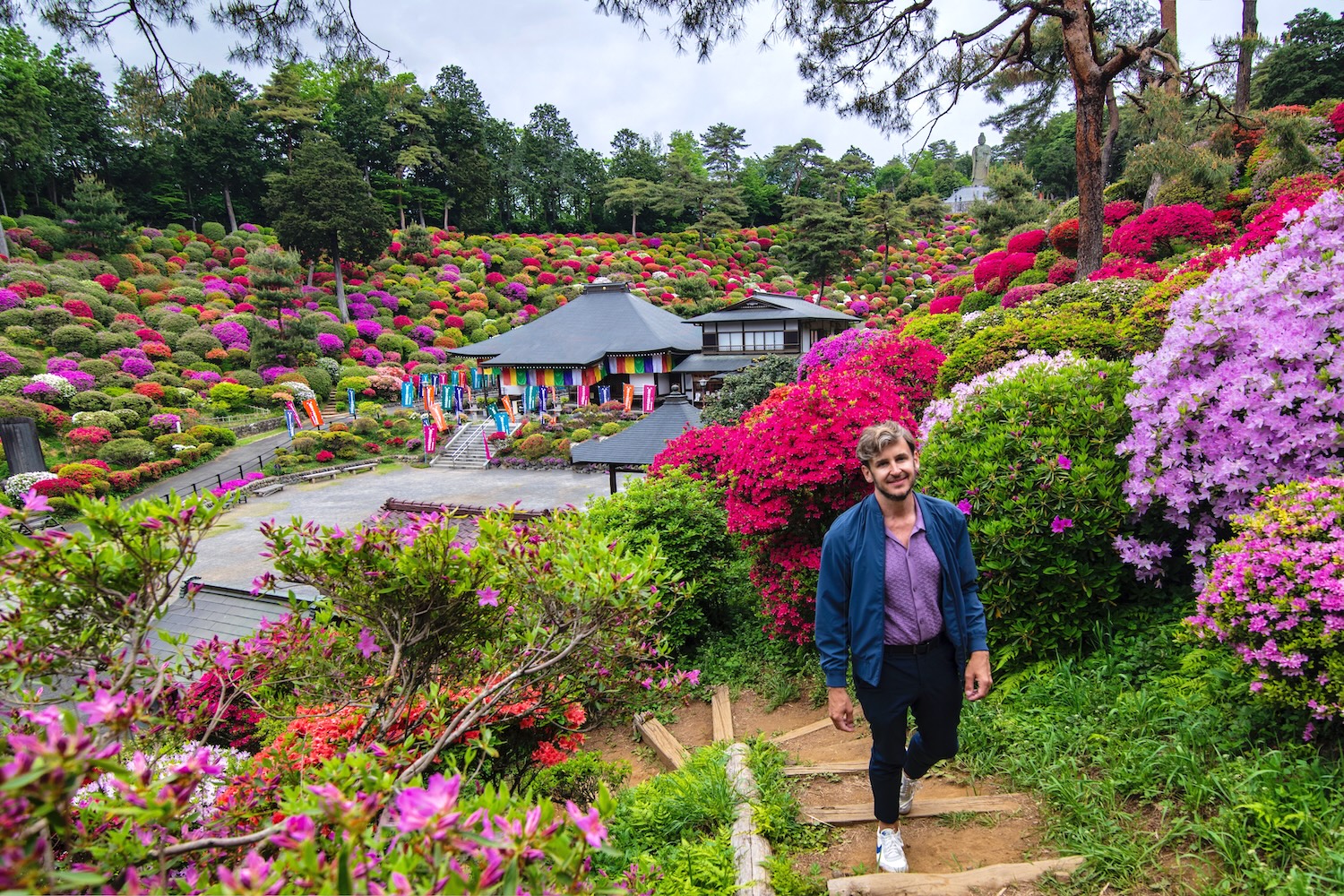
Don’t yet remember how say “azalea” in Japanese? If you visit Shiofune Kannon-ji temple, in Ome city just west of Tokyo, then don’t worry: Tsutsuji will be the only word on your lips by the time you leave! Although you’ll notice a uniformity in the size of bushes at this temple (which, as its Japanese name suggests, is home to a towering Kannon statue), the number and dazzling color of these shrubs makes them impossible to look away from.
Nezu Shrine, Tokyo
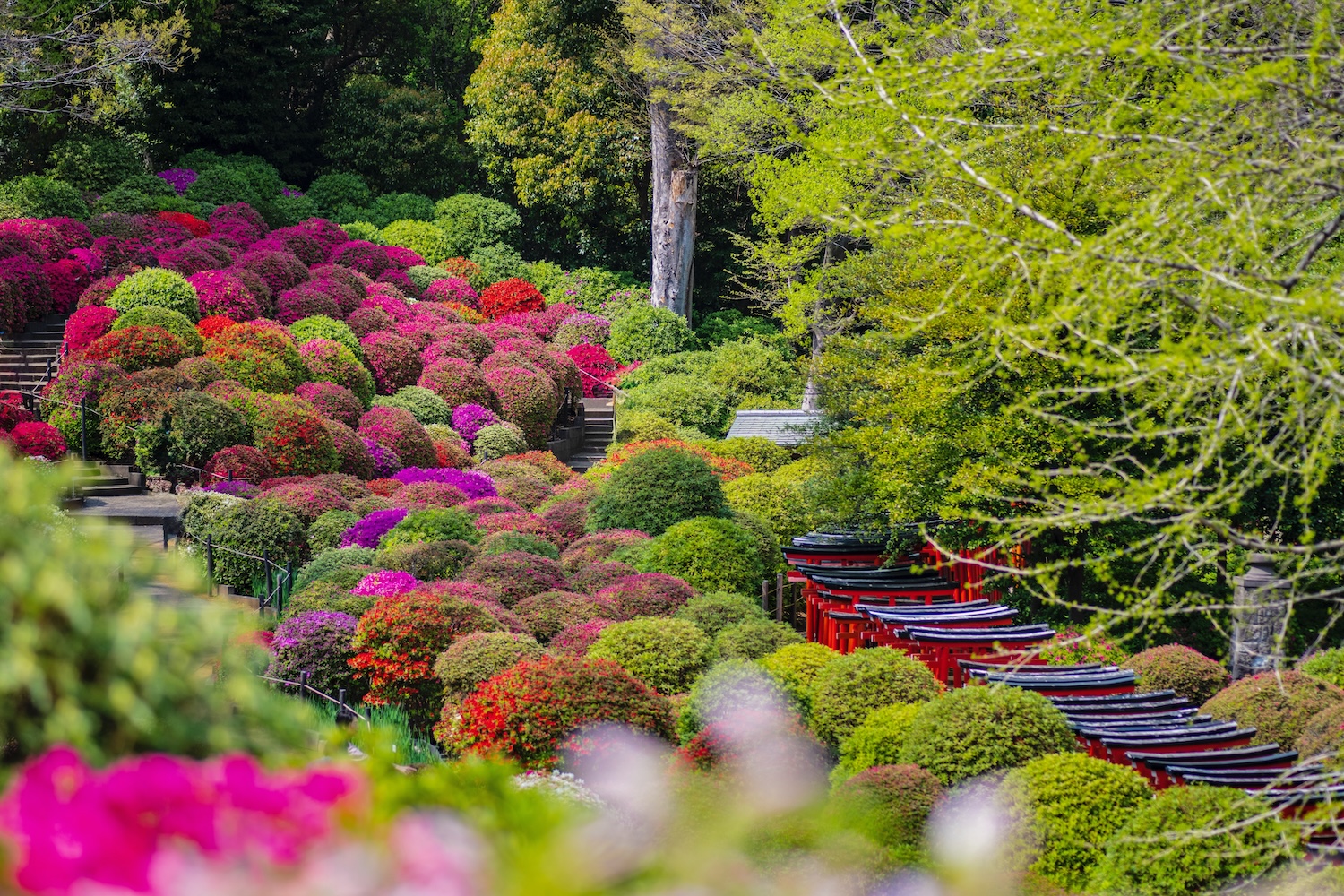
The first time I visited Nezu Shrine, which is located just north of Tokyo’s Ueno Park, I felt amazed by the scale of the azalea display. If I’m honest, it now seems pretty humble to me, having visited Tsutsujigaoka and Shiofune Kannon-ji in particular. Still, if you plan to be in Tokyo during the last week of April (when azaleas here typically reach full bloom), it’s worth a visit. But go early to beat the crowds!
Nagaoka Tenmangu, Kyoto
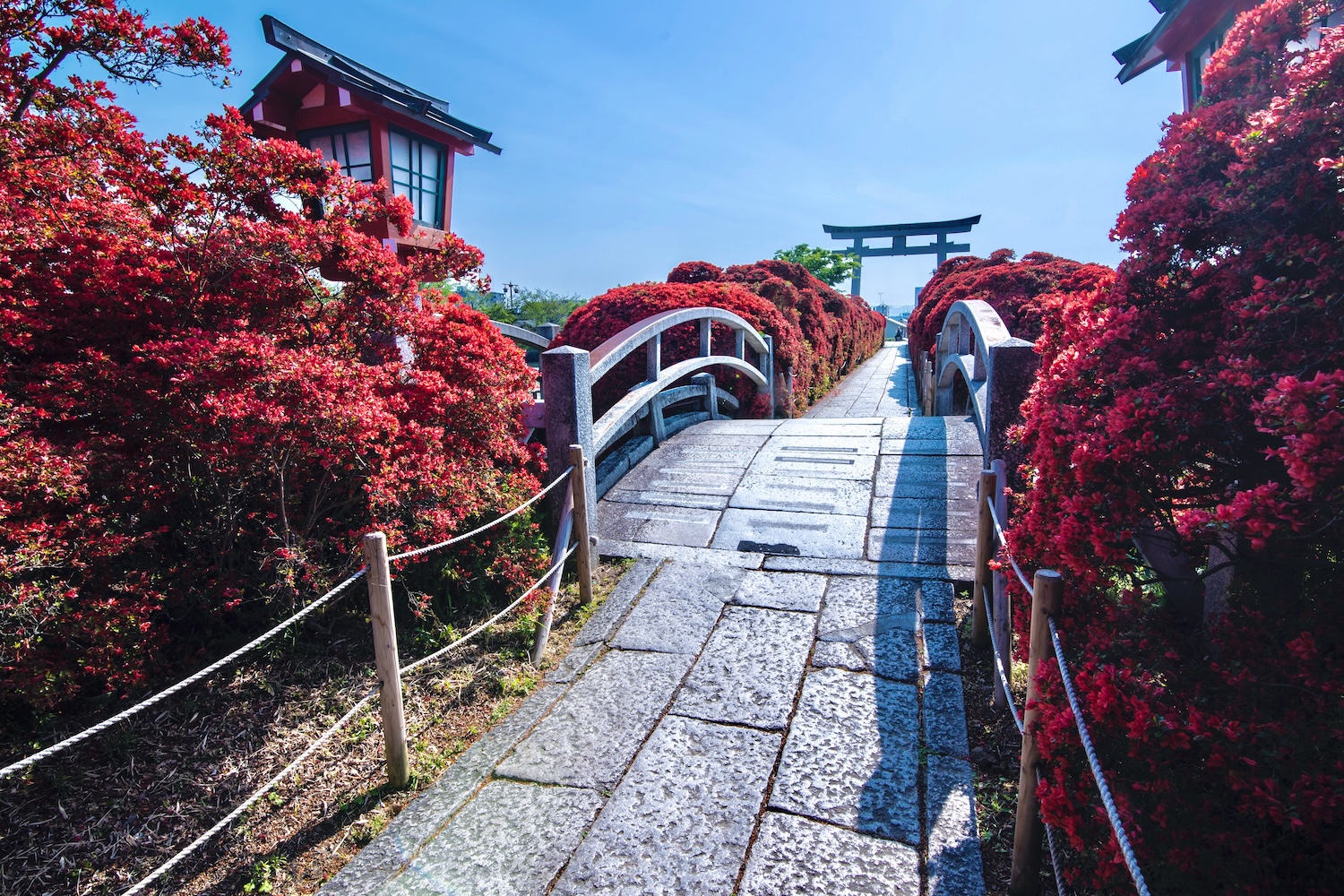
As is the case for the Japanese azalea at Nezu Shrine in Tokyo, those at Nagaoka Tenmangu just west of central Kyoto are somewhat…simple. Here, however, unlike the multicolored bushes that dot the sacred space there, you’ll find uniformly red tsutsuji, in the former of larger tree-like shrubs. As a result, while there’s definitely an element of simplicity to the landscaping, the impact is still pretty dramatic.
Kairaku-en, Mito, Ibaraki

Last (for now) but not least is Kairaku-en, one of the “top three gardens” in Japan. It’s located in Mito, the capital city of Ibaraki, generally known to be among Japan’s least-loved prefectures. I mention this not to degrade the place, but to make a secondary recommendation. Namely, since the blue nemophila at nearby Hitachi Seaside Park tend to bloom at around the same time as the azaleas in the garden, you can try to see both in one day.
Other Places to See Tsutsuji in Japan
I’ve gone out of my way to see azaleas in Japan, but even if I have not been everywhere that’s famous for them. In some cases, this is because my timing simply wasn’t right. In 2024 for example, after spending several days exploring the barely-visited islands just west of the city, I headed eastward to Nagasaki’s Mt. Unzen. Unfortunately, I arrived before most of its famous tsutsuji had sprung into bloom; while the mountain was beautiful, I didn’t see it in its full glory.
In other instances, there are spots for seeing tsutsuji in Japan that I simply haven’t made it to. Among them are Mt. Katsuragi in Nara prefecture, which is home to thousands of bushes, and is known among Japanese as one of the best places in the country to see the flowers. Another place I desperately want to see (Mt. Nagushiyama, which offers views of both azaleas and the sea at the same time) also happens to be in Nagasaki, conveniently enough for me!
Other FAQ About Azaleas in Japan
Are there azaleas in Japan?
Yes, there are literally millions of azalea bushes in Japan. Known in Japanese as tsutsuji, these flowers are primarily used as landscaping, as they are in Western countries. For intentional travelers, however, it’s possible to see truly spectacular displays of the flowers at a number of sites throughout Japan.
Where can I see azaleas in Japan?
In addition to their use as landscaping shrubs in cities and towns throughout Japan, azaleas (or tsutsuji) are the focus of many Japanese attractions. These include temples like the spectacular Shiofune Kannon-ji in Ome city just west of Tokyo, and more botanically-focused area such as Tsutsujigaoka Park in underrated Gunma prefecture.
How do you say azalea in Japanese?
The Japanese word for azalea is tsutsuji. Interestingly, this is typically represented as hiragana (つつじ) or katakana (ツツジ), even among Japanese people. The kanji (躑躅) contain dozens of strokes, which makes them complicated to read and especially right, even for native speakers.
The Bottom Line
I don’t think I could ever get tired of seeing azaleas in Japan. Known as tsutsuji (つつじ) in Japanese, these show-stopping flowers are relatively ubiquitous in Japanese cities and towns, but are also the focus on many sites and attractions throughout the country, from Nagaoka Tenman-gu shrine in Kyoto, to the superlative Shiofune Kannon-ji temple in Ome city just west of Tokyo. Along with peach blossoms, wisteria and shibazakura, azaleas prove that you don’t need to see a single cherry blossom to have an unforgettable spring trip to Japan. Another way to take your travel to the next level? Commission a custom Japan itinerary today!