


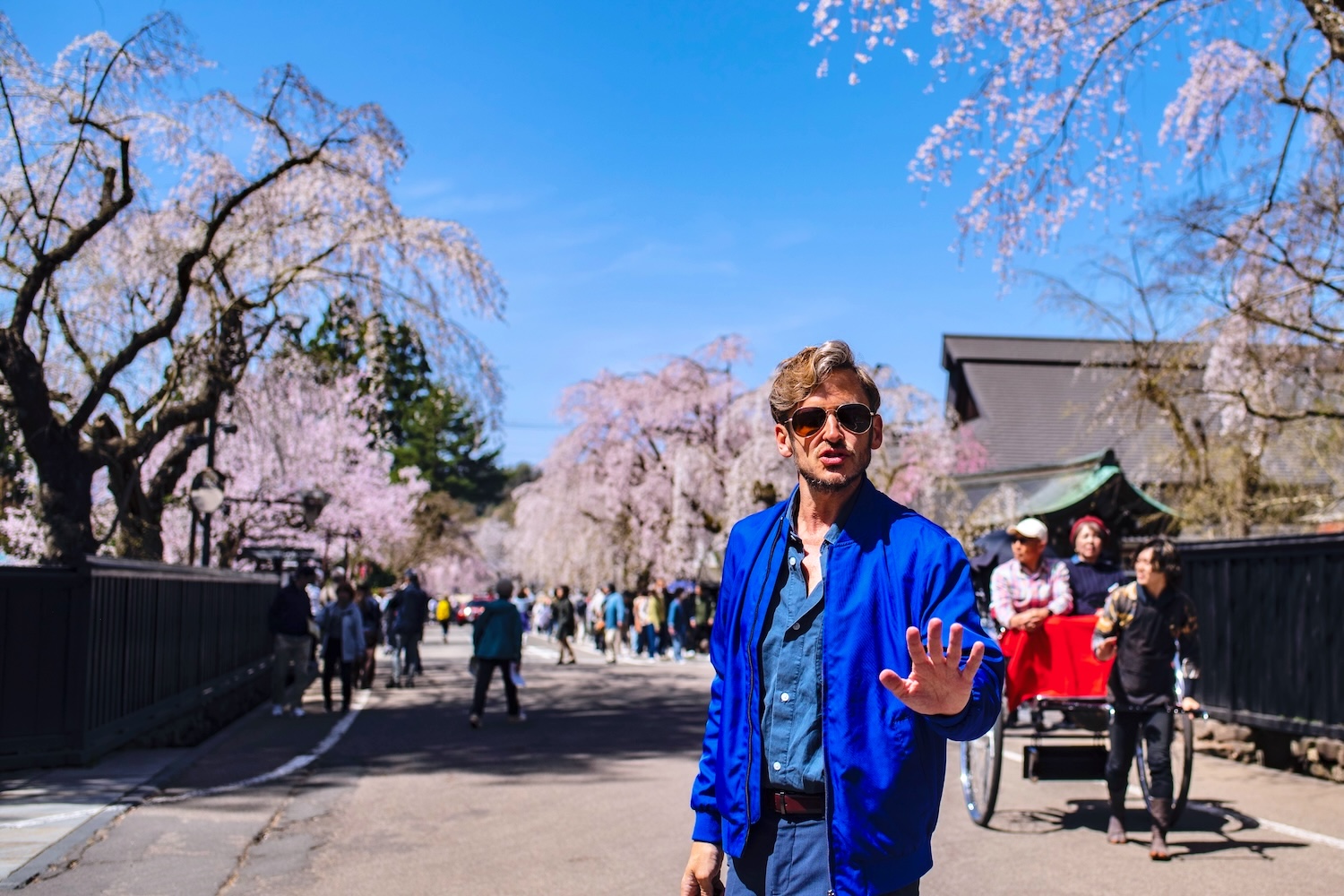
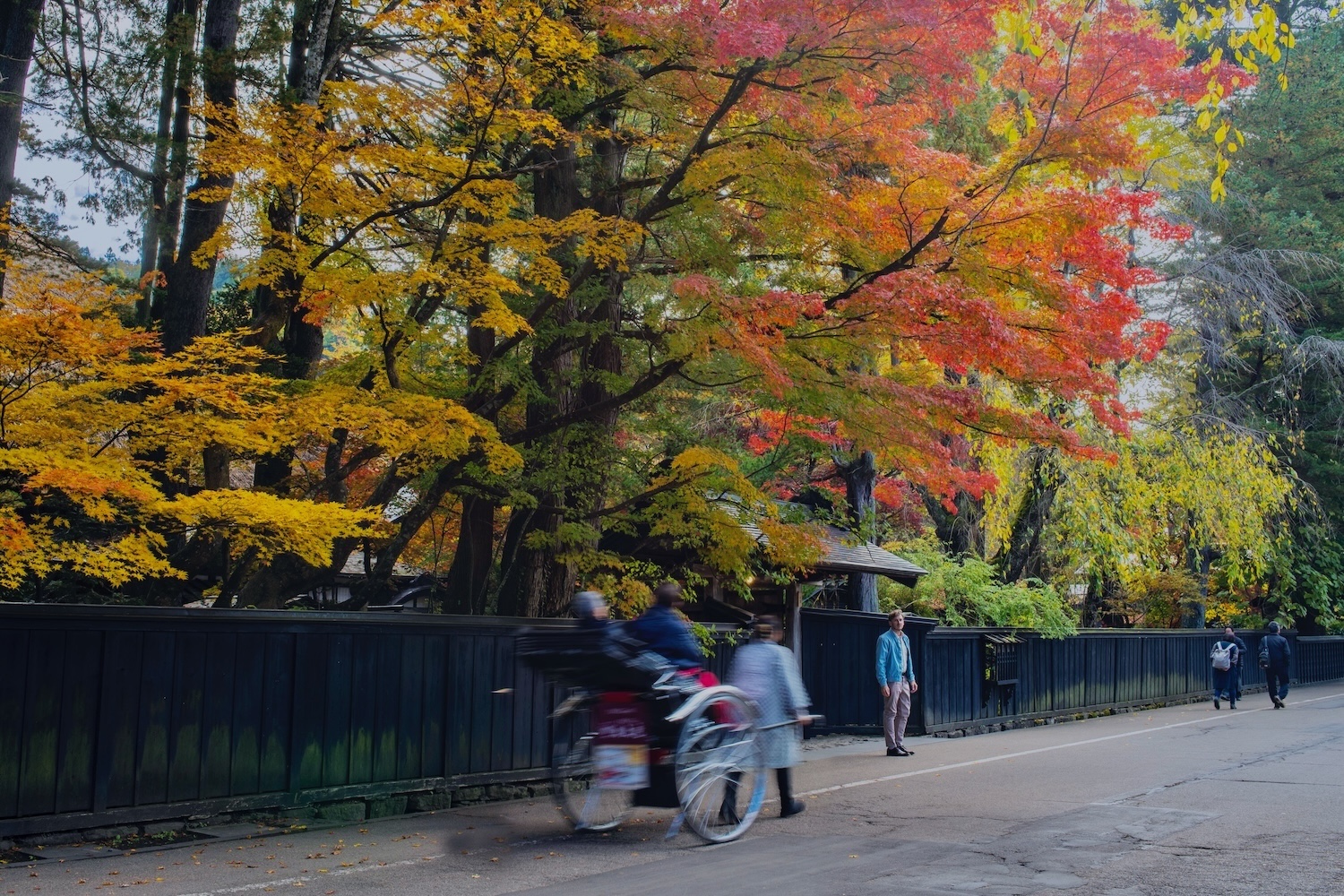
It’s no secret, whether you’re reading through this website or following me on Instagram, that I love visiting Japan in both spring and autumn. Both the pale pink flowers of March and April and then scarlet momiji of November and December perfectly contextualize Japan’s built beauty, albeit for different reasons.
The challenge, to be sure, is deciding which one I love best. For a long time, I’d have sworn it was sakura; every time I return in autumn, however, I reach the opposite conclusion.
Now, I can’t guarantee you that after reading this post, you’ll be able to declare a definitive victor when it comes autumn colors vs cherry blossoms in Japan. But you may have more clarity than you do now.
I First Fell in Love With Japan Under Billows of Sakura
It took me many years after visiting Japan for the first time to realize how important the debate between autumn colors or cherry blossoms was. Initially, I was all about the blossoms. Picture it: April 2, 2014, and the sun is shining as I arrive at Chidori-ga-fuchi, the iconic northwestern quadrant of the moat around the Tokyo Imperial Palace—and every single cherry tree there is in perfectly full bloom. It’s my first day ever in Japan, and I felt like I’d won the damn lottery.
As it turns out, virtually every day of that trip saw me arrive in a given destination to see its trees at perfect mankai, to an extent I would later almost resent. Sakura are extremely fickle, and while I happened to get extraordinarily lucky my first time up to bat, subsequent trips (even ones I thought I planned precisely) showed me that even minor changes in weather (and other factors) could totally turn the typical cherry blossom forecast on its head. More on that in a second.


Ways to Decide Between Cherry Blossoms and Autumn Colors
Forecasts and timing
Bluntly, cherry blossoms are way more temperamental than autumn colors. Full bloom (mankai) only lasts a few days even under the best of circumstances, and can be delayed (or brought forward) by days thanks to a cold (or warm) front; strong rain and wind can knock petals right off of trees. By context, it can take almost a month for the full autumn color cycle, which means that it’s simply much easier to enjoy kōyō than sakura.
Objective beauty
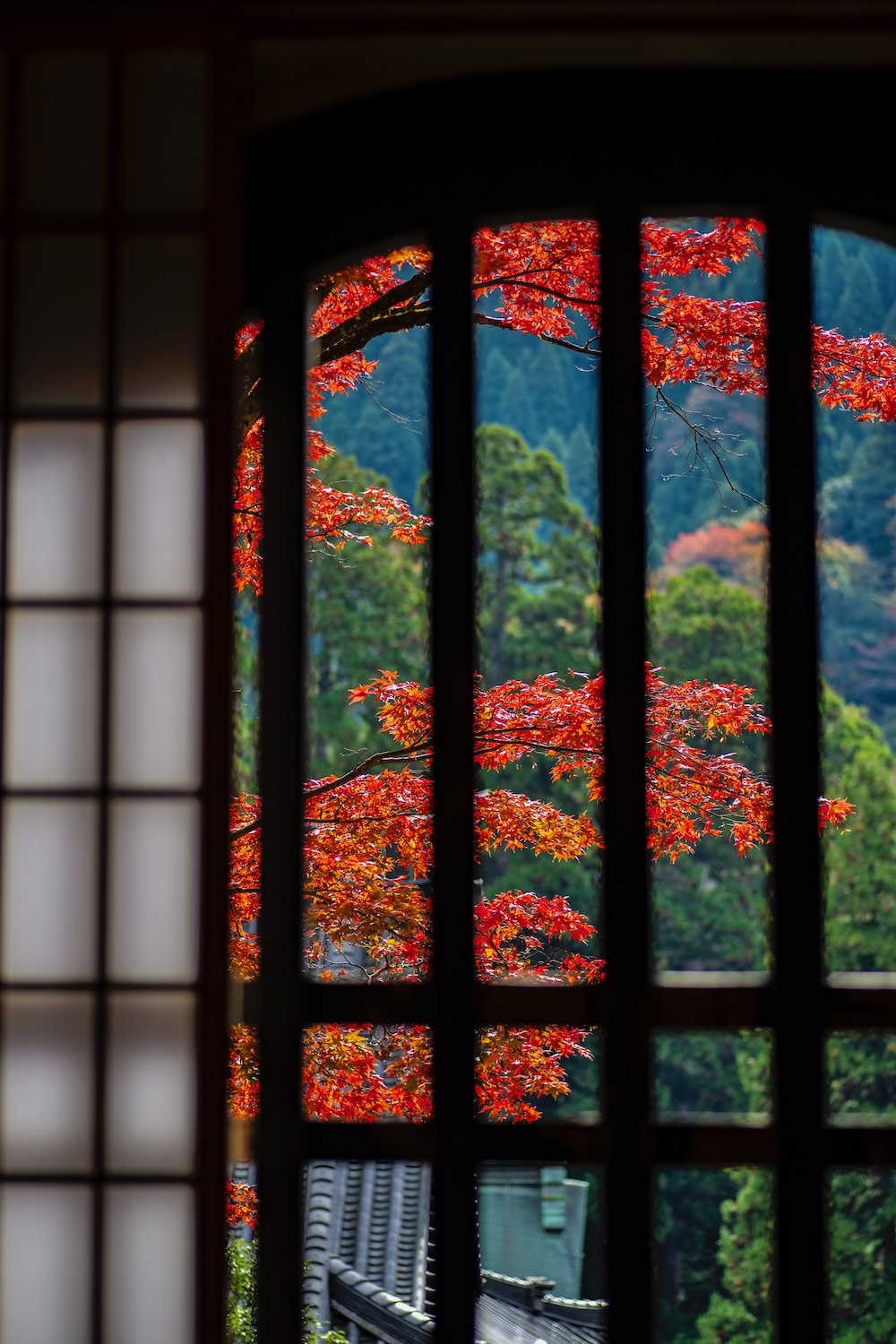
This is an area where autumn colors and cherry blossoms are basically equivalent, as far as I’m concerned. Whereas sakura (especially on days with blue sky) perfectly evokes the arrival of spring, and foretells the eventual triumph of light over dark, Japan’s most iconic autumn trees (namely, maples and ginkgoes) are so bright and vibrant that they brighten up even the cloudiest fall day.
“Japanese-ness”
I’ll be honest: Traditional Japanese temples pair with red, orange and yellow leaves better than almost any other built scenery in the world. At the same time, there is literally nothing more Japanese than a voluptuous billow of cherry blossoms, regardless of its context. And so while your trip will evoke obvious Japaneseness in both April and November, sakura simply wins this category.
Crowds and costs
It might sound surprising, given what I stayed above, but when comparing kōyō vs sakura in terms of cost and crowdedness, I’d almost say that autumn is “worse” than spring. I’d put this down to Asian tourists, many of whom can easily see flowers in their countries, but often can’t enjoy fall foliage, leading more to come during the latter period than the former one. (Prices, needless to say, rise with occupancy).
Temperature and precipitation
Japan also tends to be a bit cooler in November and December than it is in March or April, though the difference isn’t dramatic. Likewise, I’d say that you’ll have roughly the same number of rainy days on a cherry blossom trip as you will chasing autumn colors, although in my experience fall itineraries tend to be slightly cloudier than spring ones, though this obviously depends on where in Japan you go.




Japan’s Other Seasons (and Micro-seasons)
Can’t make it to Japan in early April or late November? Not to worry. Nearly every month sees the opportunity to have a completely unique experience of exploring Japan:
- Japan’s winter is spectacular, even if you don’t ski. Some travelers will lean into winter, spotting rare cranes in Hokkaido, or “snow monsters” in the Tohoku region. Others will enjoy surprisingly mild weather along Japan’s tourist trail.
- Coming to Japan in summer? The bad news is that the heat and humidity are extreme, even if you come from a hot and humid place. The good news? Japan’s summer festivals are absolutely unforgettable, and totally worth the discomfort.
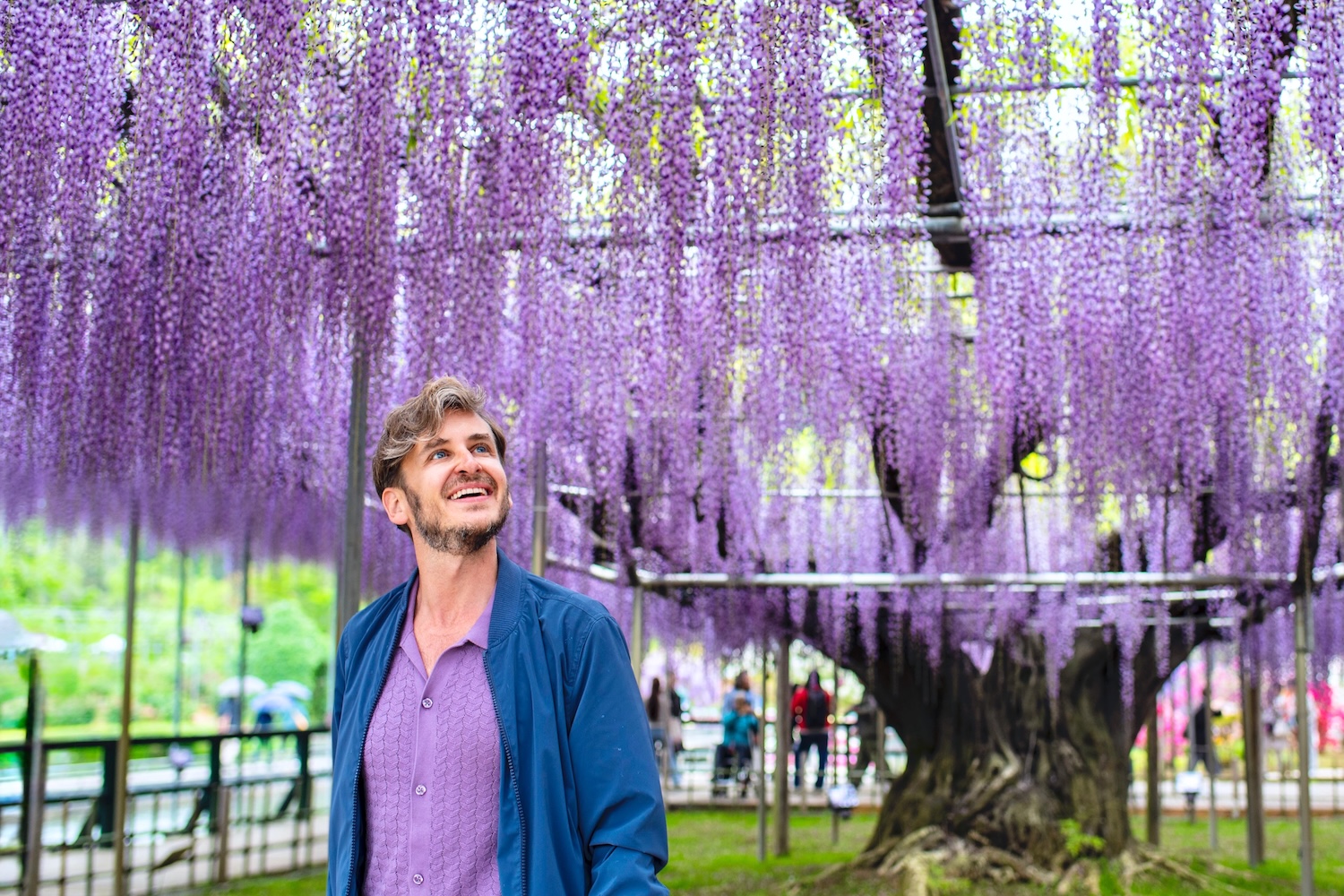
- Just missed sakura season? Late April and early May see a variety of other flowers bloom, including azaleas, wisteria and peach blossoms. On the flip side, late winter and early spring allow you to enjoy camellia, plum blossoms and early-blooming cherry varieties.
Other FAQ About Cherry Blossoms and Autumn Colors
Are cherry blossoms or autumn colors better in Japan?
Cherry blossoms are more iconically Japanese than autumn colors, but fall foliage paints Japan in a vibrant beauty that’s difficult to beat, even by the sakura themselves. I’d probably recommend coming during cherry blossom first (if you’re flexible) and then coming back for autumn, if it were up to me.
Is cherry blossom season busier than autumn color season?
Both cherry blossoms and autumn colors in Japan see the country’s most extreme crowds, with tourist destinations like Kyoto sometimes so crowded you can barely walk. If you come to Japan during either of these times, you should make peace in advance with the fact that your personal space will often be compromised.
Should I see autumn colors or cherry blossoms in Japan?
If you can, I recommend seeing both autumn colors and cherry blossoms in Japan, ideally doing cherry blossoms (which are the most iconically Japanese seasonal spectacle) first. However, if you can only travel in the fall, then you won’t regret going to Japan for foliage—trust me!

The Bottom Line
Autumn colors vs cherry blossoms in Japan—which one would you choose? The good news is that there is no “wrong” answer—both sakura and kōyō are worthy travel pursuits, which frame Japan in the most flattering light and color. Indeed, some of it might come down to necessity—if you’re free in November or December, but not March or April, then your life’s circumstances might make your decision you. This is to say nothing about Japan’s wonderful summer and winter seasons, or how it really is a 365-day-per-year destination. Need personalized help putting your trip together? Consider hiring me to plan it!