


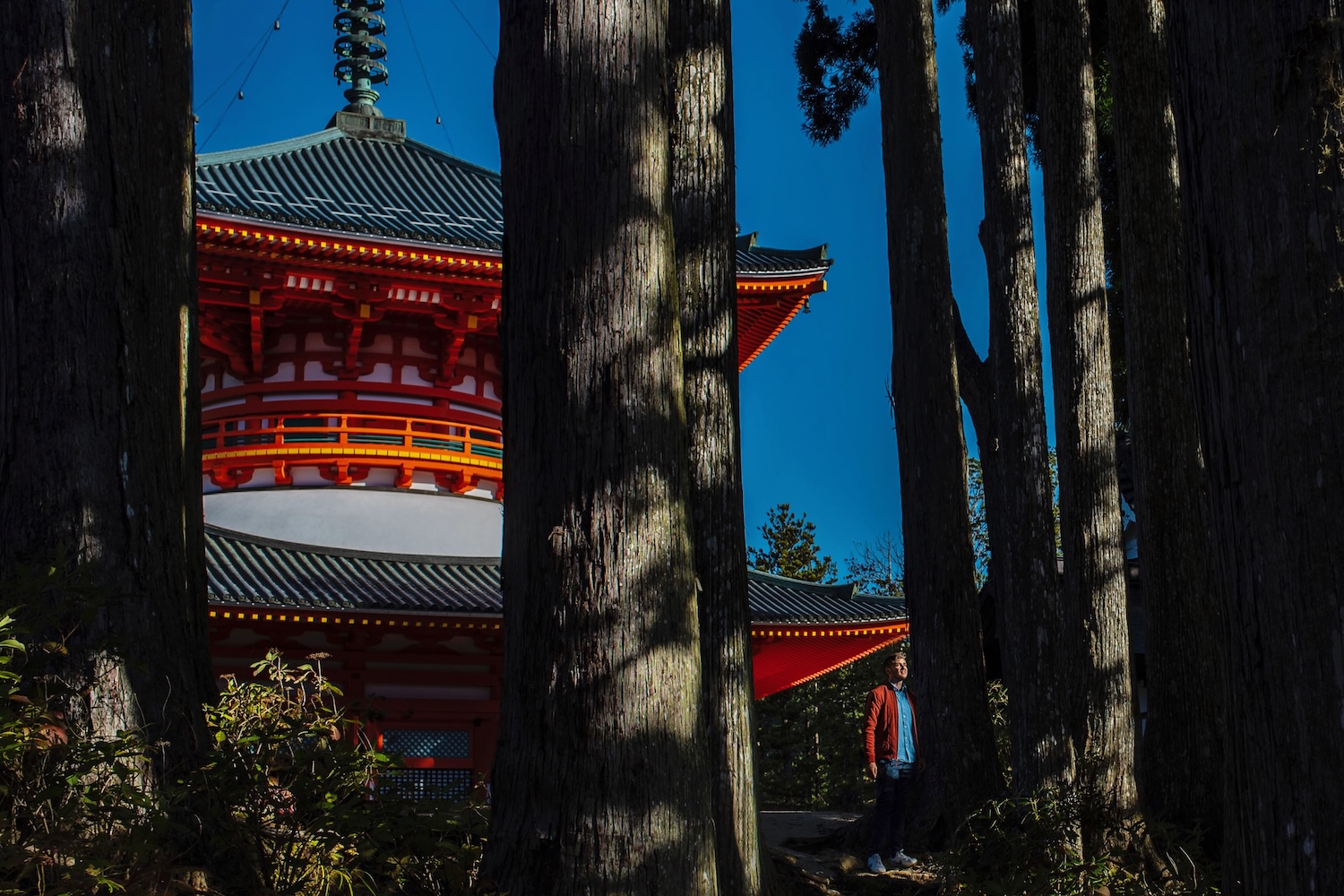
Koyasan, a mountaintop town founded over a millennium ago that’s home to dozens of temples and a forest-nestled cemetery, should be a slam dunk as Japanese destinations go. And that’s even before you consider that you can sleep in an actual Buddhist temple (actually, dozens of them) if you stay overnight here.
And yet, in spite of having traveled to the mountaintop five times over the past decade, I’m not sure I’ve fully actualized the experience of being there, even if my most recent visit (in November 2025, as I’m writing this) came closest.
Whether you’re considering a Koyasan temple stay, or just want to day-trip there from Kyoto or Osaka, I hope you’ll consider reading my insights. I certainly know what I’m talking about, at this point!
The Best Koyasan Shukubo, or Temple Stays
When it comes to temple stays in Koyasan, Eko-in is without a doubt the most famous option. It’s also the largest one with the most rooms. Strangely, however, this doesn’t seem to translate to lower prices, with prices per person for a single night often ¥50,000 over even higher. You can sometimes avoid getting completely ripped off it you book several months in advance, though this is far from guaranteed.
For this reason and others, I personally tend to prefer smaller shukubo such as Joki-in and especially Saizen-in, which is the best-located of all, literally just behind the Danjo Garan sacred completely. A final option is Fudo-in, which is kind of a sweet spot between all the others, both in terms of price and ambiance. Speaking of ambiance, do note that in almost all cases, you will have to use shared toilet and bathing facilities in a Mt. Koya temple stay.
What to Do Atop Mt. Koya (Besides Shukubo)
Explore Danjo Garan by day and night
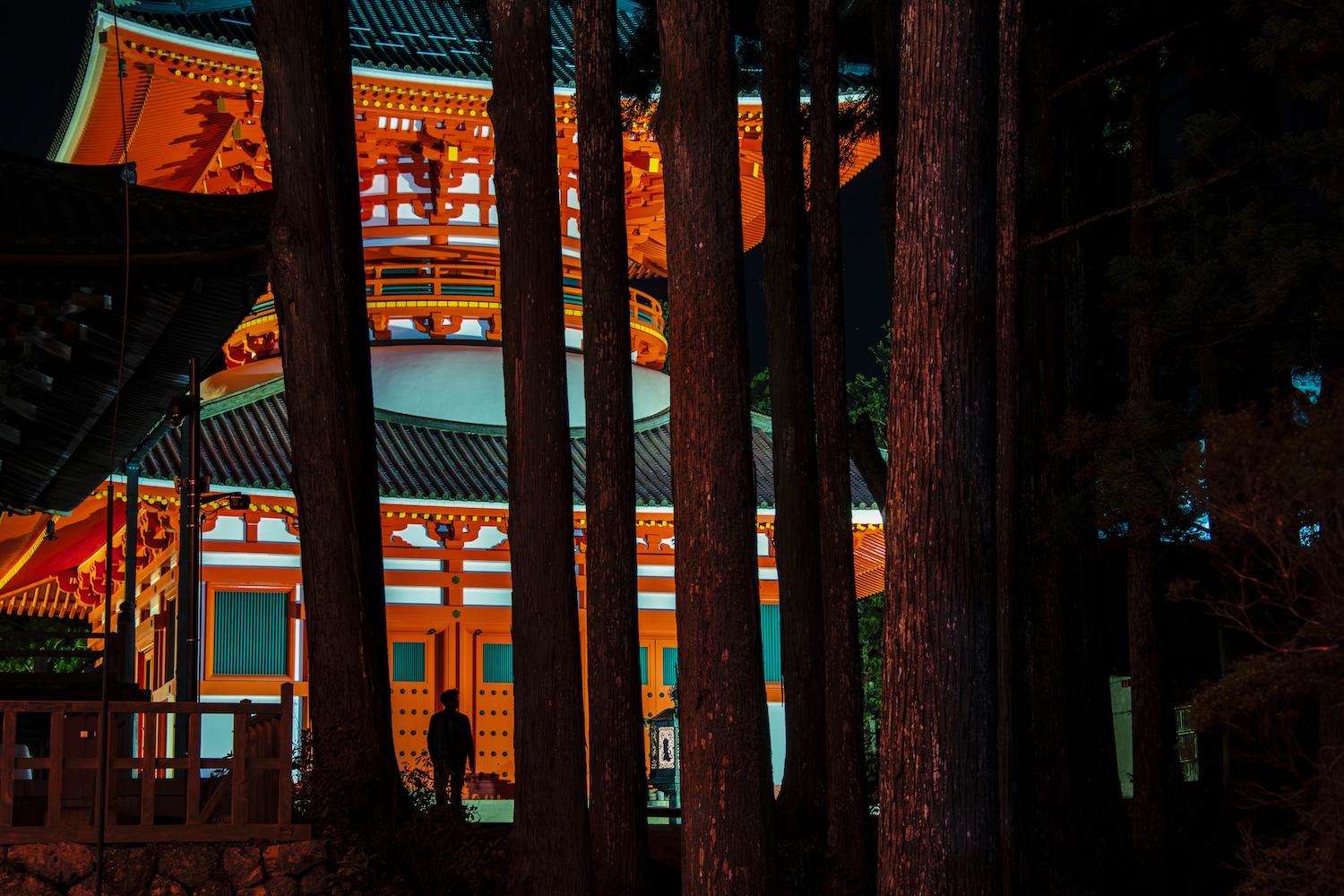
Centered around the towering Konpon Daito pagoda, the Danjo Garan sacred complex is my favorite part of Koyasan. Back when I hiked, it offered an almost overwhelming sense of arrival at the top of the mountain, and even now makes me feel like I am in another time and place. If you stay overnight, make sure to come here early in the morning or after night has fallen, when you may have it all to yourself.
Be real about the rest of Koyasan Town

Just as a Koyasan temple stay itself has some negative qualities, so too is Koyasan Town dubious to a certain degree. For example, in spite of being packed to gills with (and priced for) Western tourists, both the Kongobu-ji central temple and the Reihokan town museum prohibit photography within them. In this and other instances, the amount of stress you endure exploring the town is sometimes not reflected in the rewards you reap from doing so.
(Especially the dining situation)
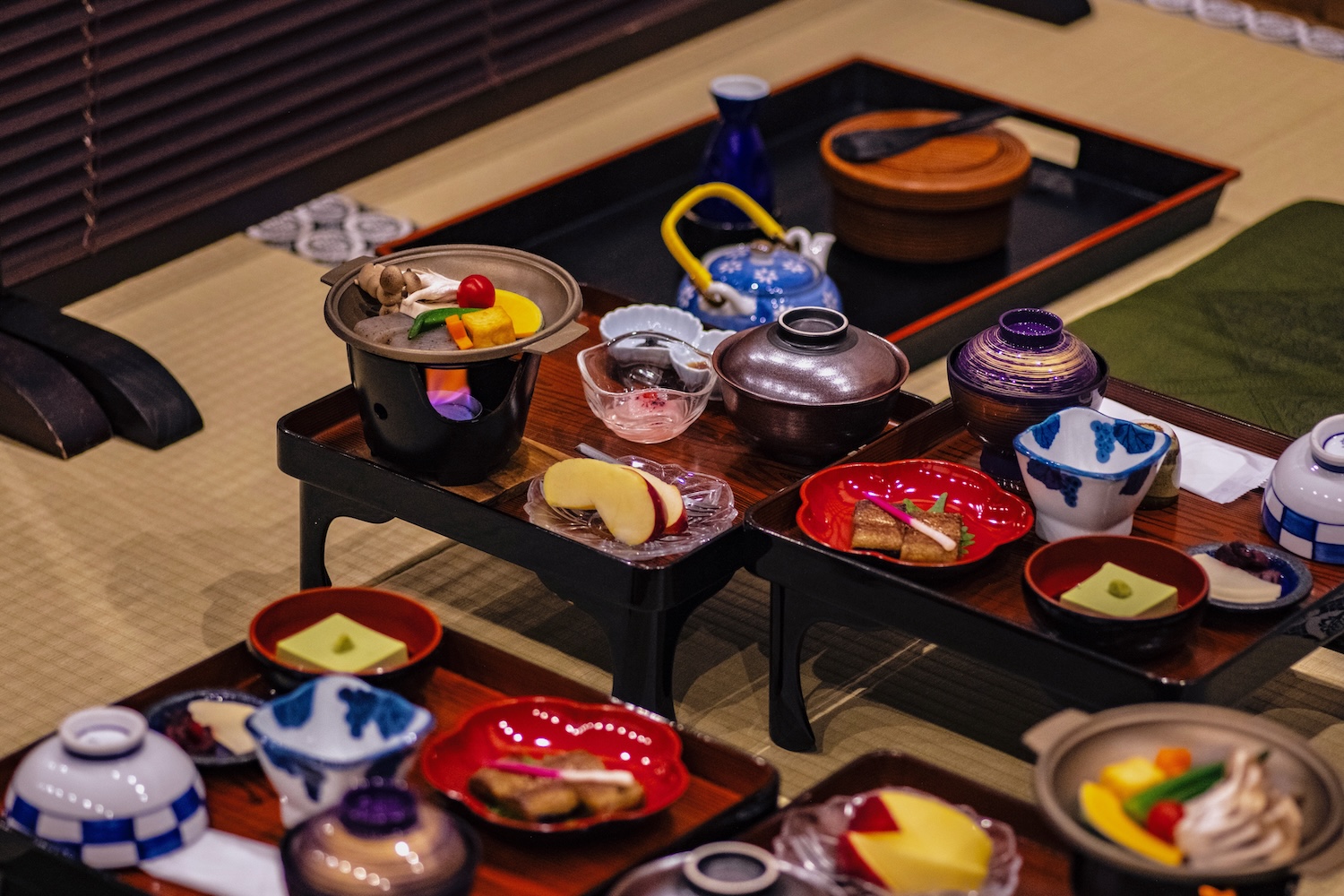
If you do stay in a shukubo, you will enjoy both breakfast and dinner on-site, with meals that spot shojin ryori, a type of Buddhist vegan cuisine specific to Koyasan. Unfortunately, while some of the restaurants in town serve this type of food (and many are wonderful, no matter what you end up eating there), they also tend to be packed, often refusing to allow people even to wait to eat. In other words, finish your guaranteed meals—you don’t know when or if your next will come!
Go to Okuno-in very early or very late
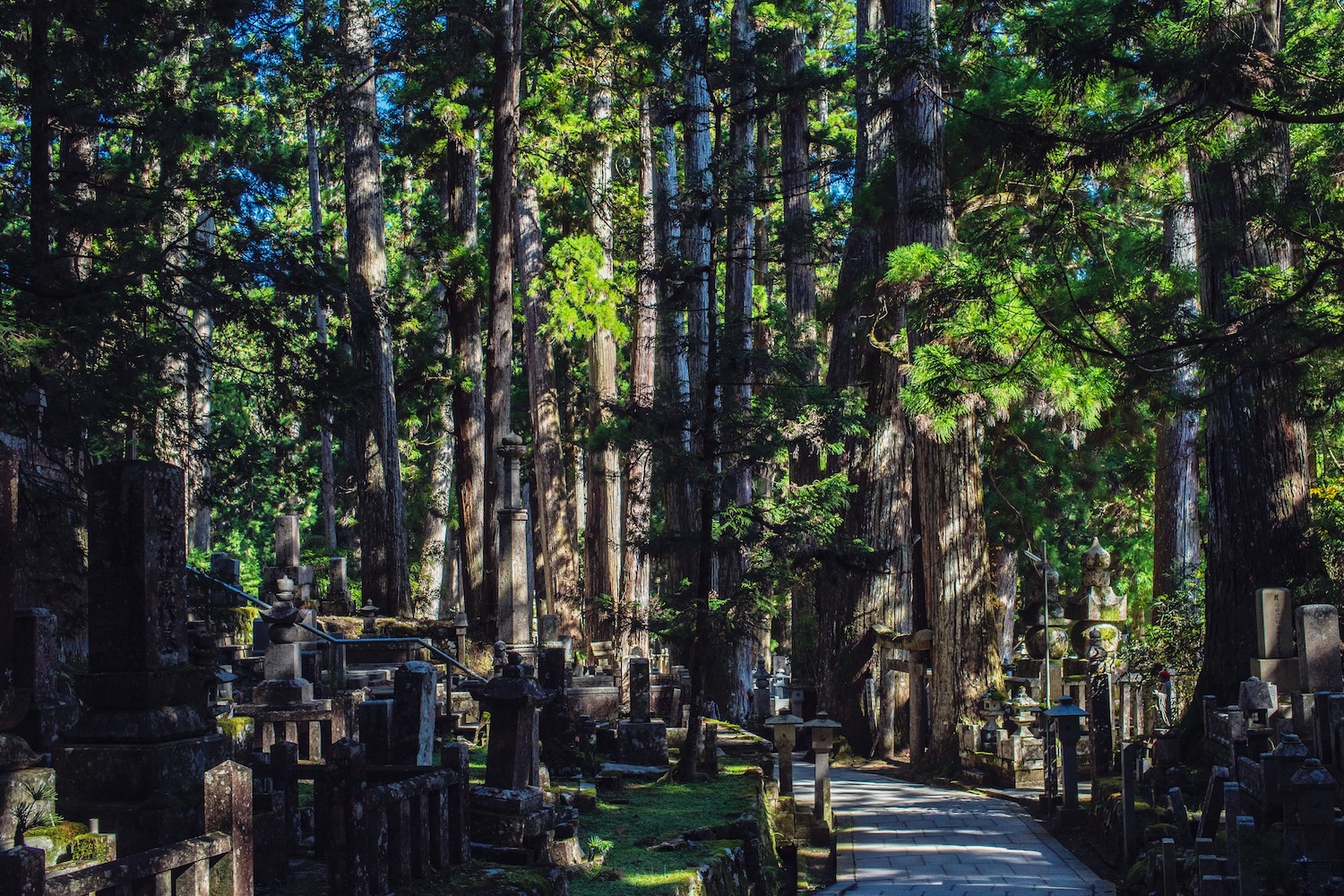
My latest Koyasan temple stay offered a night tour of the Okuno-in cemetery, which I actually signed up and paid for, but opted not to take (I was exhausted and fell asleep early). On the other hand, I did go relatively early the next morning, which meant that it wasn’t totally inundated. As is the case with Danjo Garan and the town more broadly, the cemetery (where Kukai, the monk who founded Koyasan, is interred) is best before day-trippers arrive and after they leave.
Watch the sunset from Daimon gate
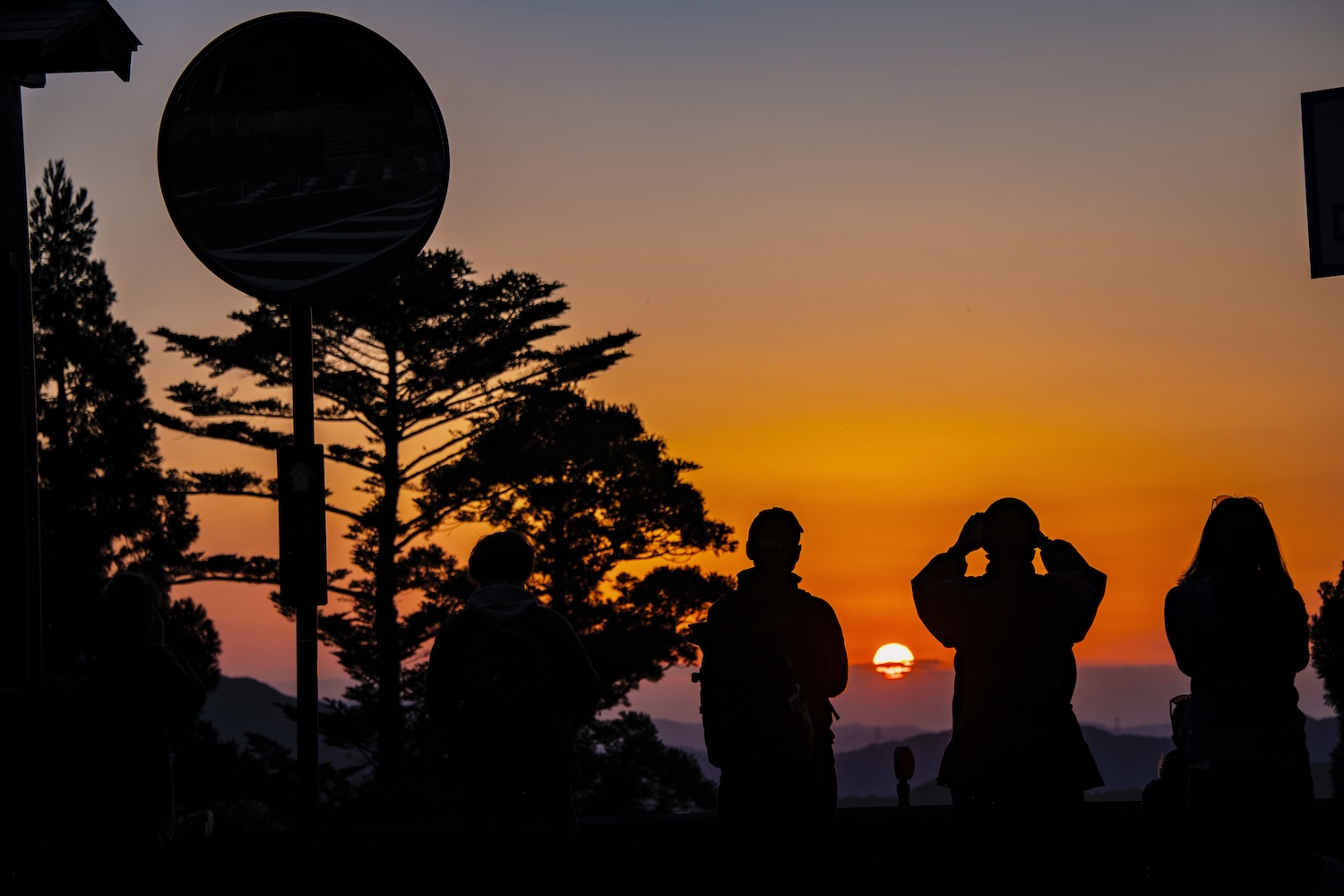
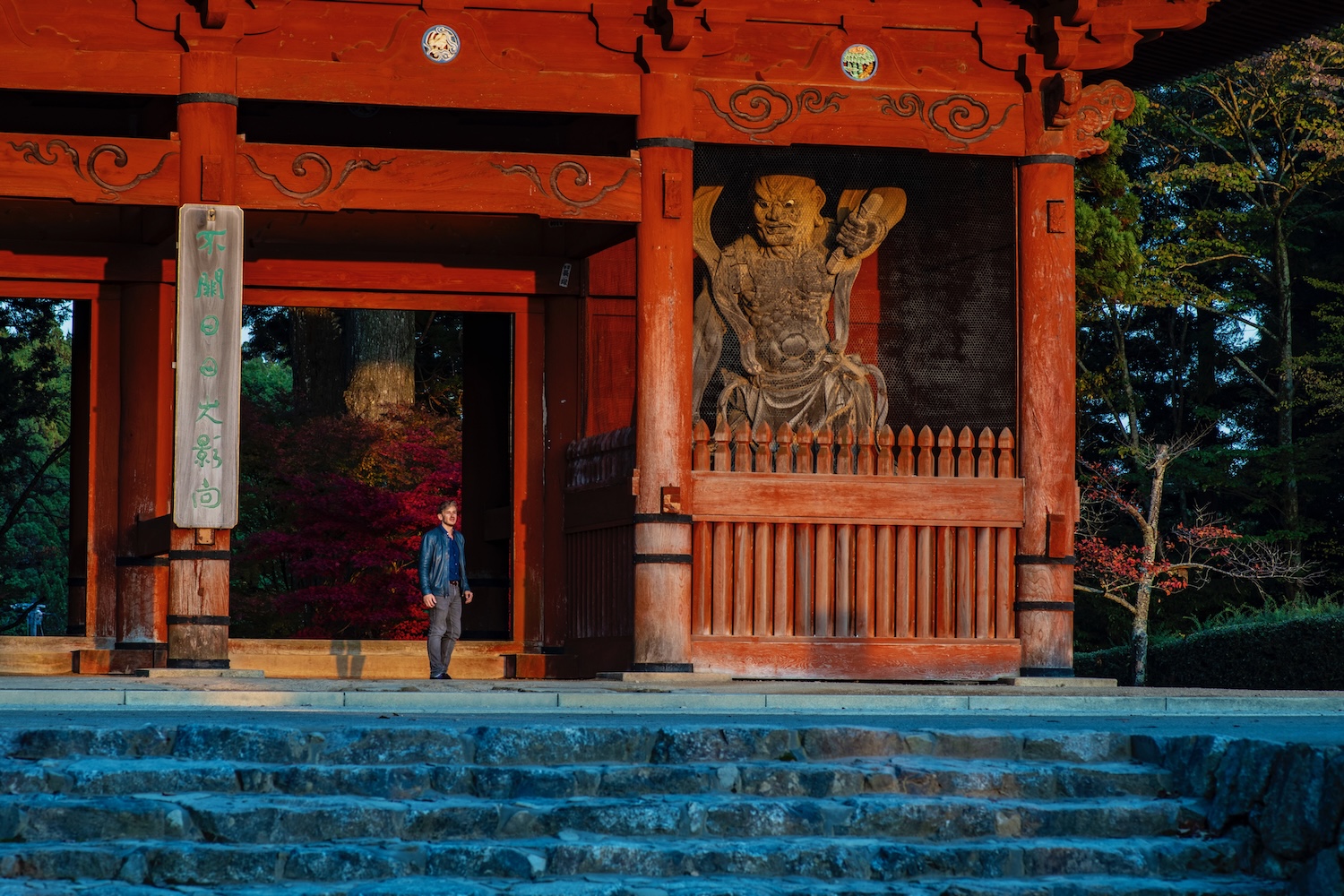
I miss a step earlier—namely, that when I hiked to the top of Mt. Koya in 2018, Danjo Garan was the second place I saw. The first was the aptly-named Daimon gate, which seemed almost surreal (being manmade) after literal hours in the forest. On subsequent overnight visits, however, I’ve found that the gate itself is secondary in beauty and utility to being able to watch sunset from its steps.
How to Get to Koyasan
There are two basic ways to reach Koyasan, whether you come for the day or overnight to stay in a shukubo. The most common way is via Osaka‘s Nankai-Namba Station, from which the Nankai Koya Line will take you to Gokurakubashi Station at the base of the mountain. Here, you can transfer to the Koyasan Cable Car, and from the funicular top station to a bus that will take you in town.
Alternatively, you can hike all the way to the top. While some people will do this via a multi-day trek from the Nakahechi (or central route) of the Kumano Kodo, the easiest way is to get off the Nankai Koya Line in Hashimoto, ride a local train to Kudoyama and hike from there. Note that this is only “easy” in a relative sense: It’s a 7-hour hike at a minimum, which means that you need to leave Osaka (or especially Kyoto) early if you want to reach the top by nightfall.
Other FAQs About Koyasan
Is Koyasan still worth visiting?
Koyasan is an objectively amazing place—I don’t think it will ever cease being worth visiting. With this being said, it’s more crowded than I’ve ever seen it, and prices at its shukubo temple stays are higher than ever. Enjoying Koyasan requires acknowledging these facts in advance, and realizing that it’s a mainstream destination, at this point. Koyasan is not at all “off the beaten path.”
Can I visit Koyasan on a day trip from Osaka?
You can easily visit Koyasan on a day trip from Osaka. Simply ride the Nankai Koya Line (ideally a Limited Express service) from Osaka’s Nankai-Namba Station to Gokurakubashi, then ride the Koyasan Cable Car (which is actually a funicular train) to Koyasan Station. Here, local buses can take you into town in around 15 minutes.
Is Koyasan temple stay worth it?
A Koyasan temple stay, or shukubo, can be worth it under circumstances. If you’re price-conscious, for example, you’ll need to book several months in advance if you want to avoid getting ripped off. Likewise, no matter what price you pay, understand that accommodations are basic, and require even full-fare guests to use shared shower and toilet facilities.
The Bottom Line
Whether or not you end up doing a Koyasan temple stay, I’d still say that visiting the mountaintop marvel in Wakayama prefecture is worth it—you can come here on a day trip from Kyoto or Osaka, going by train and bus the whole way, or even taking an exhilarating hike to the top. Indeed, due to the sheer popularity (and, as a result, increasingly insane price) of a shukubo temple stay, the reality is that this experience is no longer quite as singular as it once was, even though it is of course still very special. Need personalized help deciding whether Koyasan is worth incorporating into your next Japan trip? Consider commissioning a custom Japan itinerary!