


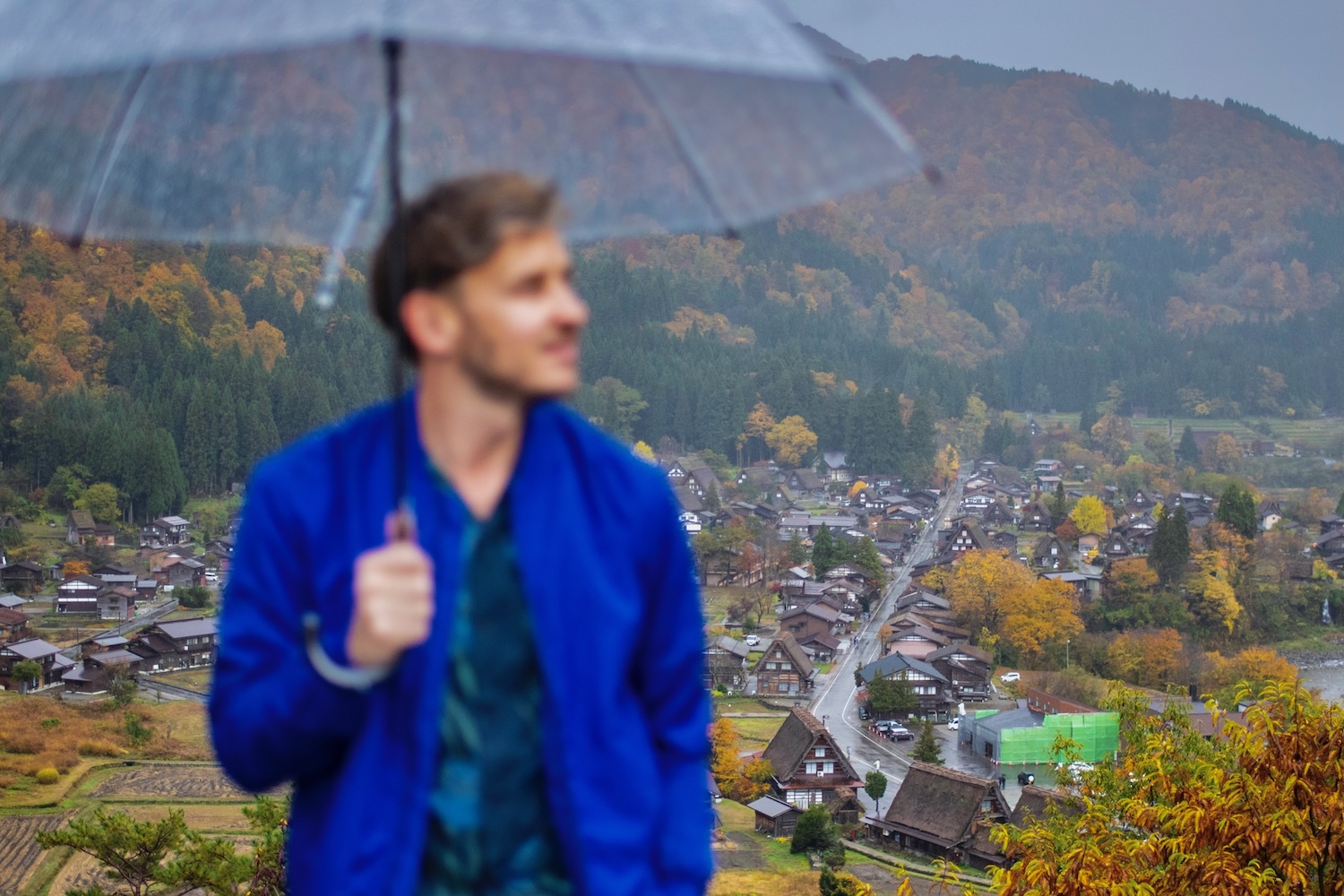
When I first started visiting Japan more than a decade ago, I didn’t think too much about weather. I needed to know whether it would be warm or cold for practical reasons, but I didn’t really care beyond that. If it was rainy I’d carry an umbrella, or just stay inside. I was agnostic to the sky being grey, blue or any other color.
Over the years—and, importantly, not just in Japan—I’ve become extremely sensitive to what the great outdoors are doing when I travel. Frankly, it can often end up being the thing that makes or breaks a trip.
When it comes to weather in Japan, this is both a good thing and a bad thing. It’s (potentially) bad because Japan has unpredictable weather, which is often objectively pretty awful. The good news? Being strategic and proactive can save you both heartbreak and hassle.
My Japan Weather Reality Check
A couple of days before heading to Hokkaido for my first big summer trip there, in 2018, I decided to pull up the weather forecast. I have no idea why I did this. I was walking through a food court in Bangkok, where I was living at the time, and while I was excited for my imminent adventure, it was also the furthest thing from my mind. I ended up being both grateful and regretful for having checked the forecast.
Initially, I felt regretful, maybe even panicked. In spite of July tending to be a warm and dry month in Japan’s northernmost island, it appeared that it would rain literally every single day that I was there. And I’ll be frank: The reality on the ground was every bit this bleak—there were probably less than 12 hours of even partially blue sky during my entire trip. In spite of this wash-out, the level of awareness I’ve had ever since then has greatly improved all of my subsequent travel.
5 Critical Truths About Japan’s Weather
Japanese forecasts are more accurate than your iPhone’s

Seriously: If an accurate weather forecast is important for you as you explore Japan, do not use the Weather app in your phone (even if you use an Android). Instead, use this page on the Japan Meteorological Agency (JMA) website, which is by far the most accurate weather forecast in Japan.
TIP: In Japan, forecasting isn’t just for temperature or precipitation—cherry blossom forecasting is an entire industry. Check out my page first, and then this one, also published by the JMA.
Japan’s summer is misunderstood
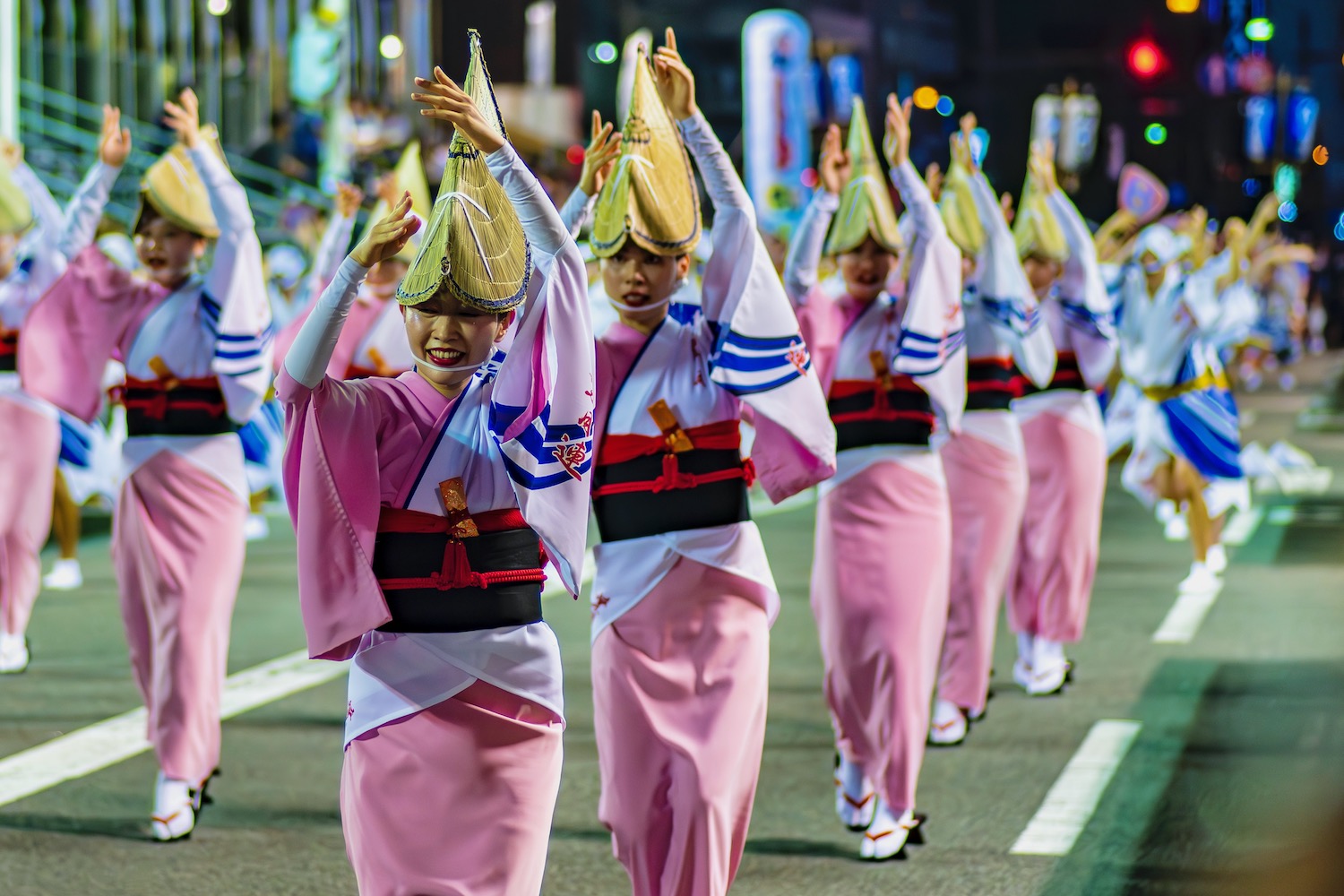
On one hand, most of what people say about the Japanese summer is true: It’s impossible wet to start, and then more hot and humid then you could possibly imagine, and then gets wet again during typhoon season. On the other hand, it’s also when the lion’s share of matsuri (festivals, which are unforgettable) take place.
(So is its winter)

Fun fact: You don’t need to ski to enjoy Japan in winter. Nor do you need to endure cold and snow if you don’t want to (although it’s spectacular here, especially up on Hokkaido island and in the Tohoku and Japanese Alps regions).
Adaptability is key
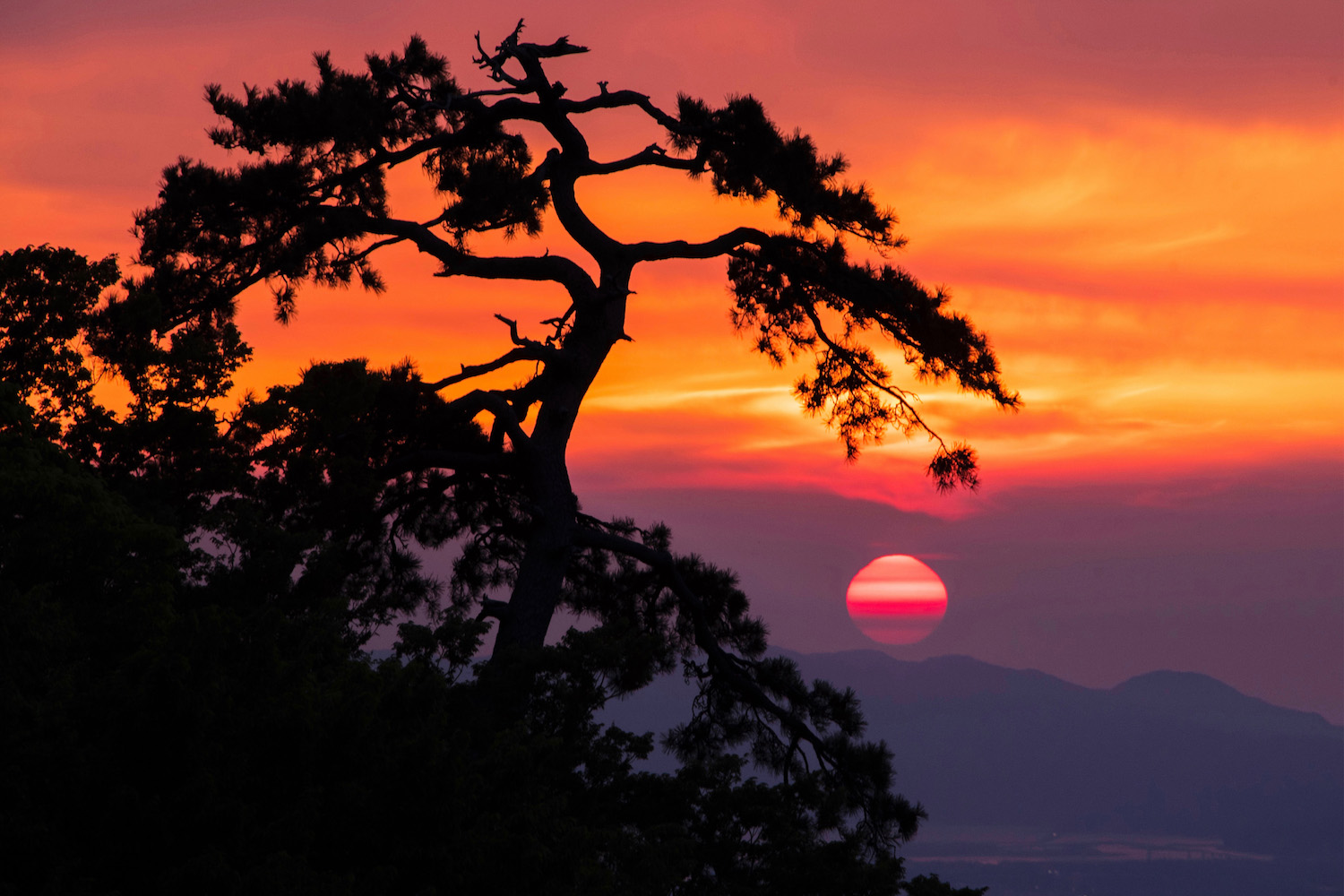
Some people ask me why I so obsessively monitor forecasts (whether for Japanese weather or flowers). “You’re not going to change the weather,” they’ll remind me, as if I don’t know. But knowledge is power, and can enable you to make the weather work for you, not against you. For example, if you’re visiting in June and have a day you know you’ll get rained out, go to Japan’s largest iris park—ayame are at their best in the rain. On the flip side, don’t even bother going to Mt. Fuji unless this forecast says you should.
Many Japanese destinations are spectacular in any weather

To be honest, I’m significantly more neurotic about weather than you likely are. My photography needs force me to be persnickety about blue skies and flowers in full bloom, never mind that fact that rain can literally destroy my equipment. Indeed, unless you demand quite as much perfection as I do, it’s unlikely that even the worse weather will ruin your trip to Japan. Even an actual typhoon, which I have experienced before, more than once in fact.
How Japan’s Weather Affects Your Packing List
What clothes should I pack for Japan? This is a common question I receive, both from my custom Japan itinerary clients, as well as from ordinary travelers who email me. In general, I recommend a flexible approach. If you’re traveling in spring or autumn (my two favorite seconds), having a thin thermal layer (such as one of the HEATTECH options offered by Japan’s own Uniqlo) frees you up to wear a variety of tops and bottoms and relatively light jackets, without fear of getting too cold.
In winter, of course, you’ll definitely want to pack at least one thick coat, plus gloves, winter socks and boots; in summer, lightweight shirt and pants (and, for ladies, dresses and skirts) are the name of the game. Precipitation-wise, Japan tends to be an umbrella country rather than a raincoat one, though I always recommend wearing waterproof footwear as an insurance policy against wet weather.
Other FAQ About Weather in Japan
What is the best weather month to visit Japan?
If you’re looking solely at weather (and don’t necessarily care about other seasonal phenomena, such as cherry blossoms or autumn leaves), then I generally prefer “shoulder” months like May and October, which see warm and mostly clear weather throughout most of Japan. However, if you’re agnostic to crowds and don’t mind the thrill of the chase, then I love early April and late November, when sakura and koyo reach their peak, respectively.
What is Japan’s weather like year-round?
I would describe Japan’s weather as generally being warmer than most travelers would expect (specifically, warmer than other destinations at its latitude), but also wetter than they’d like, with a surprisingly high number of typhoons in summer, and plenty of rain and/or snow throughout the rest of the year. Japan’s weather isn’t bad, but it can be highly variable, and requires flexibility and adaptability.
What is Japan’s coldest month?
Japan is at its coldest in about late January to early February, which is also its peak snow period. However, depending upon where you are in Japan, you can experience freezing temperatures as early as October and as late as May. By contrast, most of Japan tends to get warm earlier in the spring than you might expect, and stay warm later into the autumn that destinations at similar latitudes as well.
The Bottom Line
Weather in Japan can make or break your trip. I say this from experience—getting rained out unexpectedly on one of my first visit to Japan (which, according to forecasts, should’ve been dry and sunny) nearly ruined both that trip, and my impression of Japan’s weather in general. The good news? Having now spent literal years of my life in Japan, I can say that the country’s weather is no worse than weather anywhere else in the world. Even better, if you remain strategic and flexible, you can pretty easily deflect the worst consequences of even the most terrible climactic conditions that could befall you. Need personalized help planning your trip? Commission a custom Japan itinerary today!