


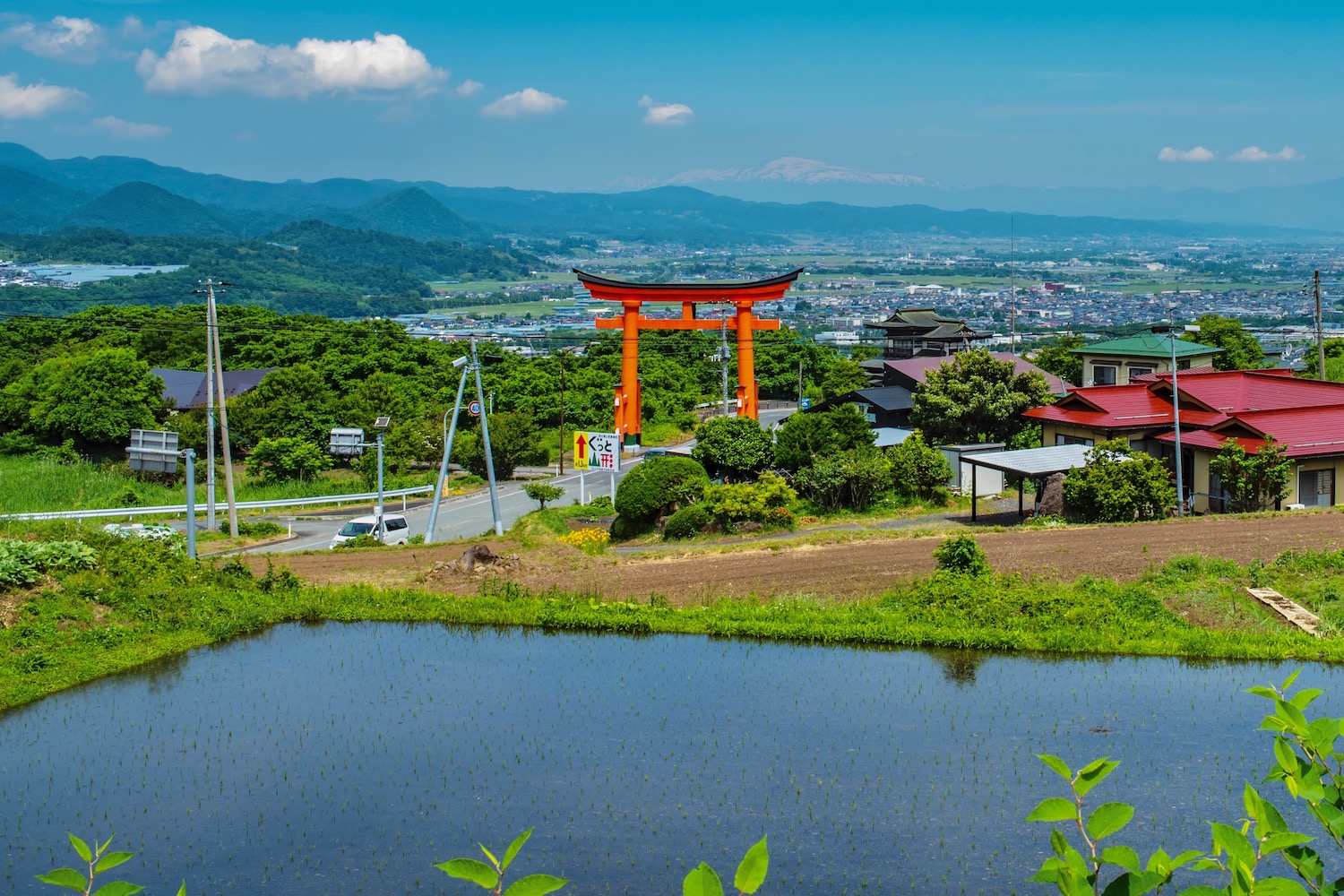
Whenever one of my private trip planning clients asks me about visiting northern Japan, I briefly summarize how they can choose (or rather, how I would choose) between Hokkaido or Tohoku.
“Tohoku,” I’ll explain crudely, “is like the scenery of Hokkaido, with the culture, history and architecture of areas further south in Honshu. Japan’s ultimate sweet spot, in many ways.”
However, I’ll continue, this doesn’t necessarily mean that Tohoku is the “bigger” option. You need to consider so many other factors: The time of year you plan to visit; the activities you want to engage in; how long you have to play with; and even whether you’re open to renting a car or not. Oh, and you also need to read this article!
I Consider Tohoku and Hokkaido “Cousins”
I compare Hokkaido vs Tohoku a lot in my own mind, and not just in onboarding calls with client. This is often for the same reason: The two regions are right next to one another; in ways both superficial and deep, they have a lot in common. There’s also another reason personal to me—namely, that it was my first winter trip to Tohoku (in 2019) that largely counteracted my first winter trip to Hokkaido (which had taken place in 2015) and made me want to take another stab at it.
Ever since then, and in all seasons, I’ve found that I often re-visit Tohoku shortly after visiting Hokkaido, or vice-versa. While I generally prefer the former for some things and the latter for others, I think they’re both spectacular parts of Japan to visit—especially if you’ve spent some time in the country and are good at noticing and appreciating subtleties. This sounds like a cop-out, but I think you should see both at some point, if you can.
Ways to Compare Hokkaido with Tohoku
Getting there and around
Tohoku is home to several stations with direct Shinkansen connections to Tokyo, including Sendai, Morioka, Yamagata, Akita and Shin-Aomori Stations. Accessing Hokkaido, by contrast, requires taking much slower Limited Express trains from Shin-Hakodate-Hokuto Station, the northernmost bullet train station in Japan. Once you’re there, most Tohoku destinations can be accessed via local trains; in all but a few areas of Hokkaido (between and just around the Sapporo-Asashikawa corridor), a rental car is indispensable.
Landscape and weather
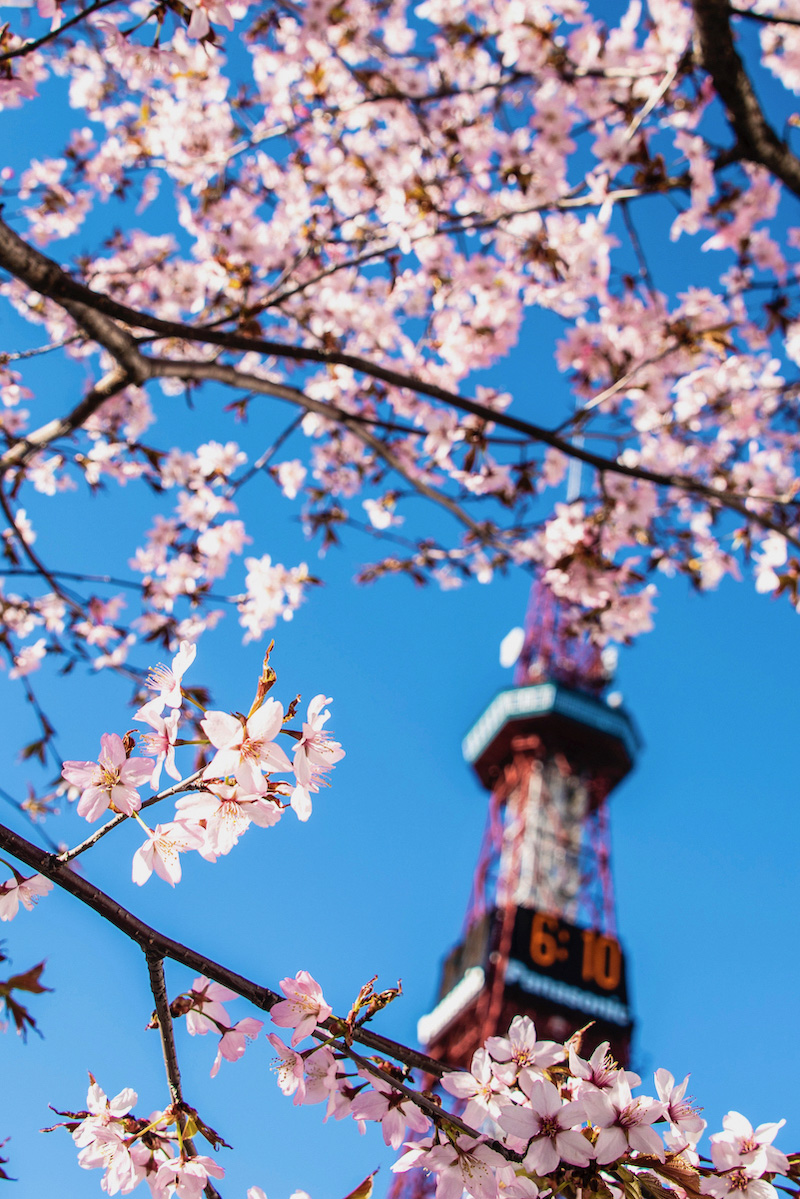
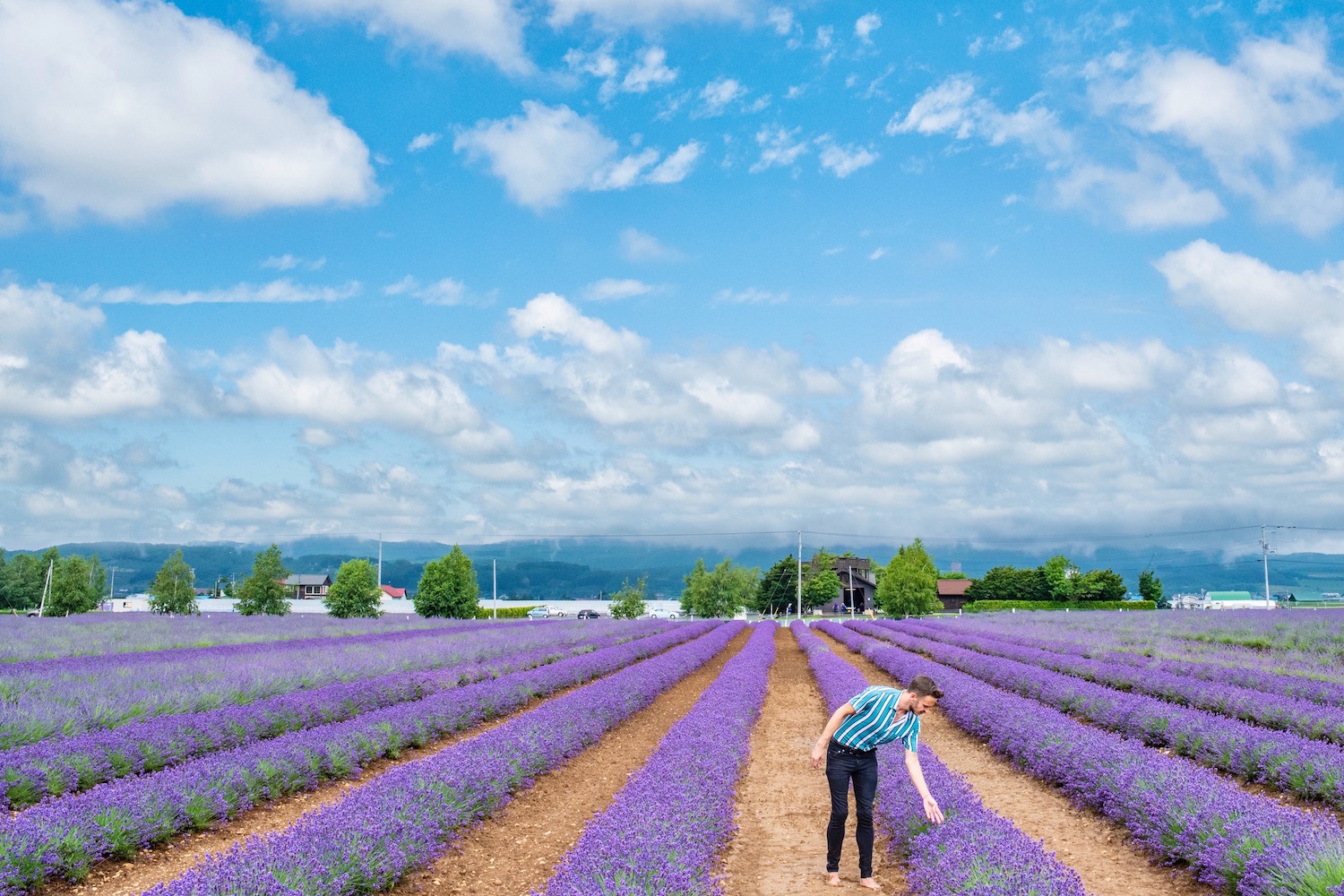
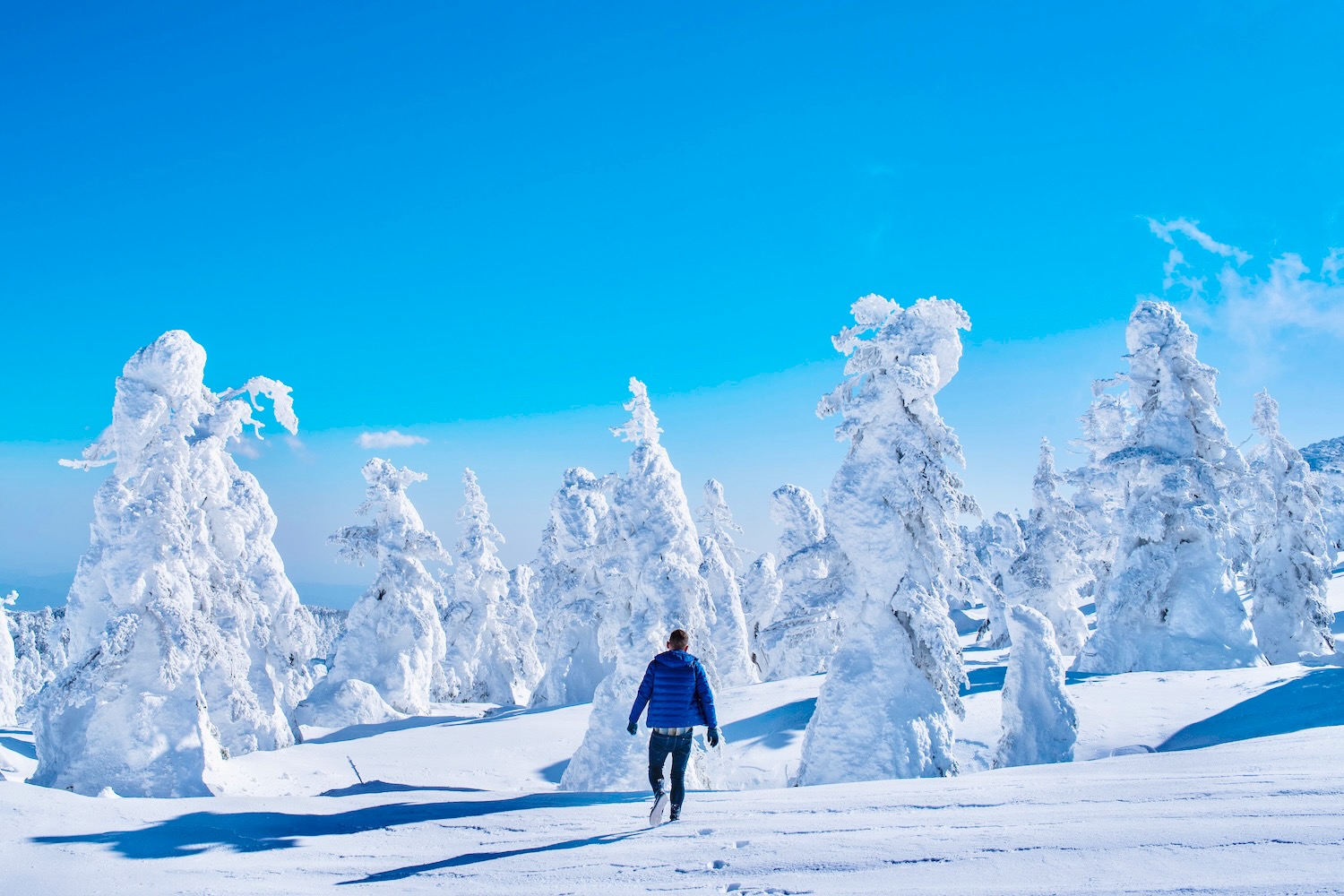
Both Hokkaido and Tohoku feature cooler climates than Tokyo, with plenty of snow in the winter, earlier autumn colors (and later cherry blossoms) and summers that are at least somewhat milder. Landscape-wise, both regions are some combination of mountains, volcanic lakes and dramatic (but mostly non-swimmable coastlines); for me, the most impressive natural features of each include Lake Towada, Matsushima Bay and Jodogahama Beach in Tohoku, and the lavender fields of Furano and Rishiri and Rebun islands in (or, in the case of the islands, just north of) Hokkaido.
Culture (or lack thereof)
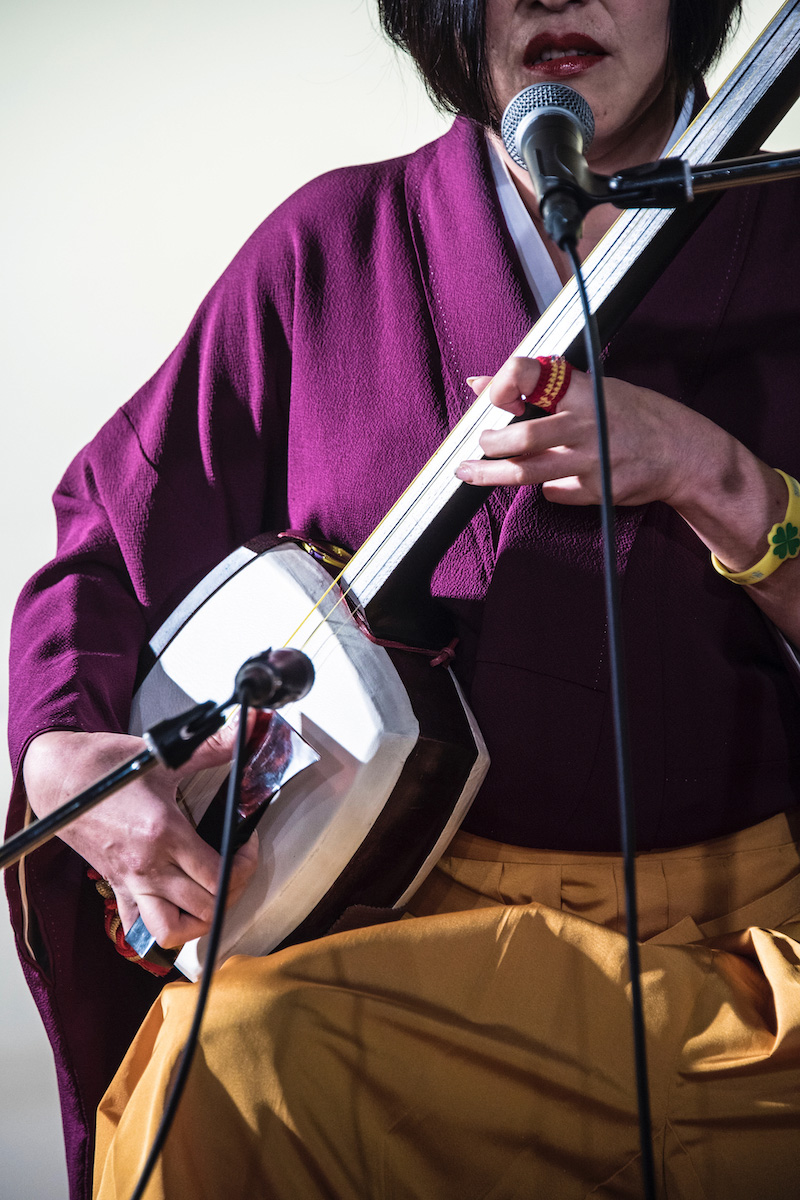
It’s not accurate to say Hokkaido has no culture—whether you eat your way through Hakodate Morning Market, or visit the Upapoy National Ainu Museum in Shiaroi, you can definitely experience cultural wonders in Hokkaido. The thing is, they’re just so much more widespread in Tohoku, whether that’s in historical towns like Hiraizumi in Iwate prefecture, or Akita’s Samurai village of Kakunodate; or the Geisha district of Yamagata’s underrated Sakata port or Hachinohe, which in addition to all its natural beauty is home to one of Japan’s oldest sake-making traditions.
Seasonal spectacles
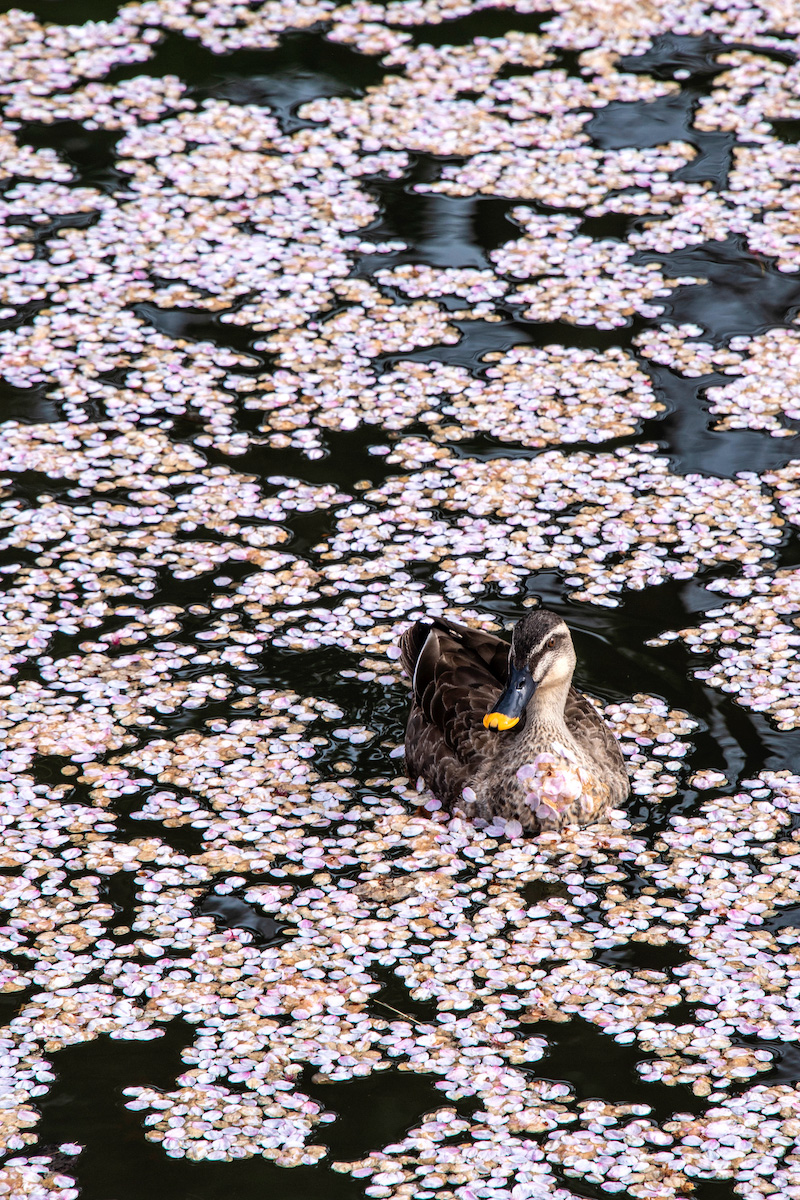
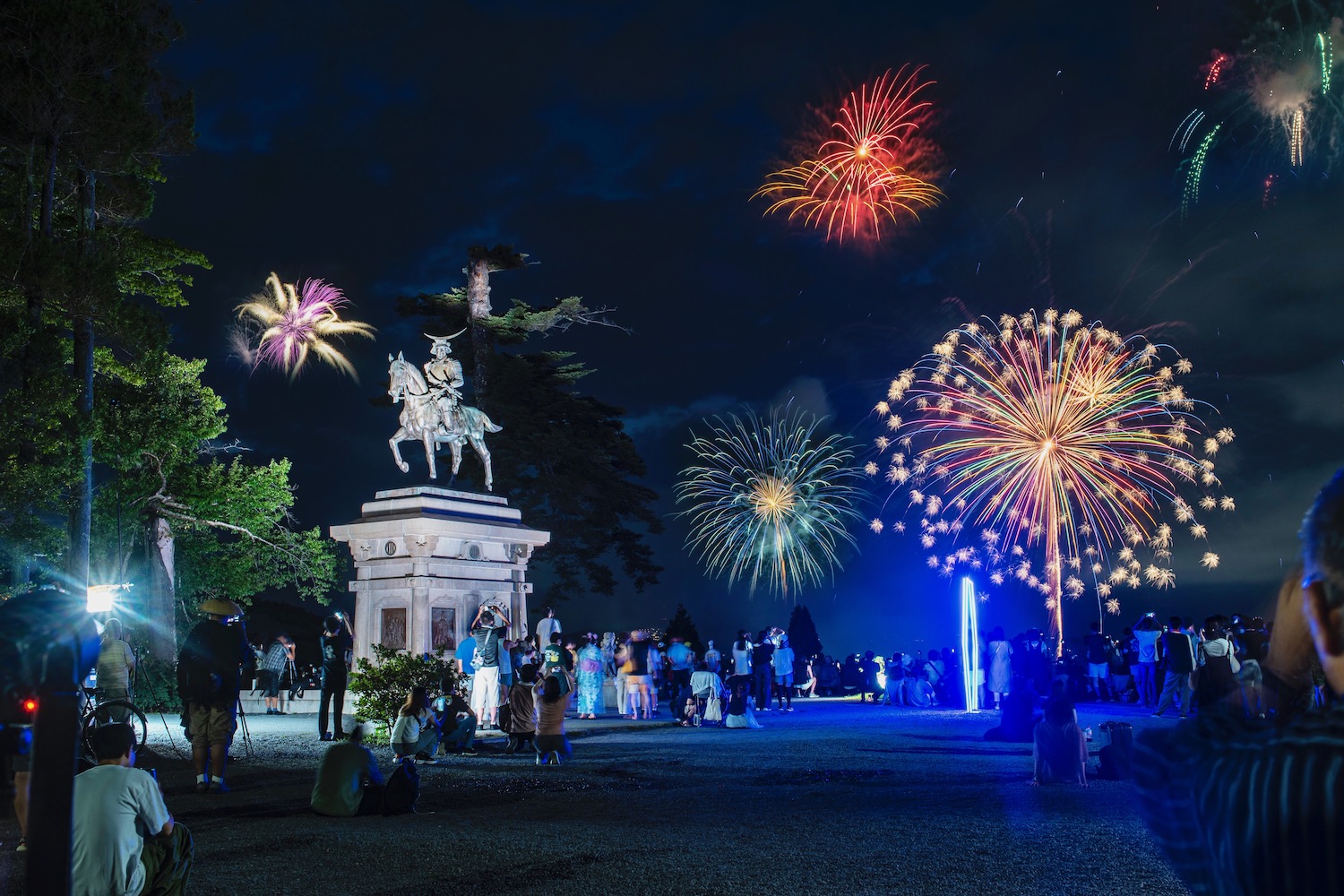
Comparing Tohoku or Hokkaido on this front yields a wealth of options. As is the case with culture, I’d say that Tohoku wins out over Hokkaido both when it comes to autumn colors and cherry blossoms—the aforementioned Lake Towada and superlative Hirosaki Castle are better than any corresponding destination in Hokkaido. Another seasonal “spectacle” where Tohoku excels? Summer matsuri—there are over half a dozen. Even if you only visit the best-known ones in Aomori and Akita, you’ll leave amazed. Hokkaido’s main singular seasonal appeal, not surprisingly, is skiing in Niseko.
Food
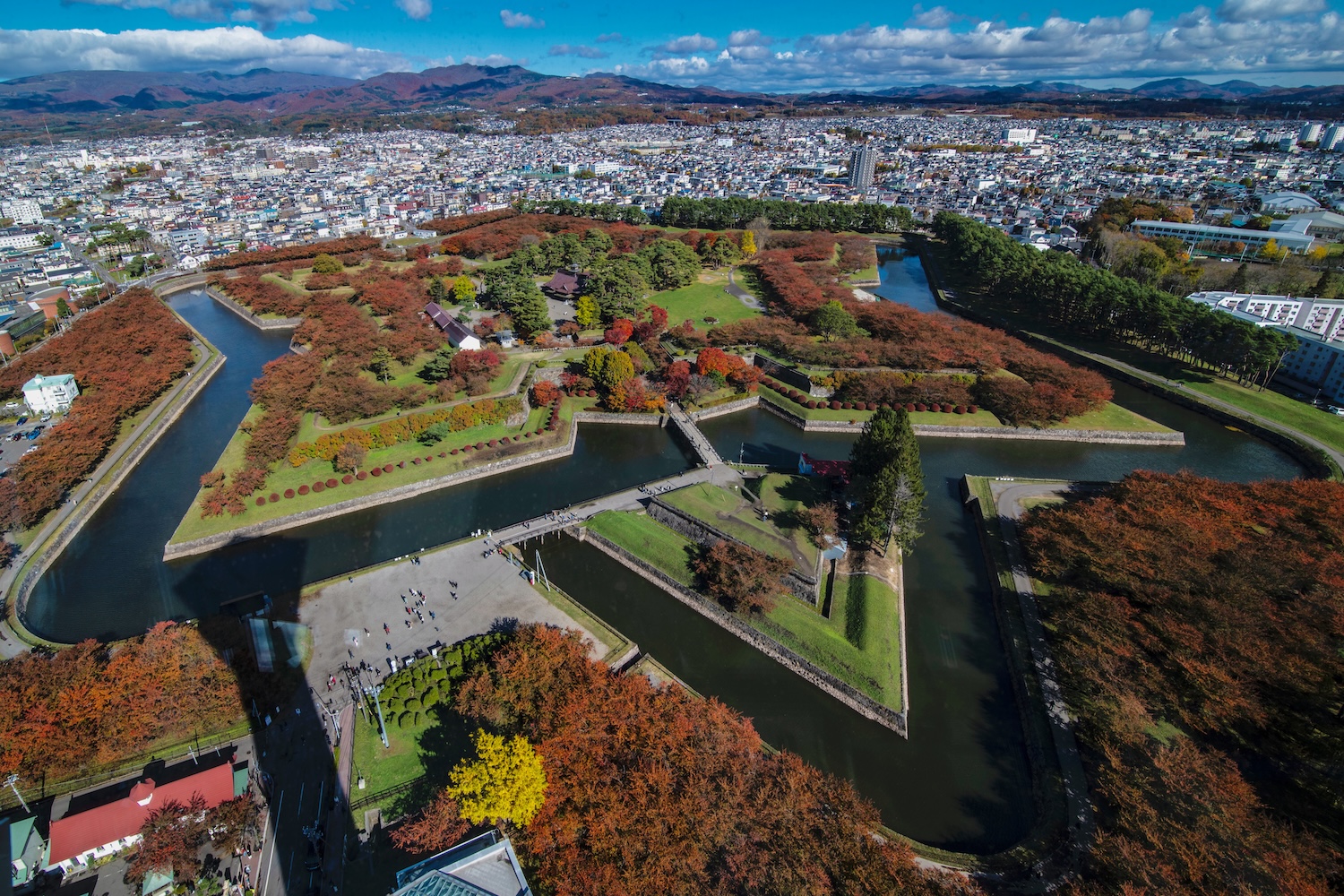
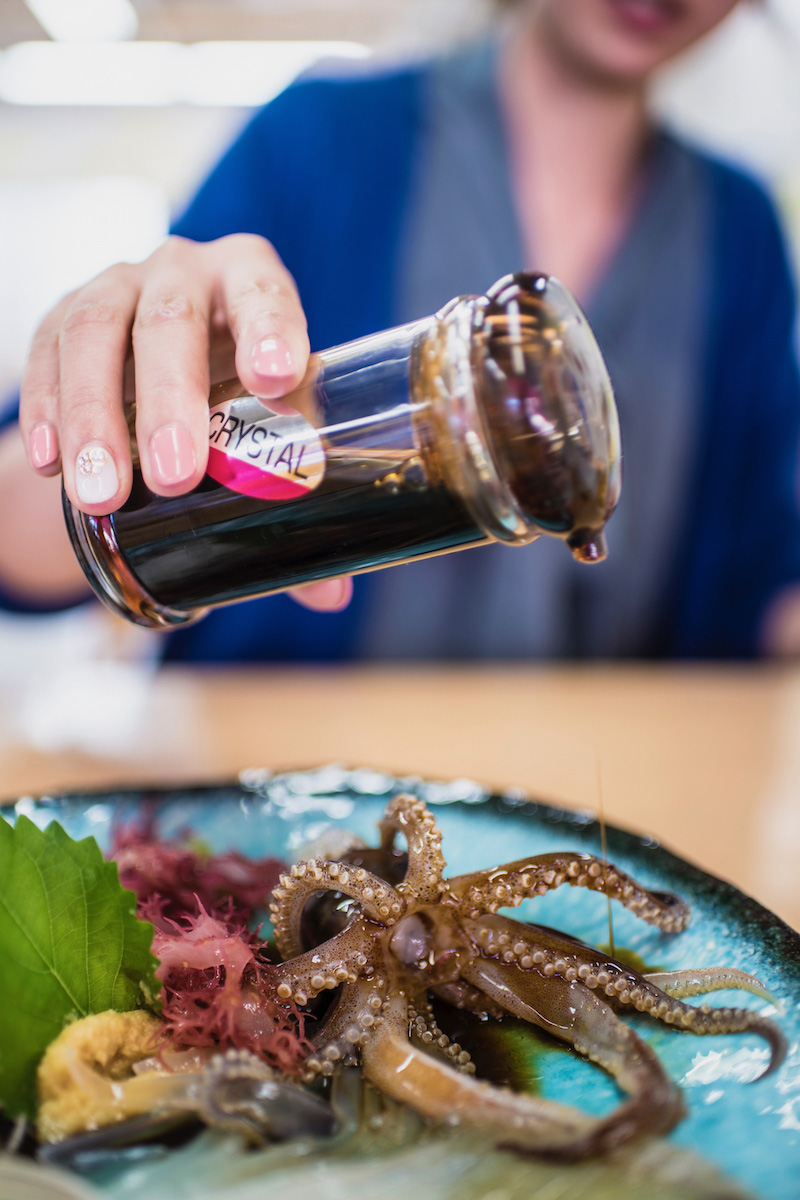
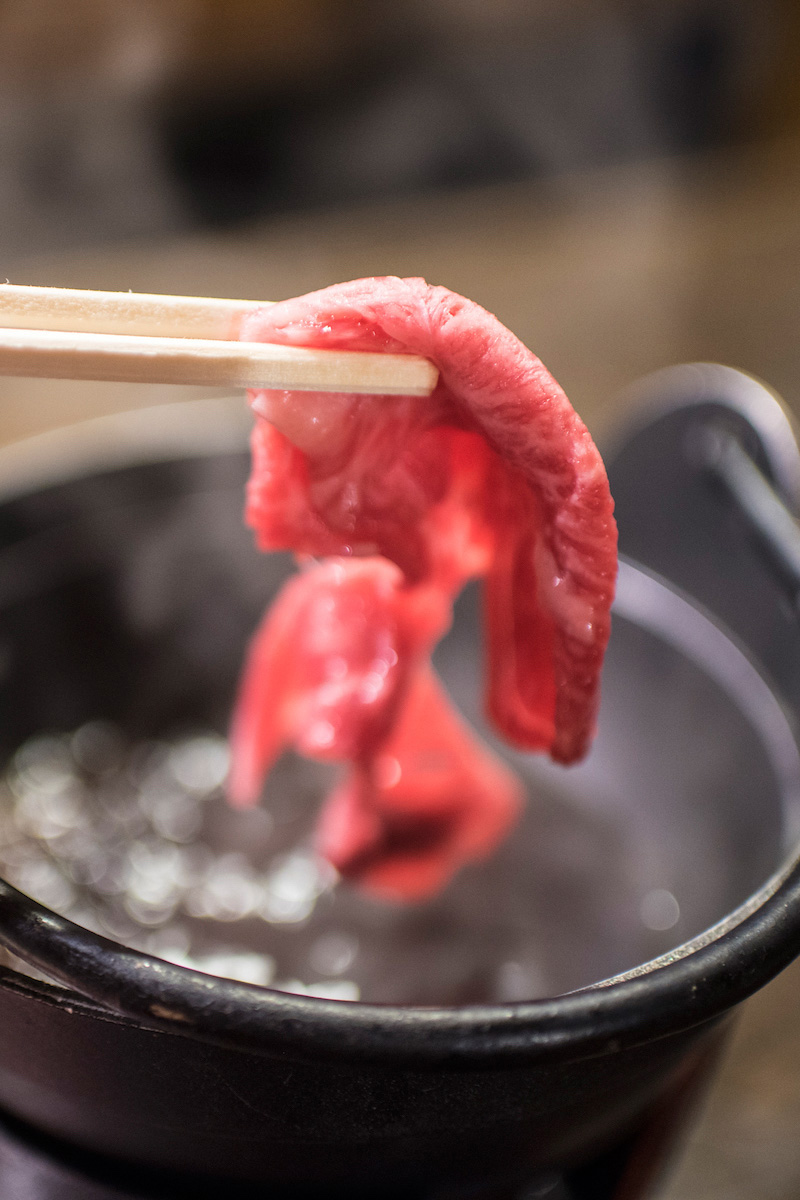
I references some food earlier—namely, Hakodate Morning Market and its controversial “dancing squid” bowls. Beyond this, however, both these areas of northern Japan are culinary powerhouses. Some of the dishes might seem random, such as cold reimen noodles (which are actually Korean-inspired) in Morioka, or Hokkaido milk ice cream, which may just be the richest and most flavorful in the entire world. In other cases, famous foods are more classic staples, with Hokkaido in particular an amazing hub for seafood like kani (crab) and uni (sea urchin). Over the Tsugaru Strait in Aomori, meanwhile, is another seafood paradise (the Aomori Gyosai Center), as well as a rich heritage of apple cultivation, centered around the town of Kuroishi.
How Long Should You Spend in Northern Japan?
Northern Japan is one of the most spread-out parts of the country which, especially in Hokkaido (where not a single mile of Shinkansen track has been laid past Hakodate), means that it takes much longer to get places. While a few days can be enough to explore even large cities and regions elsewhere in Japan, you really need a minimum of 5-7 days to cover even a modest amount of ground in Tohoku or Hokkaido.
Echoing something I said earlier, if you want to compare Tohoku vs Hokkaido on this front, you should ask yourself whether or not you are comfortable renting a car. This will be especially helpful in Hokkaido, and allow you to see more places (and, importantly, to cover ground more efficiently) no matter how long you end up having. This is especially the case if you plan to explore destinations between and around Sapporo and Asahikawa.
Other FAQ About Tohoku and Hokkaido
Which is better to visit, Hokkaido or Tohoku?
I generally recommend visiting Hokkaido if time in nature (and especially skiing) is your priority, while Tohoku tends to blend culture and architecture better with its scenery, which is admittedly also very spectacular. If you can, of course, I suggest visiting both of these amazing parts of northern Japan.
Should I visit Aomori or Hakodate?
I personally find Hakodate to be a much more compelling city than Hakodate, though the picture complicated if you include destinations accessible by day trip. This is because Aomori is home to amazing spots like volcanic Lake Towada, the historical city of Hirosaki, the wild Shimokita Peninsula and underrated Hachinohe, to name just a few nearby destinations.
How can I get from Tohoku to Hokkaido?
Technically, you can ride a Shinkansen Hayabusa train from Tohoku (major stations like Morioka and Shin-Aomori Stations) to Shin-Hokadate-Hokuto Station on Hokkaido island. For anywhere north of Hakodate, however, you’ll need to transfer to a much slower Limited Express train.
The Bottom Line
When deciding between Hokkaido or Tohoku, there is no “wrong” answer. Hokkaido is Japan’s great (and, at least in winter, white) north, with some of Japan’s (and the world’s) best skiing, and a bevy of activities and attractions even for people with no interest in hitting the slopes. Tohoku, meanwhile, has more typical Japanese culture and architecture, whether you’re running scared from the Namahage on Akita’s Oga Peninsula, or exploring uncrowded temples and shrines in Hiraizumi south of Morioka. Need personalized help planning out the details of your northern Japan adventure? Commission a custom Japan itinerary today!