


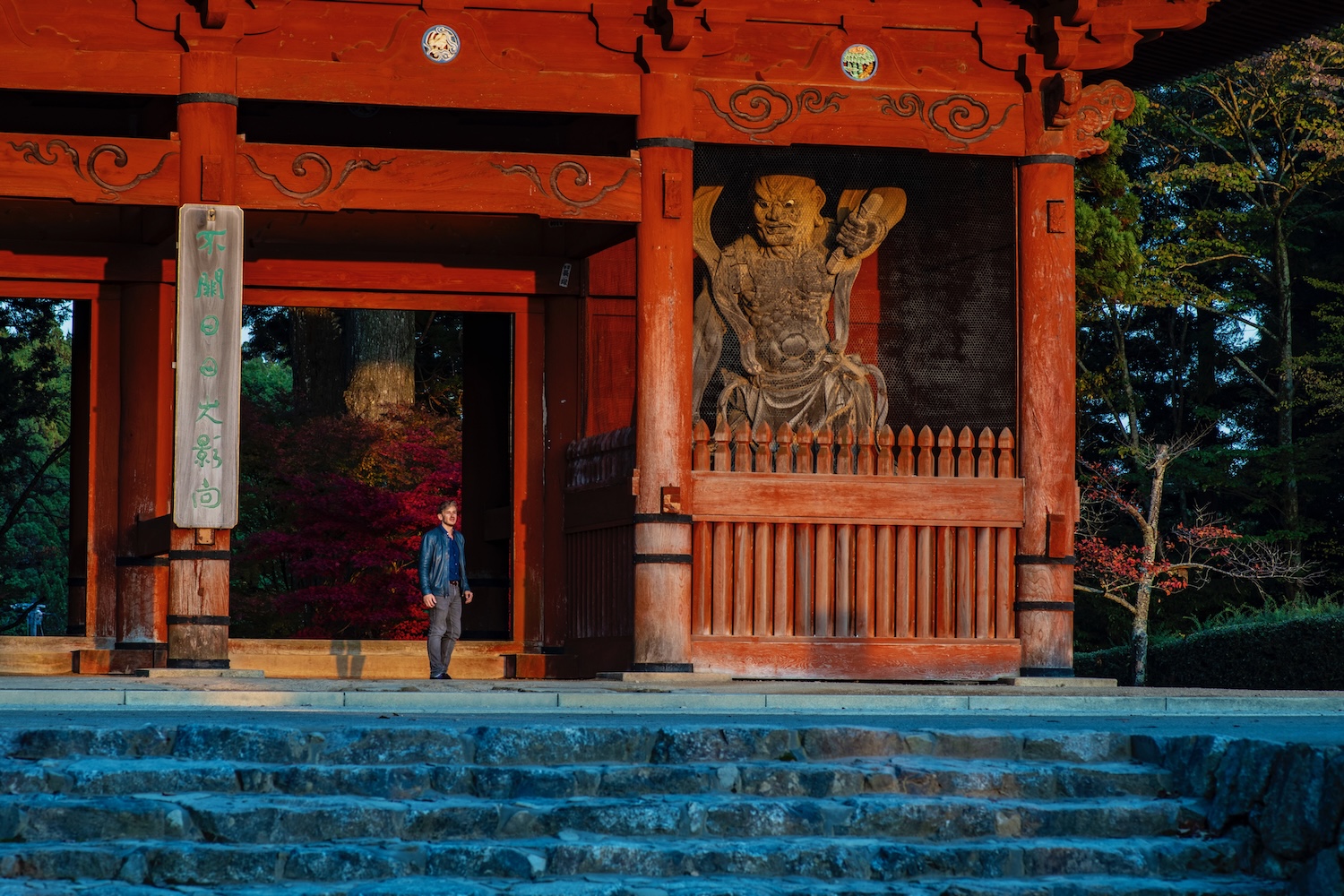
Wakayama is the most overlooked prefecture of Japan’s Kansai region—and that’s not necessarily a bad thing. As (mostly dubious) discussions about “overtourism” mount, it’s important that there are places where it’s simply irrelevant.
Well, mostly irrelevant: Wakayama, like much of the rest of Japan, has seen steady growth in the number of visitors who wander its formerly unbeaten paths.
To this end—I’m using the word “path” intentionally—I want to compare the Koyasan vs Kumano Kodo pilgrimage routes which, over the past decade or so, have gone from being barely-visited backwaters, to increasingly popular destinations. Here’s how to to decide between on your next trip.
Koyasan and the Kumano Kodo: Getting There and Around
Once of the main deciding factors between Koyasan or Kumano Kodo? How long you have to spare, and your tolerance for a long journey there and back. With Koyasan, for example, a single train from Osaka can take you about 95% of the way there; you simply need to ride a funicular cable car and a bus the rest of the way. This is why Koyasan has become a popular day trip destination from Osaka, Kyoto and beyond.
Accessing the Kumano Kodo is a bit more complex. If you plan to hike, you typically need to ride a Limited Express train at least three hours from Osaka to Kii-Tanabe Station, where you’ll spend the night before riding a bus to the trailhead. This means an extra travel day before beginning a 2-3 day hike. In addition, once you finish in Shingu, you’ll need around half a day to get either back to Osaka, or continue onward to Nagoya.
Ways to Compare Koyasan with the Kumano Kodo
Scope of destination
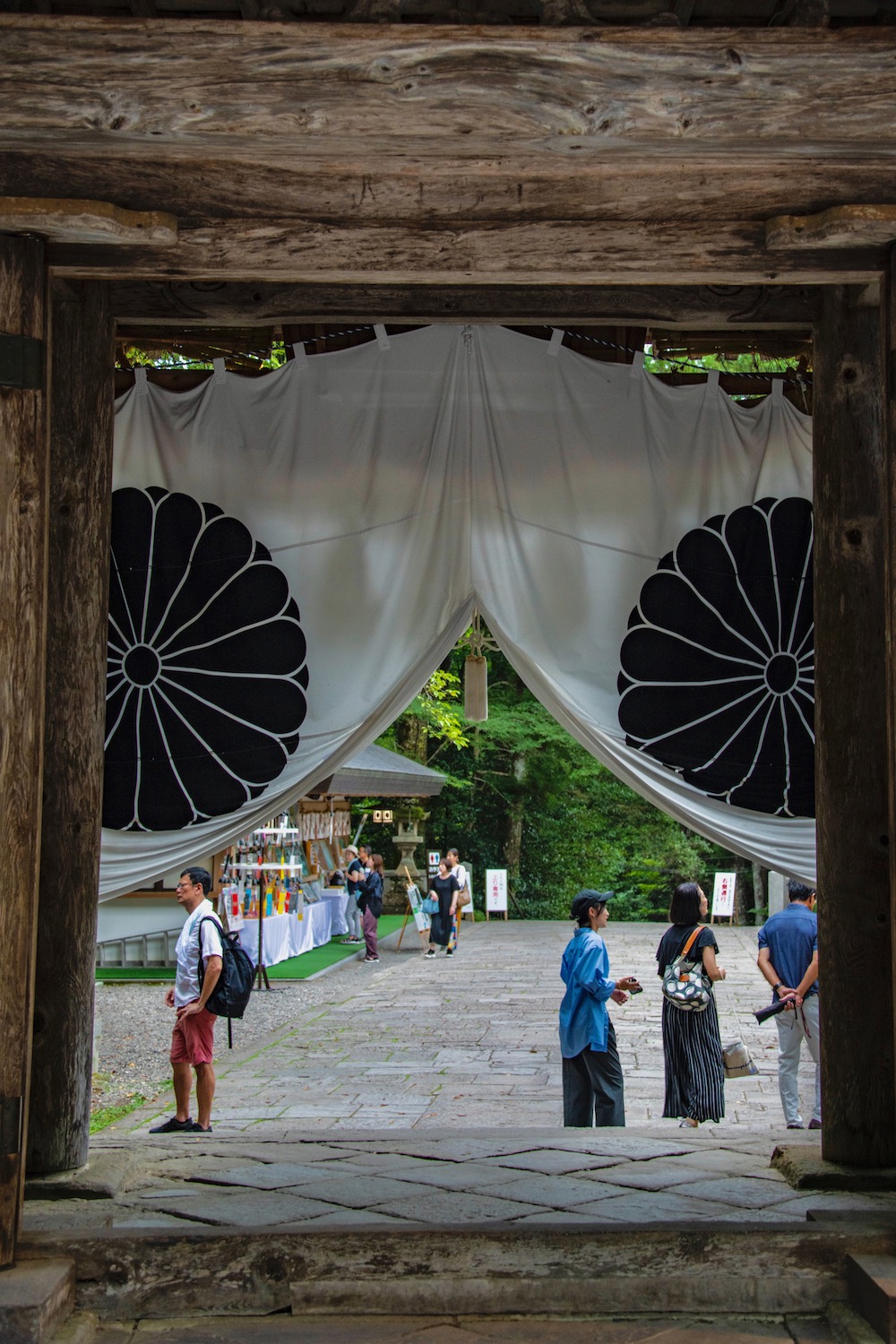
Although its name literally means “Mt. Koya,” Koyasan as a destination is basically Koyasan Town and Okuno-in cemetery, if you don’t count the hiking trail that leads from Kudoyama Station to Daimon gate (more on that in a second). By contrast, the Kumano Kodo is a vast network of trails, as well as towns like Hongu and Chikatsuyu, and arguably even cities like Shingu and Tanabe.
Culture
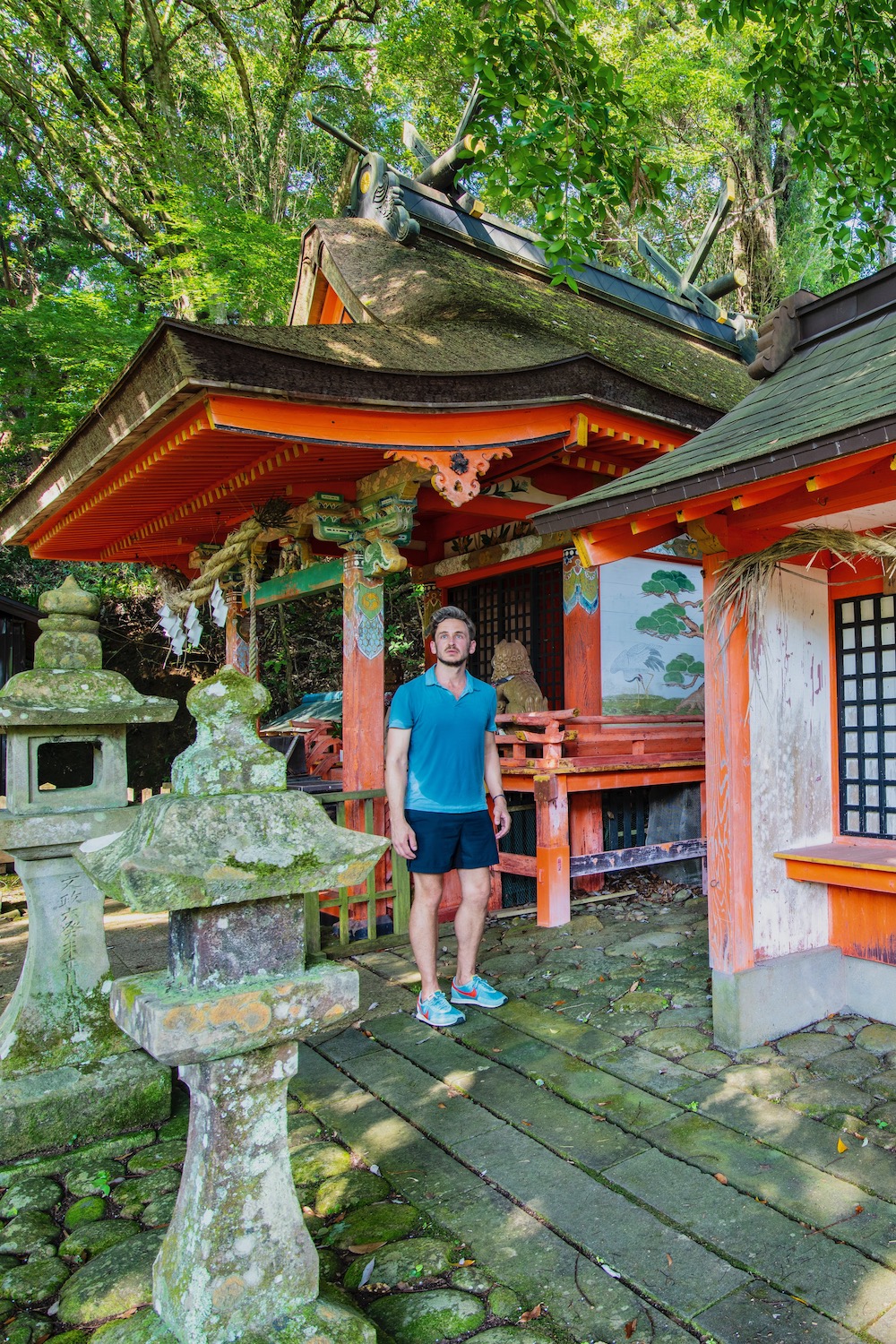
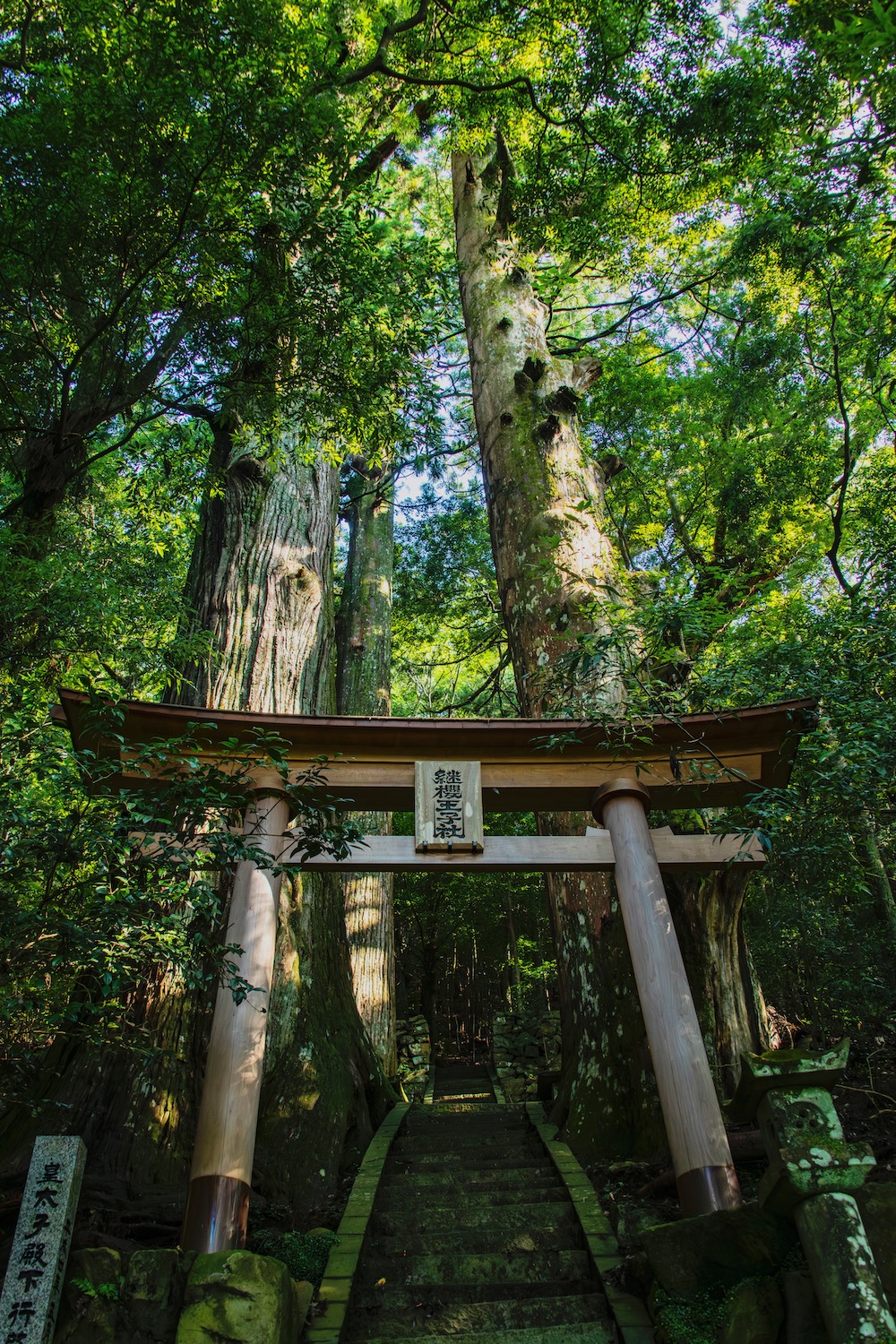
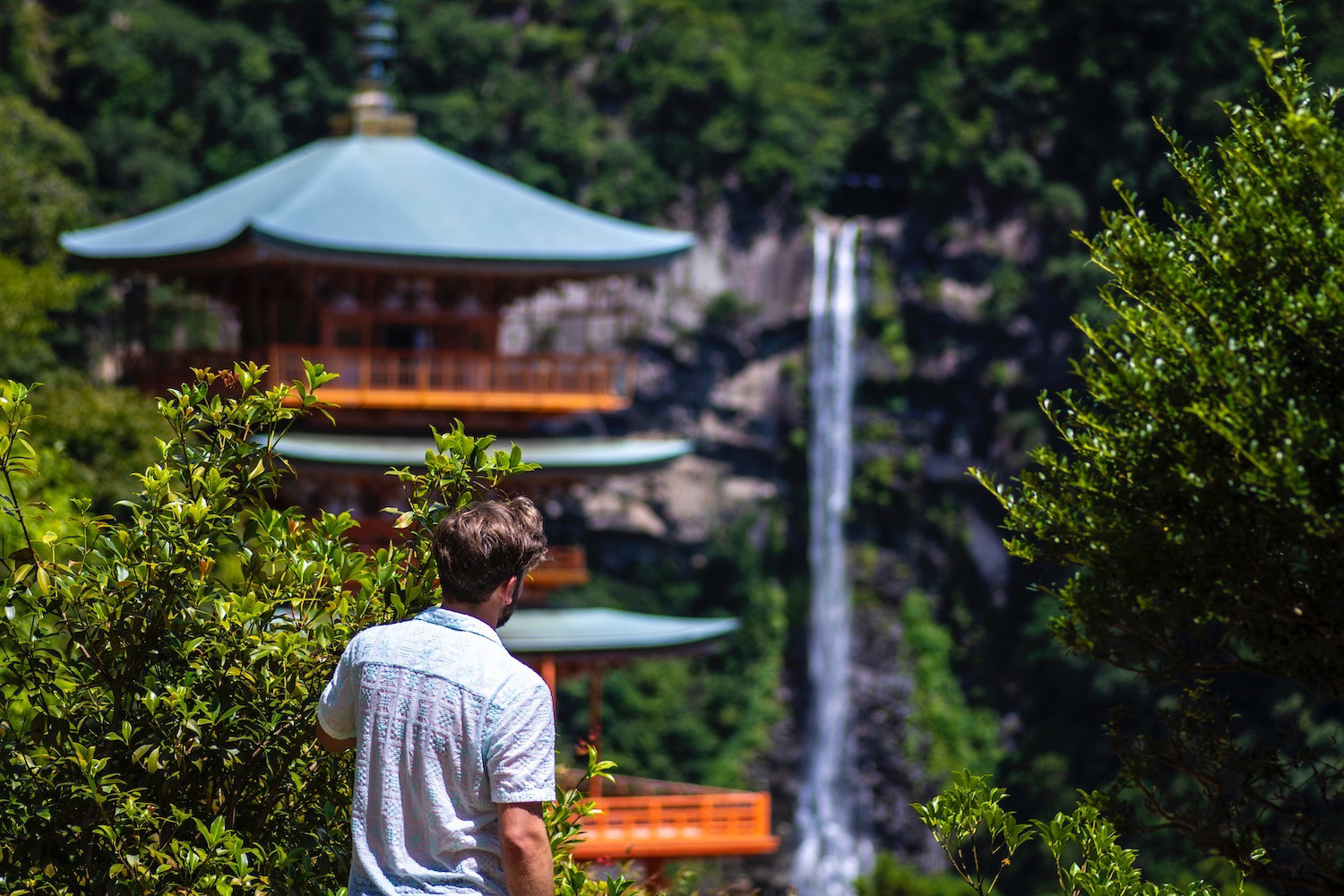
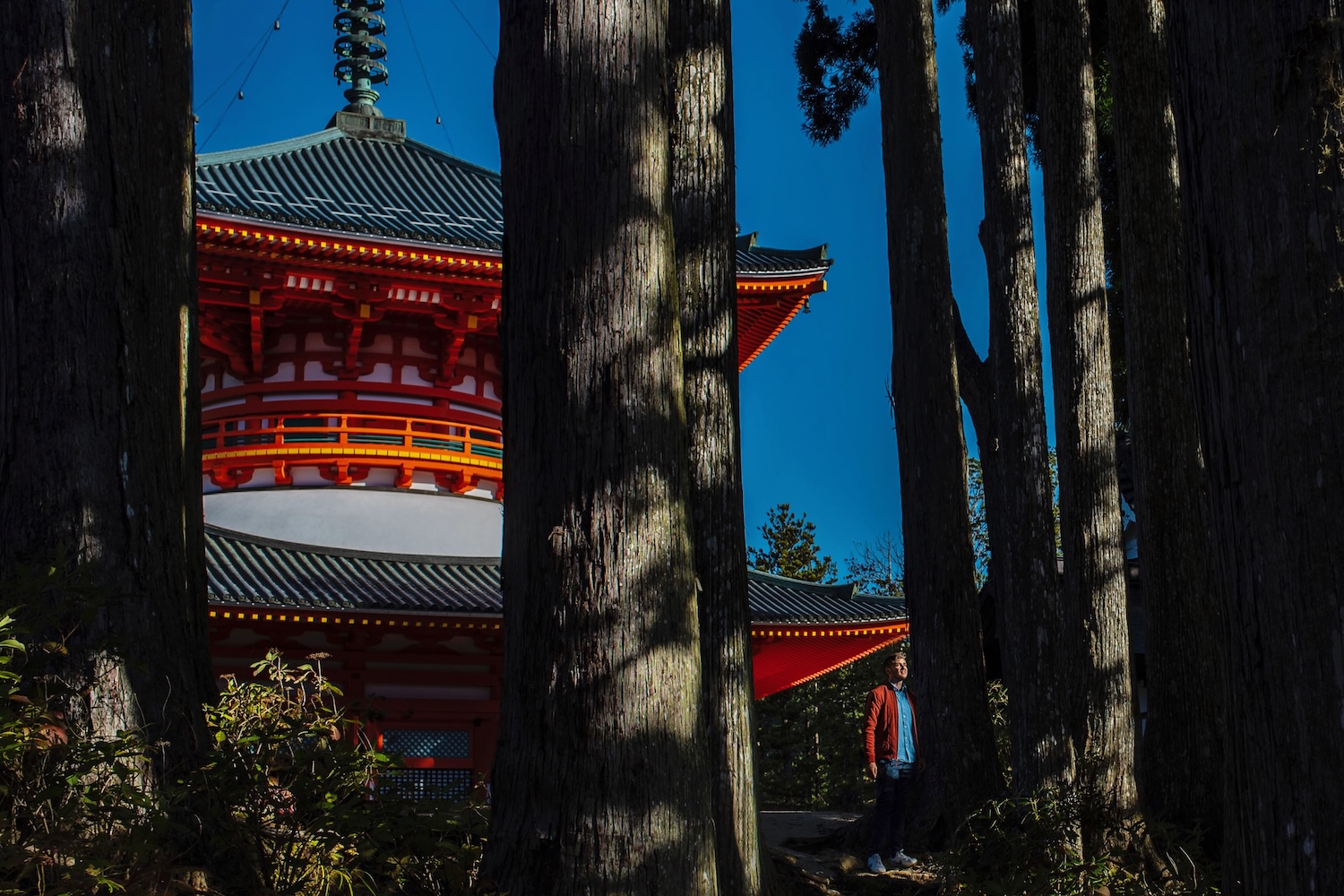
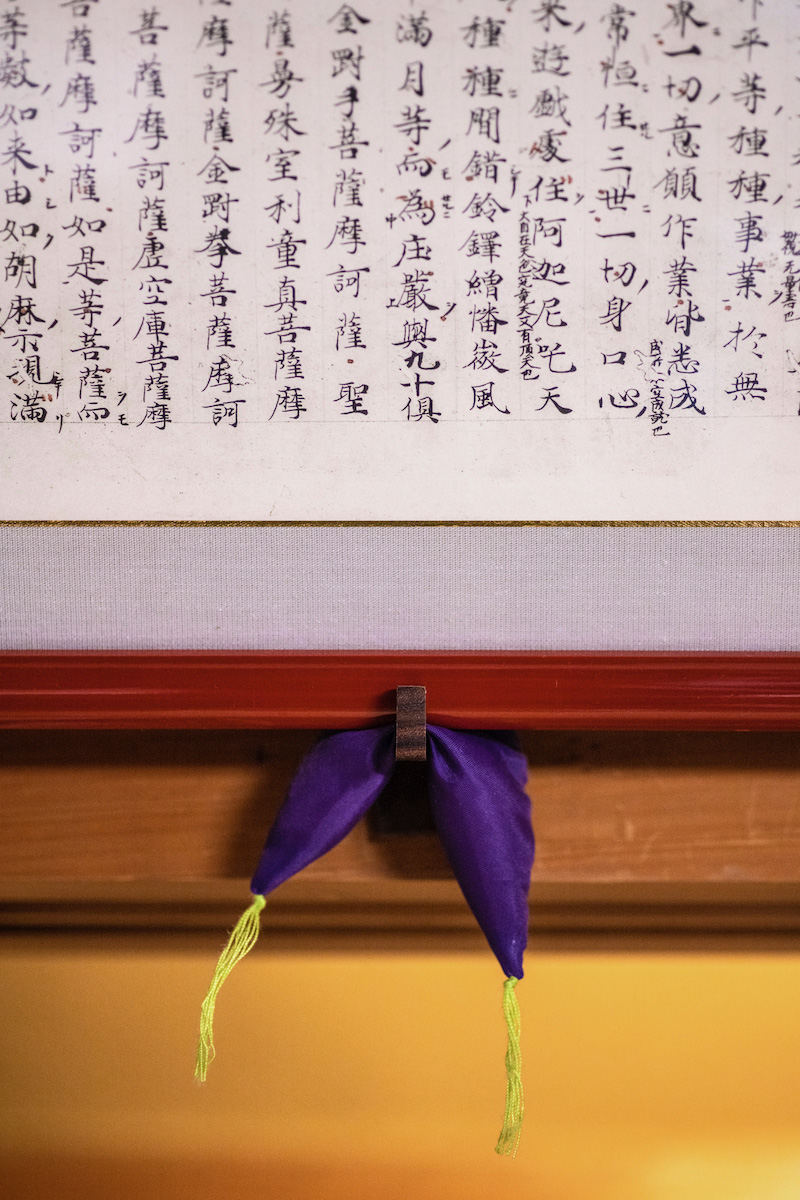
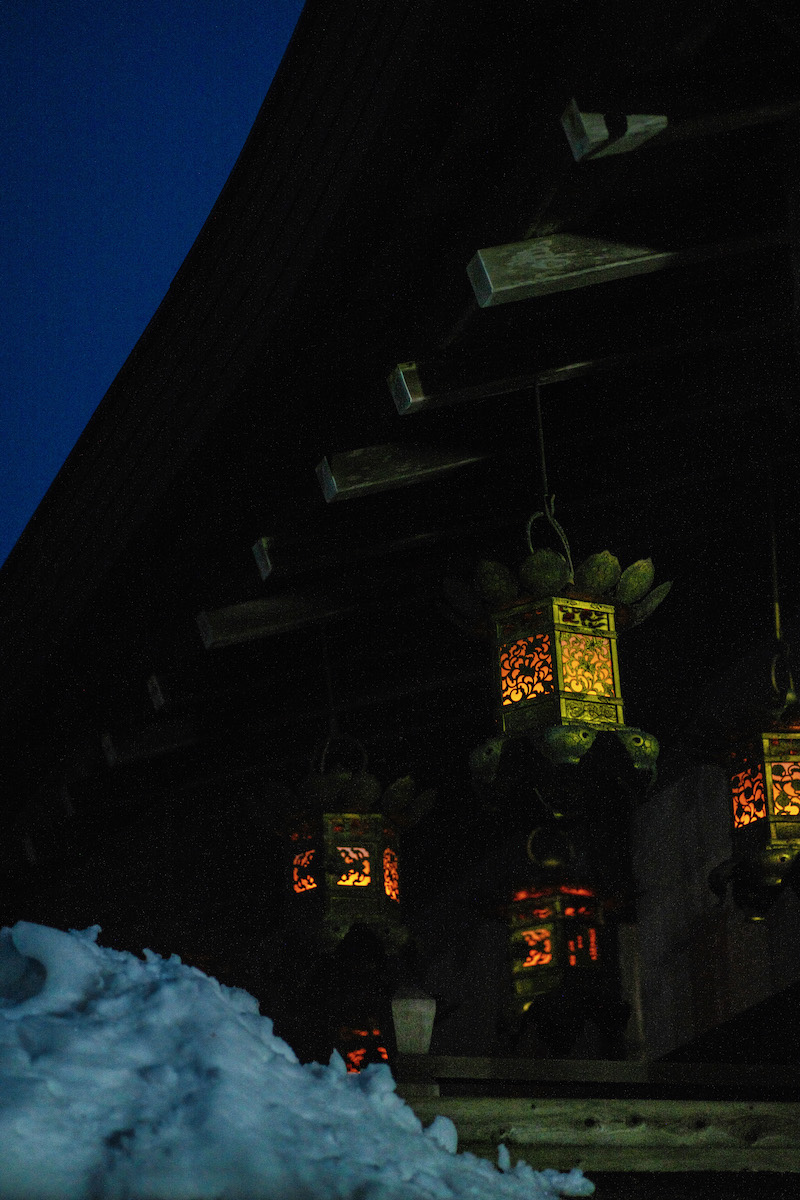
Another way to compare Koyasan and Kumano Kodo is the various opportunities to interact with Japanese culture when visiting both. Beyond the aforementioned cemetery, Koyasan is home to the Danjo-garan sacred complex, as well as the largest number of shukubo temple stays in the country. By contrast, cultural along the Kumano Kodo tends to be more understated, with the exception of Hongu’s huge torii gate, and the Nachi Taisha “waterfall pagoda.”
Nature and hiking
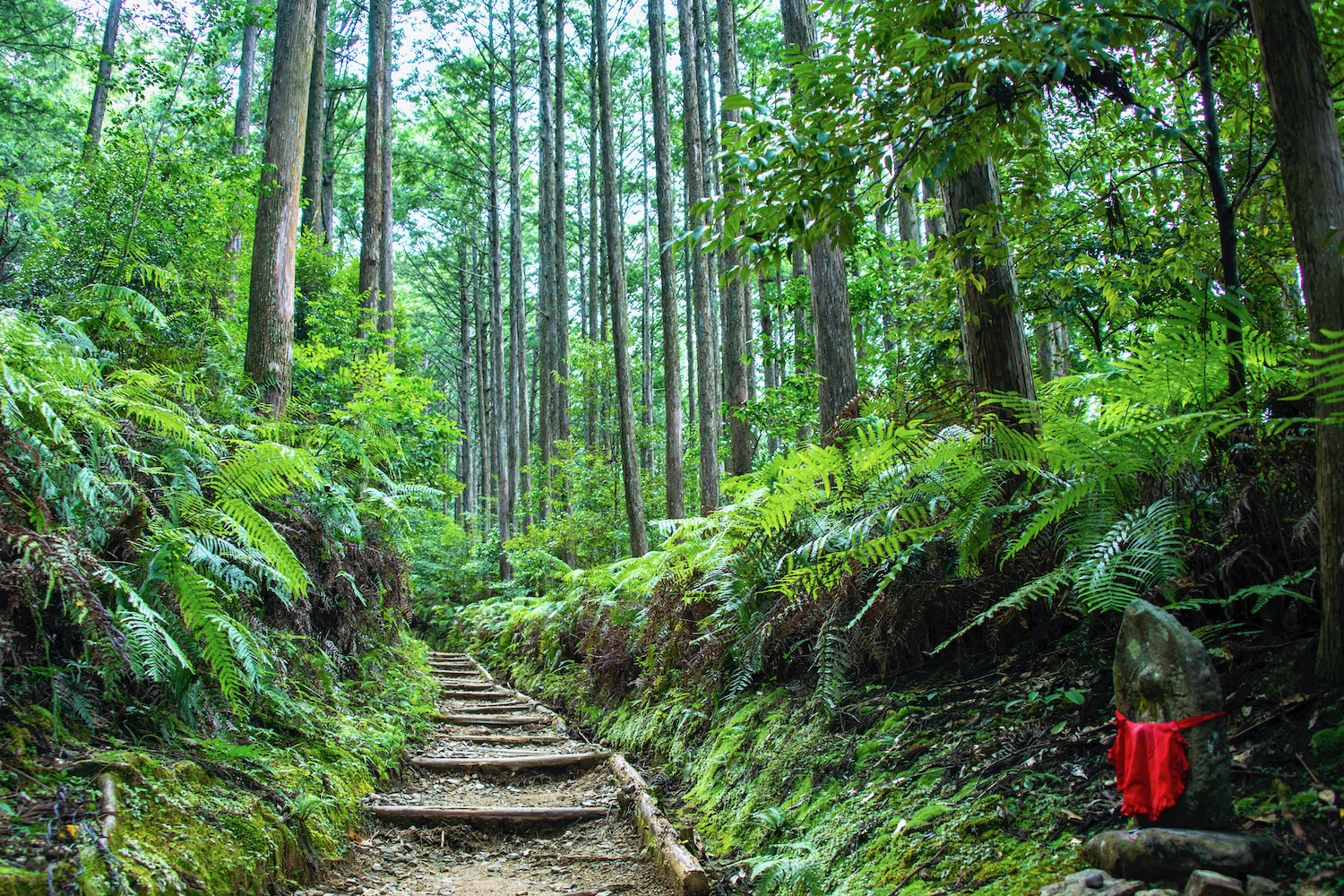
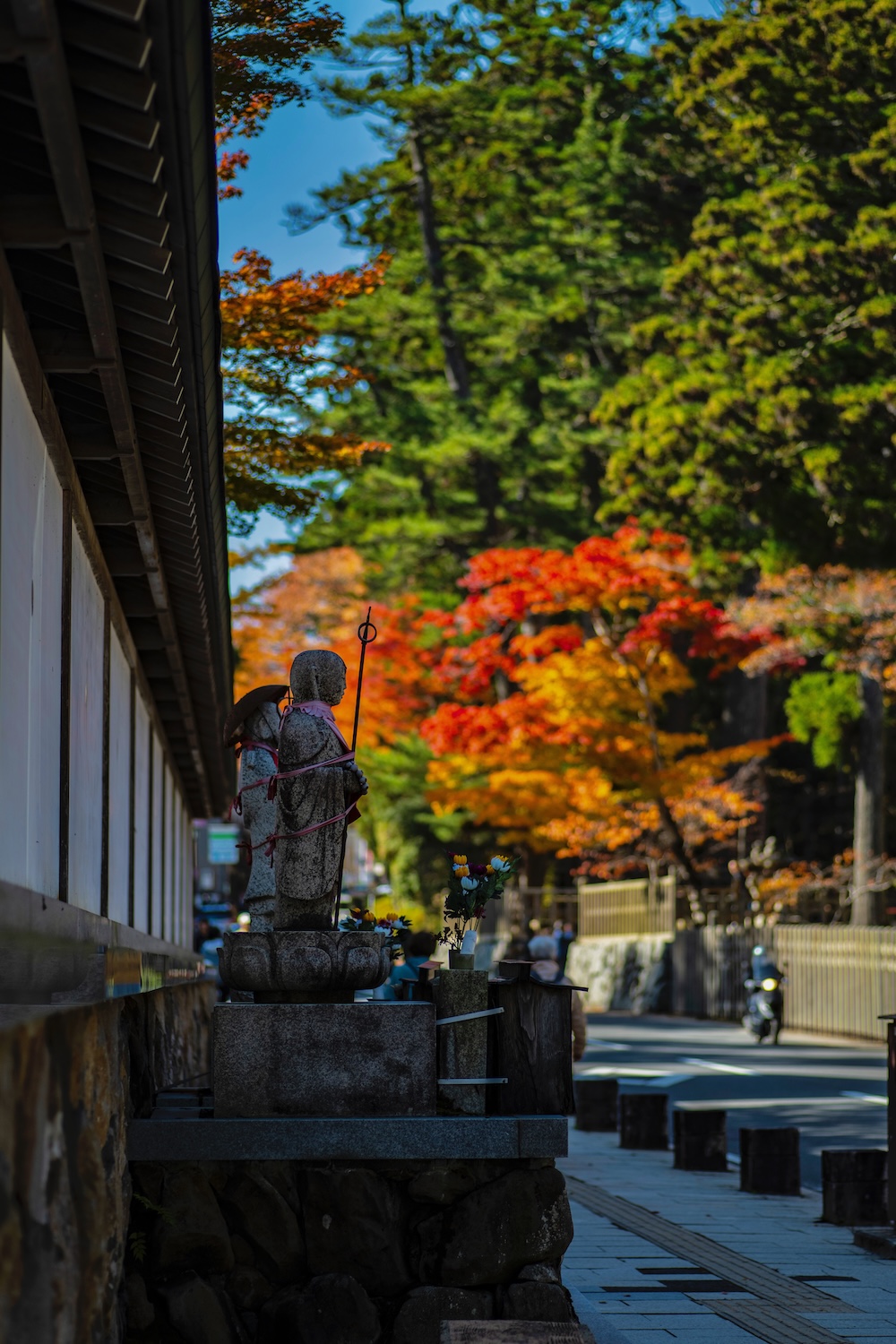
I mentioned earlier how you can hike from low-lying Wakayama’s Kudoyama Station to the Daimon gate that serves as the de-facto entrance to Koyasan. There’s also a lot of walking at the top of the mountain; the entire town is built into a forest. By contrast, hiking beneath towering evergreens is quite literally the point of the entire Kumano Kodo: At a minimum, travelers typically spend a day hiking from Takijiri to Chikatsuyu, and another spent onward to Hongu.
Crowds
Comparing Kumano Kodo vs Koyasan in this regard, meanwhile, is a a much clearer win for the former. Koyasan, frankly, has exploded in popularity since I first visited in 2018; during peak season, it can feel as crowded as parts of Kyoto. By contrast, the spread out geography of the Kumano Kodo and the extent to which hiking is inextricable from it mean that it is necessarily less popular among visitors to Japan.
Ease and expense of booking
Unless you book at least 6-12 months in advance, you are likely to spend a minimum of ¥10,000 per person, per night on a Koyasan temple stay, and probably much more. The only silver lining? Most online hotel booking websites now have shukubo listed on them. Accommodation along the Kumano Kodo tends to be cheaper, but also fewer in number than in Koyasan; you almost always need to book via Kumano Travel or another similar agency.
How (and Why) to Do Both the Kumano Kodo and Koyasan
As you’ll know if you read this website with any regularity, I’ve done both Koyasan (and multiple iterations of it) as well as the Kumano Kodo, during different times of year. As I’ve tried to highlight within this post, they are completely different destinations and offer unique experiences, from how you access them, to the types of places you’ll sleep, to how long you need to travel, to when it’s best to visit.
On the other hand, if you plan to return to Japan in the future, then don’t feel like your current decision between Kumano Kodo or Koyasan is binding. For instance, if you have two weeks in Japan and only a day or two to spare, then take a Koyasan day trip from Kyoto or Osaka, or do a shukubo temple stay for a night. Save your Kumano Kodo trek for a future trip when you have 2-3 days to spare, and when you’re prepare to head off the Kansai region’s beaten path.
Other FAQ About Koyasan and the Kumano Kodo
Is Koyasan on the Kumano Kodo?
Although Koyasan can be accessed by bus (or, if you have a lot of time, on foot) from the main Nakahechi of the Kumano Kodo, I consider them to be two separate destinations. Practically speaking, this means that you should spend a night or two in a shukubo atop Mt. Koya before or after hiking the Kumano Kodo—it isn’t along the way.
How do get from Koyasan to Kumano Kodo?
During peak season between about April and November, several direct buses per week connect Koyasan with Hongu, along the Kumano Kodo. Outside these periods, the routing is more circuitous. If you don’t have your own car, you’ll need to go back to Osaka, travel by train to Kii-Tanabe or Shingu and by bus from there to Hongu.
What is the best pilgrimage walk in Japan?
I personally love the Kumano Kodo as a multi-day trek, though trekking to the top of Mt. Koya as a half- or full-day adventure is also exhilarating. Other options include the Nakasendo trail that runs through the Japanese Alps, or the 88-temple pilgrimage trail on Shikoku island.
The Bottom Line
I won’t attempt to make a one-for-one Koyasan vs Kumano Kodo comparison. Although these pilgrimage routes have some things in common, they cater to completely different types of travelers: Koyasan is for day-trippers and those seeking an easy overnight stay; the Kumano Kodo is almost synonymous with a multi-day hike. On the other hand, either or both can be a jumping-off point for a deeper exploration of Wakayama prefecture, whether you hit the beach in Shirahama or discover underrated Wakayama City. Need personalized help steering your own trip off Japan’s beaten path? Commission a custom Japan itinerary today, and let me take the wheel.