


I can’t remember when I first heard the term “Kansai,” but it was early on in my Japan journey. It was no earlier than 2016, when I asked my guide (I was on a press trip, and so I had one) a question about Kansai versus Kanto, the latter being the region that contains Tokyo.
“Sai means west, and tō means east,” I proudly showed off my extremely basic Japanese skills. “But what does kan mean?” I noticed the kanji for it (関) kind of make it look like a door or a gate, though I wasn’t sure.
The good news? My hypothesis was mostly right, even if the guide in question was a jerk and seemed disinterested in my follow up questions—I mean, which “gate” was it anyway? The better news is that I’ve been perfecting my Kansai itinerary for well over a decade, allowing you to absorb years of knowledge in mere minutes.
Is Kansai Japan’s Best Region for Tourists?
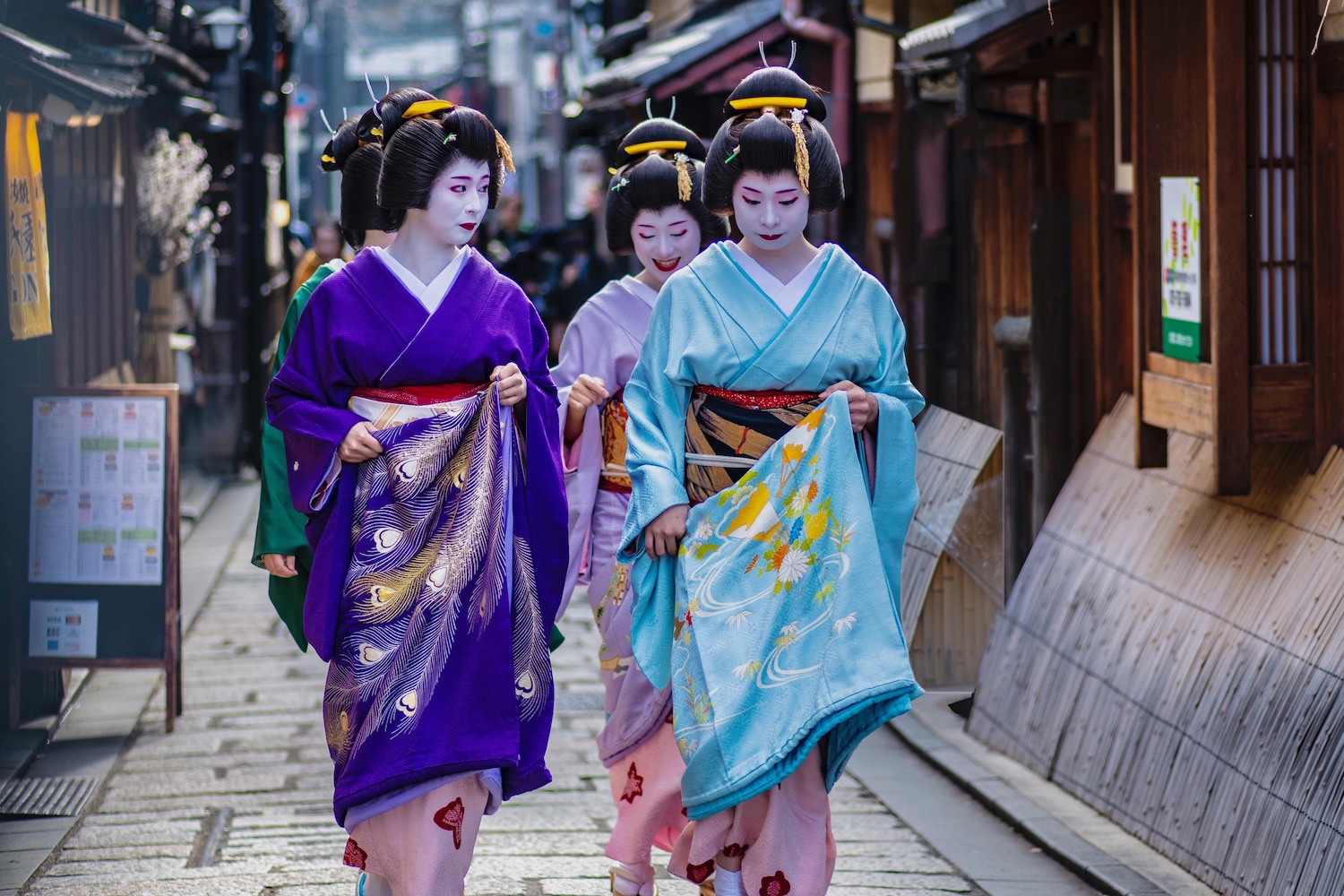
I could write an entire book about things to do in Kansai—which, come to think of it, might not be a bad idea. But I digress. The reality is that so many of the most iconic destinations and experiences of Japan are in Kansai, whether you want to see Geisha wandering through the centuries-old streets of Kyoto, eat melt-in-your-mouth wa-gyū in Kobe or try and coax a maybe-friendly deer into bowing for you in Nara.
This also introduces a practical advantage. Namely, that having so much of what most people want to see and do within the same geographical area makes it a very attractive as a base, and greatly simplifies the logistics of exploring Japan, which has a reputation (a somewhat unfair one, I would argue) of being cumbersome. And so to answer my own question very succinctly: Yes, I do think Kansai is the best of Japan’s regions for most tourists.
Where to Go in Kansai
Kyoto

Kyoto is (in my opinion) the most important city in Japan, which is why I think it deserves top Kansai travel billing. It’s also a lot larger and more diverse than its increasingly crowded city center. I still think these areas (from lush Arashiyama and its bamboo forest, to the Geisha-filled streets of Gion) are worth visiting, but you could just as easily go off at the beaten path at Kifune-jinja shrine or in Kyotango, aka “Kyoto by the Sea.”
Osaka
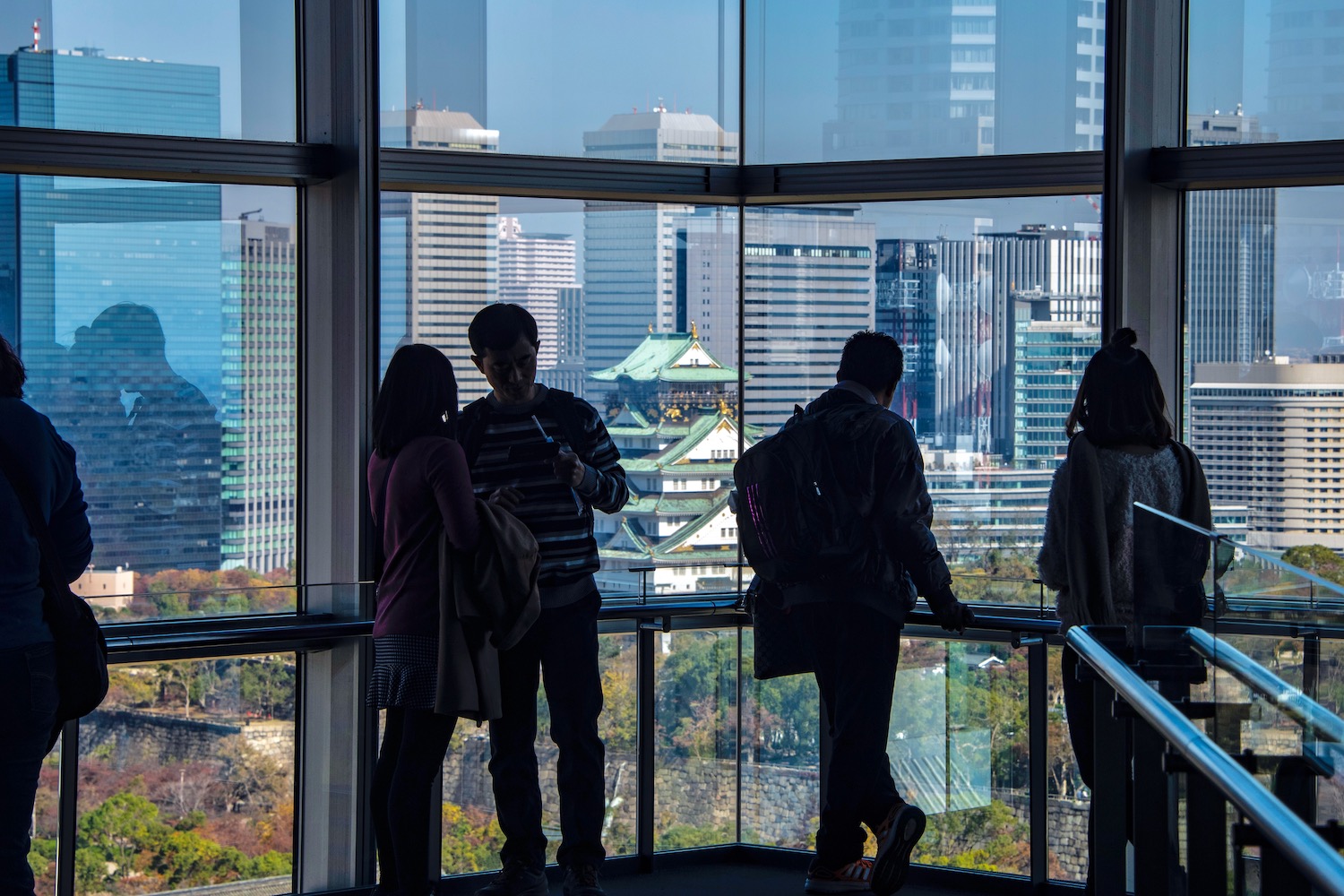
I qualified the Kyoto section of this page because given how much of what to do in Kansai is within the city limits of Osaka, I didn’t want it to seem like I was snubbing the latter. At the same time, for first-time Japan travelers especially, Osaka can seem redundant after Kyoto, even if this is not really true. Among other things I love about Osaka, its Dotonbori and Shinsekai areas are some of Japan’s best street food spots, and its annual Tenjin Matsuri is one of Japan’s easiest summer festivals to attend.
Nara

It would be disingenuous to say that Nara (whose urban deer are probably among the most famous animals in the world) is off Japan’s beaten path. With this being said, there are many ways to explore Nara that get past the clichés, the first of which is staying here overnight—you’ll be shocked how quickly the tourists clear out. Moreover, rural Nara prefecture is home to Mt. Yoshino, the deserving namesake of Japan’s most famous cherry blossom species.
Hyogo (Kobe, Himeji and Awaji Island)
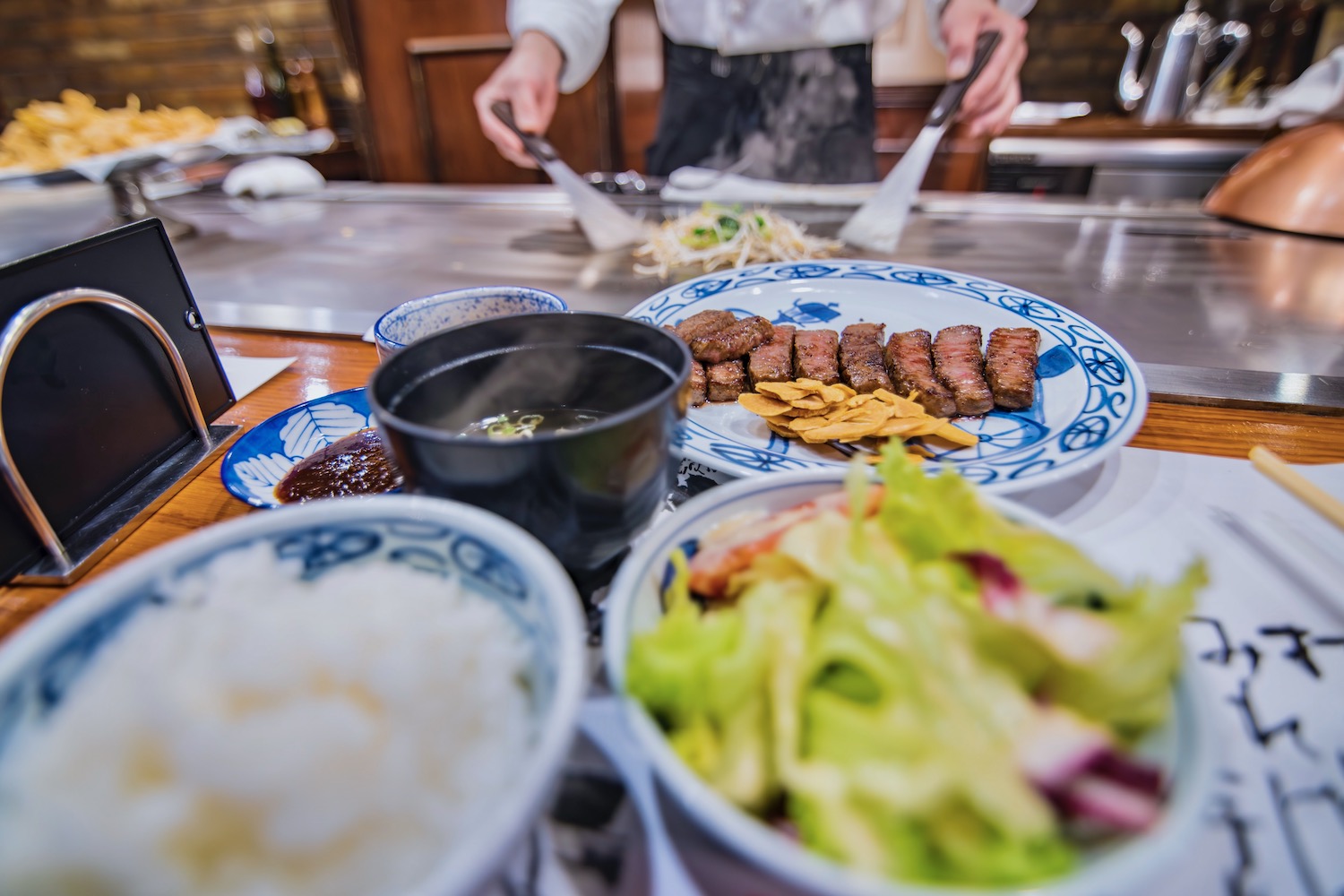
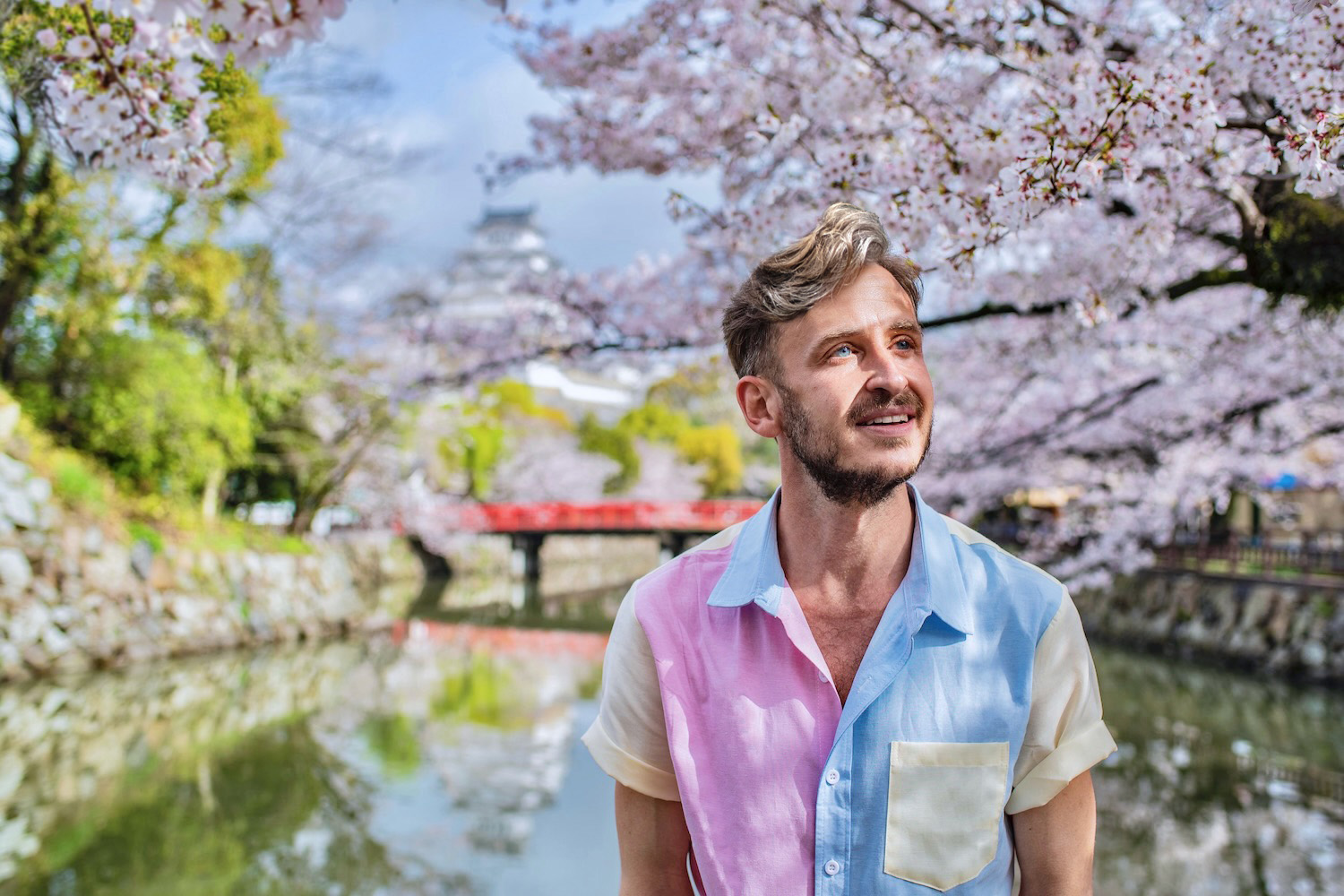
Over the years, I’ve come to believe that no Kansai trip is complete without a visit to Hyogo prefecture—a conclusion I’ve reached, unsurprisingly, as I’ve gotten to know Hyogo more deeply. Some destinations and experiences here are obvious, such as Himeji Castle (the arguable best of Japan’s 12 original castles) to Kobe, the country’s hub for amazing beef. However, Hyogo-ken is also home to the interesting Uo-no-tana Fish Market (one of Japan’s most local such attractions) and to Awaji Island, a place almost no foreign tourist goes (but is oddly where most of the the cows associated with “Kobe” actually live).
Wakayama
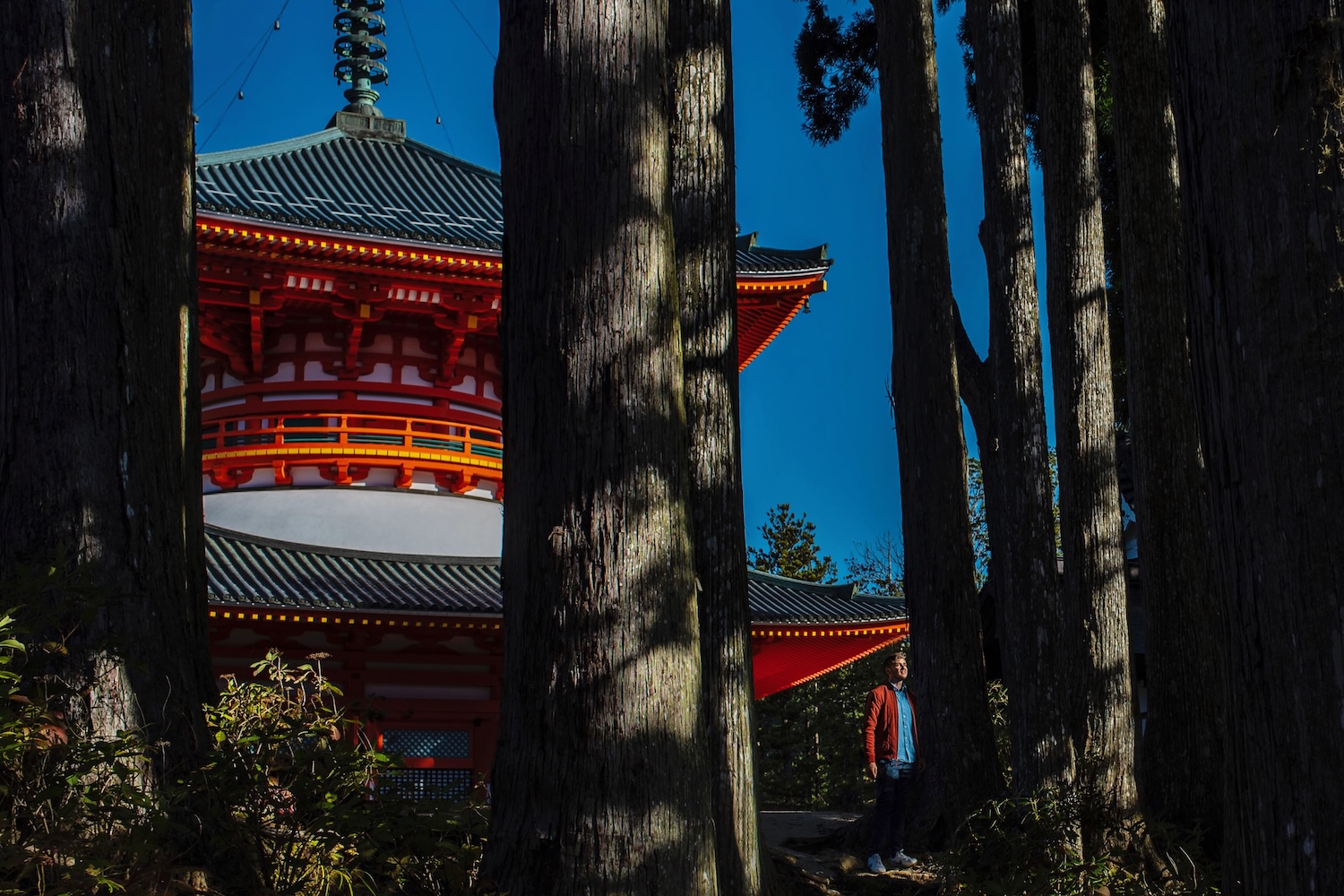
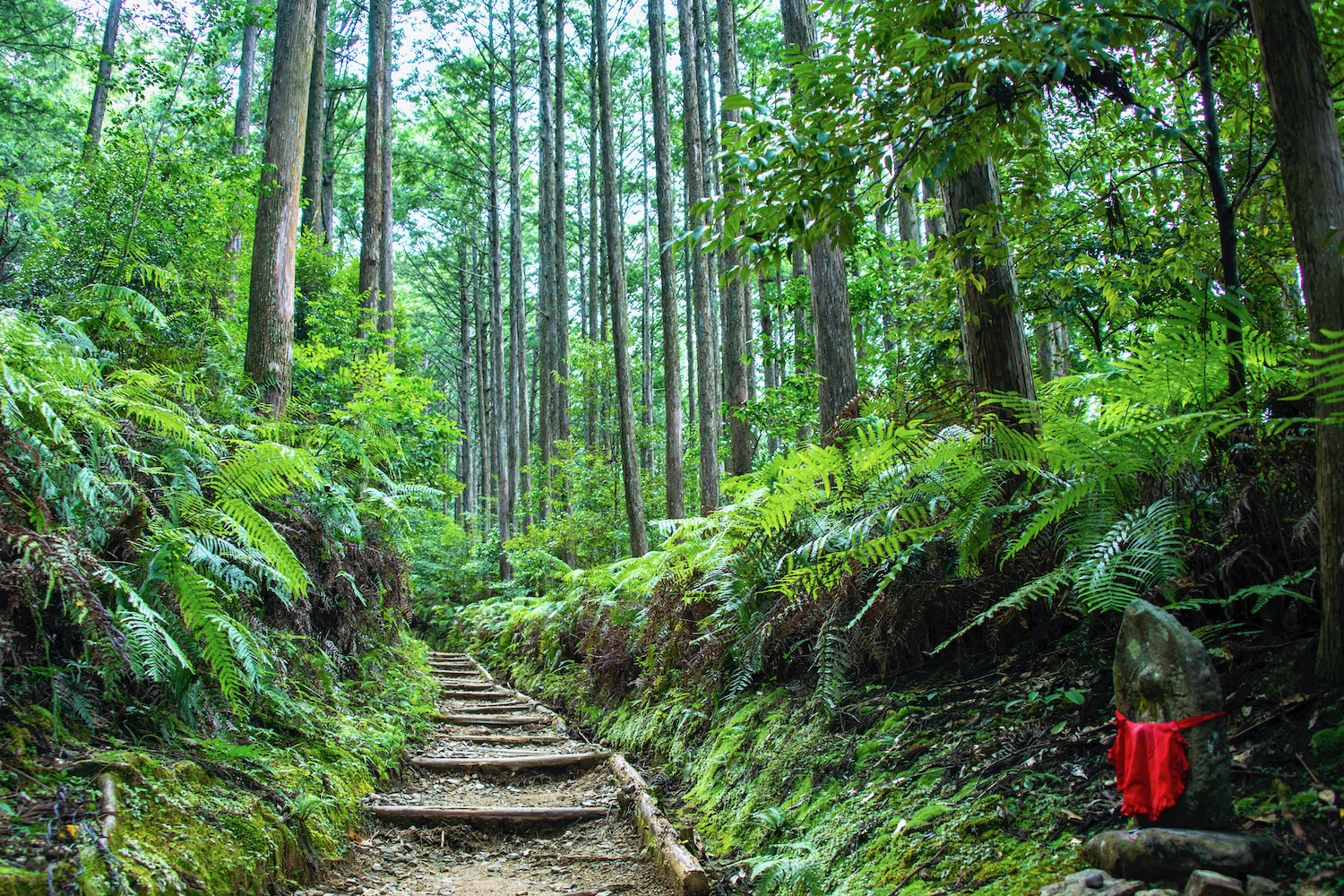
Wakayama is a prefecture I like more than the more I visit it. Here, two main attractions—sacred Mt. Koya and the Kumano Kodo pilgrimage route—occupy the time and attention of most visitors. However, Wakayama-ken is also home to some of the most beautiful beaches in mainland Japan (namely, Shirarahama Beach in Shirahama), to say nothing of the area’s generally relaxed, local vibe.
Shiga (Lake Biwa)
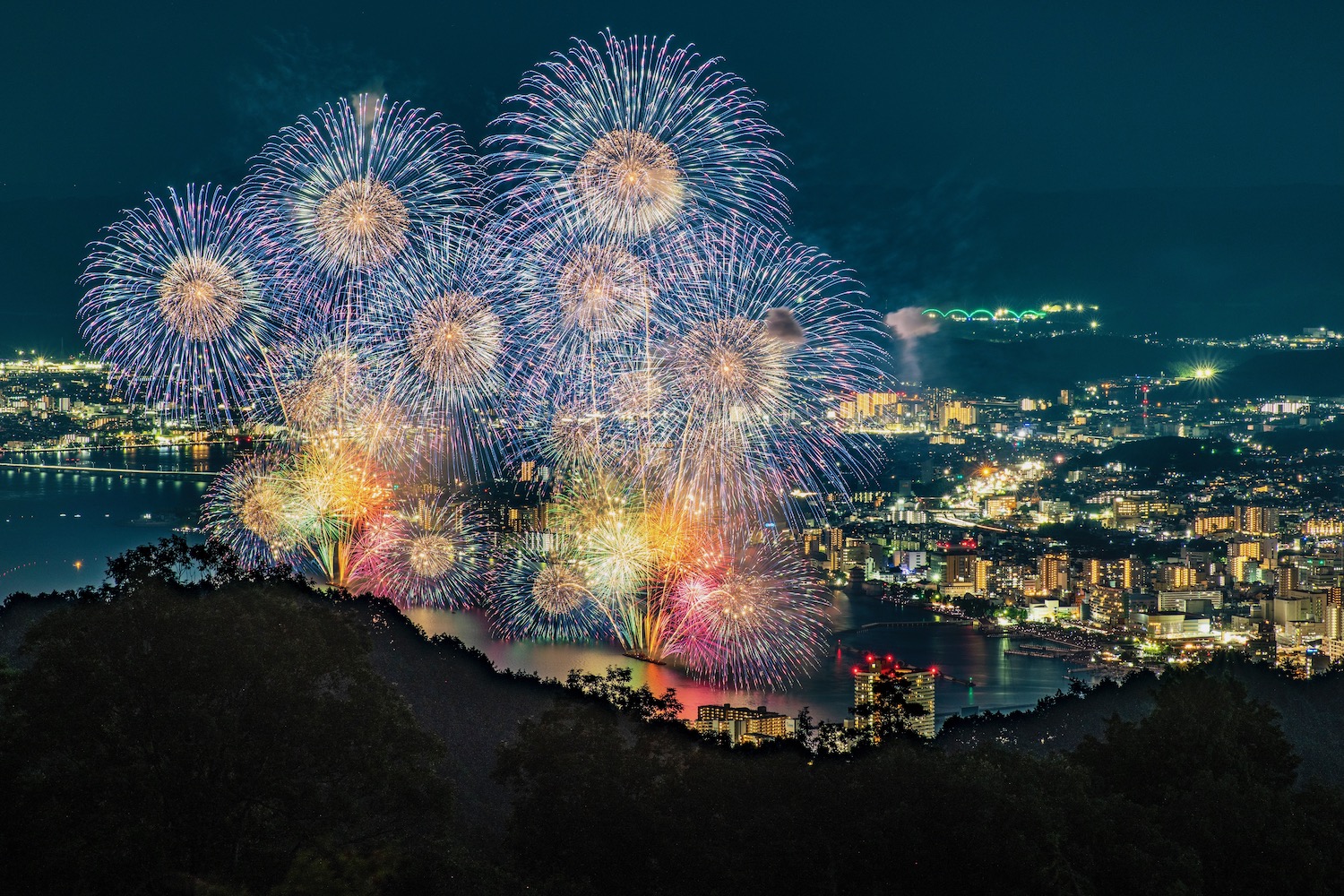
Like Wakayama, Shiga isn’t a place many tourists immediately add to their Kansai travel itinerary. This is strange in one sense—it’s literally right next door to Kyoto, and can even be accessed by the Kyoto City Subway, but also isn’t surprising. If you do make it here, most attractions are right on Lake Biwa, from castles in Hikone and Nagahama, to the Omi-hachiman Samurai district, to the “floating” torii of Shirahige Shrine.
Mie
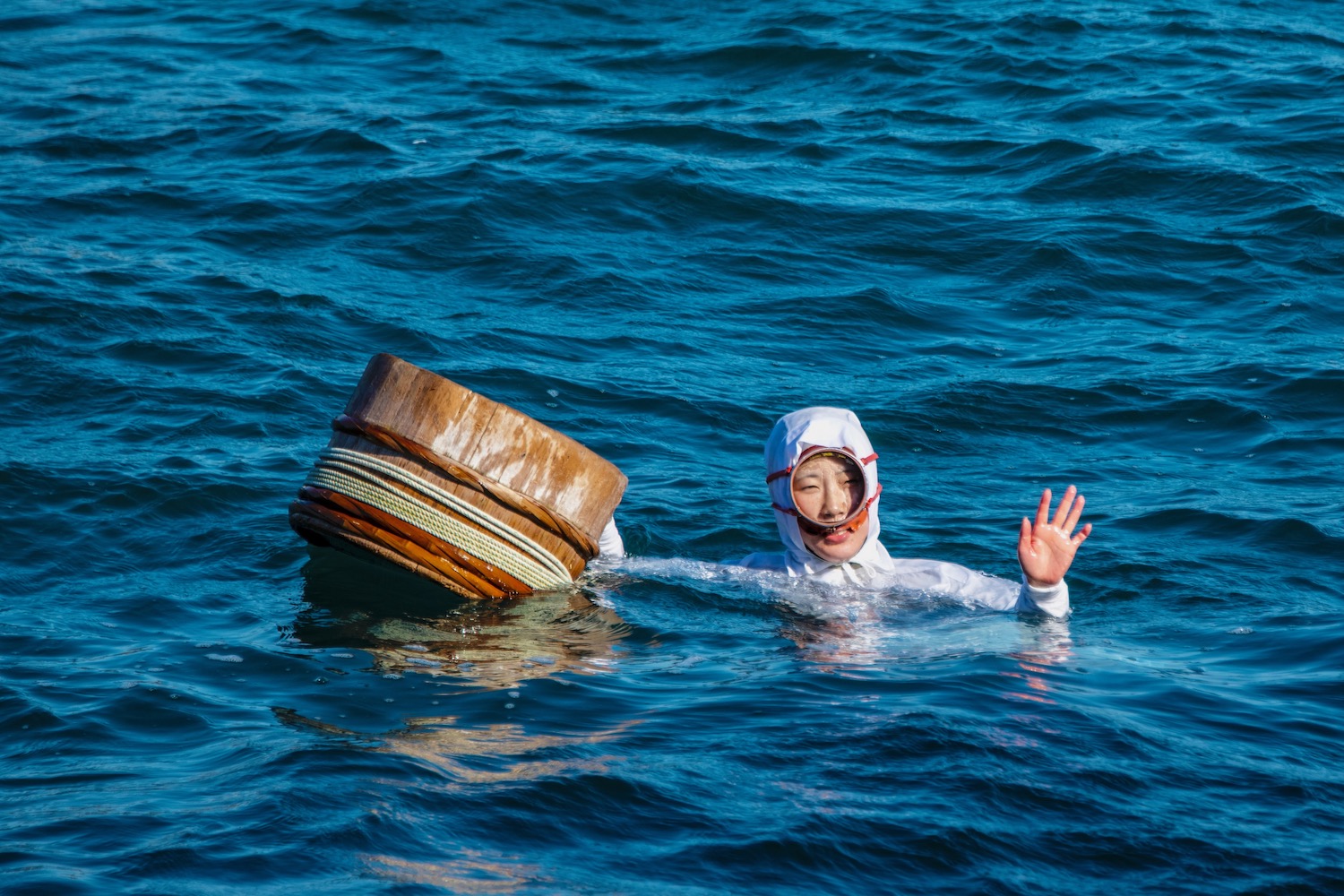
Let’s be clear: You don’t have to rent a car and take a Kansai road trip in order to enjoy the majesty of underrated Mie prefecture. However, it could make your life a lot easier, whether you plan to see how the beef in Matsusaka compares to that in Kobe, watch ama dive at Mikimoto Pearl Island in Toba or watch sunset behind the “wedded rocks” of Meoto Iwa in Ise, which is of course also home to the important Ise Grand Shrine.
How Long Do You Need in Kansai?
There’s an argument to be made that when planning the perfect Kansai itinerary, 10 days is the ideal amount of time to spend. This allows you a couple of days each in central Kyoto and Osaka, plus day trips to immediately peripheral prefectures like Hyogo, Shiga and Nara, and perhaps even some time in Wakayama or Mie, depending upon how you play your cards. Of course, most travelers spend two weeks in Japan or less, which means that isn’t universally practical.
A more realistic frame for a Kansai region itinerary? Well, if it’s your first trip, decide between Kyoto or Osaka as a base, and spend 3-4 days there. This will allow you to take day trips to Nara, Himeji Castle and Kobe, as well as to visit whichever city you aren’t staying in (Kyoto if you’re in Osaka, or Osaka if you aren’t in Kyoto) for a half or full day as well. Conversely, if you’re coming back to Japan for a second (or sixth!) trip, spend 3-5 days exploring Kansai off the beaten path.
Other FAQ About Visiting Japan’s Kansai Region
Is Japan’s Kansai region worth visiting?
Japan’s Kansai region is not only worth visiting, but I would say it’s the most rewarding region of Japan to explore, certainly for first-time visitors. It’s home not only to core destinations like Kyoto, Osaka and Nara, but also to the culinary hub of Kobe, superlative Himeji Castle and Wakayama’s Kumano Kodo pilgrimage route.
Where is Japan’s Kansai region?
Japan’s Kansai region is colloquially known as “western Japan” among Japanese people, but if you look at a map of the country, is just west of the geographical center of the country. Logistically, you access it by riding a Shinkansen bullet train between 2-3 hours west of Tokyo, either to Kyoto Station or Shin-Osaka Station.
How long do I need in Kyoto and Osaka?
I recommend that you spend a minimum of 3-4 nights in Kyoto and/or Osaka. This will allow you both to explore the centers of these iconic, must-visit cities, and also to take day trips to nearby destinations. These include Nara (home to deer and ancient wooden structures), Himeji Castle, holy Mt. Koya and dramatic, deep Lake Biwa.
The Bottom Line
My Kansai itinerary—or at least, this version of it—has more than 12 years of information and insights baked in. From my earliest stumbles along the streets of Kyoto and Osaka, to deeper dives into Hyogo and Nara prefectures, to going far off the beaten path in Mie, Wakayama and Shiga, this Kansai travel guide is as suitable for first-time visitors as it is for expert Japan travelers who need help peeling back that last layer. Among my many goals in continuing to expand and refine this page, I hope you now see why Kansai has consistently ranked about my favorite regions of Japan. Need personalized help incorporating Kansai into your trip? Commission a custom Japan itinerary today!