


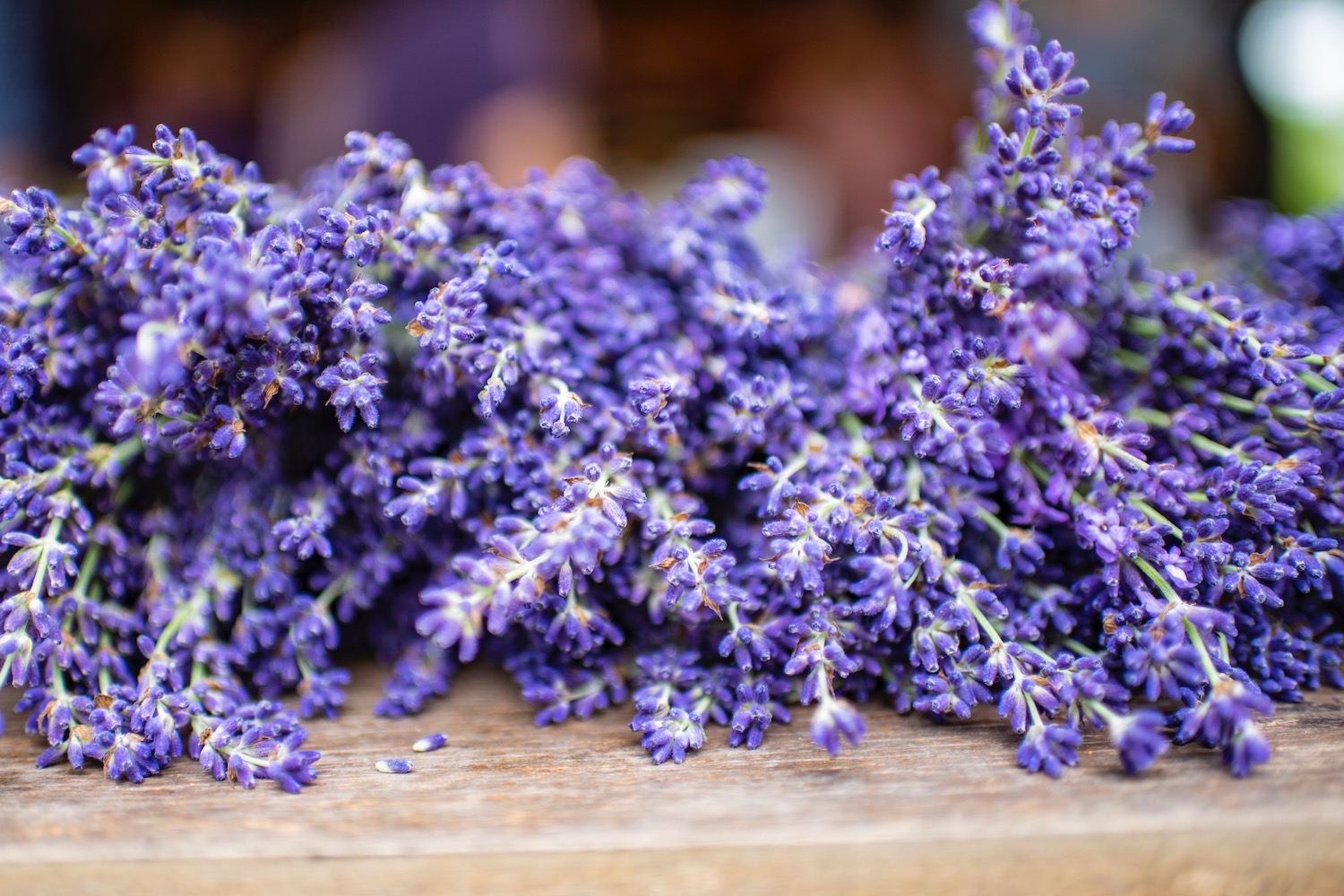
Back when I first planned this Hokkaido road trip itinerary, the prospect of driving around Japan’s northernmost island (in summer or otherwise) was pretty obscure. It was popular among Japanese and Southeast Asian tourists, but was basically off the radar of anyone from North America, Australia or Europe.
Things have changed since then, of course, and not just my frequent updates to both the breadth of the destinations and experiences on this page, as well as the depth of the details I include. Hokkaido is a decidedly mainstream destination—in all four seasons, no less.
The good news? Whether or not you get behind the wheel, my Hokkaido summer itinerary perfectly introduces Japan’s coldest island at the warmest time of year. The better news? It’s more amazing than you can even imagine.
Hokkaido Car Rentals
Car rental is Hokkaido is basically unavoidable, since the public transportation in Japan’s northernmost island leaves a great deal to be desired. Though this involves some inconveniences (you’ll need to obtain an International Driving Permit in your home country, for example), it makes your trip a lot easier, particularly if you don’t have very long, and you don’t plan to take a lavender farm tour from Sapporo.
Additionally, driving in Hokkaido is a pretty stress-free affair, particularly if you buy the “Expressway Pass” that affords you unlimited use of Hokkaido’s tollways, where you can (in practice, if not according to the law) drive as fast you want. Likewise, one benefit of the relatively high rental car prices in Hokkaido (plan to pay no less than ¥8,000 per day, whether you rent from Toyota, Nippon or even Orix Rent a Car) is that they include insurance.
Top Hokkaido Summer Attractions
Furano’s lavender farms and melon ice cream
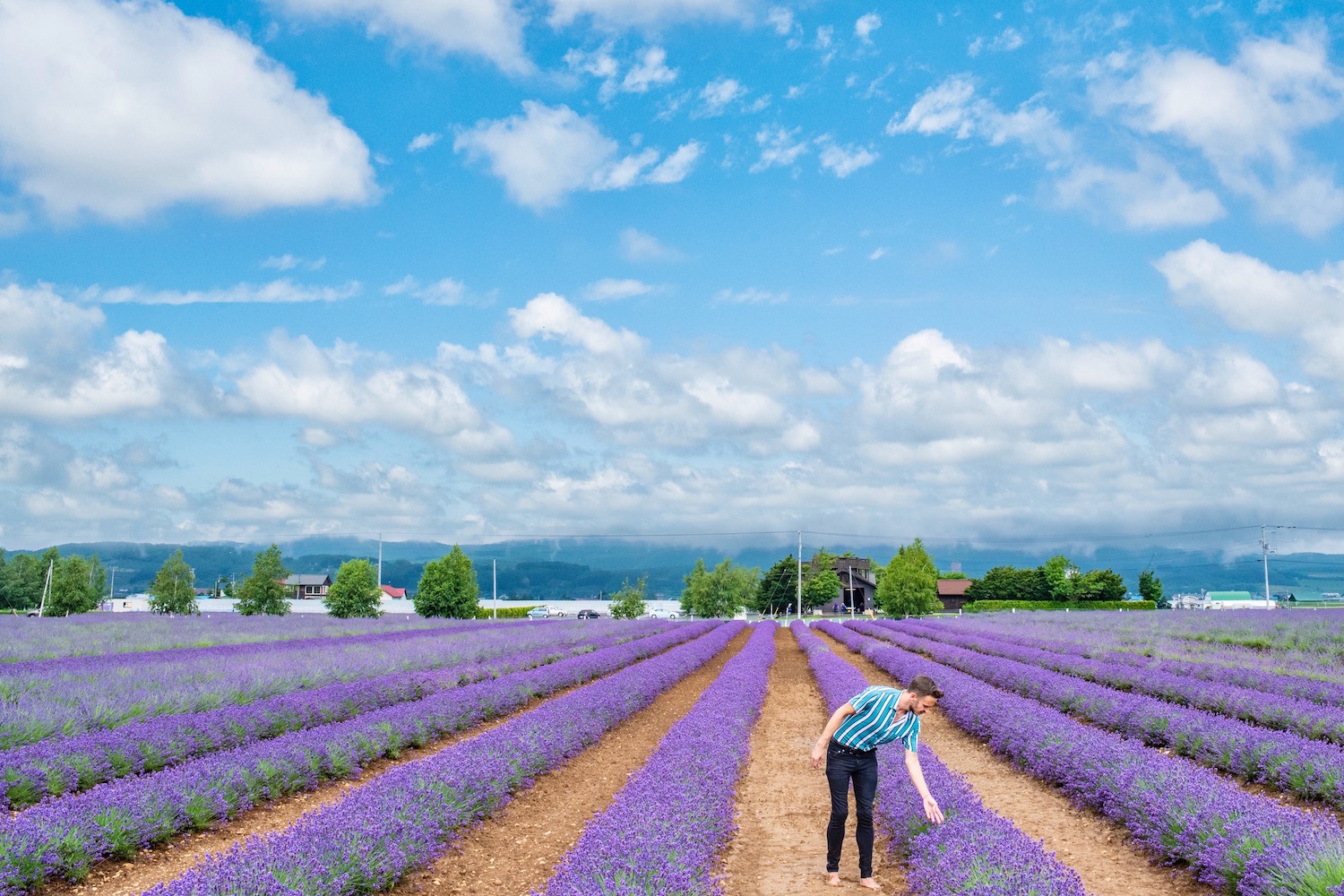
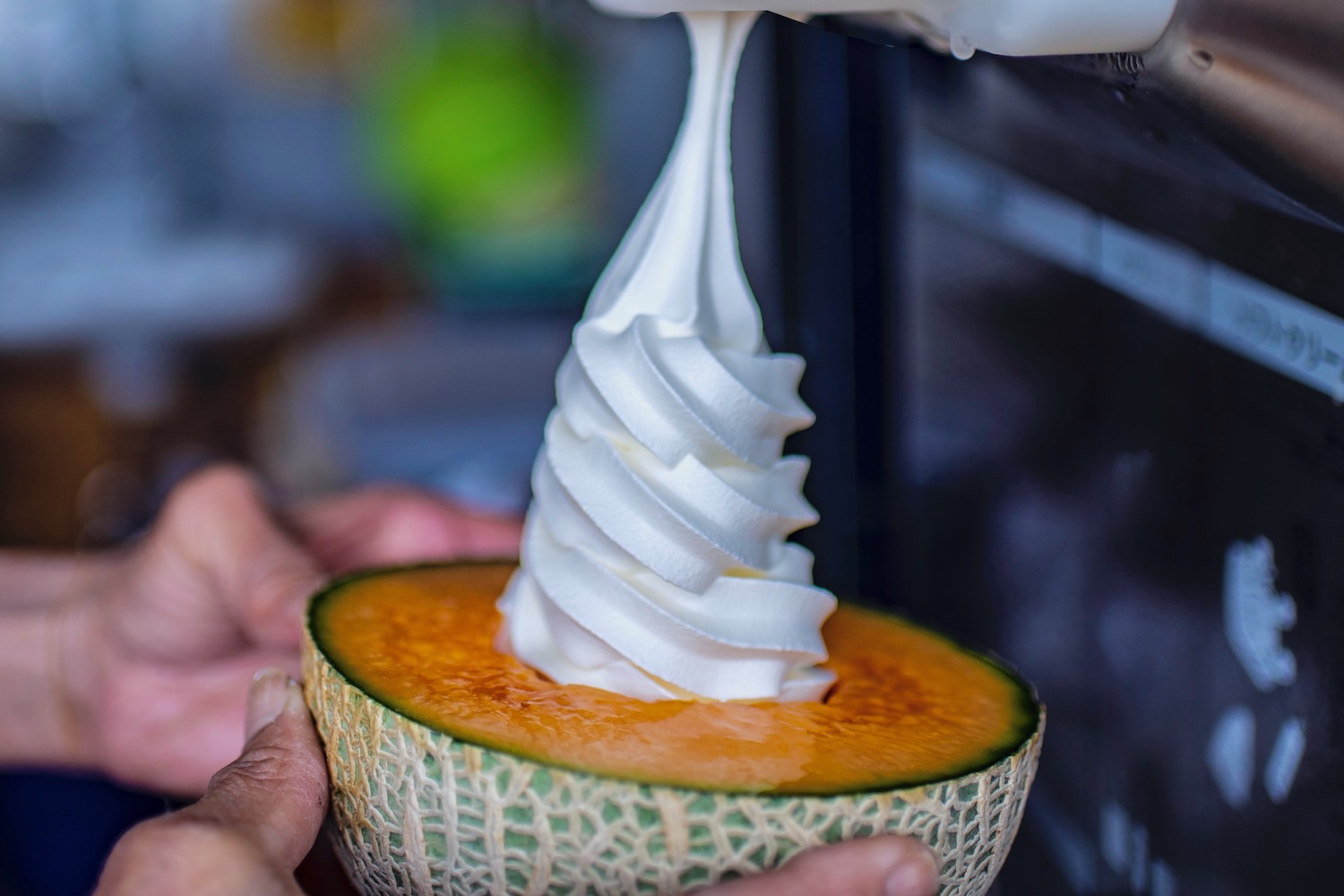
If the lavender farms of Furano are as compelling for you as they were for me, allow me to save you some trouble selecting dates: You must visit during the last half of July, which is when Hokkaido’s lavender is at peak bloom. Once you select these dates, book your rental car, flights and hotel (more on that in a second) as early as possible to avoid getting charged through the nose. Another draw of visiting Hokkaido in summer? Savoring fresh Hokkaido milk ice cream served in luscious halves of melons grown right in Furano’s fields.
The blue pond of Biei
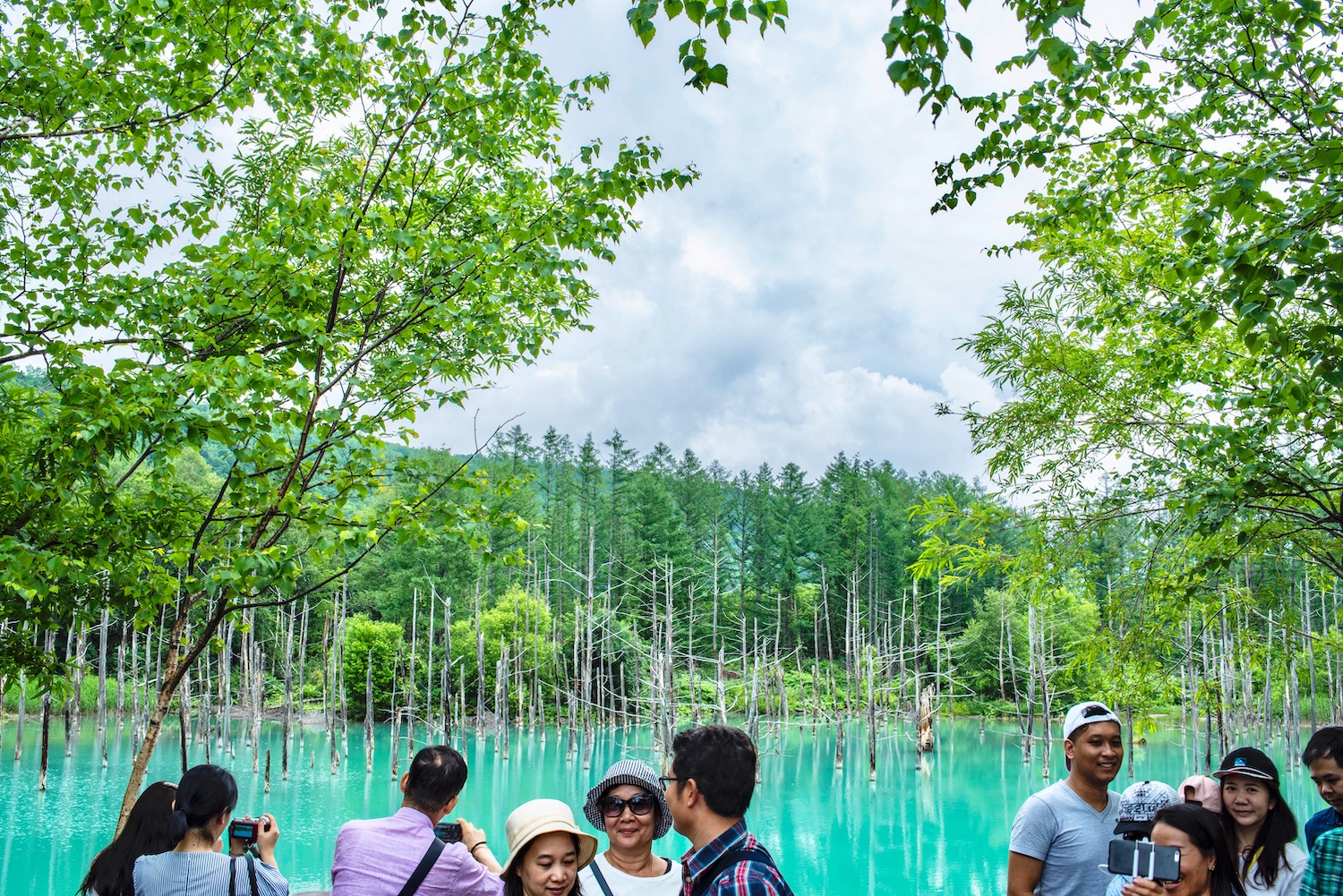
There are some potential downsides to visiting Hokkaido at peak lavender bloom, however, first among them that the weather in Hokkaido in July isn’t always as sunny as marketing photos would have you believe. This is also the busiest time of summer in Hokkaido. In addition to the calamitous crowds at Farm Tomita (at least the main part—Lavender East is pretty tranquil by comparison), other Hokkaido sightseeing like the iconic Shirogane Blue Pond of Biei will be bursting at the seams with tourists.
TIP: Although definitely worth visiting in summer as well, I prefer the Blue Pond during Hokkaido’s underrated autumn season.
Volcanic Lake Toya or Noboribetsu
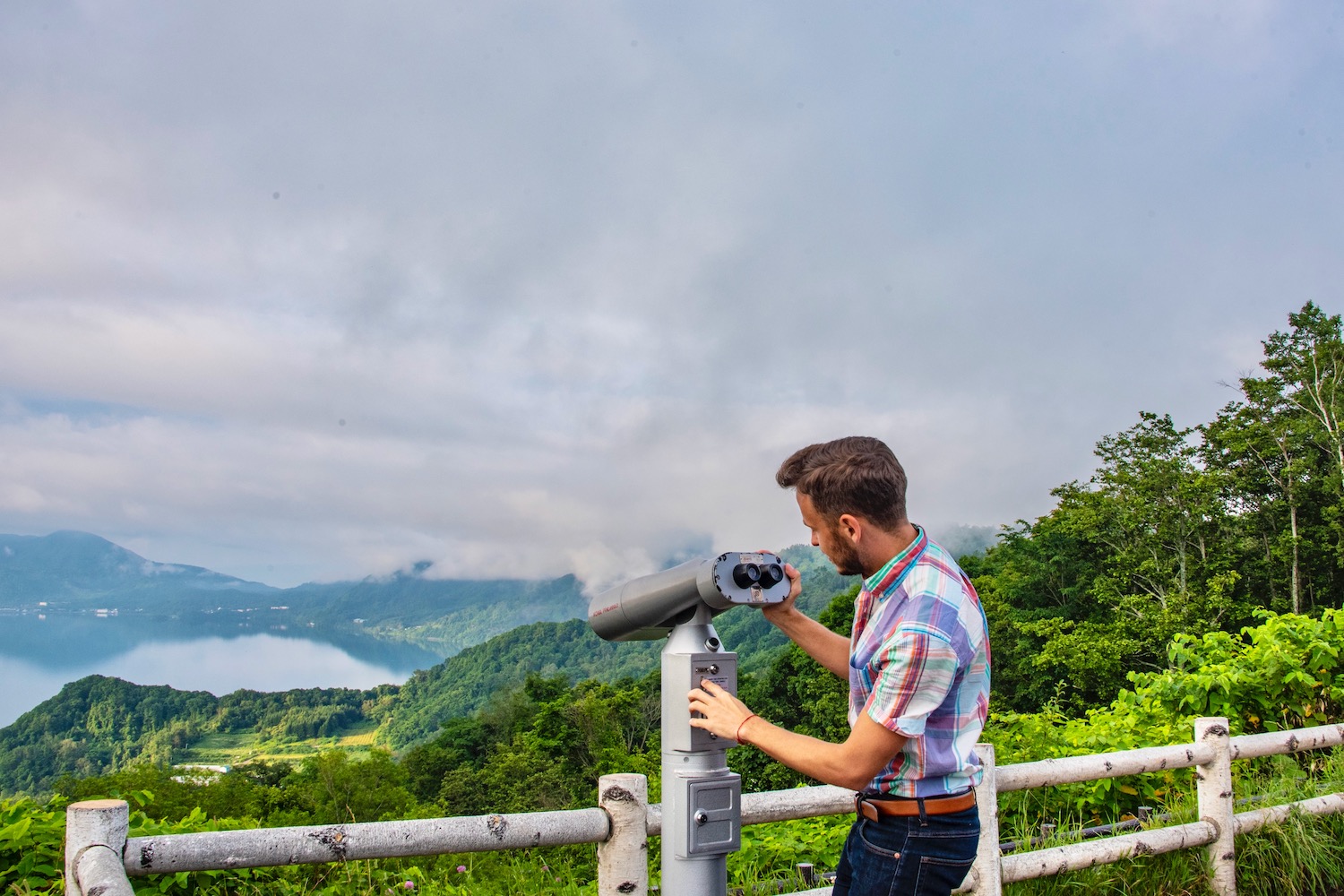
If you’re looking for slightly more dramatic scenery during your Hokkaido self-drive itinerary, rest assured: Japan’s northernmost island is as volcanic as the rest of the country. Whether you book a stay at one of the resorts along the shores of Lake Toya, or head to the popular hot springs town of Noboribetsu Onsen, there are plenty of amazing views and hot springs onsen baths to be had during the road trip Hokkaido takes you on.
Asahikawa Zoo and Numata fireflies
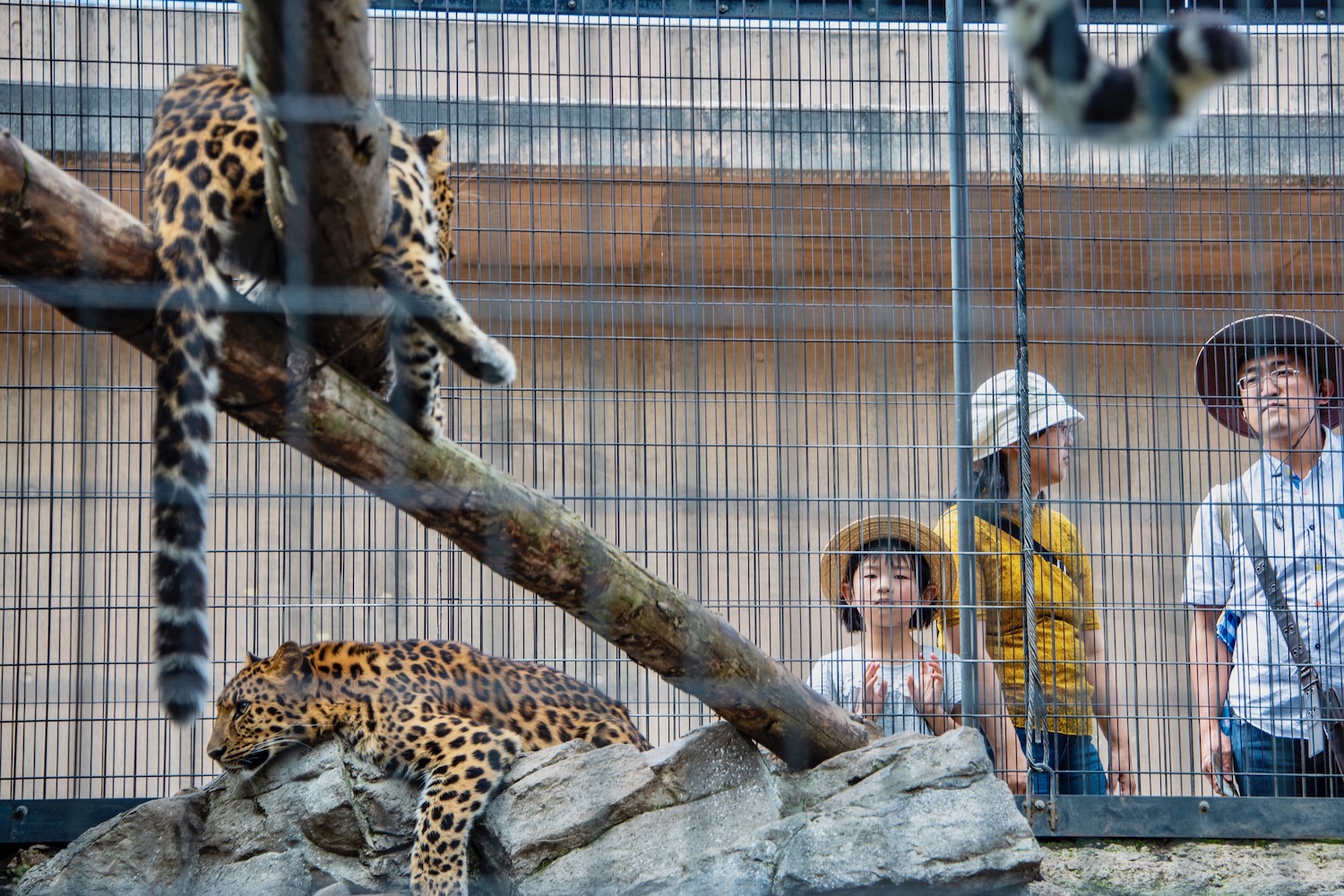
My Hokkaido road trip included all the places I mentioned above, but it also expanded upon them. For example, after traveling from Furano up to Biei (where I saw Shirahige Falls, which sits just two minutes by car from the Blue Pond), I spent a night and half a day in underrated Asahikawa, whose zoo is one of the most-visited in Japan, and which sits near Numata, Hokkaido’s premier spot for seeing fireflies (where—be warned—you can 100% expect to get eaten alive).
Capes Kamui and Shakotan
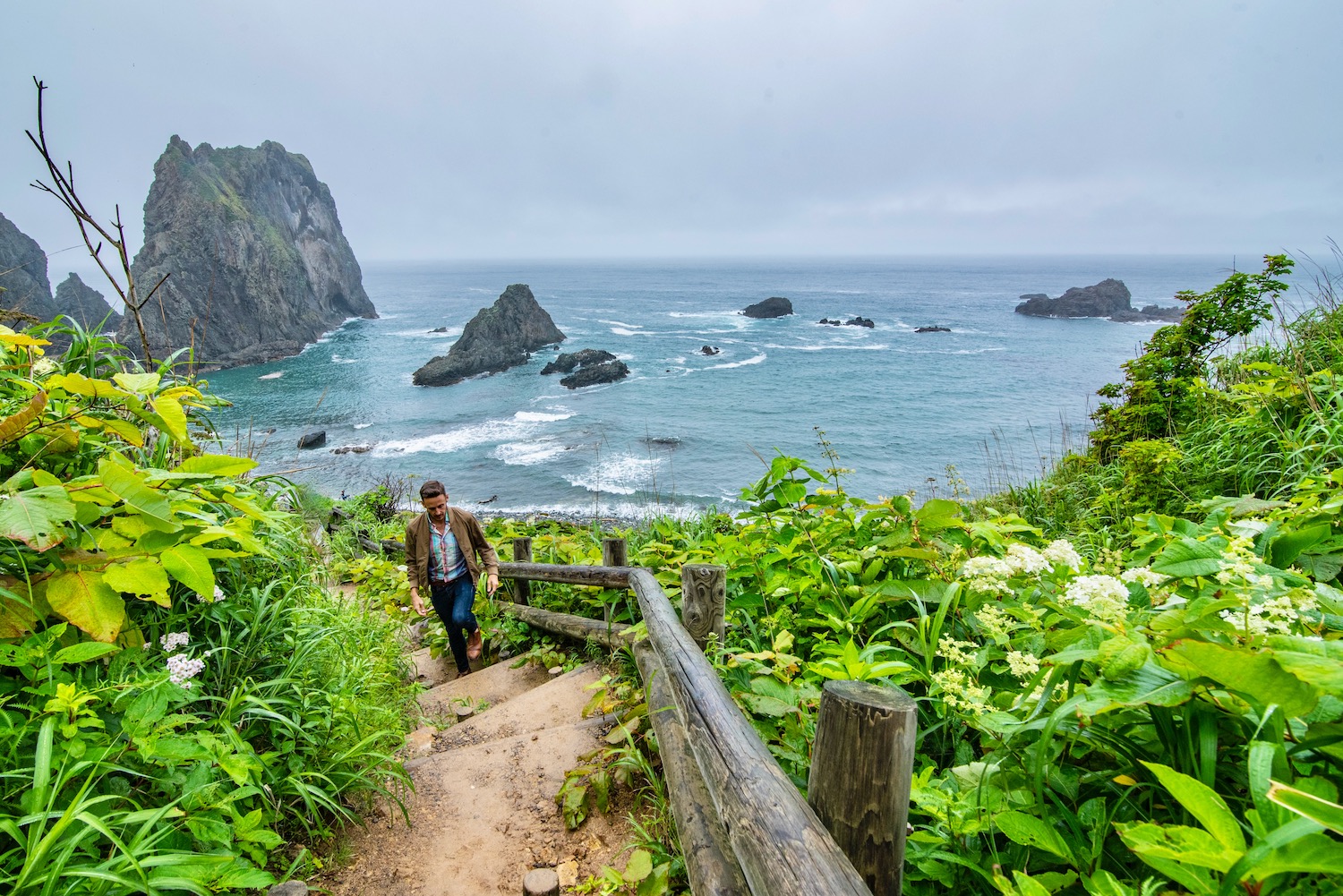
To be sure, though Hokkaido is an island, many travelers skip the coast entirely. Don’t be like them: Visit Capes Kamui and Shakotan. In addition to the beautiful views you can enjoy from atop the summit of each misaki, I suggest walking down to the wild beaches you find here, which are lush and gorgeous. If you’ll be driving around Hokkaido for more than about 3-4 days, these are definitely places you should consider adding to it.
Sapporo and Otaru
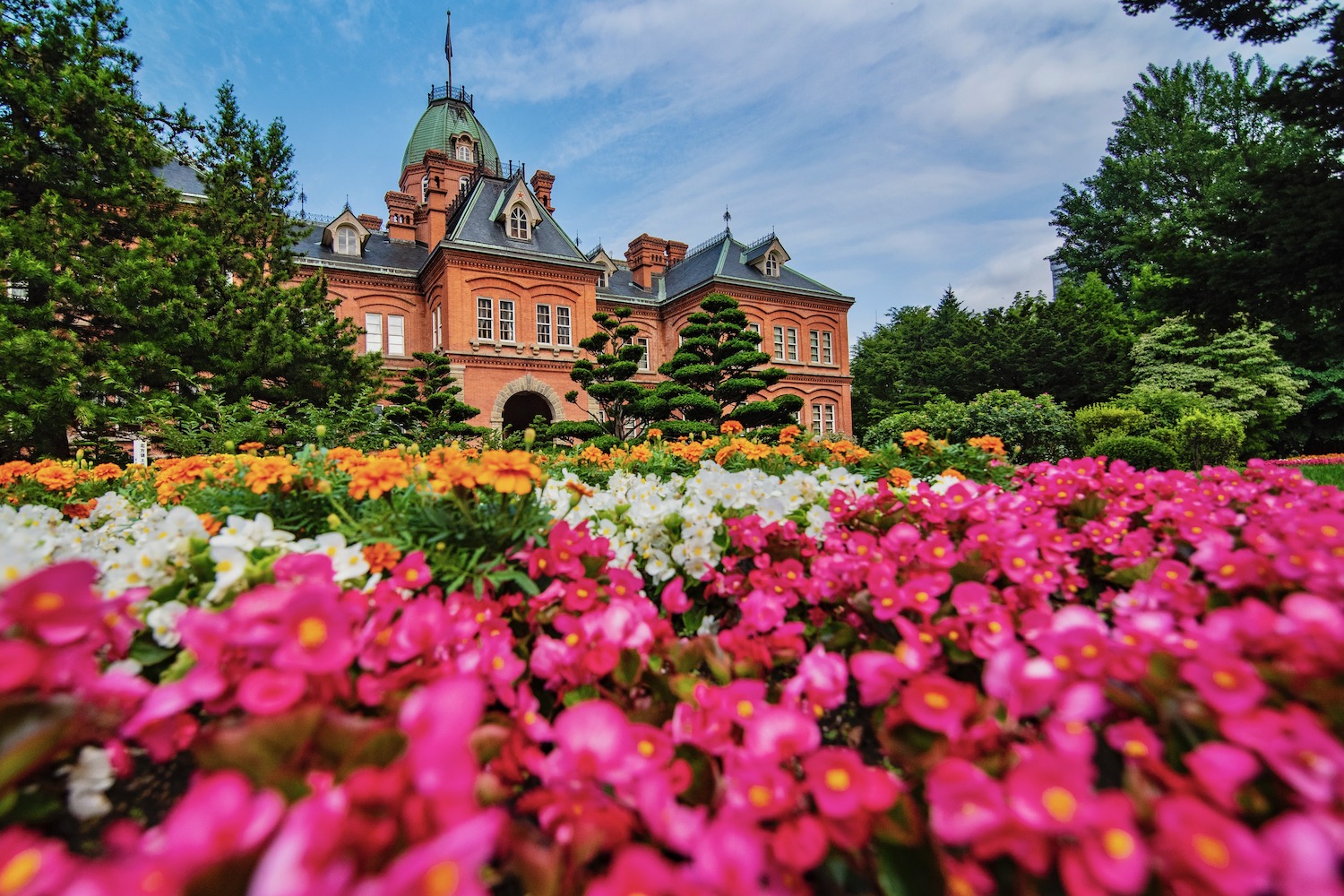
Or, you could simply walk down to the oceanfront in the port city of Otaru. It’s just a short bus ride from one of the most obvious places to go in Hokkaido in summer: the prefectural capital of Sapporo. When it comes to where to put it in your Hokkaido summer itinerary, I personally think this huge city makes a better last stop than a first one. (Especially since coming here last will allow you to enjoy Sapporo’s beer—and its beer museums—without the temptation to drive drunk!)
Visualizing a Week in Hokkaido in Summer
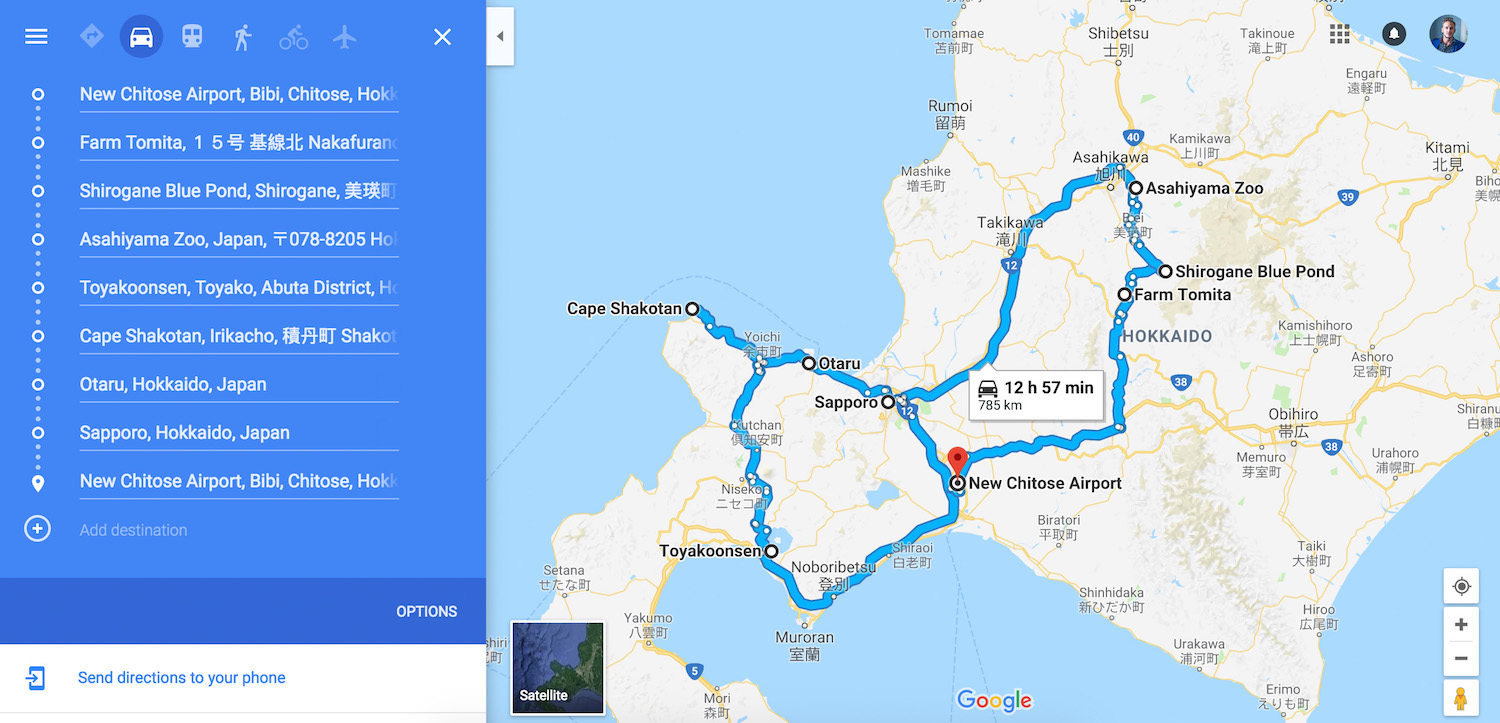
The photos above should provide an enticing preview of the sort of imagery you can expect when you enjoy your Hokkaido summer road trip itinerary. Looking for a more tangible visualization? Check out my Hokkaido road trip map! Simply click here) to see the route I’ve described in this post mapped out in a relatively broad way.
Where to Stay in Hokkaido During the Summer
Prices for Hokkaido summer hotels tend to be high, even for simple ryokan and guest houses. As a result, you’ll want to book these as soon as possible after lining up flights, booking a rental car and finalizing your route around the island. The good news is that most hotels in Japan (in Hokkaido and otherwise) can be canceled before your arrival date, so these are peace-of-mind bookings than final-answer ones.
Some of my favorite places I stayed in Hokkaido during the summer were the simple (but homey) Mimatsuso Ryokan in Asahikawa and the stylish Tokyu Stay Sapporo Odori in Sapporo. If I’m honest, rural Hokkaido accommodation (i.e. in Furano, Biei and Toya Onsen) leaves a lot to be desired.
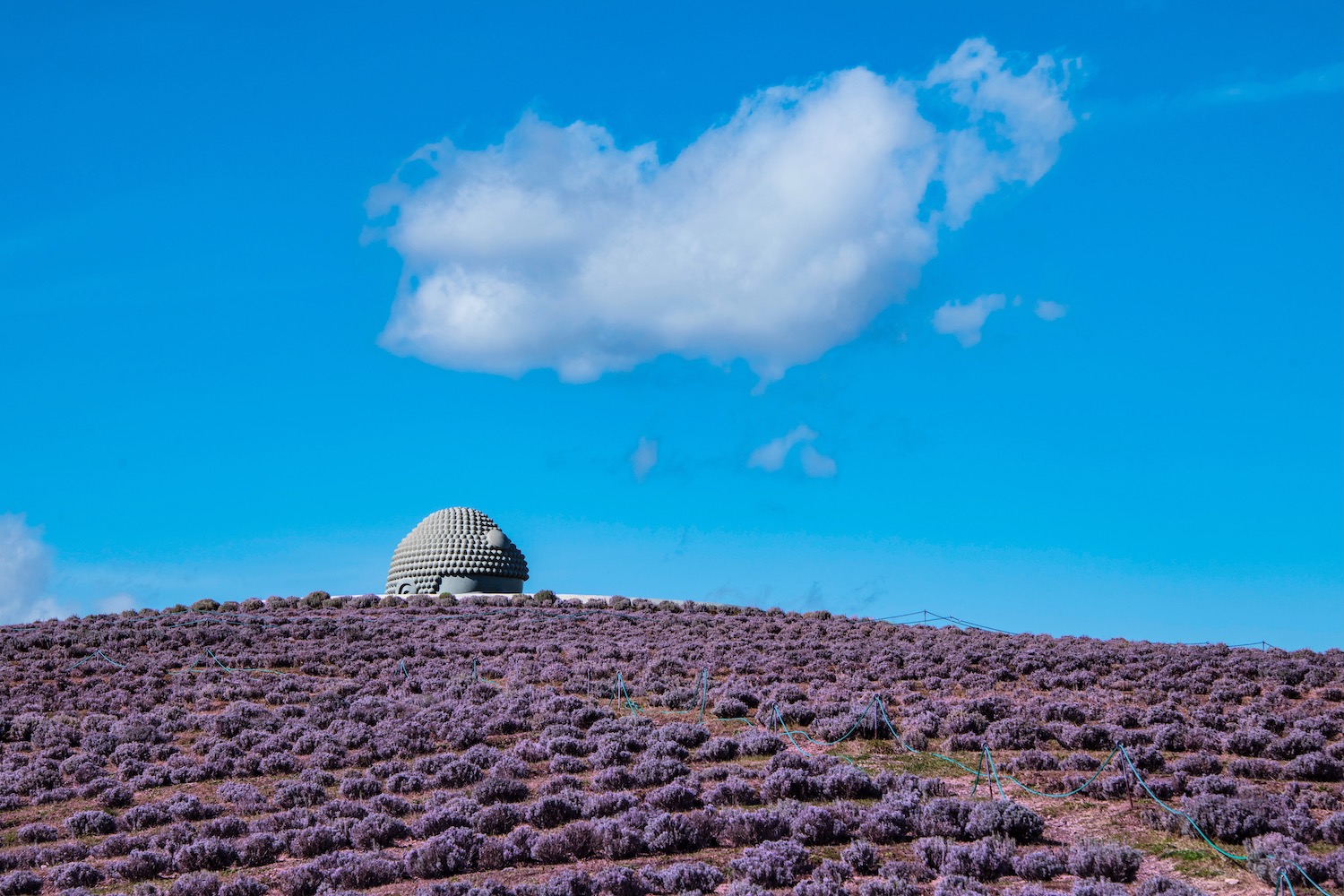
BONUS: Want to see summer flowers close to Sapporo? Add the Makomanai Takino Cemetery to your itinerary! In addition to featuring a massive Buddha surrounded by a lavender-covered mound, it’s also home to bizarre replies of Stonehenge and the Easter Island Monoliths.
Other Hokkaido Road Trip FAQ
Is it difficult to drive in Hokkaido?
Hokkaido is probably the easiest part of Japan to drive in, due to its low population density, high speed limits and spacious expressways. With this being said, driving in Hokkaido during its long, snowy winter is highly discouraged, given the sparse availability of emergency services.
What is the best way to travel around Hokkaido?
Hokkaido (with the exception of Hakodate) doesn’t have a Shinkansen, which means that trains are slow (albeit reliable) way of getting around the island. On the other hand, traveling by car isn’t always optimal either, given the large distances between some places. In practice you may need to combine various transport modes, including intra-island flights.
Do you need a car to explore Hokkaido?
You don’t need a car to explore Hokkaido, but it makes matters easier. This is particularly the case if you wish to visit the lavender fields of Furano, which would otherwise require you to take slow, circuitous train or bus routes to reach, and also in rural areas like the Shiretoko Peninsula.
The Bottom Line
Even if you only use it as a starting point, this Hokkaido road trip itinerary will make planning your summer romp around Hokkaido a lot easier. From tips about renting cars and where to stay, to an overview of Hokkaido summer attractions from the obvious (Furano’s lavender farms) to the slightly more obscure (Capes Kamui and Shakotan; the underrated city of Asahikawa), Hokkaido is a lot of fun to visit during summer, even if you’ve already been in autumn or winter. Want to make sure your Hokkaido summer itinerary is one for the record books? Commission a custom Japan itinerary today, and let me sweat the details.