


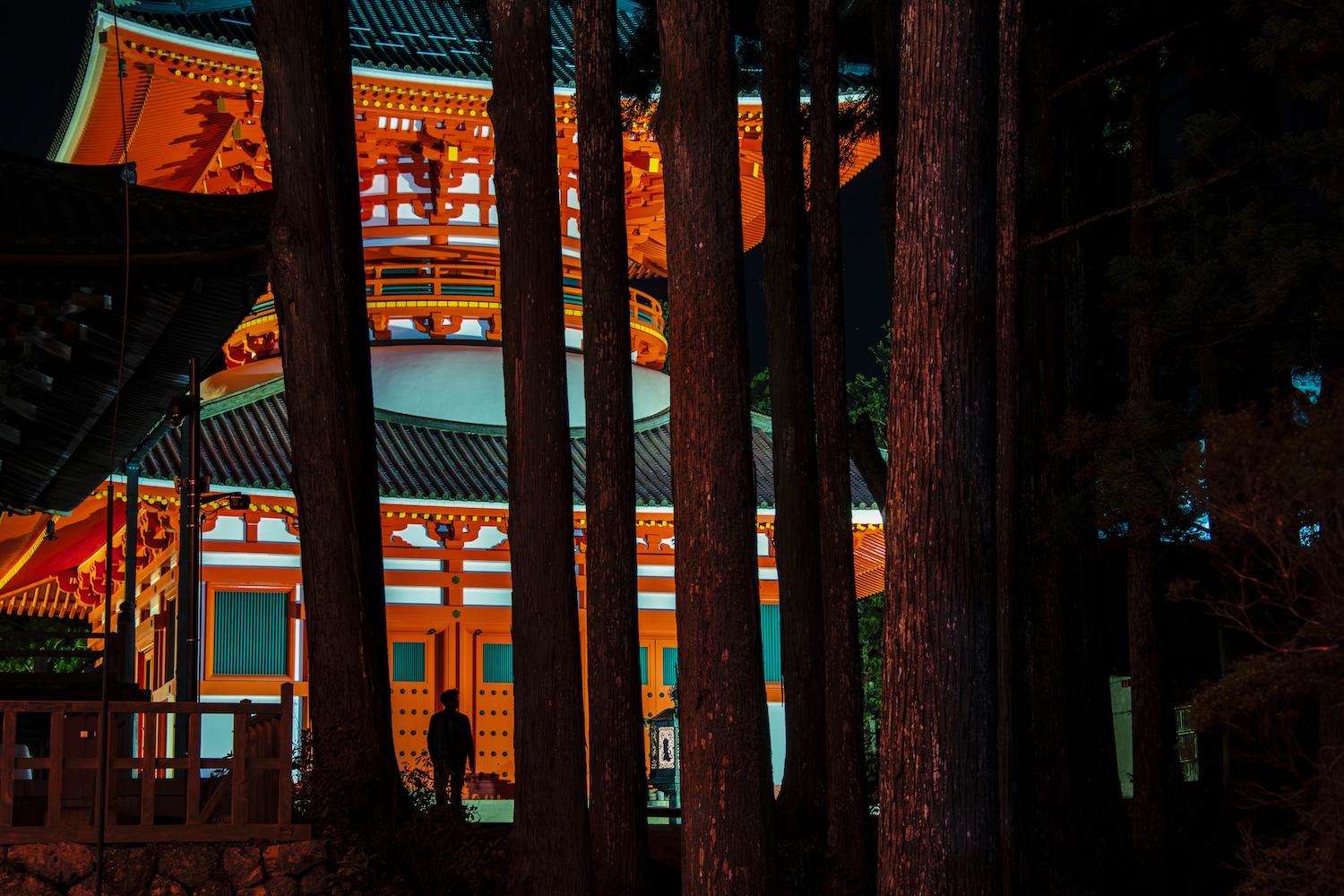
Japan’s Kansai region presents a conundrum. On one hand, it’s home to some of the country’s most popular—and, by tourists anyway, populated—destinations, namely Kyoto and Osaka.
On the other hand, much of Kansai even slightly off the tourist trail is completely unspoiled, including cities and towns accessible directly via train from its major cities.
When it comes to going off this region’s beaten path, to be sure, the contest between Wakayama vs Nara might seem to havre a clear winner—the latter, after all, is one of the busiest day trip destinations anywhere in Japan. But for reasons I’m about to explain, this conclusion isn’t necessarily accurate.
Nara is (Mostly) Off the Beaten Path
Before I dig into helping you choose between Wakayama or Nara, allow me to drop a bomb on you: Outside of central Nara city (and a couple of other places), Nara prefecture is rural and undiscovered. I realize this might come as a shock, if your only memories of the place are on a day trip. walking through Nara Park surrounded by hundreds of deer and tens of thousands of other humans.
If I’m honest, in fact, even the city of Nara itself clears out dramatically in the evenings and early mornings, given that most visitors are just there for the day from Kyoto or Osaka. This reality also applies to Yoshino; when you combine it from the perpetually uncrowded state of places like the ancient town of Asuka, you realize that the fight between Nara and Wakayama is a lot fairer than it might officially appear to be.

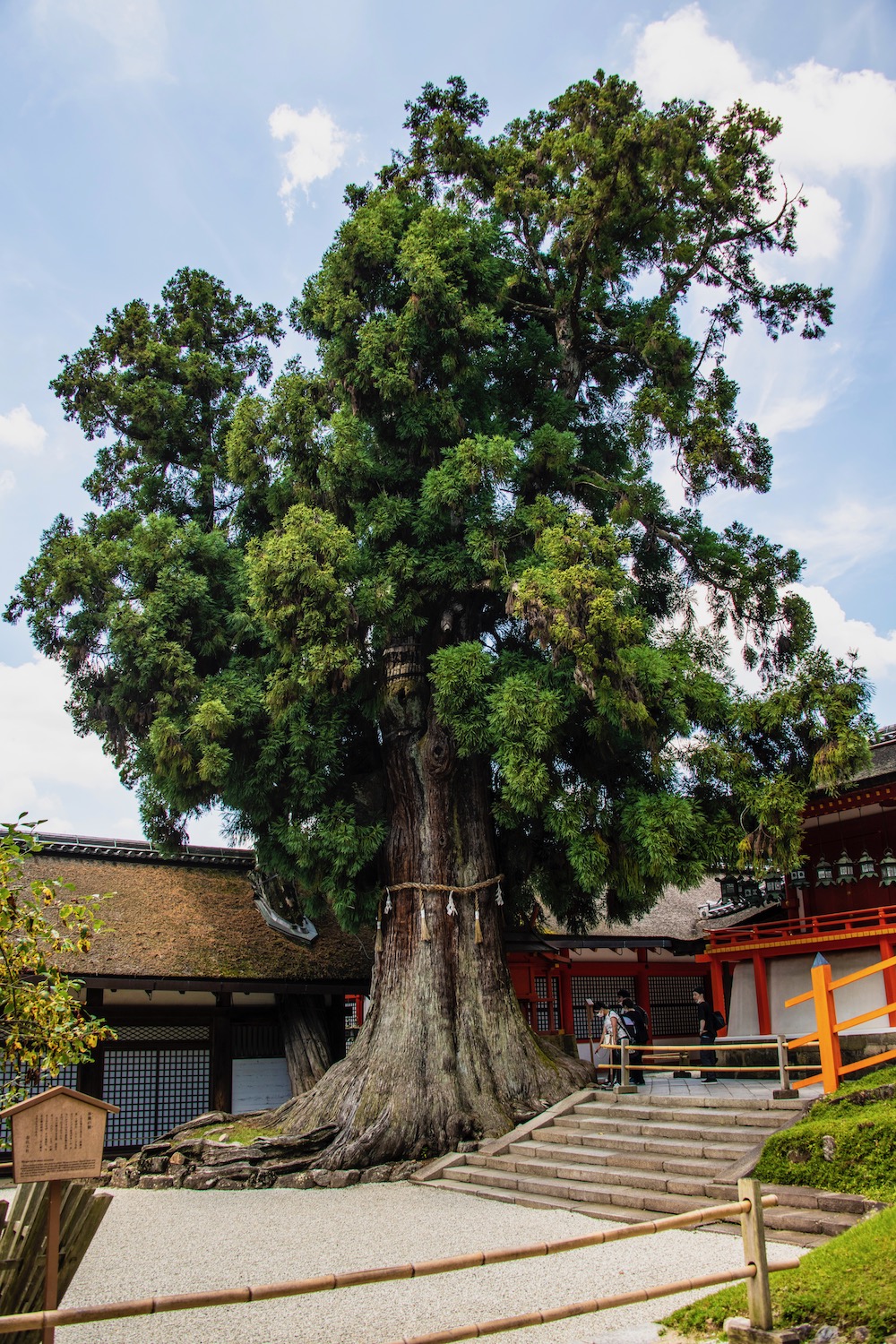


Ways to Compare Wakayama with Nara
Ease of access
Depending on where in the prefecture you’re headed (more on options in a second), both Nara and Wakayama are very easily accessible. You can reach Nara City, for example, via direct JR train from Kyoto (Nara Line) or Osaka (Yamatoji Line), as well as Kintetsu trains from both cities. Koyasan (Wakayama’s most popular destination), meanwhile, is directly connected to Osaka’s Nankai Namba Station via the Nankai Koya Line.
Bases and accommodation
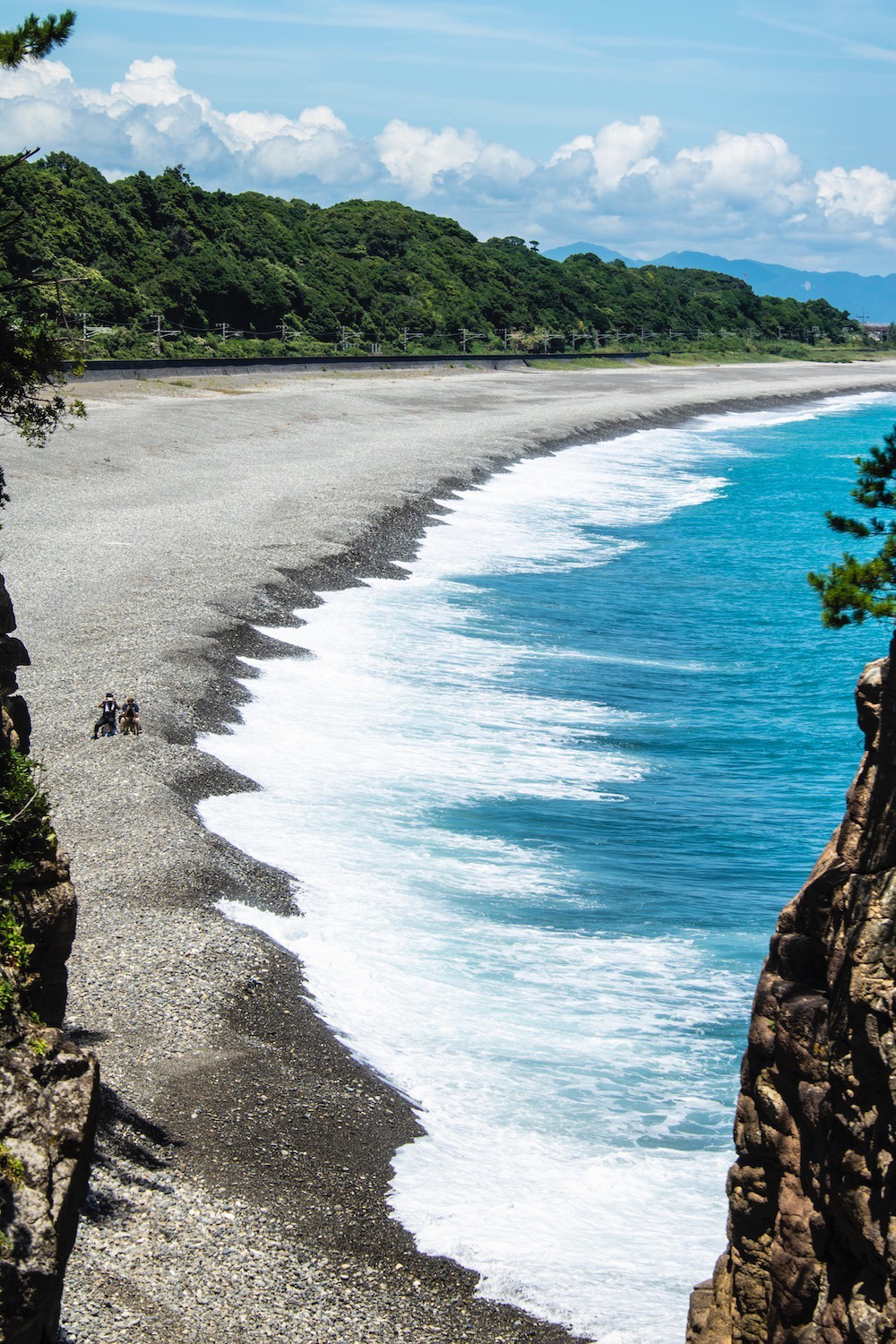
Of course, just because you’re visiting Wakayama and Nara doesn’t mean you’ll base yourself atop Mt. Koya or in Nara City. In Nara, for example, you could choose to stay on or near the cherry blossom paradise of Mt. Yoshino. Wakayama, too, offers multiple potential bases. Stay in Shirahama if you want to prioritize the beach; the towns of Kii-tanabe, Chikatsuyu, Hongu and Shingu can all host you for a night (or two) hiking the Kumano Kodo.
Day trips and excursions
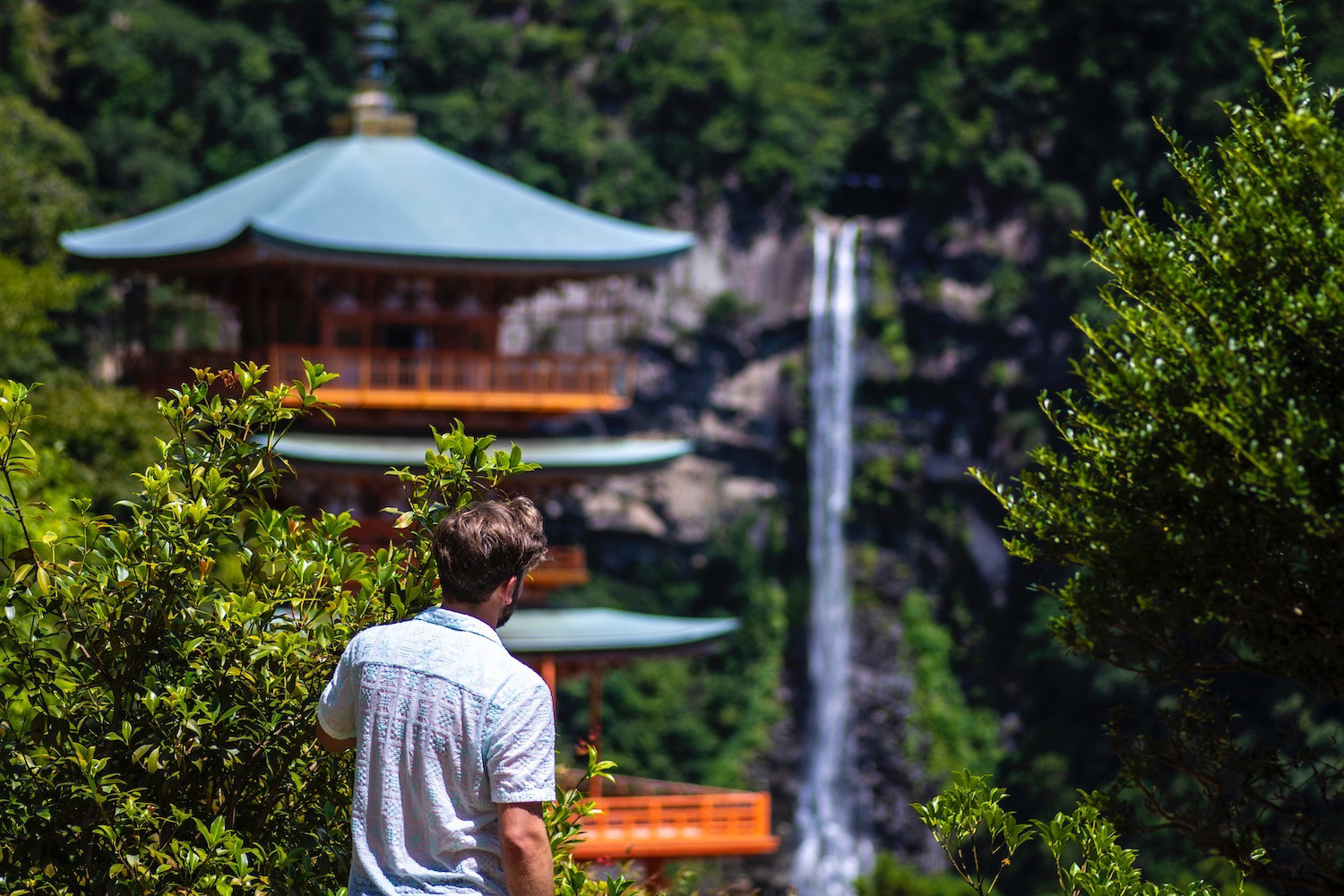
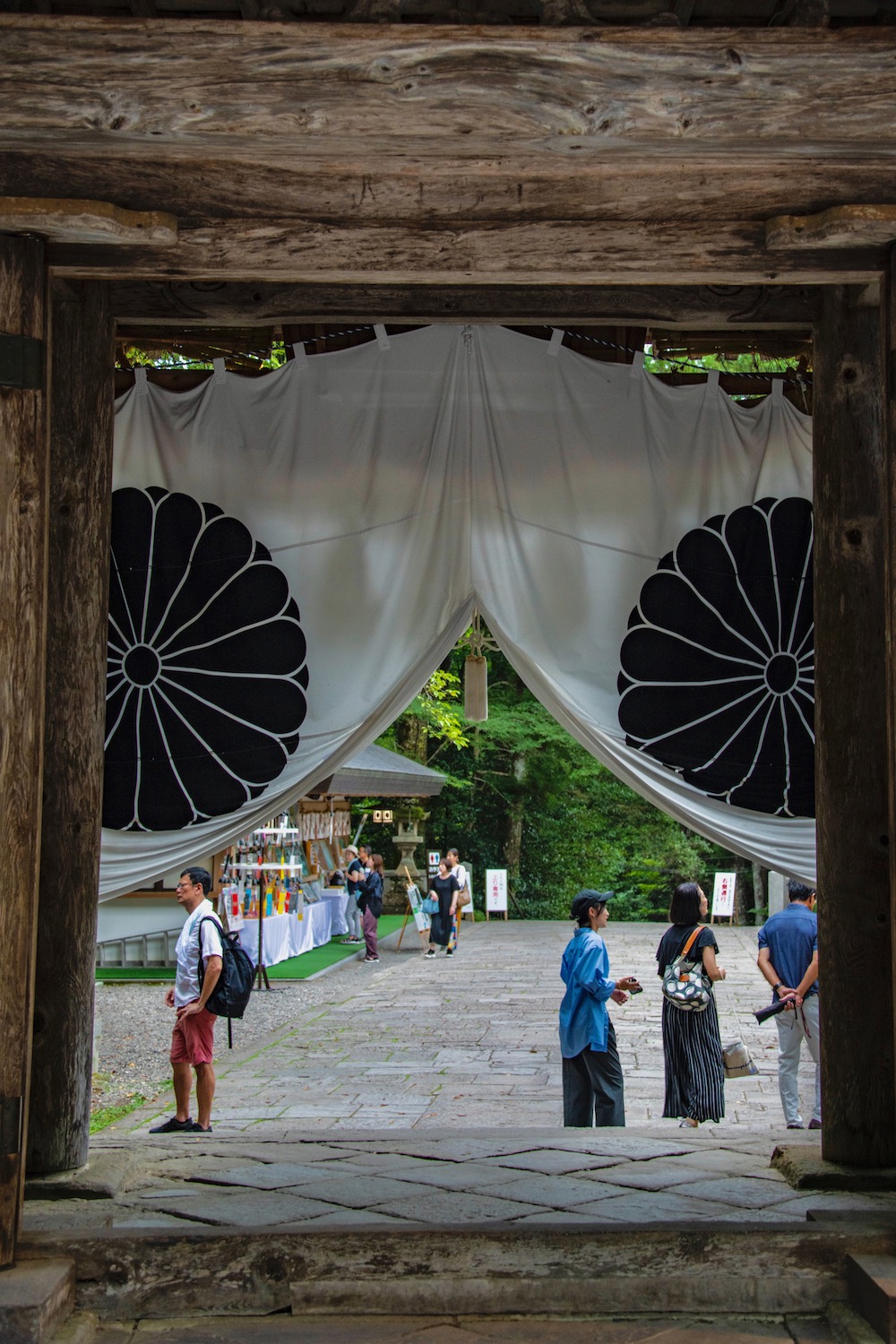
Speaking of the Kumano Kodo, the good news is that if you don’t have multiple days for your trek, you can go via day trip to any number of places along it. The easiest of these is Nachi Taisha, the so-called “Waterfall Pagoda” near Kii-Katsura city. From Nara City, meanwhile, both the aforementioned Mt. Yoshino and Asuka are accessible as day trips.
Seasonal beauty
Whether you choose Nara or Wakayama, you can enjoy a variety of scenery depending upon you visit. Central Nara and its deer are most resplendent under the sakura of spring or autumn’s scarlet maples. In Wakayama, top cherry blossom spots include Wakayama City and the lower-lying portions of the Kumano Kodo; Koyasan, though it is home to some sakura trees, is most seasonally beautiful in autumn and winter.
Onward extensions
Your adventure may begin in Wakayama or Nara, but it needn’t end there. From Nara, you can easily continue to Wakayama, or go in the other direction to Kyoto, Osaka, Hyogo or Shiga. From Wakayama, meanwhile, you can continue around the Kii Peninsula into equally underrated Mie prefecture, or continue northward from there to Nagoya, where prefectures like Gifu and Shizuoka are just a short onward train ride away.


How Long Do You Need in Nara? What About Wakayama?
For Nara, timing is the biggest factor in whether your trip feels frenzied and stressful, or totally relaxing. As I referenced earlier, spending the night in Nara can, all on its own, change the entire mood of your time in the city. Even if you don’t go anywhere outside the city center, this will allow you to enjoy the uncrowded late evening and early morning at major attractions, which results in them feeling like they belong to you.
This is less important in the case of Wakayama, unless you are literally just going to Koyasan for the day. For example, even on a run-of-the-mill four-day, three-night trip along the Kumano Kodo, you’ll feel like you are deep in the wilderness and far off the beaten path. The advantage of a longer Wakayama trip is that it opens up more destinations; there’s simply more to explore here than there is in Nara.
Other FAQ About Nara and Wakayama
Is Wakayama, Japan worth visiting?
Wakayama is one of the most underrated parts of Japan—it’s completely worth visiting, particularly if you have time to explore the prefecture beyond Mt. Koya, its most famous destination. This might include hiking the Kumano Kodo pilgrimage, or hitting the beach in Shirahama.
Is Nara really worth it?
Nara is definitely worth visiting in a general sense, however making a few easy modifications to your trip can take it to the next level. These include staying the night there, instead of just taking a day trip from Kyoto or Osaka, and visiting rural Nara destinations such as Mt. Yoshino and Asuka.
How long to spend in Wakayama?
Wakayama is a huge and mostly unexplored part of Japan, which offers endless treasures to travelers who take the time to discover it. I’d suggest spending a minimum of 5-7 days in Wakayama to discover its treasures, which include holy Mt. Koya, the sacred Kumano Kodo pilgrimage and beautiful Shirarahama Beach.
The Bottom Line
Comparing Wakayama vs Nara isn’t as clear-cut as it might appear on the surface. This is first and foremost because so many travelers see the city of Nara (one of the most crowded places anywhere in Japan) and Nara prefecture as one in the same—they’re not. By contrast, certain places in Wakayama (namely, Mt. Koya) have become so popular that they directly contradict the image of that prefecture as a sleepy backwater. Ultimately, both of these spectacular sections of southeastern Kansai are great places to get off the busy region’s beaten path. Need personalized help integrating them into your trip? Consider commissioning a custom Japan itinerary today!