


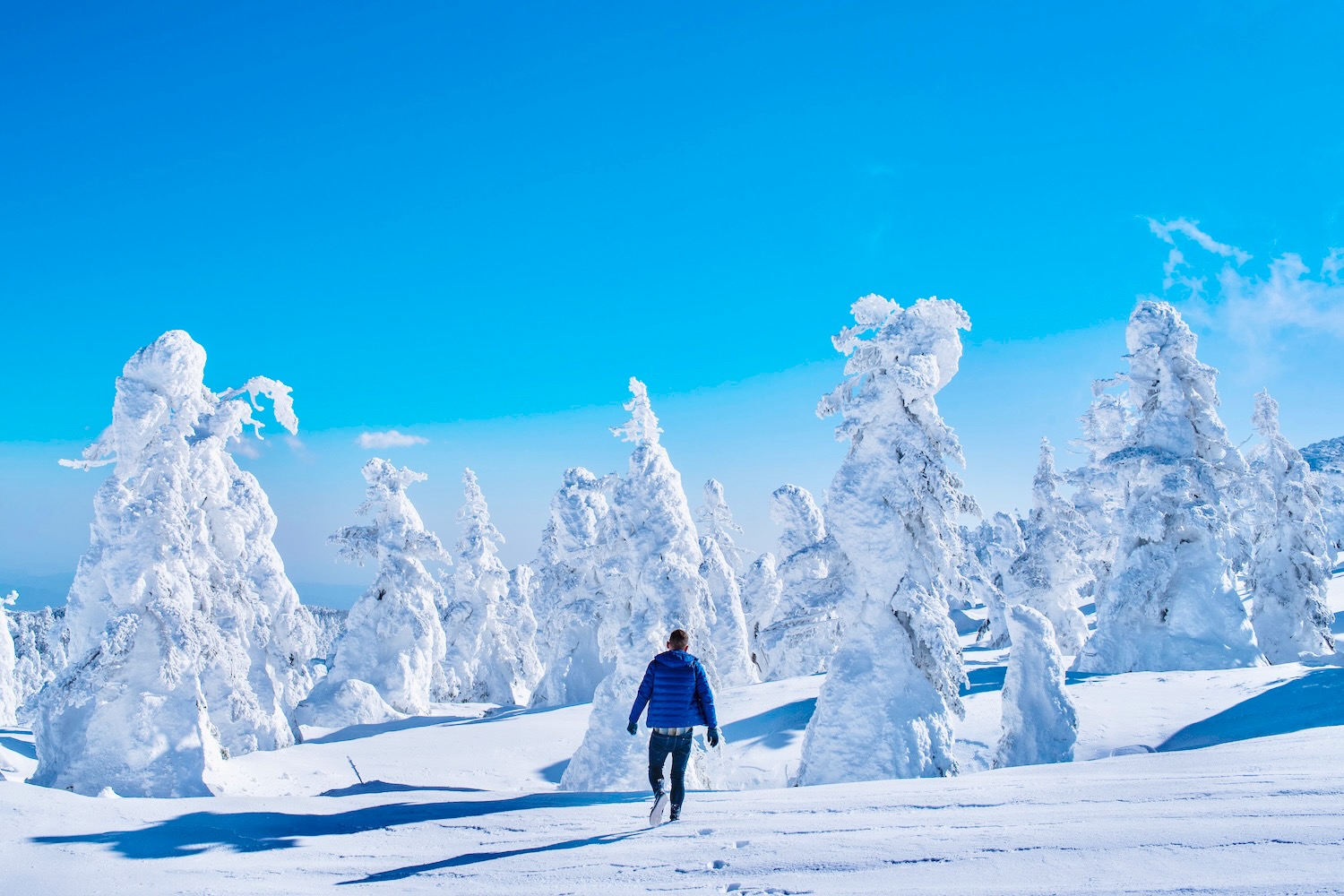
Before I unveil my comprehensive, time-tested Tohoku itinerary, I want to gush: Tohoku, broadly speaking, is my favorite region of Japan. It took me a few years to feel comfortable saying this—I wouldn’t have wanted San’in or Shikoku to feel offended—but I can now declare it confidently.
I’ll be making a specific case for this position shortly. The tl;dr version? Tō-hoku (which literally just means “northeast” in Japanese) combines the wild, northern scenery you find in Hokkaido with a centuries-old cultural tapestry; it lacks the oppressive crowds of Kansai or Kanto, in spite of hosting attractions worth of them.
Whether you’re on the hunt for an actionable Tohoku travel guide, or simply want inspiration for planning your own trip to this underrated region, you’re in the right place. Or at least you will be, once your Shinkansen arrives in Sendai.
Where to Stay in Tohoku
For a long time, I declared that Tohoku hotels were nothing to write home about—and in some sense, this was true. Even today, many of the city properties are unspectacular, even if newer properties from Daiwa Roynet (like the one in Morioka) or Dormy Inn (such as the one in Aomori) have replaced some of the older, smokier lodgings that were previously the only options in those cities.
However, it’s really the more rural and suburban accommodations in Tohoku that make for special stays. For example, the Hotel Matsushima Taikanso near Miyagi prefecture’s scenic Matsushima Bay. Another option, if you’ve rented a car (and, thus, can go far off the beaten path) and don’t have a set budget, is the truly opulent Meigetsuso, which is nestled in the wooded hills of Yamagata prefecture.
Popular Places to Visit in Tohoku
Miyagi
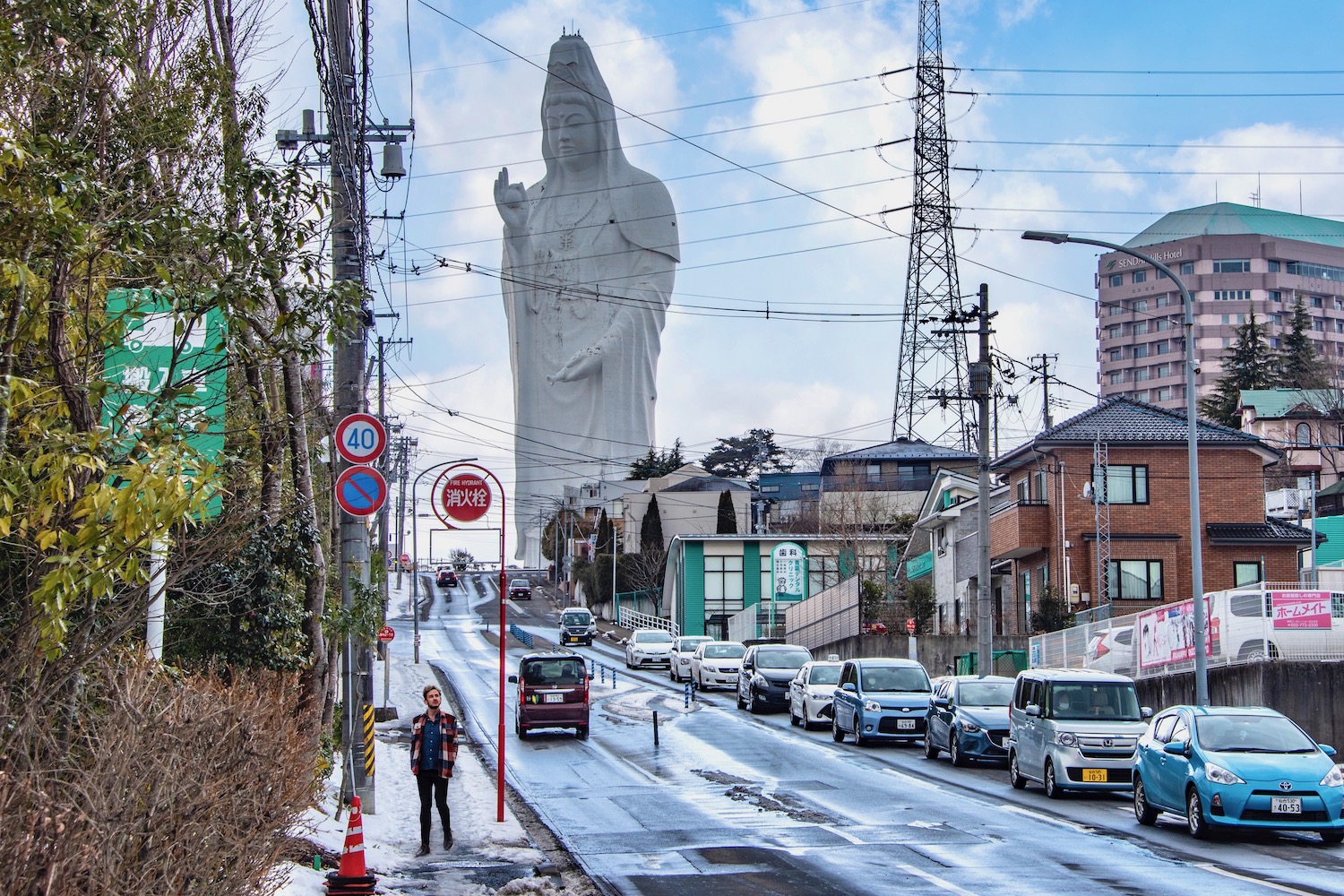
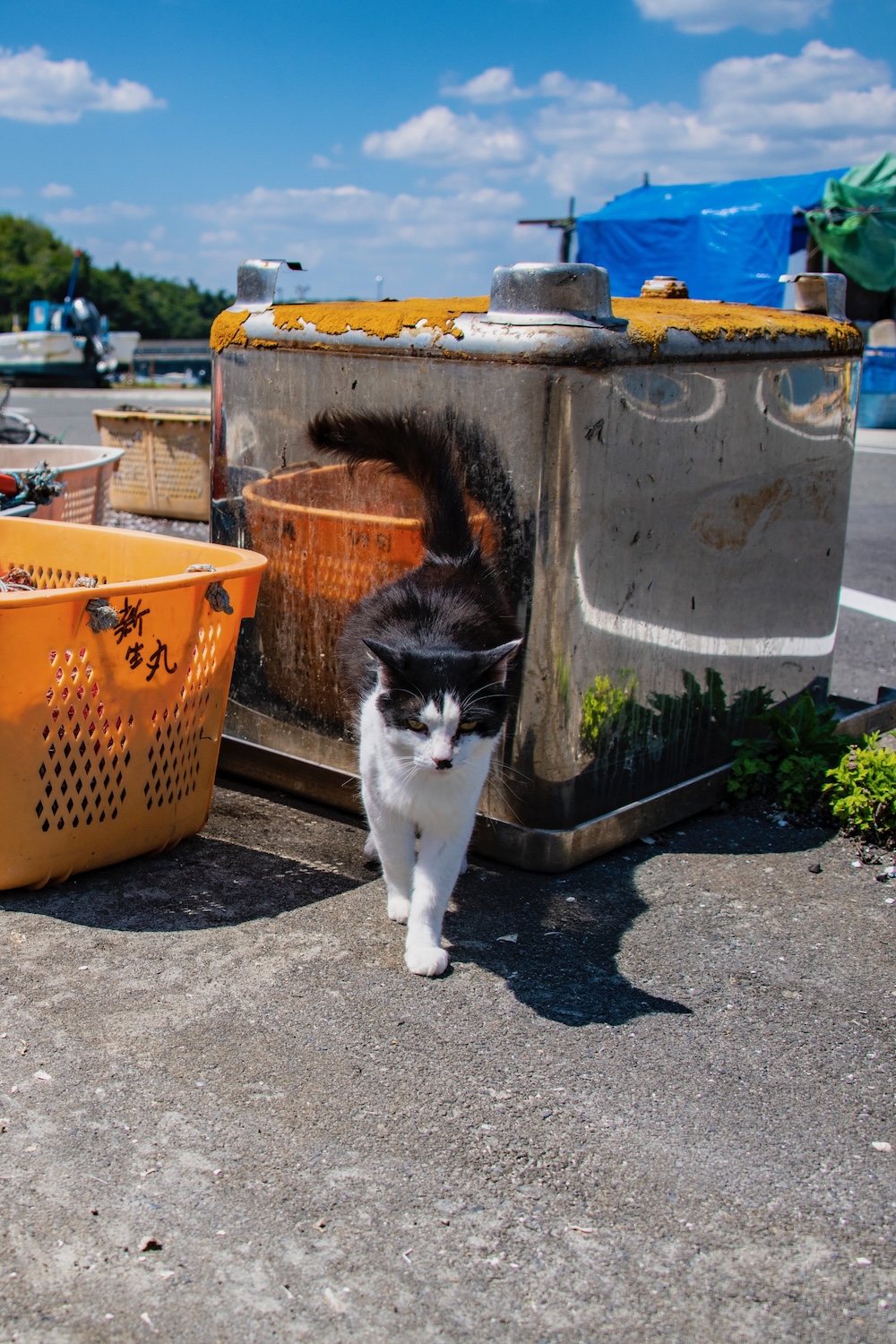
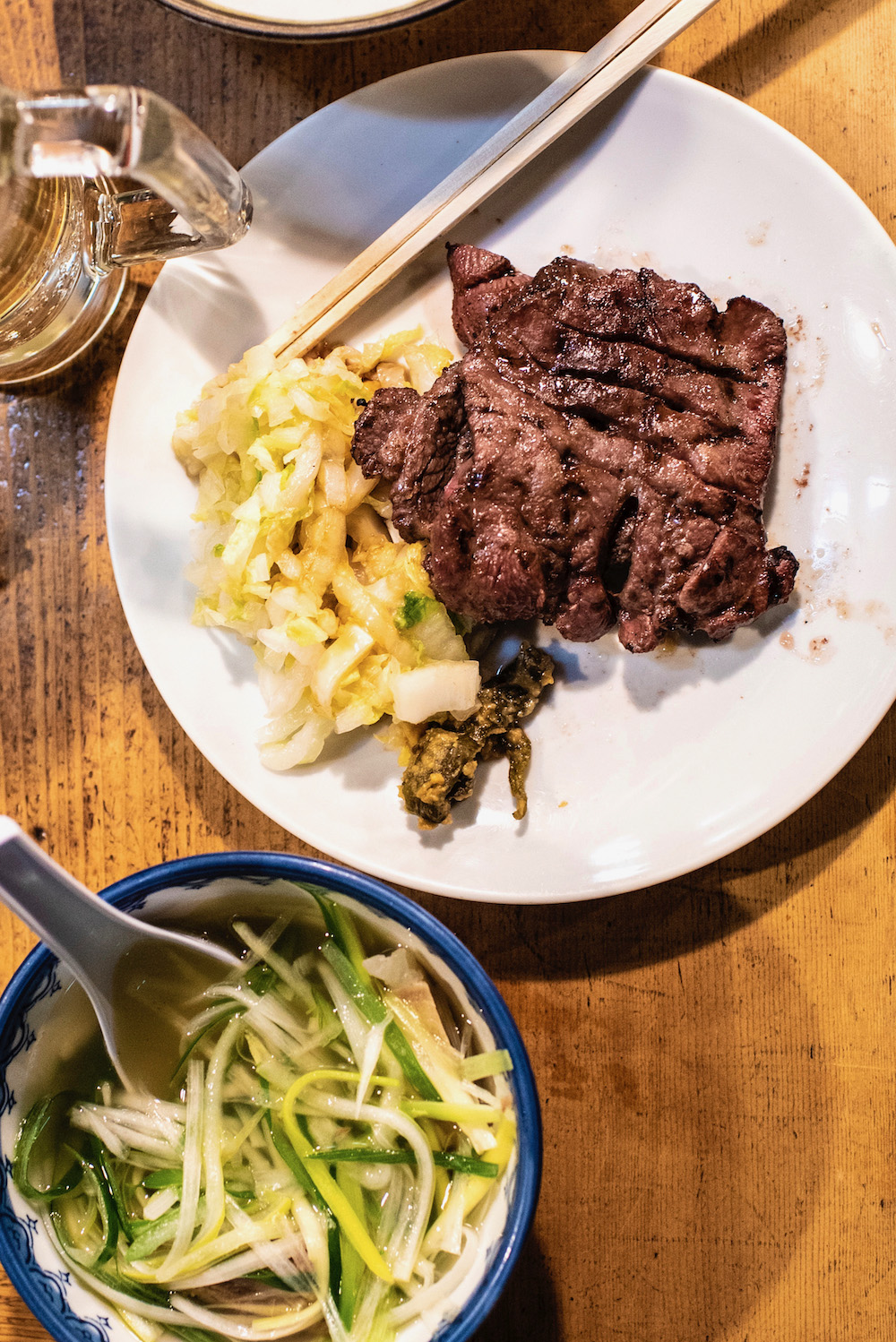

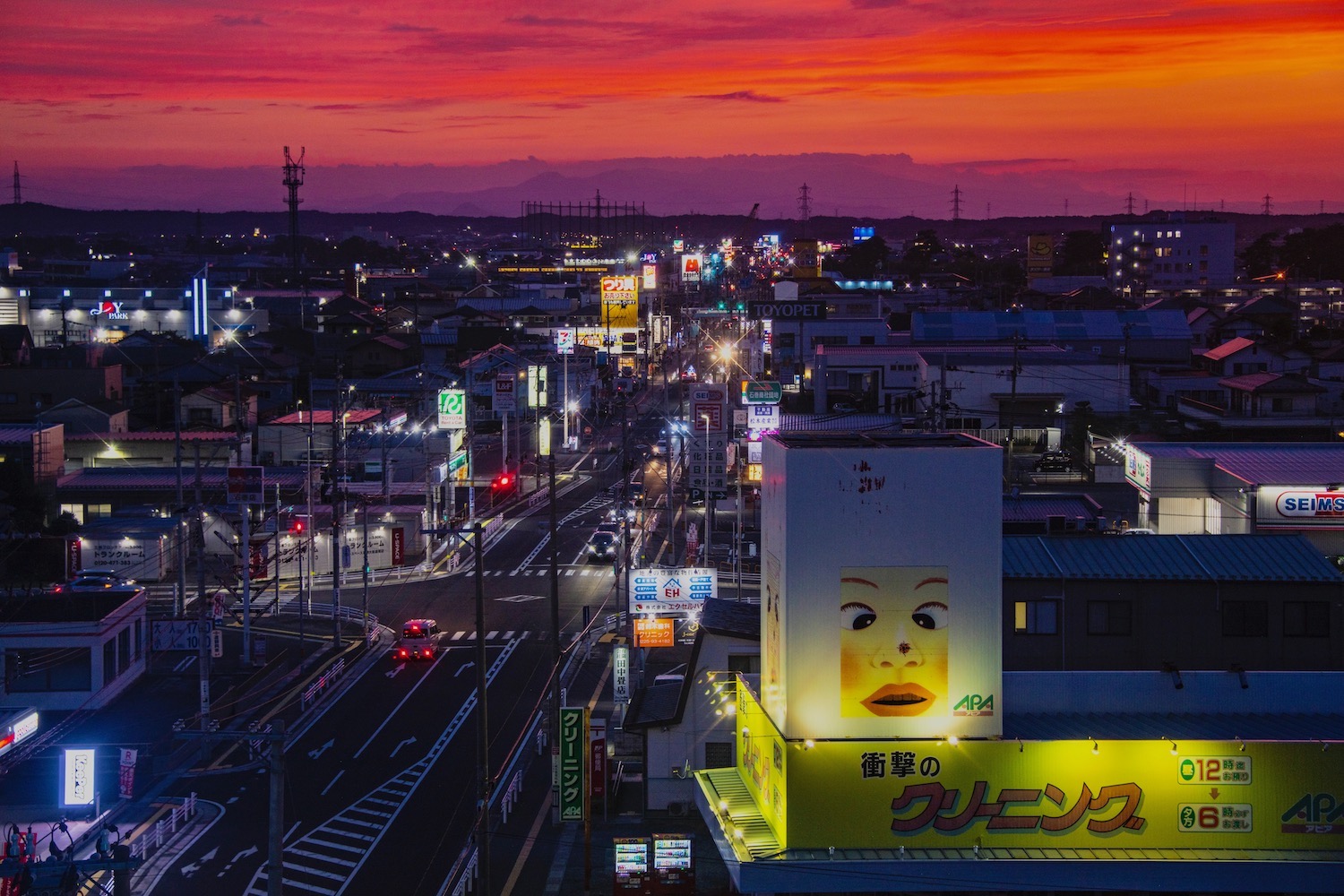
Sendai is the largest city in Tohoku, and also its most-visited. If I’m honest, I didn’t appreciate it for a long while, though I’m glad I eventually changed my tune. From city center attractions like Zuihoden Temple and the Aoba Castle Ruins, to wondrous day trip spots like Matsushima Bay and Shiogama Shrine, Sendai overperforms expectations. Its surrounding Miyagi prefecture is also where you’ll find the Tashirojima “cat island,” as well as underrated coastal cities like Kesennuma and Ishinomaki.
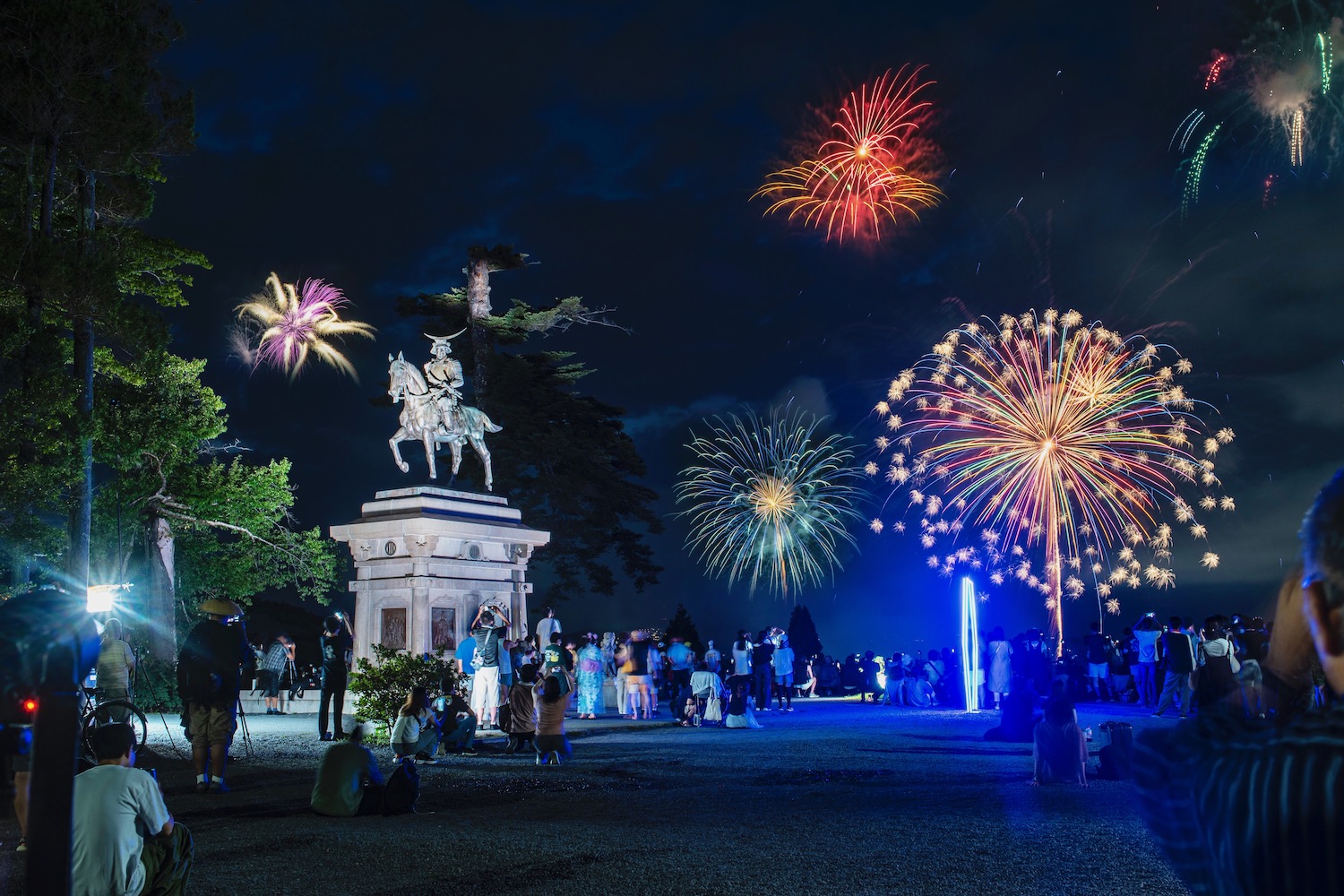
TIP: Visiting Japan during the summer? Consider coming to Sendai in early August, when the annual Tanabata Matsuri adds a festive feeling (and fireworks!) to the city.
Aomori
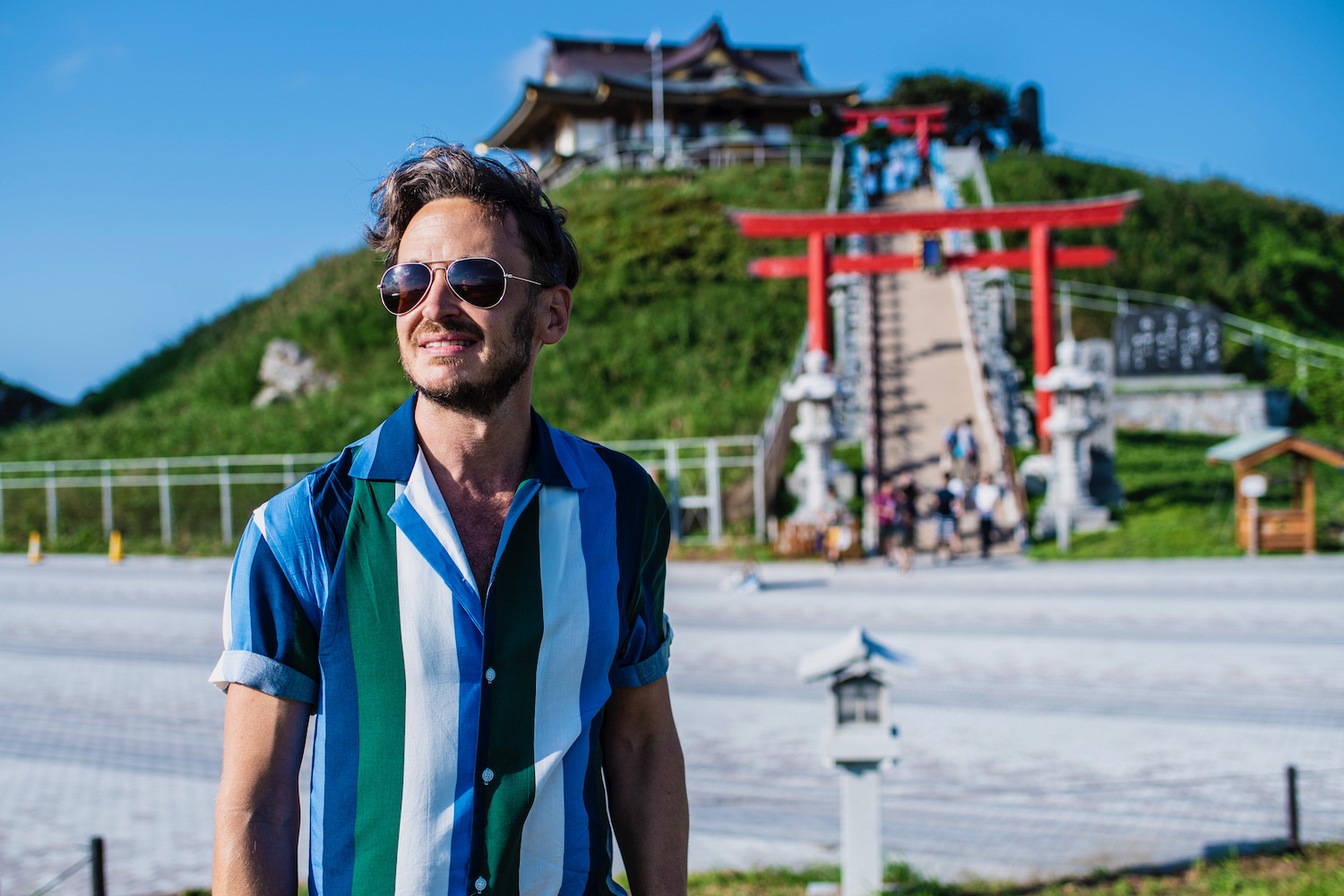
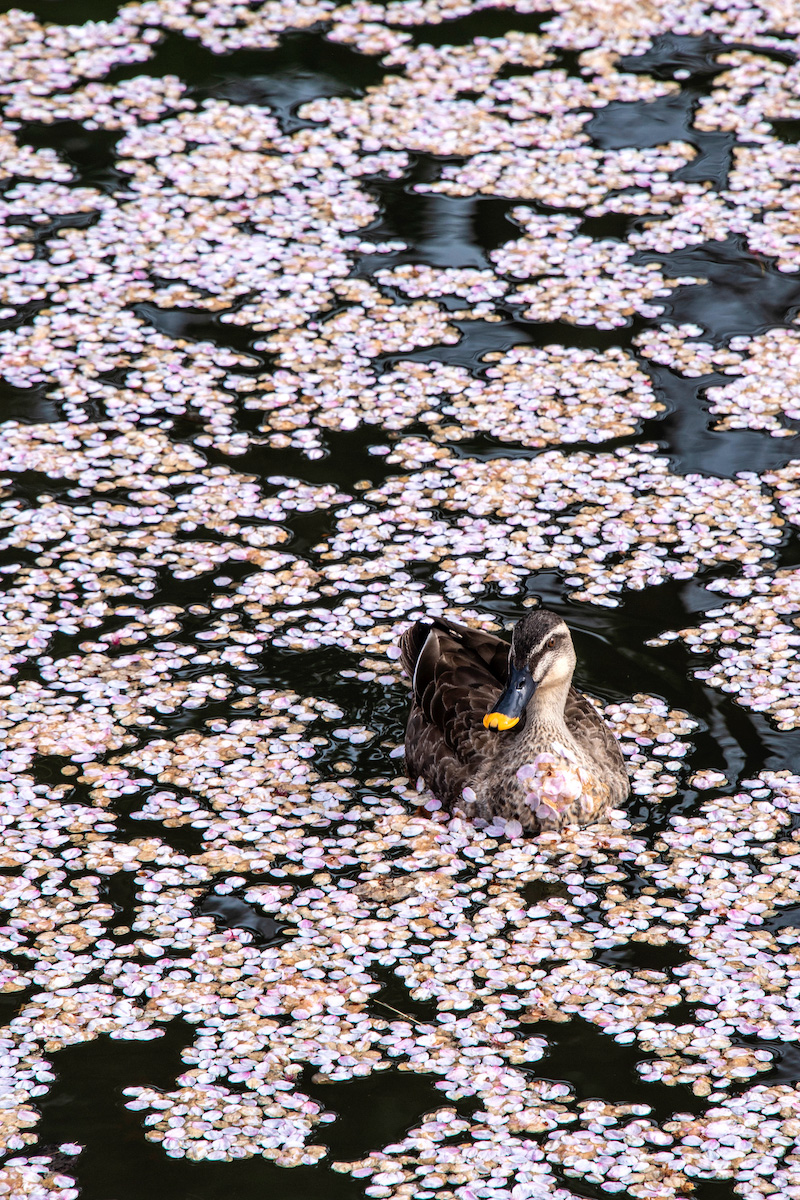
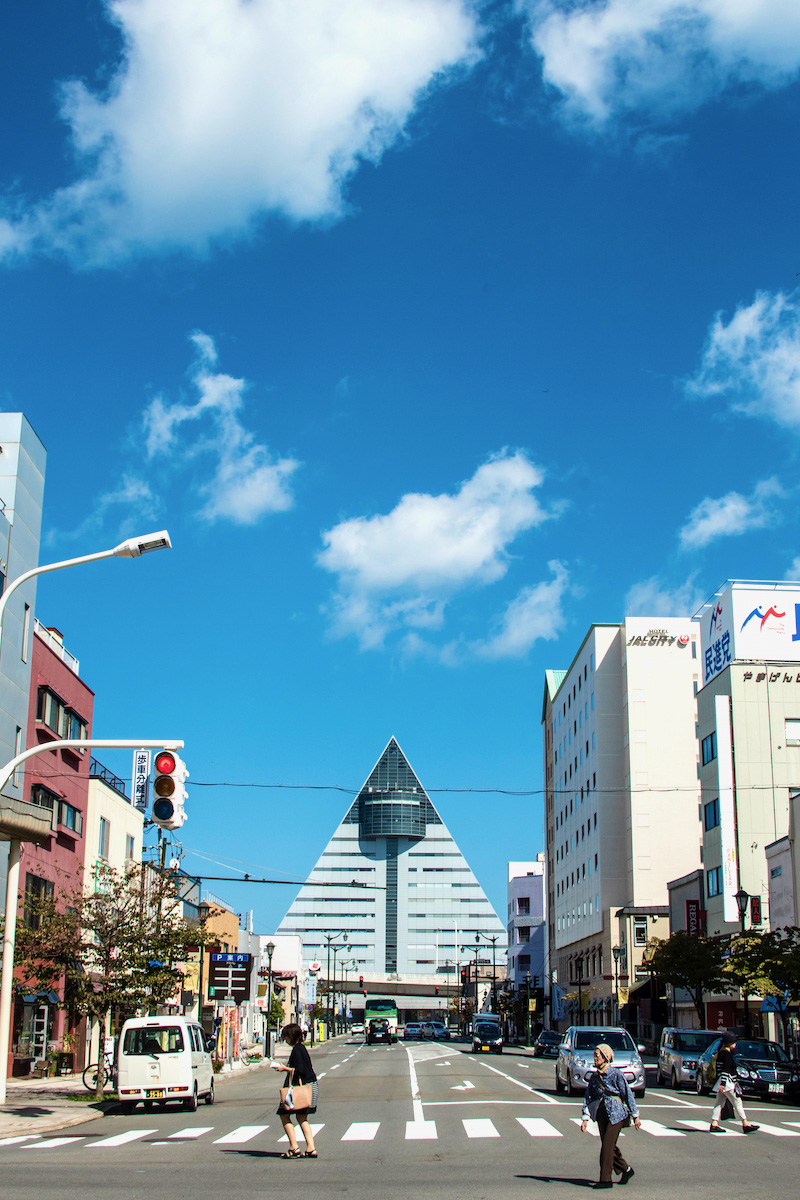
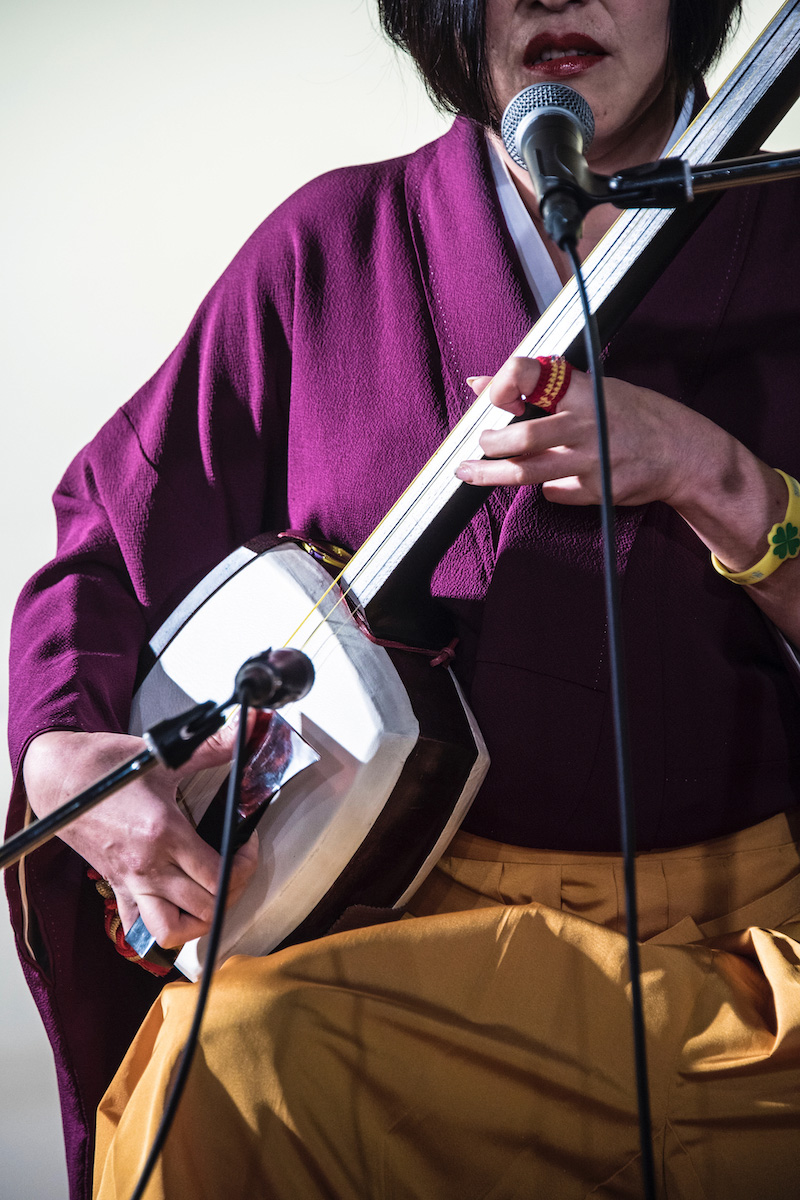
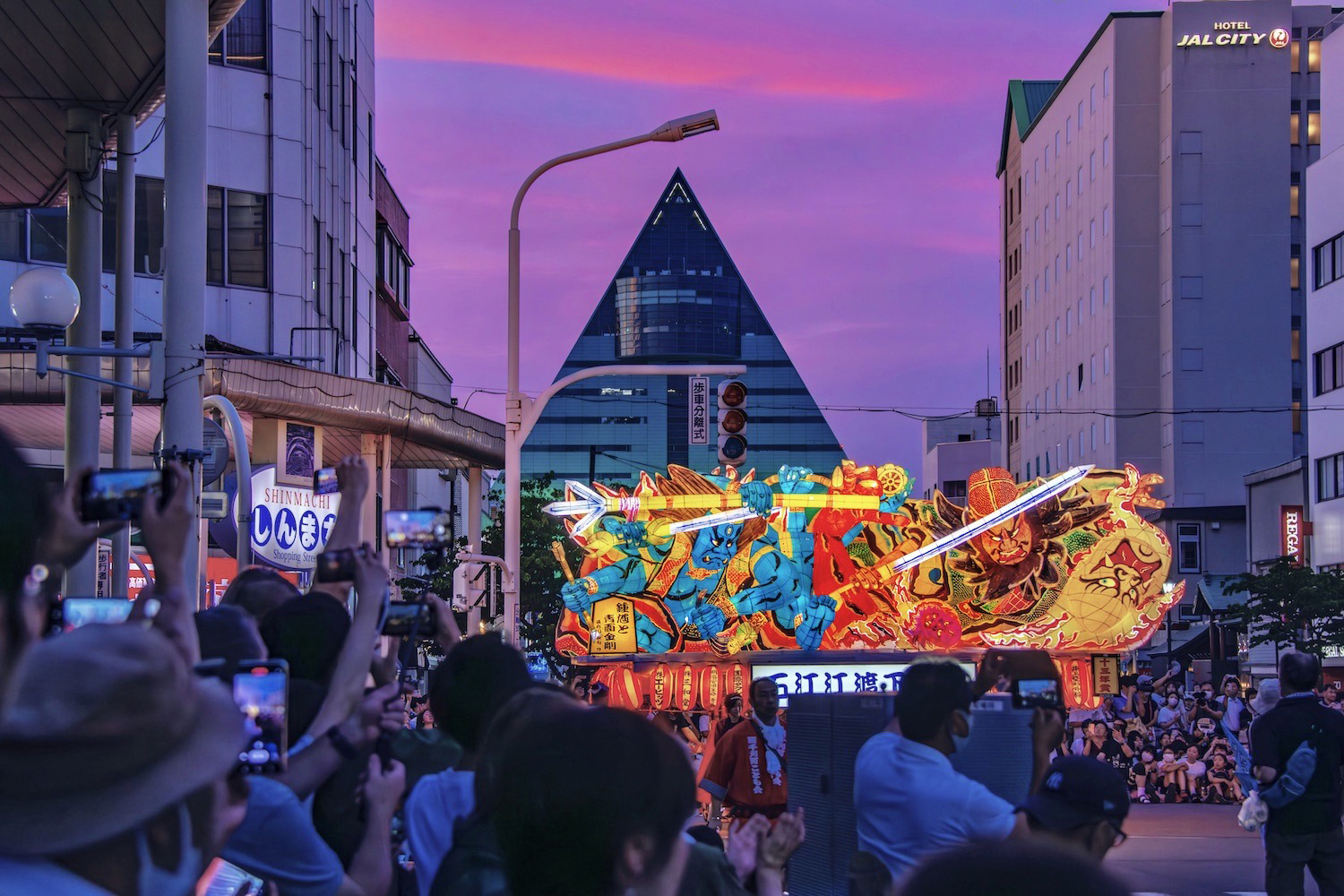
If you’re on the hunt for Tohoku cherry blossoms, there’s no place better to go than Aomori prefecture’s Hirosaki Castle. It’s located about an hour south of Aomori City, which is itself very worth visiting, especially if you like Japanese festival floats or apple paraphernalia. Have more time in Aomori-ken? Visit a seagull-habitat shrine in Hachinohe at the beginning of the Sanriku Coast, enter the door to hell at Osorezan Bodai-ji temple on the Shimokita Peninsula or get some of Japan’s freshest air at natural spots like Lake Towada and Oirase Stream.
Akita
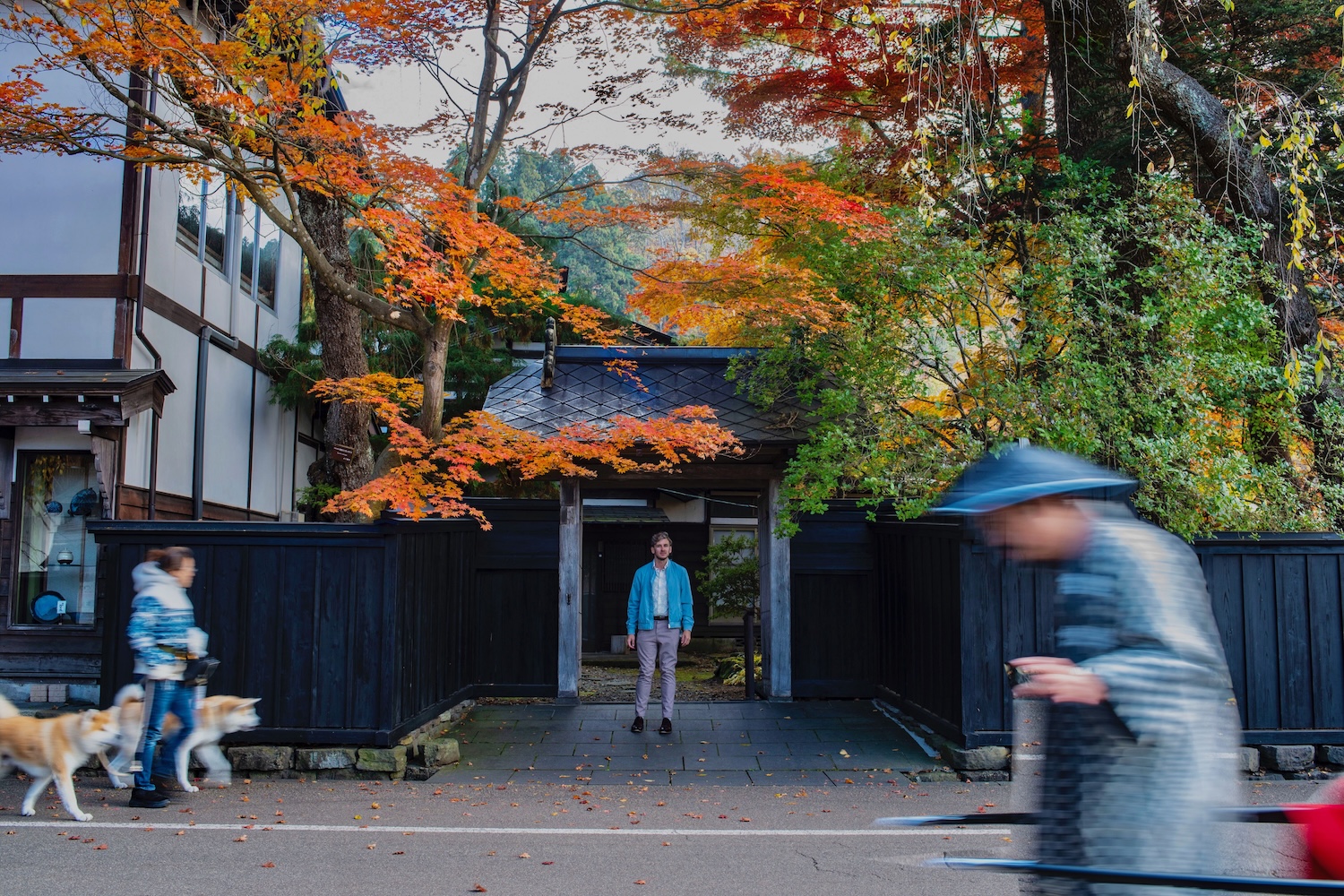
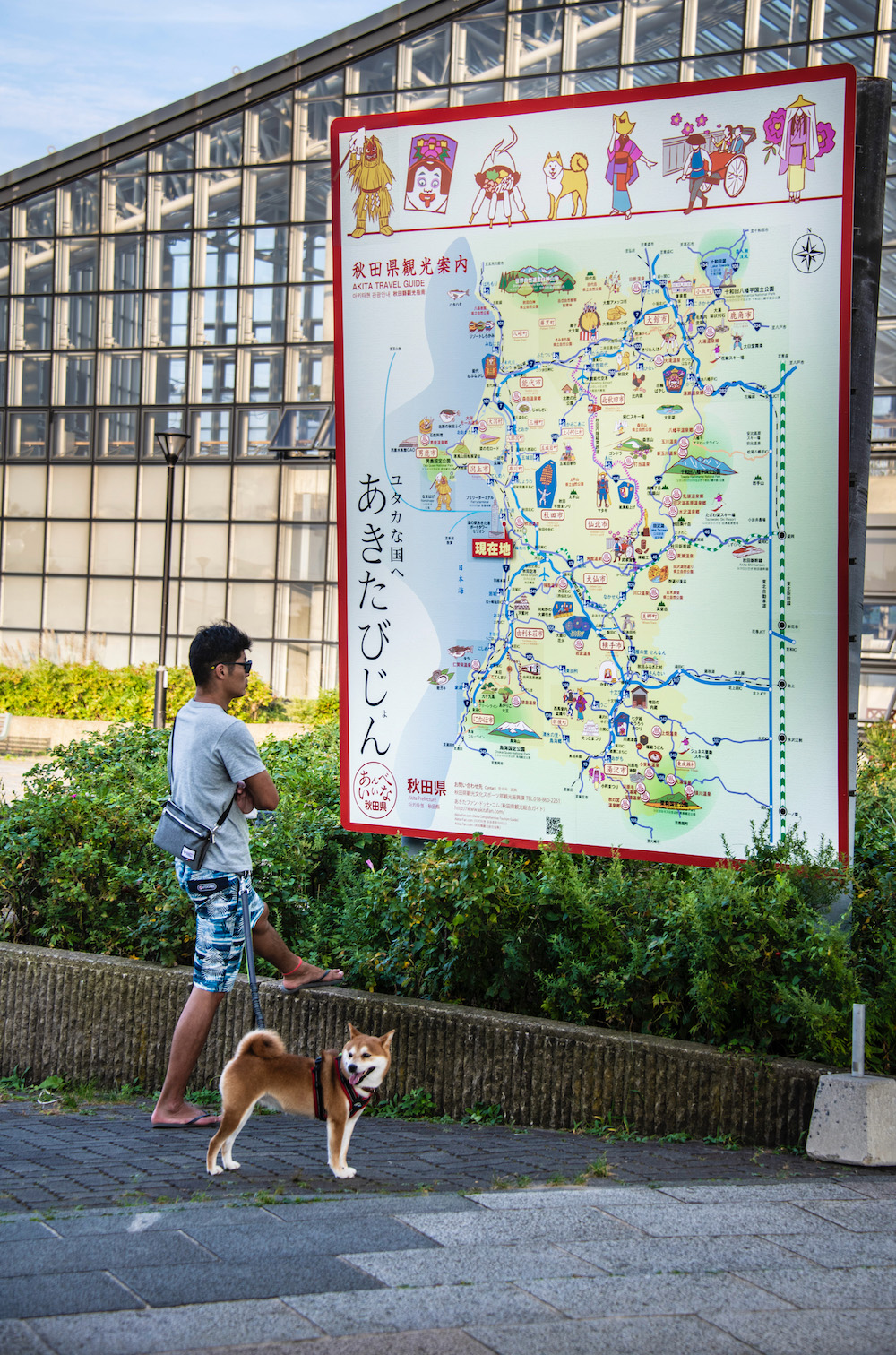
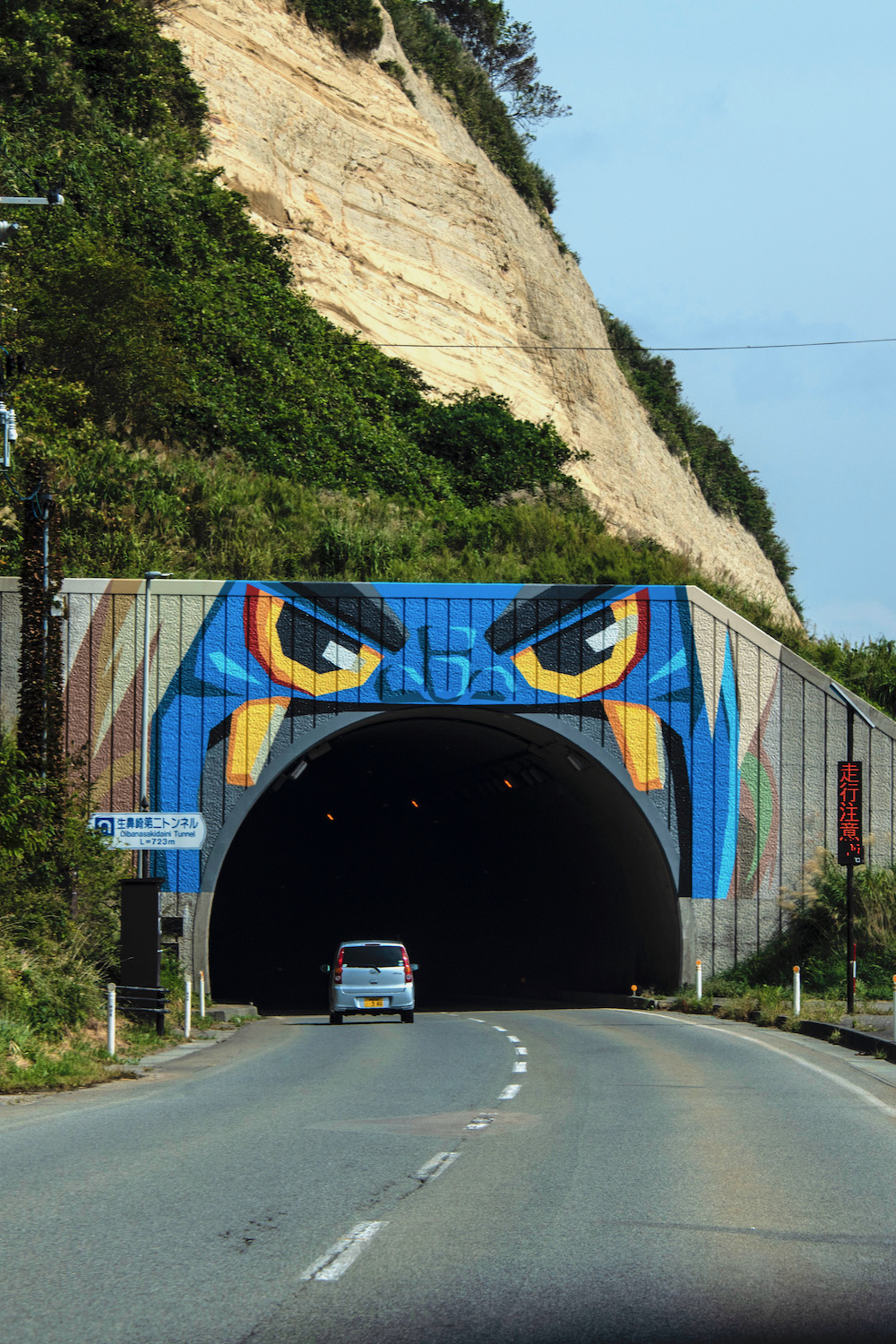
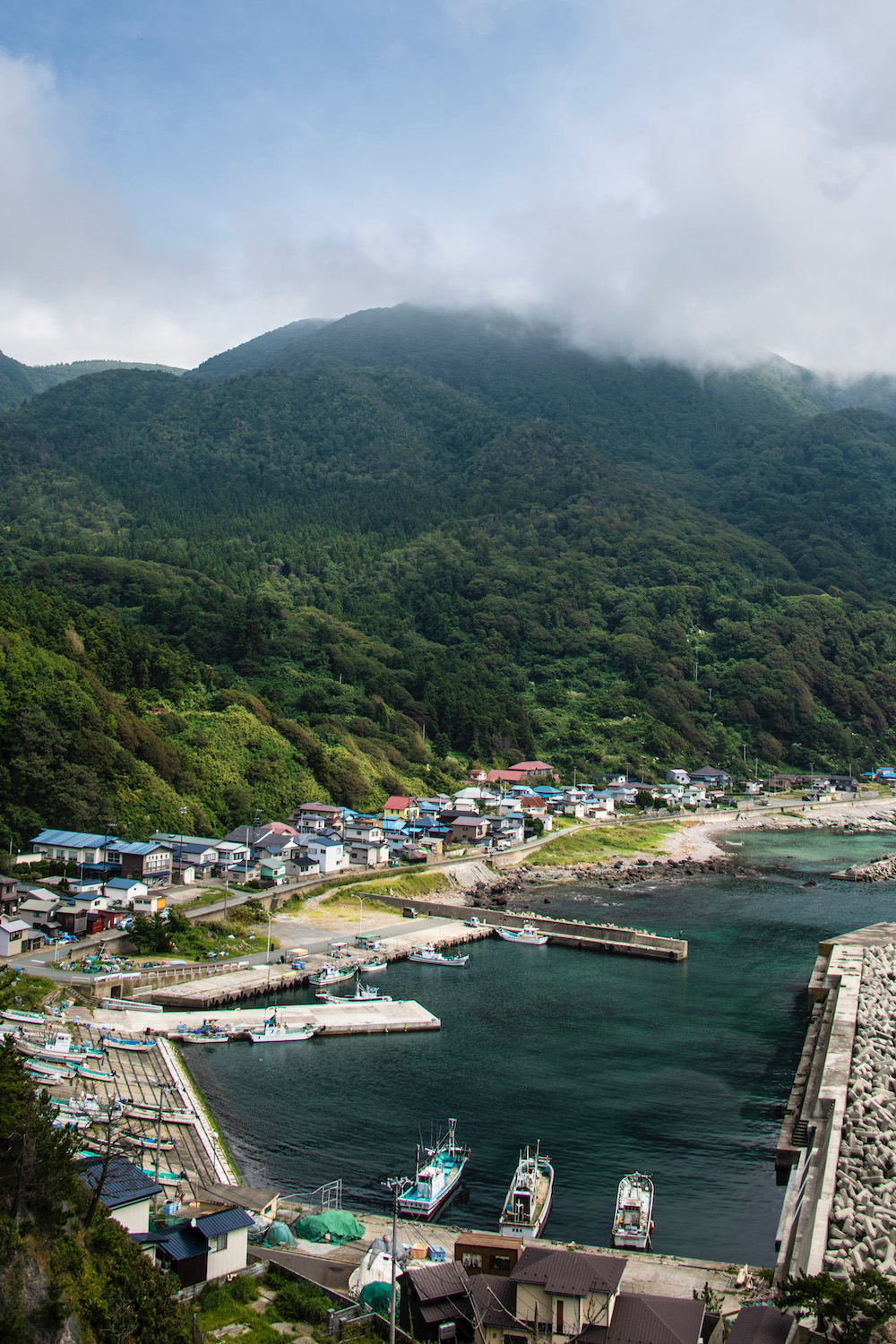
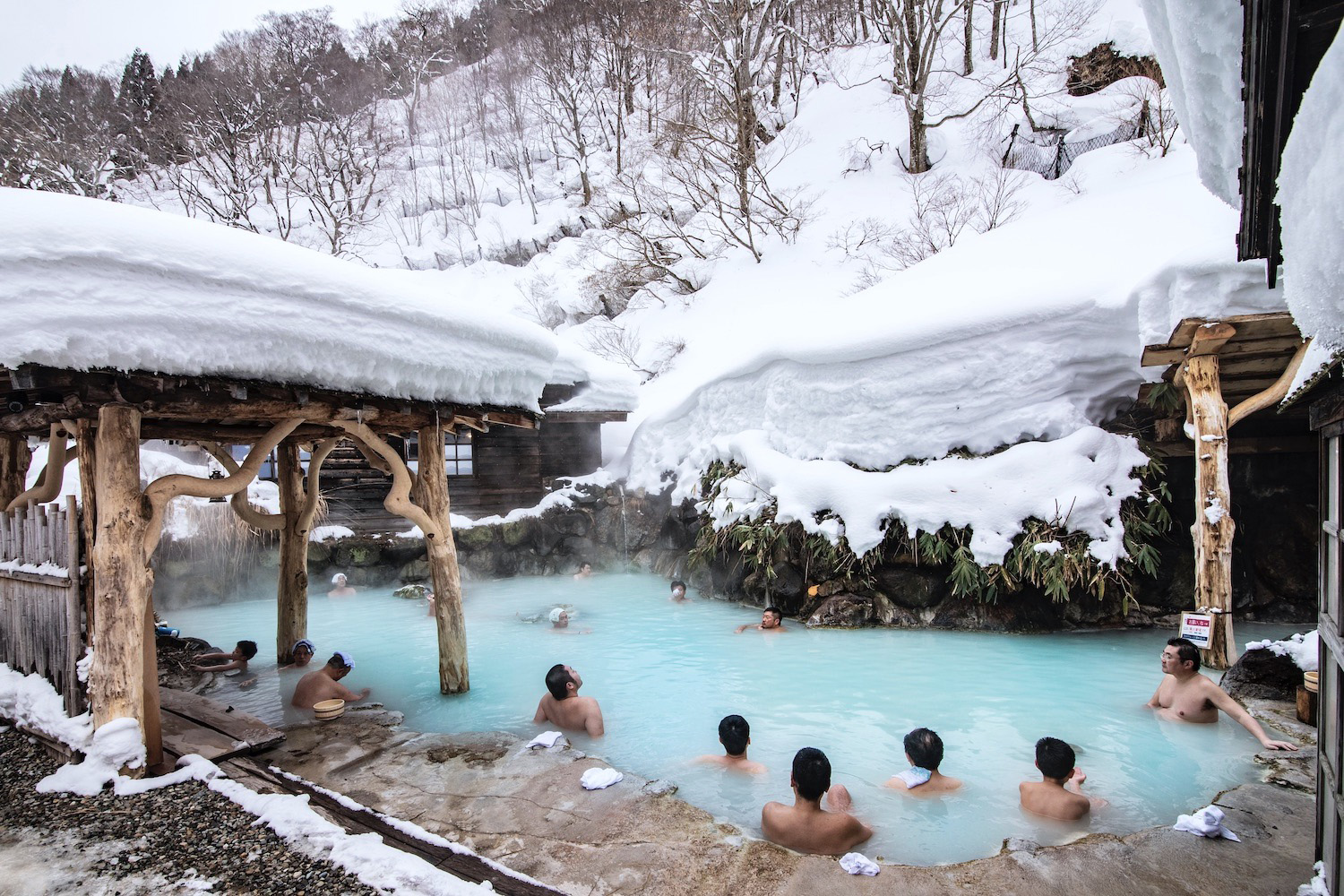
Another top Tohoku cherry blossom spot is Akita prefecture’s Kakunodate. Conveniently located along the Shinkansen line, this charming town is full of former Samurai houses and temples, and is also beautiful amid the autumn colors. Of course, it’s only one example of where to go in Akita-ken, which is also home to the Namahage-infested Oga Peninsula, some of Japan’s best ski fields and of course, Akita City. (Which, like Sendai and Aomori, is where one of Japan’s top summer festivals take place.)
Iwate

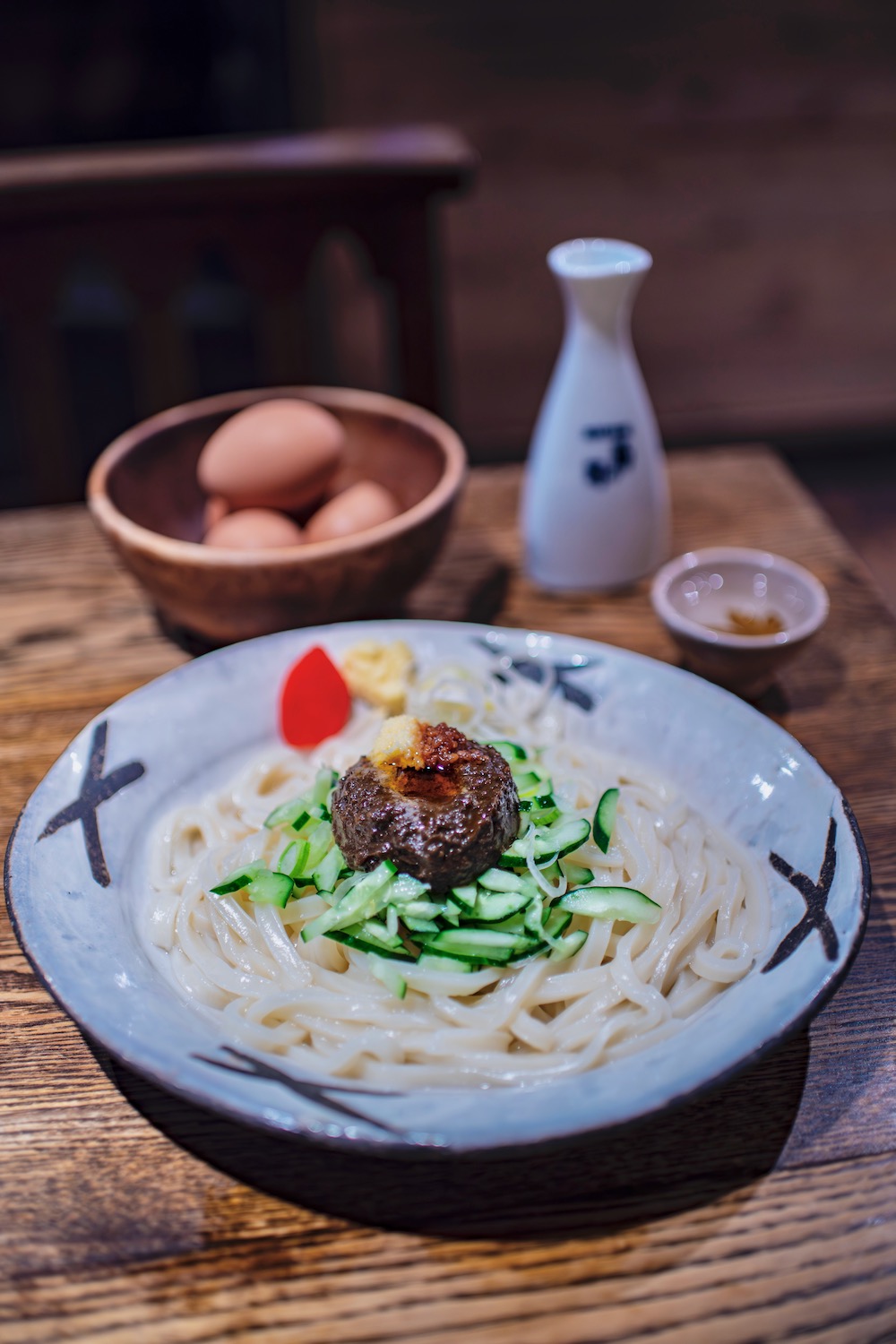

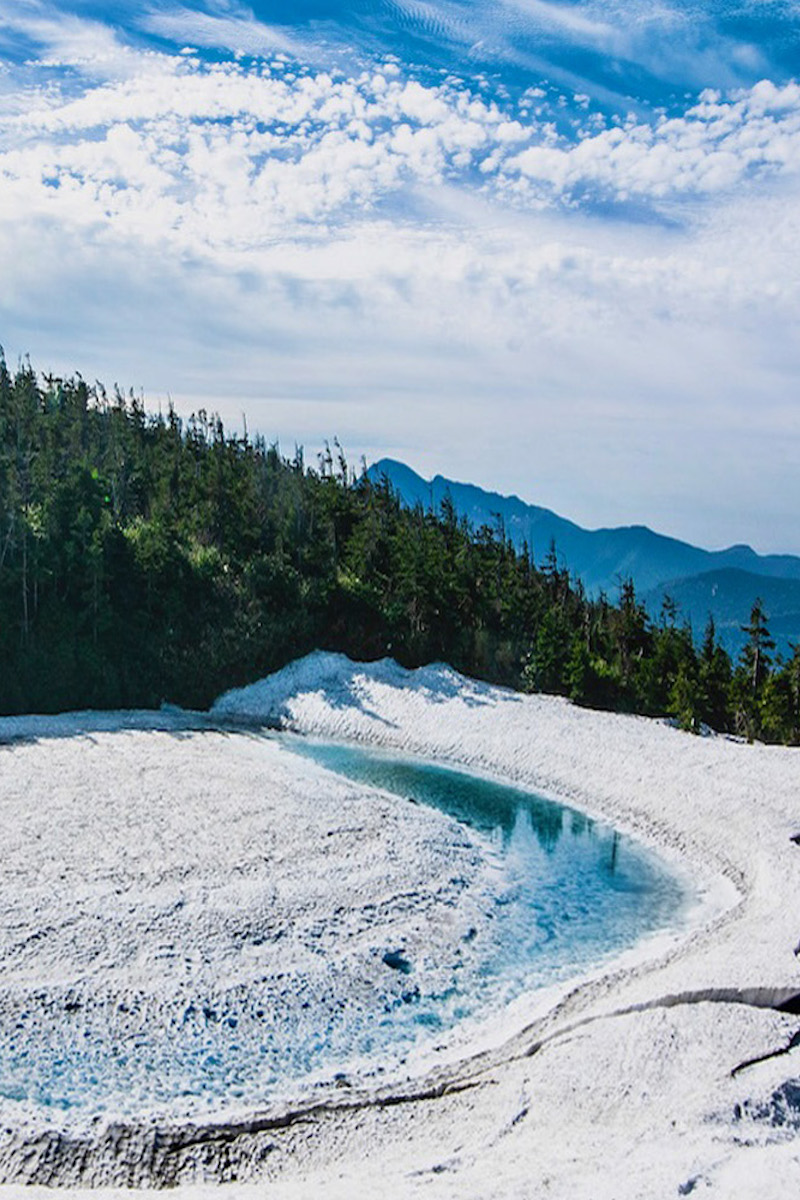
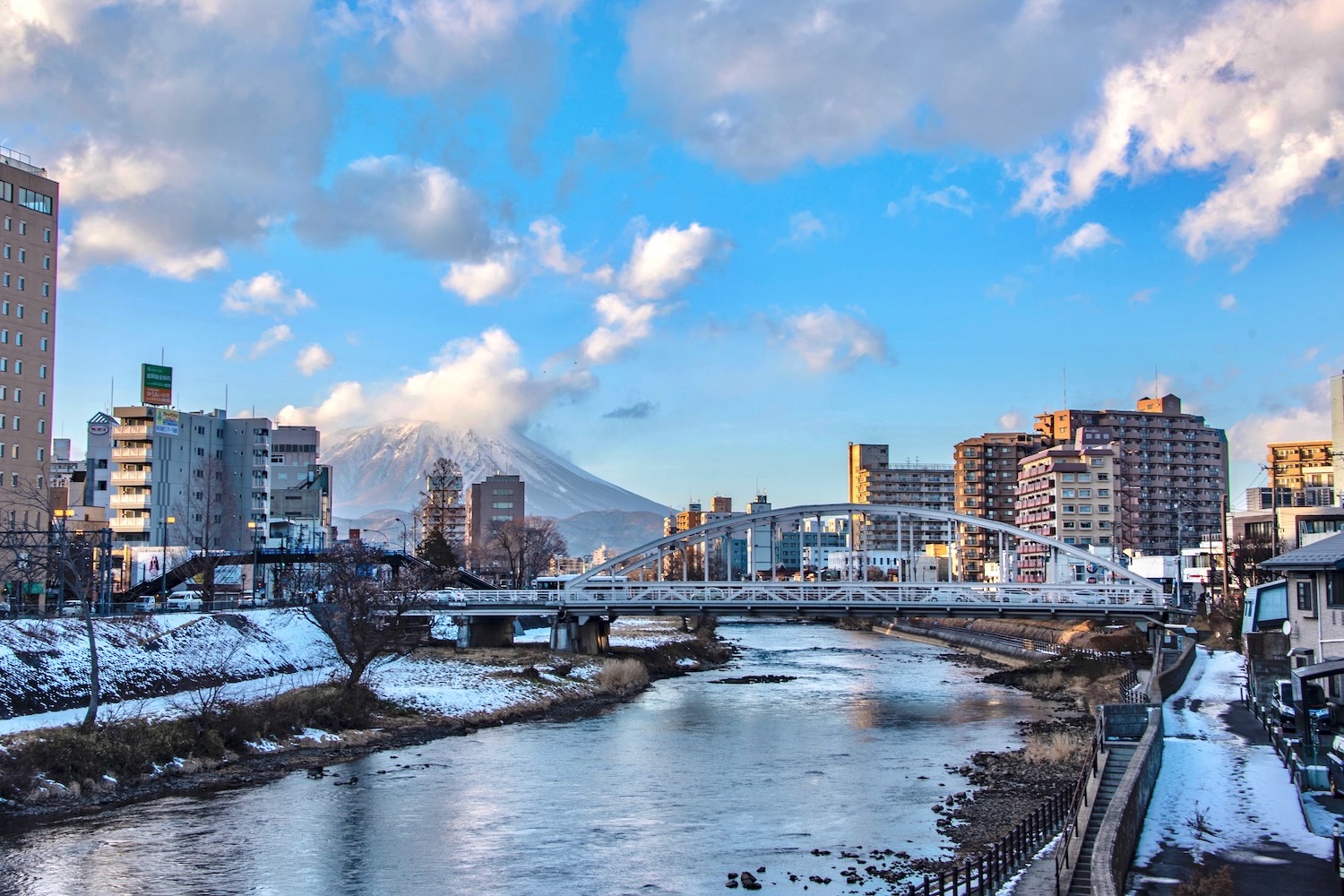
Next up on the list of Tohoku travel destinations is Iwate, whose charming riverside capital Morioka rises beneath the prefecture’s namesake Mt. Iwate. Eat famous Jajamen noodles here, then continue off the beaten path of Iwate-ken: Underneath the sakura “tunnel” at Kitakami Tenshochi park; looking down on the Dragon Eye of Hachimantai; taking a dip at Jodogahama Beach in Miyako along the Sanriku Coast; or going back in time in Hiraizumi, one of the oldest towns in Japan.
Yamagata
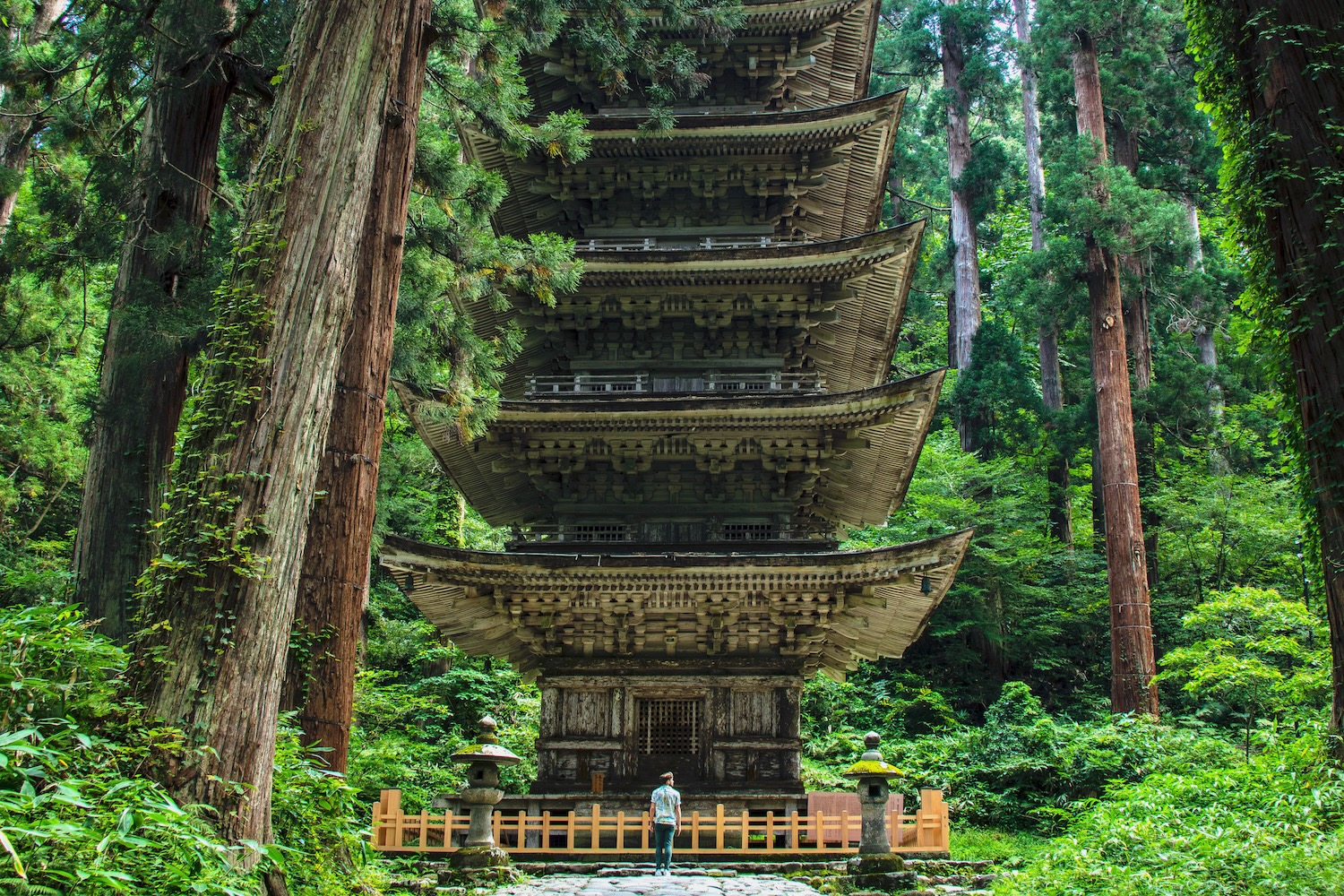
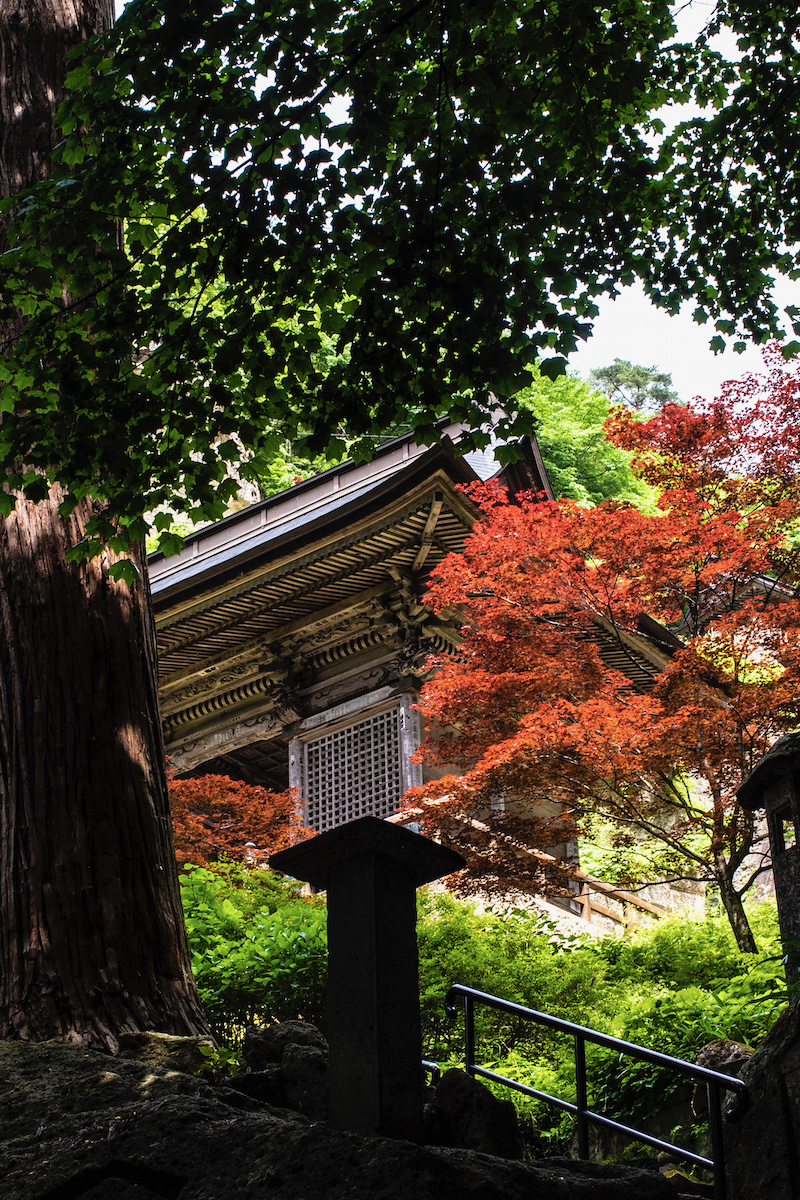
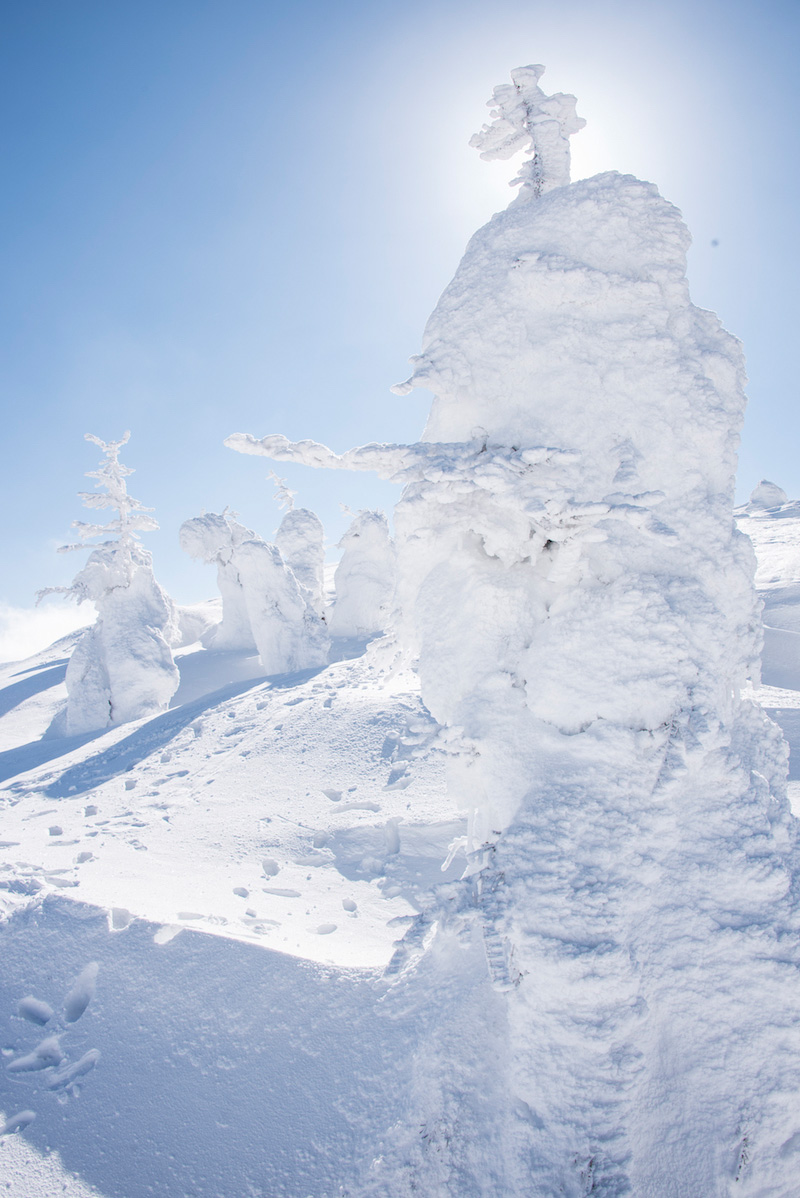
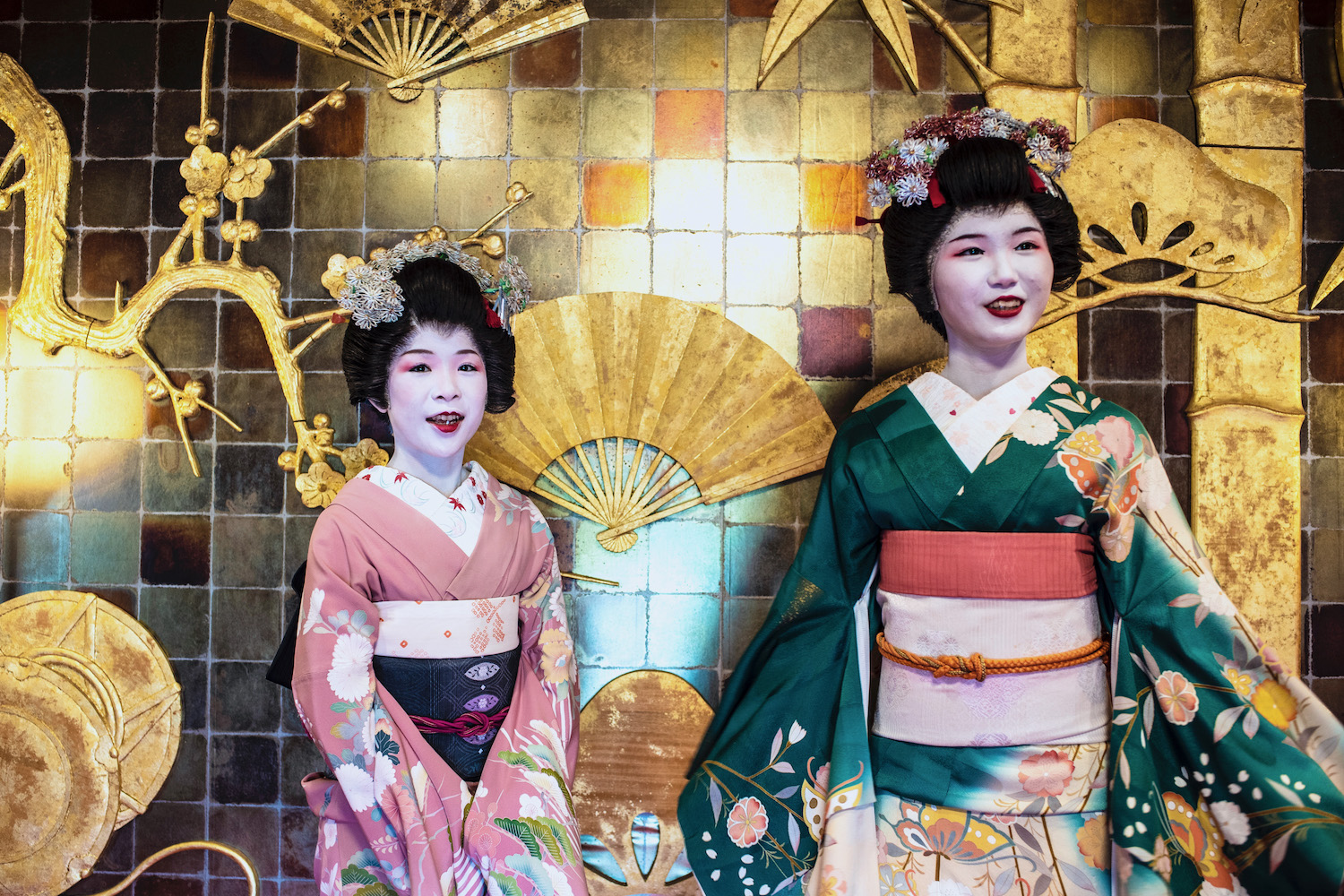
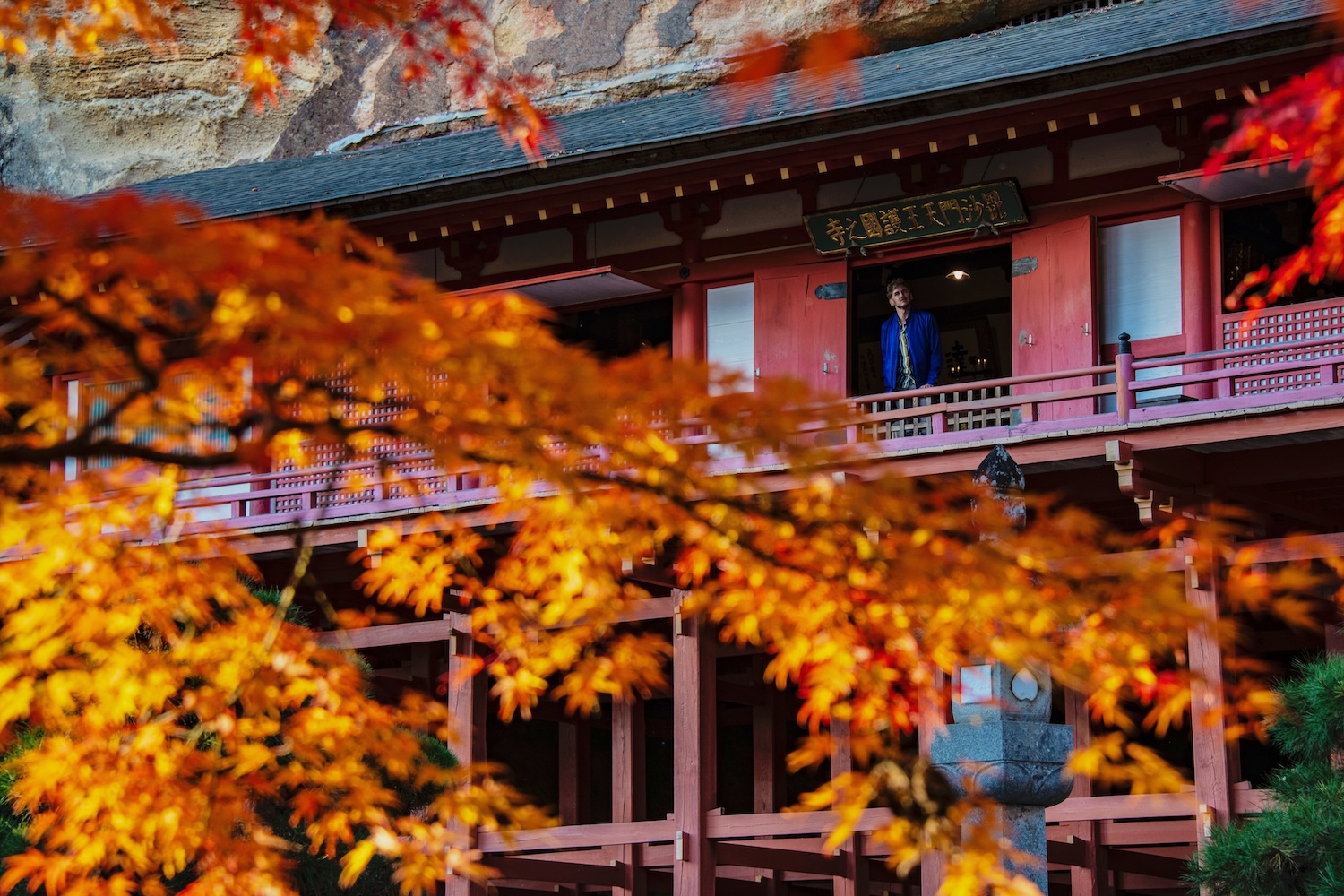
As I mentioned in the intro to this post, winter is a popular time to visit Tohoku—even if you don’t ski. Which is not to say that the snow monsters Mount Zao are the only things to see in Yamagata prefecture. Yamadera temple (along the Senzan Line back to Sendai), for example, is at its most stunning during the autumn. As more evergreen destinations go, Yamagata is home to the coastal city of Sakata, a charming center of sake breweries, Geisha tea houses and so few tourists you’ll feel like it belongs to you!

TIP: Although crowded and otherwise somewhat overrated, Ginzan Onsen is probably the most globally famous hot springs town in Japan, as of this moment.
Fukushima
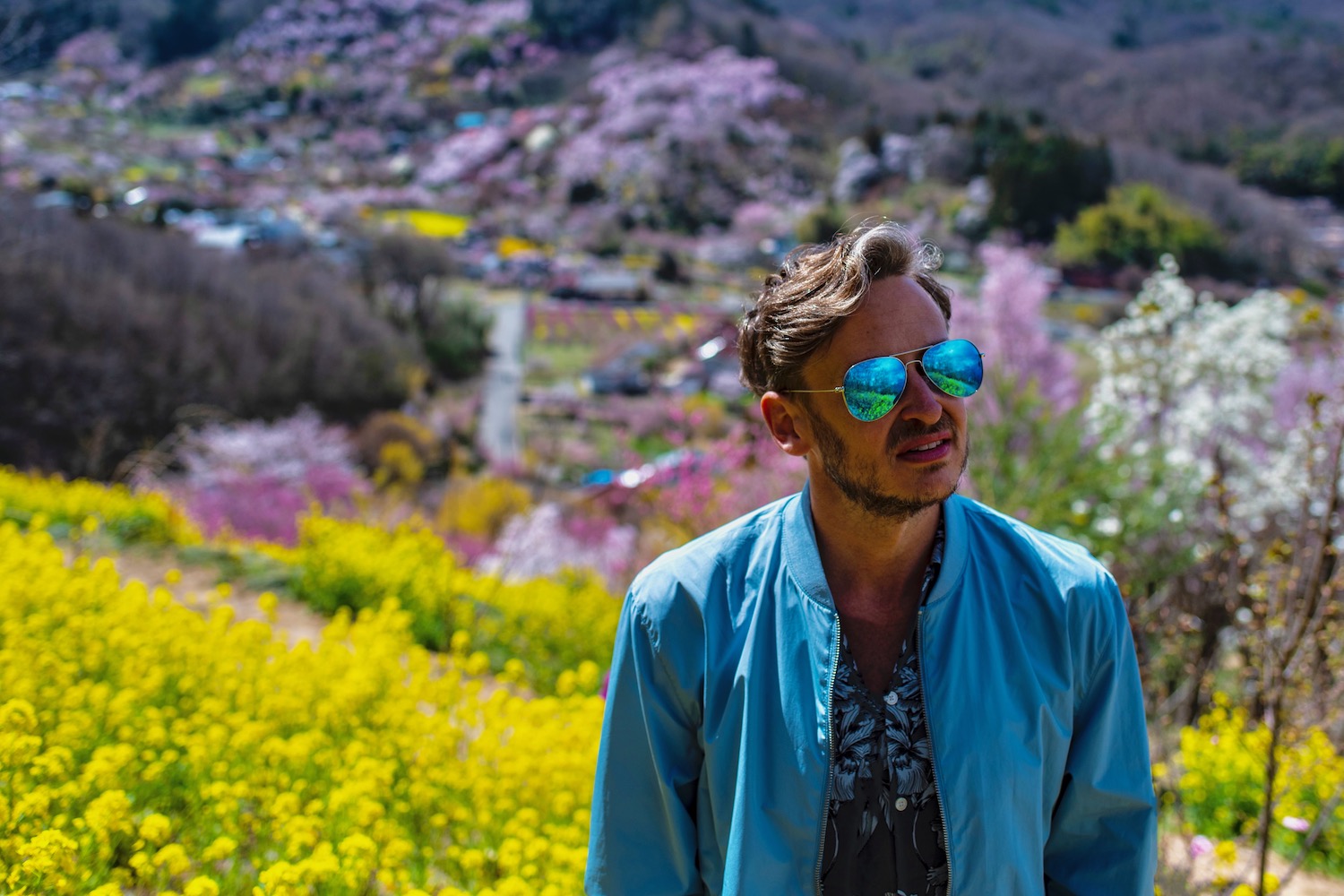
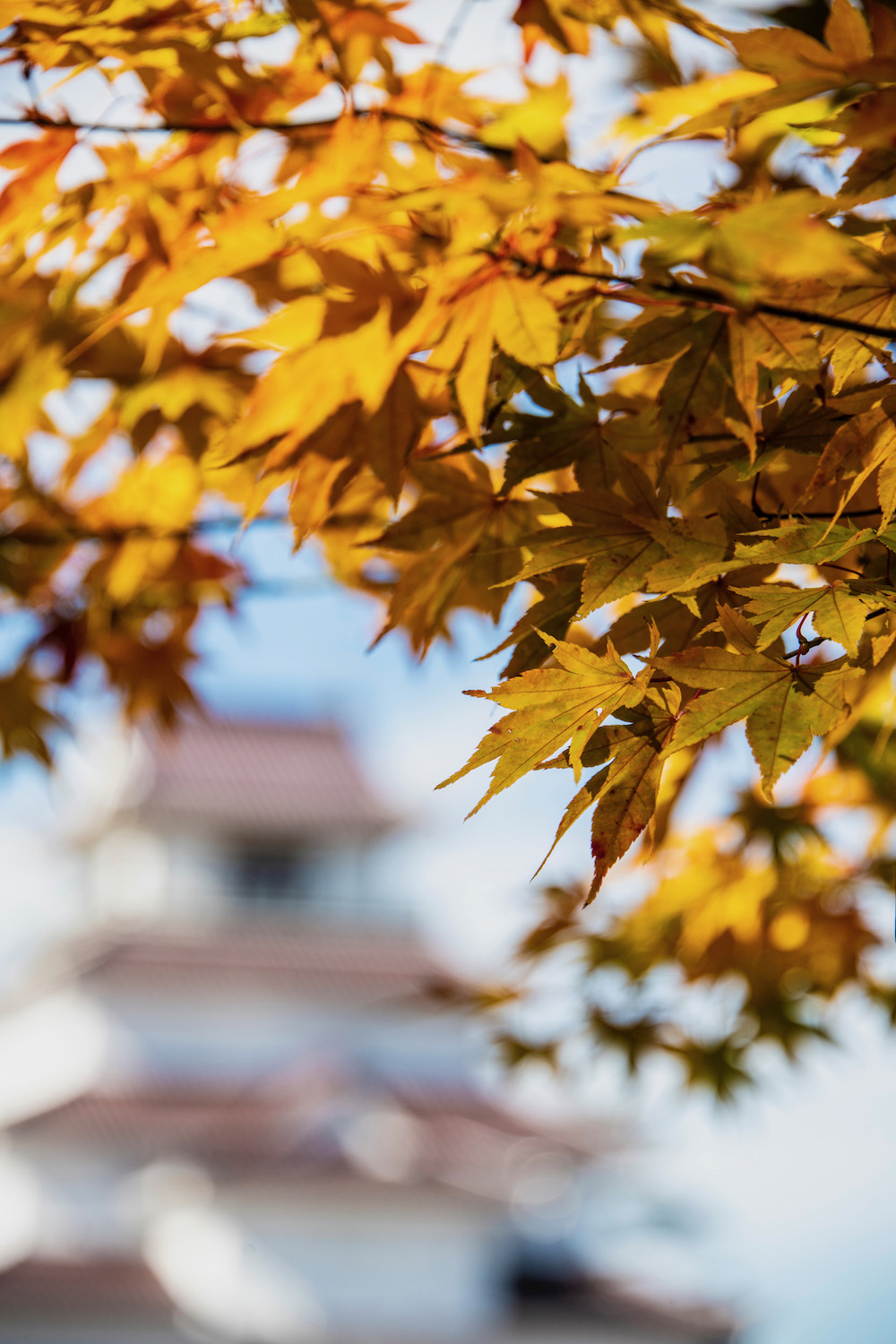
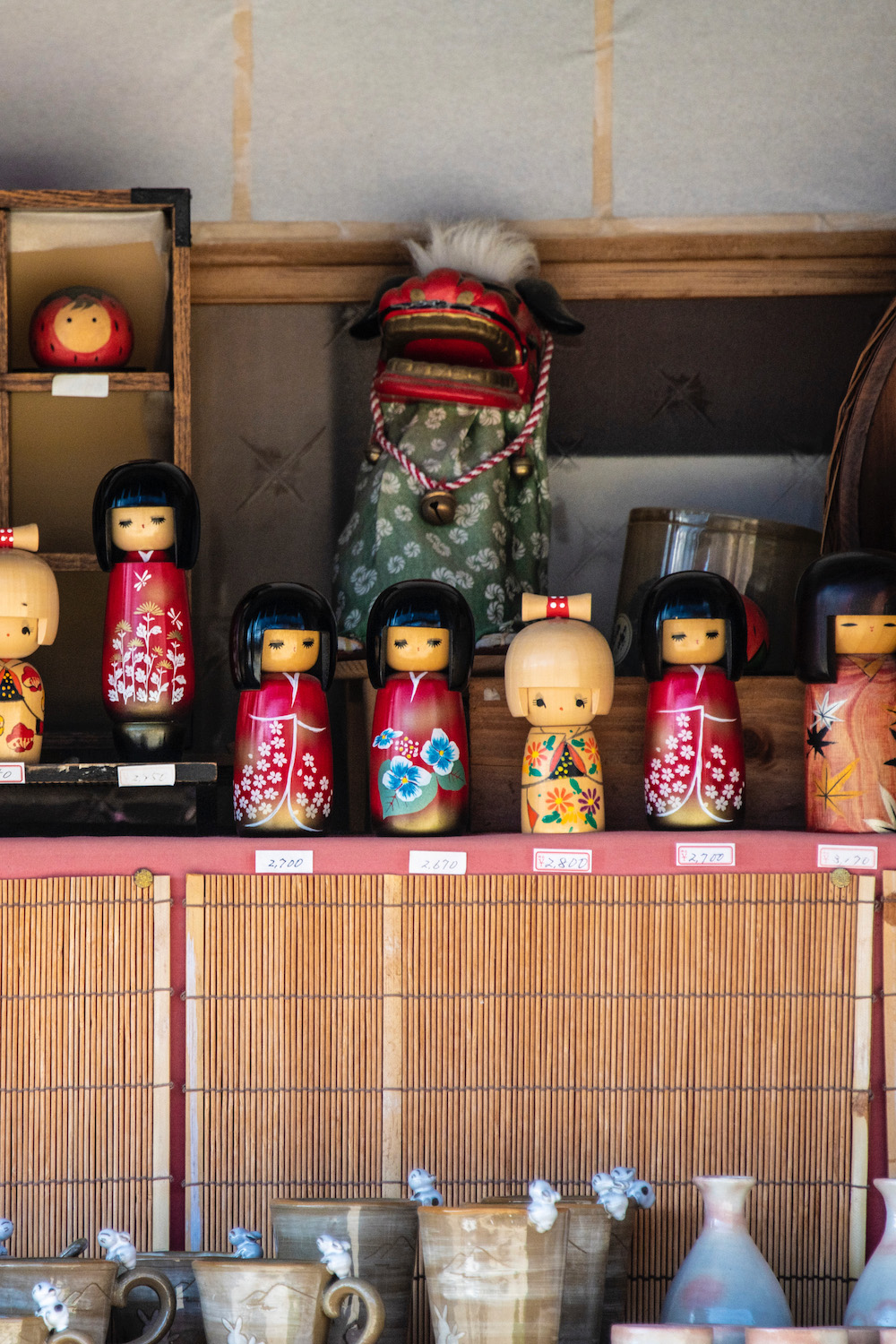

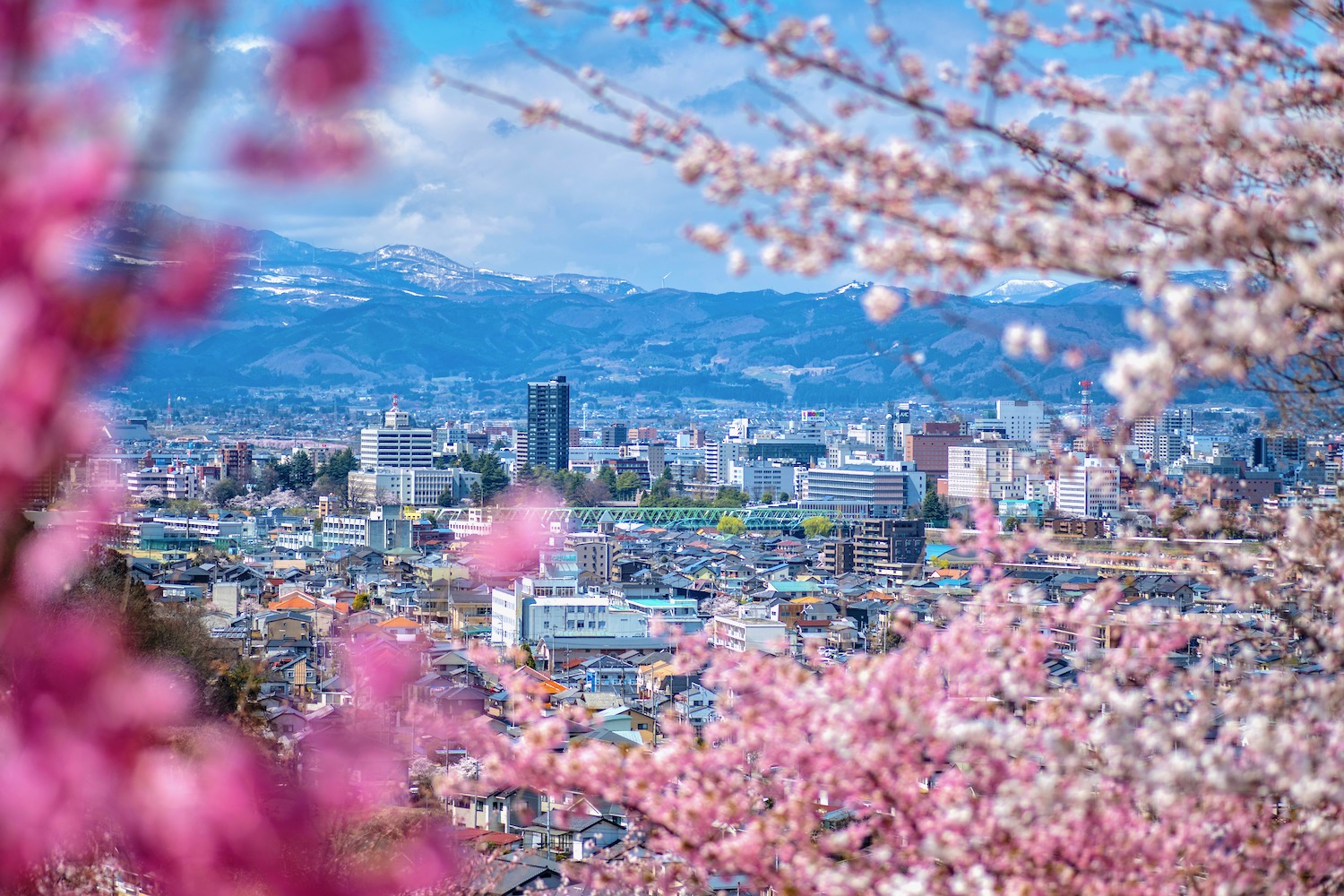
Fukushima is perhaps Japan’s most misunderstood prefecture, for reasons that should be obvious to you if you were alive and sentient in 2011. However, in addition to the fact that Fukushima-ken is definitely not still radioactive, it happens to be a treasure trove for travelers. I recommend basing yourself in Aizu-wakamatsu, a castle town where you can dine on sauce katsu before venturing to more distant destinations, be they the Ouchi-juku old street, the Goshikinuma five-colored ponds or Tadami Bridge. If you’re there in spring, meanwhile, Hanamiyama (literally “flower-viewing mountain”) offers some of the most delightful views anywhere in Japan.
The Best Time to Visit Tohoku
You’ve probably noticed that my Tohoku travel guide focuses much more on spring and winter than other seasons. However, I also love visiting Tohoku in autumn and summer. In fall (whose colors usually peak between the last week of October and the second week of November here), my favorite spots include the aforementioned Lake Towada and Mount Hakkoda in Aomori prefecture and Geibikei gorge in the wilds of Iwate-ken.
You say you’re planning a Tohoku region itinerary for the summer? Many of my favorite summer destinations in Tohoku are actually located a stone’s throw from my favorite winter ones—the Zao Onsen Rotenburo outdoor bath, for example, is right beneath the mountain where the snow monsters loom in winter. You can also pick cherries in Yamagata prefecture’s Sagae city, or buy fresh watermelon on your way to Ginzan Onsen.
Other FAQ About Tohoku Travel
What is Tohoku known for?
In popular culture, Tohoku is unfortunately known primarily for the 2011 Great East Japan Earthquake, and the Fukushima Daiichi Nuclear Disaster. For travelers, however, Tohoku is known as a wonderland of snow monsters (Mt. Zao), onsen (Tsuru No Yu) and ski slopes (in Akita, Niigata and elsewhere), as well as underrated cities like Sendai, Morioka and Aomori.
Is Tohoku safe?
Tohoku is one of the safest places in Japan, which is one of the least dangerous countries in the world even in its most “dangerous” reaches. While there’s always the risk of an earthquake anywhere in Japan, the chances of a strong or certainly catastrophic one befalling you are minimal. Likewise, unless you plan to hang out in the small nuclear exclusion zone, there is no risk of radiation from Fukushima.
How far is Sendai from Tokyo?
Sendai is about 90 minutes from Tokyo by Shinkansen. No airline offers TYO-SDJ flights any longer, which is just as well. Although they took less than an hour en route when they did exist, they were ultimately much more trouble than taking the train.
The Bottom Line
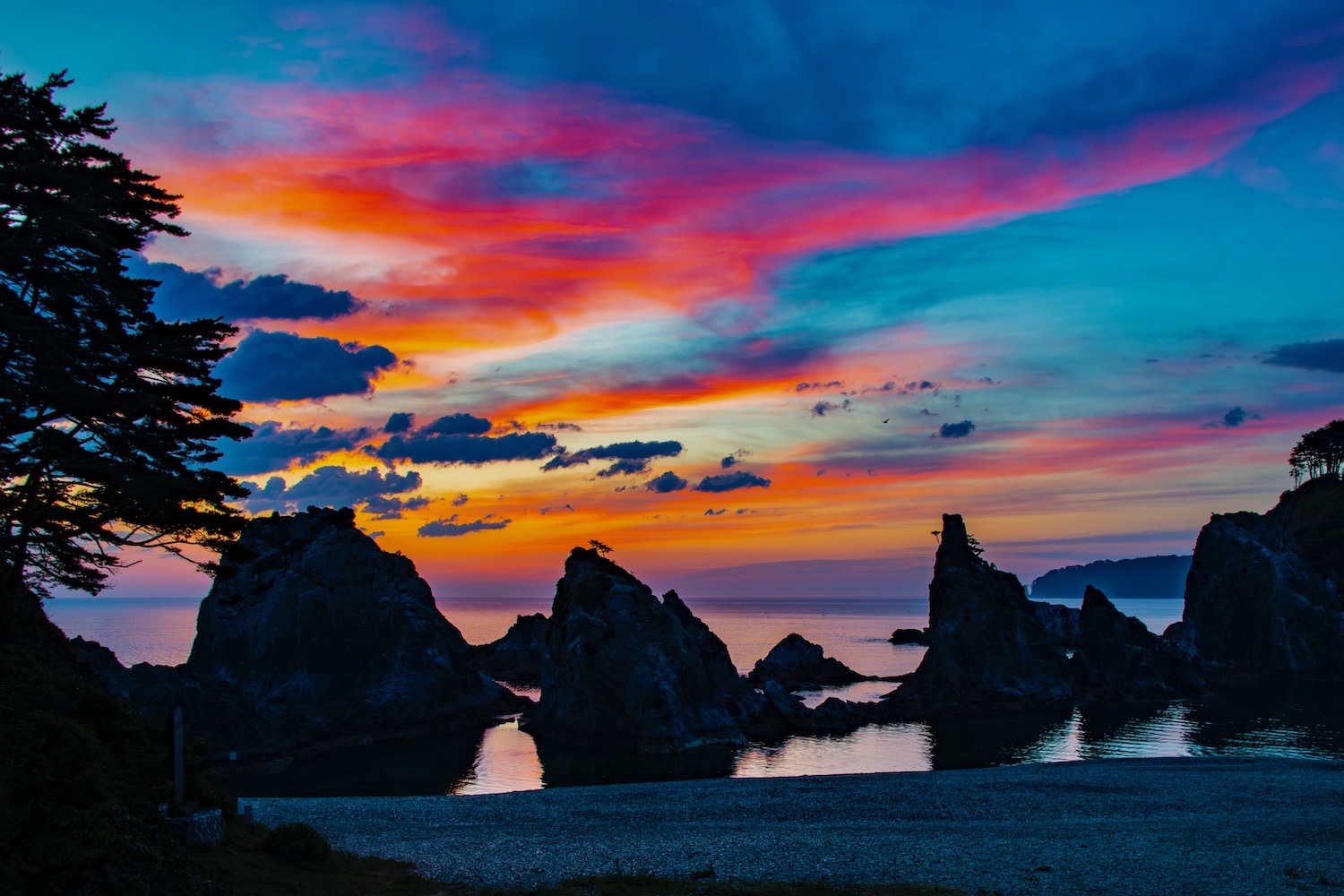
I hope my Tohoku itinerary informs and inspires you, no matter why you’re bound for Japan’s wild northeast. For some travelers, Tohoku is a waypoint en route from Tokyo to Hokkaido, while others (rightfully) have become fixated on one of its singular destinations, be that volcanic Lake Towada, ancient Hirazumi or the tsunami-hit (but undefeated) Sanriku Coast. Some of you having a month in Japan (or longer) to play with and can take your time here, while others will visit on more of a touch-and-go basis. Need personalized help integrating Tohoku into your broader travel plans? Commission a custom Japan itinerary, and let me sweat the details!